
24922 Costeau, Laguna Hills, CA 92653
For more information about senior living options: (866) 208-4318
Overall Review of Jp Senior Homes Costeau
Pros
 Sunny Hills is praised for impeccably clean residences, nutritious meals, and the friendly, caring nature of its licensed caregivers.
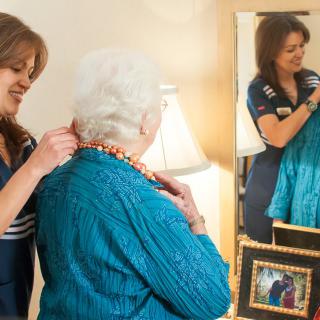
- The staff is described as high-quality, compassionate, and attentive to residents’ dignity.
- Doctors and nurses have expressed amazement at how well the resident is groomed and that she remains free of bed sores.
- Delia and her team provide the highest quality, compassionate care for seniors who can no longer be cared for by family.
- The social atmosphere is wonderful, and professionalism is maintained even during challenging times like Covid.
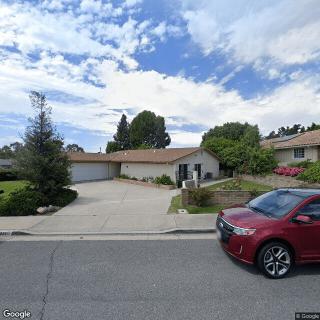
- The homey setting allows residents to have their own rooms and personal space, preserving dignity.
- The owners are compassionate, loving, and kind, with activities provided and families kept updated.
- A small-client model (six at a time) ensures each resident is lovingly and painstakingly cared for.
Review
This community is best suited for families seeking a true home-like assisted living experience in Laguna Hills, where seniors receive exceptionally personal, attentive care in a small, well-kept residence. It is particularly strong for residents who want private spaces, regular daily routines, and caregivers who know them by name. The small-scale model, roughly six clients at a time, means care is not a ceremony but a constant, visible presence: clean rooms, familiar faces, and meals shared in a family-style setting. For families prioritizing dignity, consistent grooming, and meaningful interactions over glittering amenities, this approach is a compelling match.
Alternatives are worth considering for seniors who require more formal medical oversight, intensive memory-care programming, or a broader spectrum of on-site services. Larger communities with salaried nurse teams, structured activities programs, or dedicated memory-care units can offer more robust clinical support and a wider range of therapies. If 24/7 on-site medical intervention, a campus-like atmosphere, or highly diversified group activities are essential, a bigger facility may better align with those needs. This is not the place to look for a hospital-like scale or highly regimented social schedules.
The strongest pros are immediately evident. The environment is impeccably clean, kitchens, bedrooms, and bathrooms are maintained to a high standard, creating a sense of safety and pride in daily life. Nutritious meals are a constant, and the social element of dining together reinforces dignity and connection. Caregivers are described as licensed, vetted, and genuinely caring, delivering consistent, compassionate support that fosters trust. The home atmosphere, private rooms, attentive staff, and a décor that reflects residents’ own belongings, helps residents feel valued and in control, rather than merely accommodated. The combination of meticulous upkeep, personal attention, and family-style communication creates a reassuring foundation for daily living.
Where the narrative becomes practical is in weighing the advantages against practical limits. The small, intimate setting excels at ensuring each elder receives noticeable attention and a steady routine, while also enabling families to stay closely involved through regular updates and even personal touches like video messages. Yet this scale can constrain access to a wider array of specialized services and on-site medical resources. Prospective families should recognize that while caregivers are highly engaged, the model relies on a leaner staff structure than larger communities. For residents who require more intensive medical or rehabilitative care, or who crave a broader menu of programmed therapies, some benefits may feel less comprehensive.
Decision-makers should frame this choice around two axes: the value of intimate, home-like care versus the need for broader clinical resources. If the priority is ongoing warmth, respect, and a setting that preserves autonomy and privacy, this option rises to the top. If necessary, verify the availability of specific services (transportation to appointments, on-site nursing coverage, physical therapy, or dementia-specific activities) and confirm how emergencies are handled given the smaller crew. Observe caregiver interactions, ask about how meals are planned, and request a glimpse of typical daily routines and activity calendars to ensure they align with the senior’s preferences and safety needs.
In sum, for families prioritizing dignity, individualized attention, and a gem-like, homey environment in Laguna Hills, this model stands out. The tests of care, spotless surroundings, well-prepared meals, and caregivers who treat residents like family, deliver outcomes that matter deeply when daily life is shaped by routine, comfort, and personal connection. The few potential drawbacks, the realities of smaller staffing in medicalized situations and a more limited menu of on-site clinical services, are substantially offset by the profound sense of belonging, consistent grooming, and transparent family communication that define the experience. For seniors who value a serene, intimate setting with credible, compassionate oversight, this community is a compelling choice.
 6 resident community capacity
 Assisted Living
 Board and Care Home
 Cable or satellite TV
 Dining room
 Fully furnished
 Garden
 Housekeeping services
 Move-in coordination
 Outdoor space
 Telephone
 Wi-Fi/high-speed internet available
 John Wayne Orange Co (11 miles away)
 24-hour supervision
 Activities of daily living assistance
 Assistance with bathing
 Assistance with dressing
 Assistance with transfers
 Diabetes diet
 Meal preparation and service
 Medication management
 Special dietary restrictions
 Transportation arrangement (medical)
 Transportation to doctors appointments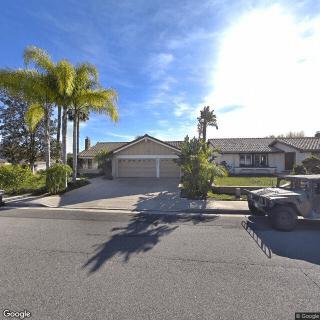

 An Extensive Exploration of the VA Aid and Attendance Benefit
 Senior Transition Services: Understanding Their Role, Cost, and Importance
 Exploring the Path to Senior Living: A Comprehensive Look at Independent Living and Assisted Living