
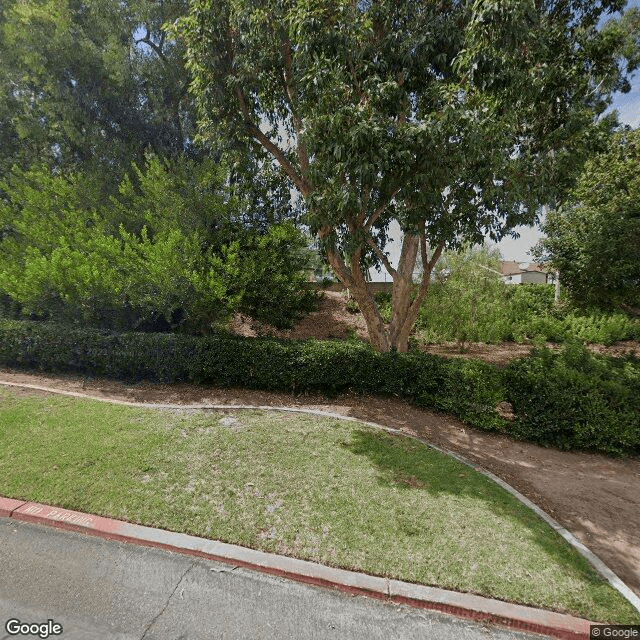
22678 Genova, Laguna Hills, CA 92653
For more information about senior living options: (866) 208-4318
All Star Elderly Care Costs & Pricing
All Star Elderly Care offers competitive pricing for its services relative to the broader market in Orange County and California. For instance, their semi-private rooms are priced at $3,000 per month, which is significantly lower than the county average of $3,431 and the state average of $3,333. Similarly, studio apartments at All Star cost $3,070, undercutting both local and state averages by approximately $1,243 and $1,075 respectively. Private rooms are available for $3,500, again proving more economical compared to Orange County's average of $4,104 yet slightly higher than the state average of $3,939. The cost for a one-bedroom unit is set at $3,850 - a strategic price point that remains below county standards but aligns closely with the state's rate. Finally, their two-bedroom accommodations at $4,490 offer savings when compared to both county ($5,390) and state averages ($5,270). Overall, All Star Elderly Care provides a range of comfortable living options that can be seen as a value-oriented choice for families seeking elder care services without compromising on quality.
| Floor plans | All Star Elderly Care | Orange County | California |
|---|---|---|---|
| Semi-Private | $3,000 | $3,431 | $3,333 |
| Studio | $3,070 | $4,313 | $4,145 |
| Private | $3,500 | $4,104 | $3,939 |
| 1 Bedroom | $3,850 | $4,380 | $4,340 |
| 2 Bedrooms | $4,490 | $5,390 | $5,270 |
Assisted Living communities with a similar price nearby
-
from +$500 / mo
Loving Home Care
$3,500 to $4,500 / month18.4 miles away -
from +$300 / mo

Bella Manor II
$3,300 to $4,290 / month24.4 miles away -
from -$200 / mo
Leah Loving Elderly Care
$2,800 to $3,000 / month13.8 miles away -
from -$300 / mo
Loving Care Senior Home
$2,700 to $3,500 / month14.3 miles away -
About the same
Tabi's Facility Home Care
$3,000 to $3,500 / month21.7 miles away
Overall Review of All Star Elderly Care
Pros
 The staff is friendly.
- They provide food based upon each person's appetite and what they want.
- It is a safe place for a loved one.
- The cost is very reasonable.
Cons
 The place is very dirty and depressing.
- It is not kept up at all and smells like a dog.
- There is no walking area for patients.
- There is no parking.
- Residents are fed on the staff’s schedule, with dinner sometimes not served until 10 p.m.
- Medications are not reliably managed, and some pills are missing.
- The care provided does not match what is advertised.
- The property is dirty with things lying around, creating trip hazards for residents.
- It is not a good place to put one’s loved ones.
- Prices are raised without warning.
- Staff ignore residents after they arrive, and may ignore them until they leave.
Review
All Star Elderly Care in Laguna Hills is best suited for families prioritizing affordability and a straightforward, low-frills setting. This community fits households that want a basic, safe environment without premium amenities or high care overhead, and that can tolerate variability in day-to-day operations with a trusted advocate on site or nearby. It appeals to those on tight budgets who still need reliable supervision and a sense of security, provided expectations are aligned with the realities of a smaller operation. For residents who require extensive clinical oversight or a consistently pristine environment, alternatives should be strongly considered.
The strongest elements lie in the human touch and the budgeting narrative. The staff is described as friendly and approachable, a genuine asset when families cannot be present around the clock. Meals are delivered with a resident-first approach, food is prepared and served based on appetite and personal preferences, rather than a rigid kitchen schedule, which helps some residents feel heard and respected. The setting is perceived as safe, giving relatives a degree of reassurance about daily life. And the price point is repeatedly labeled as reasonable, a meaningful advantage for families balancing multiple care costs.
However, serious red flags appear in multiple accounts. The environment is depicted as dirty and depressing, with odors and visible clutter that suggest inconsistent upkeep. There are concrete concerns about safety, including items left around and insufficient walking space for residents who need light mobility work. The dining and medication routines are flagged as unreliable, instances of late dinners and missing pills create real anxiety about everyday care quality. Price increases without warning and a discourteous post-departure experience add a troubling layer of distrust that compounds the operational gaps.
These positives and negatives create a difficult balance to strike. The favorable aspects, friendly staff, a resident-centered dining approach, safety, and affordability, only carry weight if basic standards of cleanliness, organization, and medication management are consistently met. When those core areas falter, the advantages can erode quickly. Families willing to provide hands-on oversight may mitigate some issues, but the reliance on ongoing family involvement to sustain quality is not ideal for everyone. In short, the core promise requires active, vigilant engagement to translate into dependable daily life.
Due diligence becomes the decisive factor. Before committing, prospective residents should seek concrete, current information on staffing ratios, caregiver qualifications, and the medication administration process. A tour focused on cleanliness, clutter control, and accessible walking areas is essential, as is a clear review of the menu, dietary accommodations, and the kitchen’s capacity to meet specific needs. Request documentation on maintenance routines, parking availability, and a transparent policy regarding rate increases and move-out procedures. It is critical to review recent quality assurance records and to meet the primary caregivers who would supervise daily care, ensuring a shared understanding of expectations from day one.
All Star Elderly Care can be a sensible choice for those who prize affordability and a practical, friendly atmosphere, provided safety, reliability, and clean surroundings are non-negotiables and active oversight is feasible. For families where predictable meal timing, precise medication management, and a consistently pristine environment are essential, look to alternatives with stronger clinical oversight and more rigorous maintenance records. When budget constraints are central and supervision can be sustained, this community may work, but only with a clearly defined plan to verify care processes and a willingness to walk away if standards don’t hold.
 5 resident community capacity
 Assisted Living
 Board and Care Home
 Activities off-site
 Cable or satellite TV
 Devotional services off-site
 Dining room
 Fully furnished
 Garden
 Housekeeping services
 Indoor common areas
 Move-in coordination
 Outdoor common areas
 Private
 Swimming pool / hot tub
 Telephone
 Wheelchair accessible showers
 Wi-Fi/high-speed internet available
 John Wayne Orange Co (9 miles away)
 24-hour supervision
 Assistance with bathing
 Assistance with dressing
 Assistance with transfers
 Diabetes diet
 High acuity care
 Incontinence care
 Meal preparation and service
 Medication management
 Special dietary restrictions
 Transportation arrangement (medical)
 Transportation to doctors appointments

 Assisted Living Expenses and Long-Term Care Insurance: A Comprehensive Exploration
 Securing Financial Support for Assisted Living: A Comprehensive Overview
 Social Security Benefits and Assisted Living: Navigating Options Across the U.S.