
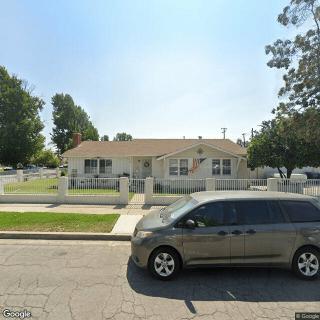
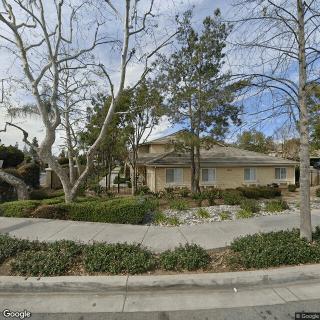
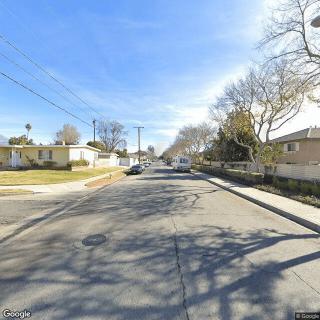
3027 Wenwood Street, La Verne, CA 91750
For more information about senior living options: (866) 208-4318
Overall Review of Home Of Perpetual Care
Pros
 La Verne Manor is a fortunate find for families seeking assisted living.
- The aunt loves her large private room, a feature she couldn't get elsewhere within her budget.
- Mike Tanada, the administrator, has been amazingly helpful from the very beginning.
- He communicates policies professionally, prepares rooms promptly, and shares room dimensions in advance for furniture decisions.
- He is kind and compassionate to the aunt and other residents, attentively ensuring their comfort and safety.
- He uses technology to keep families informed and goes the extra mile to accommodate out-of-town relatives, mail, and appointments.
- He has modified routines to fit the aunt's visitors and unique needs, and the family is very grateful for the excellent care.
Review
La Verne Manor, operating under the Home Of Perpetual Care umbrella in La Verne, California, is best suited for families chasing highly personalized care where the resident’s day-to-day privacy and routine are prioritized. The community shines for seniors who value a large private room as a comfortable, self-contained living space and for families that need a strongly hands-on, responsive administrator who coordinates every move, from room setup to medical appointments. The standout here is not a glossy, impersonal campus but a deliberately attentive operation where logistics and communication are treated as care tasks in themselves. Prospective residents will find clarity on room dimensions, policies, and scheduling, all delivered with a calm, professional demeanor that reduces the usual anxieties around transitions.
That clarity, however, should be weighed against the reality that the reviews stem from a small sample. Those who may want alternatives include families seeking a broader social calendar, more expansive on-site programming, or heavier medical oversight in a high-volume setting. If the goal is a facility with a bustling activity schedule, a larger community footprint, or more robust on-site clinical services, exploring options with bigger resident rosters or more diverse programming would be prudent. Similarly, families prioritizing budget over privacy and concierge-level coordination might encounter other residences that present a different value proposition. In short, this is not the pick for those who equate care exclusively with scale or a wide array of activities.
The strongest pros, cornerstone advantages, drive a decisive offset of potential drawbacks. The administrator, Mike Tanada, stands out as a model of proactive, compassionate leadership. He communicates with apparent ease via text, email, and photos, keeping families informed and engaged even from out of town. This level of availability translates into tangible benefits: room readiness, advance dimensions for furniture planning, timely preparation for appointments, and a flexible approach to accommodating visitors and individual needs. Such operational attentiveness reduces the friction often felt during transitions, helping to secure a sense of continuity for residents with evolving routines and medical requirements. The ease of mail delivery, package coordination, and assistance with paperwork further removes logistical friction from the caregiving equation.
Another significant upside is the practical convenience that accompanies care here. Ample parking is a straightforward but meaningful feature for families who regularly visit or need quick access for caregiving tasks. The combination of a private living space, a calm environment, and a staff that can be counted on to adapt to each resident’s personality and needs creates a reliable foundation for daily life. The use of technology to keep families informed reduces the emotional and administrative burden placed on distant relatives, turning what can be a stressful process into a predictable routine. When care demands spike, or when a resident’s schedule requires coordination with multiple doctors, the ability to lean on a dedicated administrator becomes the deciding factor between stress and manageability.
That said, the absence of documented cons in the available reviews should be read with caution. The limited sample means the community’s strengths may reflect exceptional leadership rather than a universal attribute across all shifts and seasons. For families where social integration, group activities, or intensive clinical oversight are non-negotiables, or where cost sensitivity dominates the decision, further due diligence is warranted. A site visit focused on resident engagement, accessibility of medical staff, and a transparent discussion of pricing structures will help determine whether La Verne Manor’s strengths align with specific needs or if alternatives would better serve the long-term plan.
In the end, La Verne Manor presents a compelling case for families who prioritize personalized coordination, private accommodation, and reliable administrative support in a quieter, neighborly setting. The combination of a spacious private room, a remarkably responsive administrator, and practical conveniences creates a care proposition that reliably reduces day-to-day friction and enhances peace of mind for long-distance caregivers. For residents whose priorities match privacy, predictability, and proactive communication, this is a senior living option worth selecting. Those seeking a more active social life, broader clinical services, or lower-cost models should compare other communities carefully and pursue visits to assess fit against concrete, individual needs.
 6 resident community capacity
 Assisted Living
 Board and Care Home
 Cable or satellite TV
 Dining room
 Fully furnished
 Garden
 Housekeeping services
 Move-in coordination
 Outdoor space
 Telephone
 Wi-Fi/high-speed internet available
 Ontario International (10 miles away)
 24-hour supervision
 Activities of daily living assistance
 Assistance with bathing
 Assistance with dressing
 Assistance with transfers
 Diabetes diet
 Meal preparation and service
 Medication management
 Special dietary restrictions
 Transportation arrangement (medical)
 Transportation to doctors appointments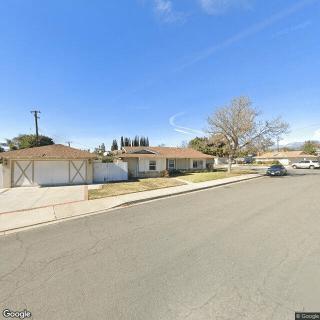




 Assisted Living Support for Veterans: A Complete and Detailed Overview
 Exploring the Contrasts Between Assisted Living and Skilled Nursing
 8 Key Indicators That Suggest It May Be Time to Transition from Assisted Living to Skilled Nursing Care