
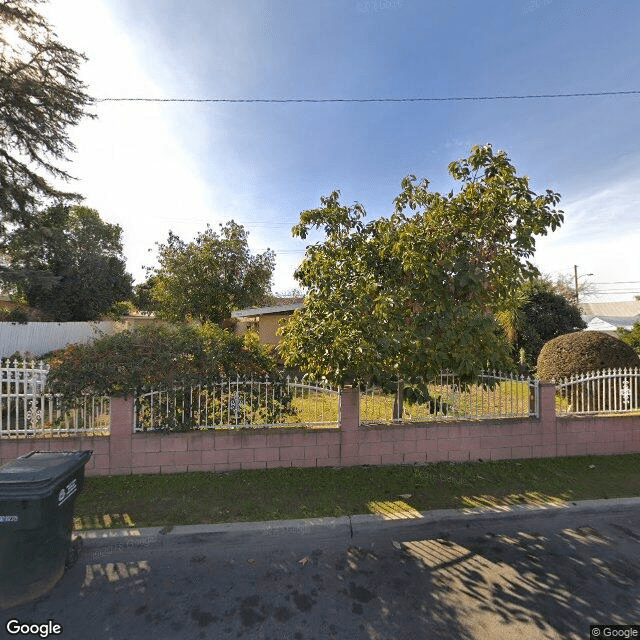
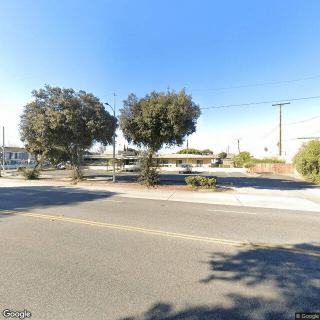
16110 Lear Ct, La Puente, CA 91744
To contact a resident: (626) 369-4048
For more information about senior living options: (866) 208-4318
Overall Review of Sacred Heart Home
Pros
 The staff treat residents like family, showing exceptional kindness and compassion.
- They are incredibly attentive to residents' physical and emotional needs, making them feel cared for and valued.
- The facility is impeccably clean, with healthy, home-cooked meals that are delicious.
- Communication with families is outstanding, keeping them informed and involved.
- Sacred Heart stands far above many other facilities.
- The caregivers provide compassionate, proactive, around-the-clock care.
- Rooms are clean and neat, with private rooms for each resident.
- Staff celebrate birthdays and holidays and involve families in celebrations.
- The home is beautiful, modern, and well-maintained.
- The meals are fresh, tasty, and prepared with love and nutrition in mind.
- The staff genuinely care about residents and consistently go above and beyond.
Review
Sacred Heart Senior Care in La Puente is best suited for families seeking a small, intimate, home-like setting where elderly residents receive extraordinarily attentive, compassionate care around the clock. This community works best for seniors who value privacy, dignified daily living, and a strong sense of family in care. It excels for residents facing dementia, those transitioning from hospital or hospice to a more permanent home, and anyone who wants consistent, hands-on attention from caregivers who treat each resident with warmth. The environment prioritizes clean, house-like comfort, home-cooked meals, and frequent, meaningful communication with families, creating a life that feels less institutional and more like a supported, respected household.
Those considering alternatives should note a few realities. For families whose loved one requires highly specialized medical oversight, intensive skilled nursing, or access to a broad campus of on-site therapists and physicians, a larger facility with a more formal medical program may be a better fit. Likewise, residents who crave a wide array of formal activities, expansive social programming, or dedicated memory-care departments with long-city resources might prefer a larger community. The intimacy that characterizes Sacred Heart is a strength, but it can be a trade-off when the expectation is a more hospital-like footprint or a broad, programmatic menu of services.
The strongest positives here act as offsetting forces against potential trade-offs. The caregiving team operates with a genuine, almost familial devotion that permeates daily life: staff are described as loving, patient, and consistently attentive to both physical and emotional needs. The facility itself earns admiration for pristine cleanliness and private rooms, which support dignity and privacy. Residents enjoy home-style meals that are not only nutritious but thoughtfully prepared, with attention to taste and comfort. Families regularly receive exceptional communication, ensuring they remain informed and involved. The ratio of caregivers to residents, several hands for a small number of residents, translates into timely responses, proactive monitoring, and a sense of security that can be hard to match in larger settings.
That said, the setup does carry implications for certain expectations. The very features that attract families, an intimate, home-like atmosphere, strong family involvement, and a high caregiver presence, mean that care is deeply personalized rather than standardized across a large staff. This can be ideal for dementia care, end-of-life support, and day-to-day nurturing, but it may be less suitable for families seeking a campus with broad clinical amenities, in-house rehabilitation services, or a wide spectrum of specialized programs. Prospective residents should be comfortable with a smaller scale operation and should plan for ongoing coordination with the care team, rather than assuming turnkey access to every possible therapeutic service on-site.
Practical next steps for evaluating Sacred Heart involve clarifying how care is delivered in routine and crisis moments. Prospective families should confirm the exact caregiver-to-resident ratio, the availability of private rooms, and the specific approaches to memory care and end-of-life planning. Inquire about how nutrition is tailored to individual needs, how meals are sourced and prepared, and how celebrations and daily social interactions are maintained to support mental well-being. Ask about communication rhythms with families, who reports, how often, and through what channels, and seek concrete examples of how the staff have collaborated with hospice or hospital teams when needed. The answers will reveal how much of the “home” experience translates into consistent clinical safety and continuity.
In the end, Sacred Heart Senior Care stands out as a compelling choice for families who prize a heart-led, intimate atmosphere where dignity, cleanliness, and personalized attention are non-negotiable. It shines in delivering compassionate care that honors independence and family connection, particularly for residents with dementia or those nearing life’s end where quality of life hinges on presence, warmth, and skilled, attentive hands. For families whose loved ones require a larger medical footprint, more extensive on-site therapies, or a more expansive social calendar, it makes sense to explore alternatives. Yet for those who want a true, home-centered sense of belonging that treats residents like family and invites families into the caregiving circle, Sacred Heart is hard to beat.
 Board and Care Home
 Ontario International (19 miles away)

 Understanding the Full Cost of 24/7 In-Home Care: A Detailed Overview
 Exploring the World of Home Health Nurses: Qualifications, Roles, and Hiring Tips
 Navigating Medicare Coverage for In-Home Care Services