
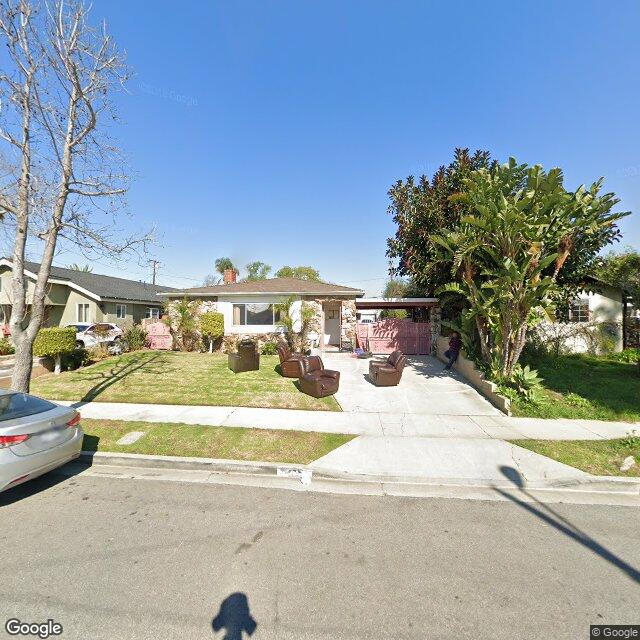
139 W Ellis Ave, Inglewood, CA 90302
To contact a resident: (310) 419-5829
For more information about senior living options: (866) 208-4318
PLD Family Home Care Costs & Pricing
At PLD Family Home Care, the costs reflect a commitment to quality care and personalized attention tailored to the unique needs of residents. For a semi-private room, the monthly cost is $4,500, which surpasses the average rates in Los Angeles County at $3,349 and across California at $3,333. Similarly, for a private room, residents can expect a monthly fee of $5,000 - again higher than the county's average of $4,197 and the state's average of $3,939. While these costs may be higher than some alternatives in the region, they encompass not only comfortable accommodations but also comprehensive care services designed to ensure both safety and well-being for individuals in our community.
| Floor plans | PLD Family Home Care | Los Angeles County | California |
|---|---|---|---|
| Semi-Private | $4,500 | $3,349 | $3,333 |
| Private | $5,000 | $4,197 | $3,939 |
Assisted Living communities with a similar price nearby
-
from -$500 / mo
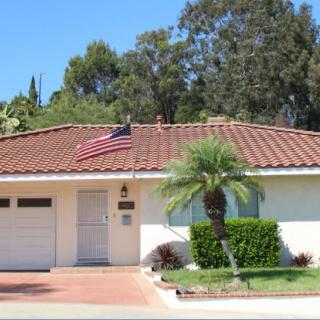
Palomino Residential Care
$4,000 to $6,000 / month13.6 miles away -
About the same
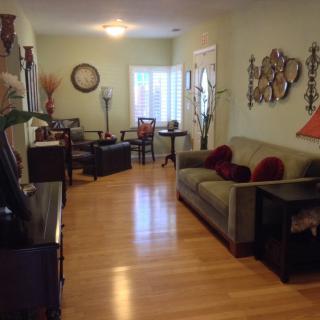
Ardenville Home Care I
$4,500 / month16.2 miles away -
from +$500 / mo
Just Like Home
$5,000 / month13.6 miles away -
from -$700 / mo
Sunshine Home Care
$3,800 / month23.6 miles away -
from +$500 / mo
A Caring Touch Board and Care
$5,000 / month22.9 miles away
Overall Review of PLD Family Home Care
Pros
 The staff are extremely patient and kind, even during very stressful moments.
- The reviewer is glad that the mother is there.
- The mother has settled in very well.
- The reviewer feels comfortable with the mother being there.
Review
PLD Family Home Care in Inglewood is best suited for families seeking a small, home-like care setting where staff deliver patient, compassionate attention and where a senior can settle in without a long or disruptive transition. The available accounts emphasize a caregiving approach that remains steady even under pressure, signaling a culture of calm, kindness, and reliability. This is especially valuable for elders whose families are frequently away, such as long-haul caregivers, and who need reassurance that daily care continues smoothly in the caregiver’s absence. The environment’s emphasis on the elder settling in comfortably speaks to decision-makers who prioritize emotional safety and continuity of care over institutional scale or flashy programming.
However, this landscape isn’t for everyone. Families requiring intensive medical oversight, complex skilled nursing, or a robust, campus-wide activity calendar may want to consider alternatives. The shared observations do not detail on-site nursing coverage, memory-care specialization, or the breadth of daily programming. For elders with advanced medical needs or those who prefer a larger, more structured setting with formal care tracks, a traditional assisted-living community with 24/7 nursing and dedicated memory-care options could be more appropriate. In short, the fit hinges on care intensity and the priority placed on professional medical support versus a home-like, intimate environment.
The standout plus is the staff’s demonstrated patience and kindness. Descriptions of caregivers maintaining courtesy and steadiness during stressful moments translate into lower anxiety for both elder and family. The fact that the elder has settled in and the family feels comfortable endorses the core value of trust in daily care. For families who travel or have extended periods away, this stability matters: knowing that a trusted team is guiding daily routines can be the difference between ongoing peace of mind and persistent concern. The emotional security net here appears to be the most compelling evidence of value.
These strengths offset typical questions that accompany smaller, home-based care: concerns about consistency, availability, and crisis response. While the narrative highlights warmth and a settled placement, it does not spell out the level of medical supervision or care management available. The absence of specifics about staffing ratios, on-call nursing, or emergency procedures means prospective residents should verify these details. Nevertheless, the intimate setting and the demonstrated patience of staff create a strong counterweight to those questions, especially for elders who thrive on individualized attention and a predictable routine. In this sense, the positives are not merely favorable traits; they actively mitigate the most likely anxieties for families relying on a smaller provider.
Before commitment, concrete disclosures matter: licensing and inspections, staff qualifications, availability of licensed nurses, and how emergencies are handled after hours. Clarify daily routines, meal options, assistance with activities of daily living, medication management practices, and safety features such as grab bars and fall prevention. Understand costs, what is included in the rate, and any add-ons. Request a trial period or a scheduled visit to observe interactions during routine care moments, not just during tours. Seek references from other families with similar circumstances, particularly those who travel or rely on caregivers away from home. These steps transform a promising impression into a verifiable fit.
Bottom line: for families prioritizing a warm, patient, home-like setting where a caregiver’s absence elsewhere is not a disruption to daily care, PLD Family Home Care presents a reassuring option. It shines when emotional security and staff reliability are the top criteria, and when the elder benefits from a settled, comfortable routine. If medical complexity or a large slate of structured activities is essential, alternatives with stronger nursing coverage and specialized programming should be pursued. The next move should be a candid conversation with the provider about care levels, followed by an in-person evaluation to confirm that the intimate setting aligns with the elder’s needs and the family’s peace of mind.
 6 resident community capacity
 Assisted Living
 Board and Care Home
 Activities off-site
 Cable or satellite TV
 Dining room
 Fully furnished
 Garden
 Housekeeping services
 Move-in coordination
 Outdoor space
 Private
 Respite or short term stays offered
 Telephone
 Wheelchair accessible showers
 Wi-Fi/high-speed internet available
 Los Angeles International (4 miles away)
 24-hour supervision
 Assistance with bathing
 Assistance with dressing
 Assistance with transfers
 Diabetes diet
 High acuity care
 Meal preparation and service
 Medication management
 Special dietary restrictions
 Transportation arrangement (medical)
 Transportation to doctors appointments



 Social Security Benefits and Assisted Living: Navigating Options Across the U.S.
 An Extensive Exploration of the VA Aid and Attendance Benefit
 Senior Transition Services: Understanding Their Role, Cost, and Importance