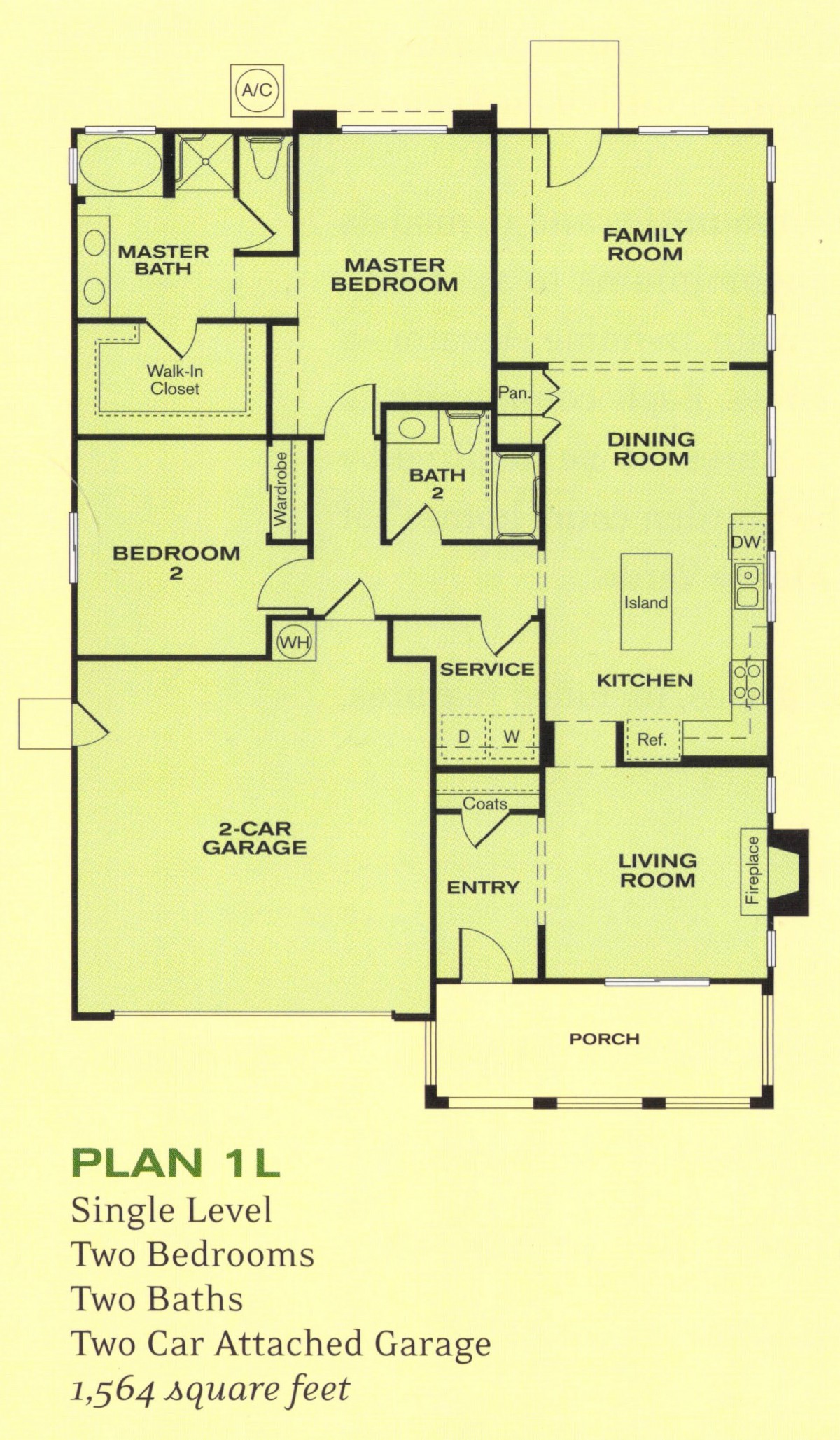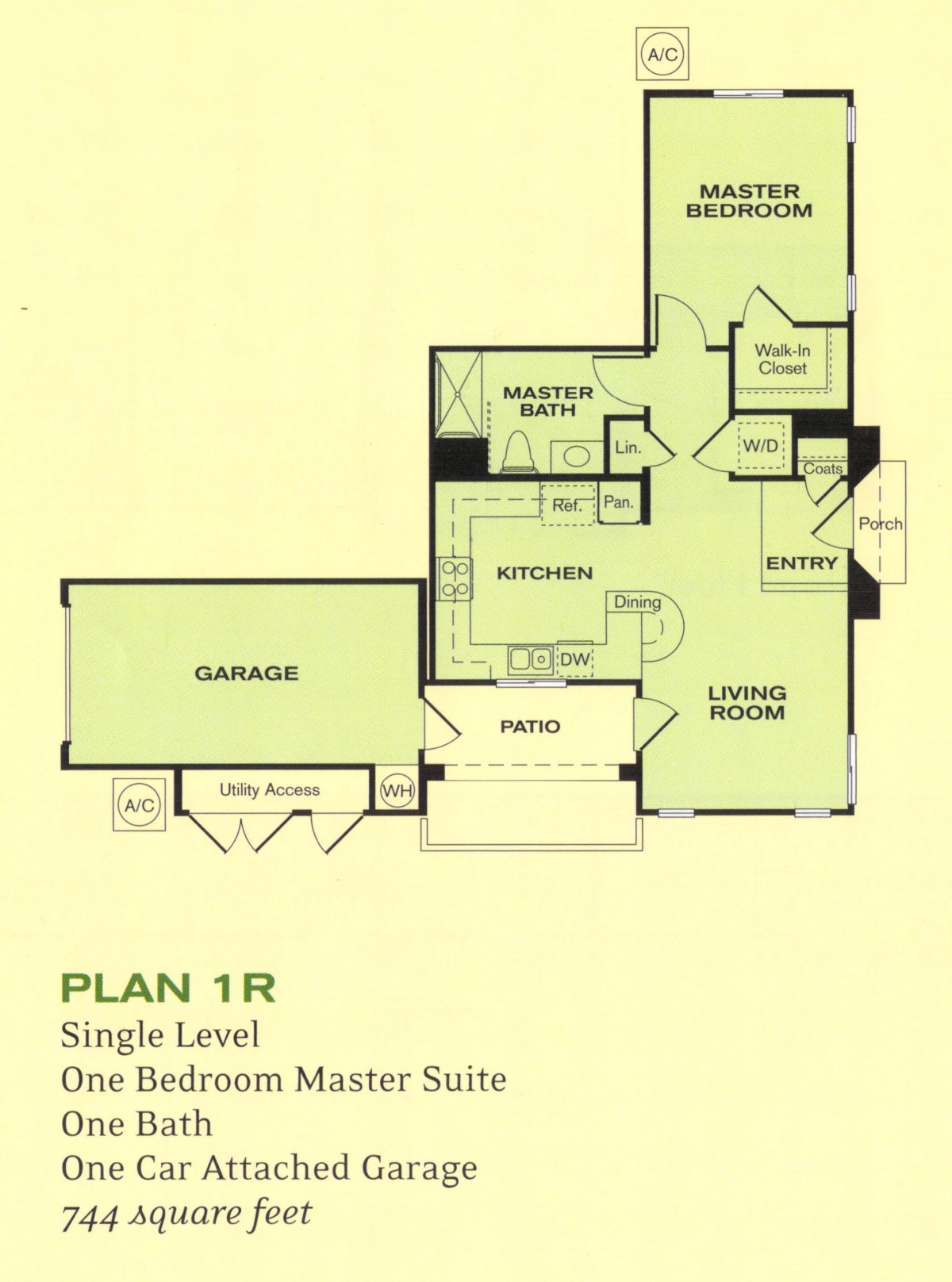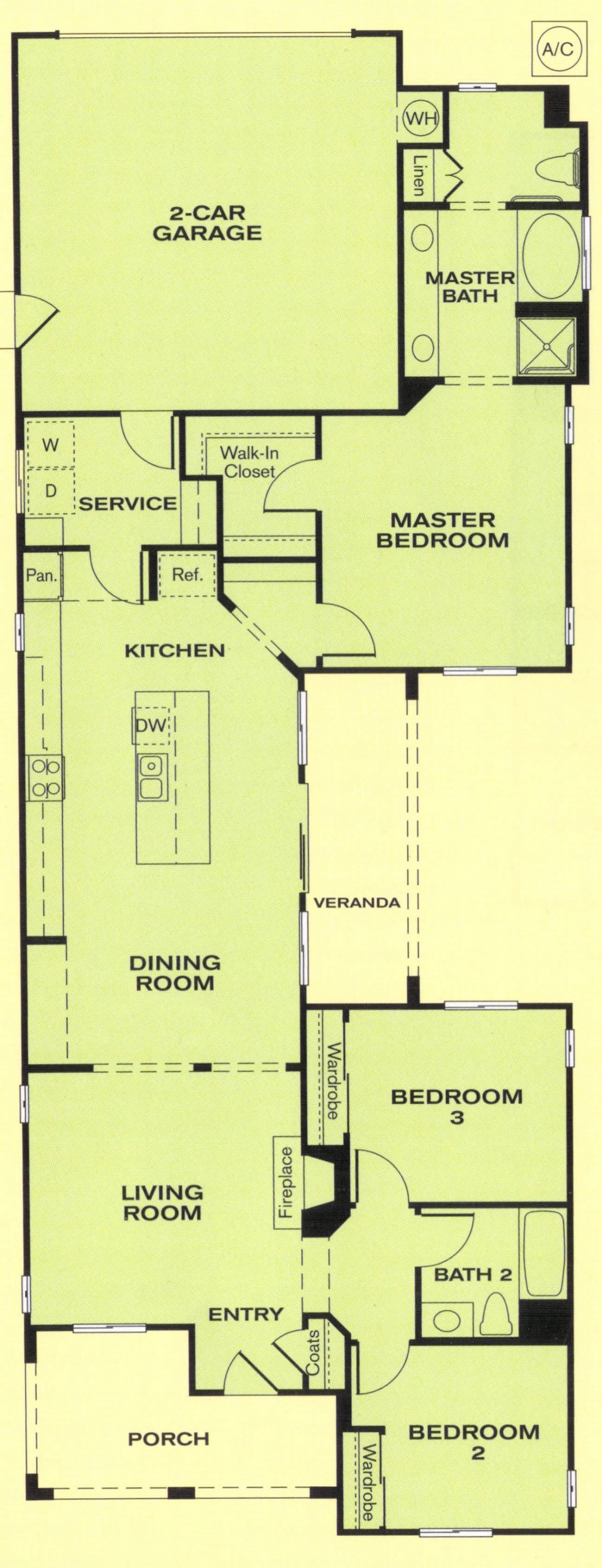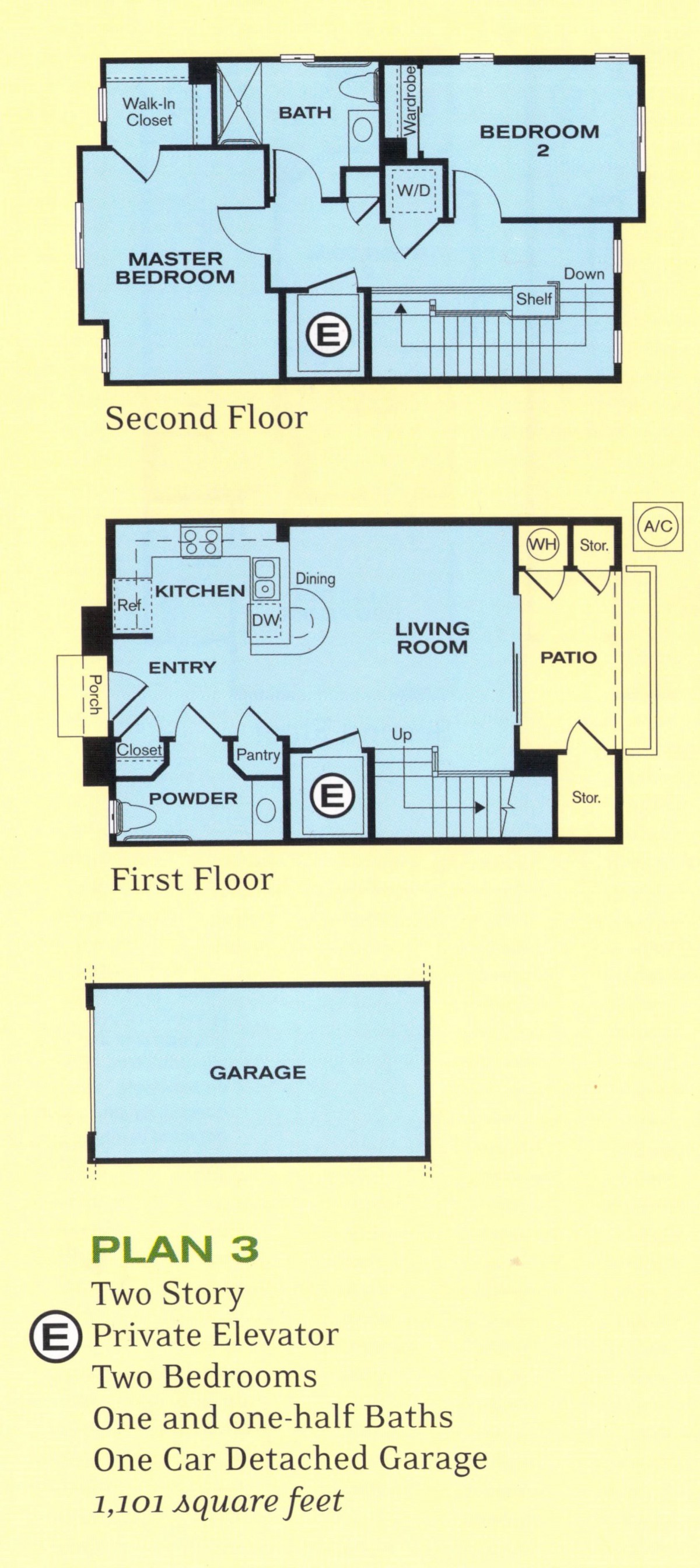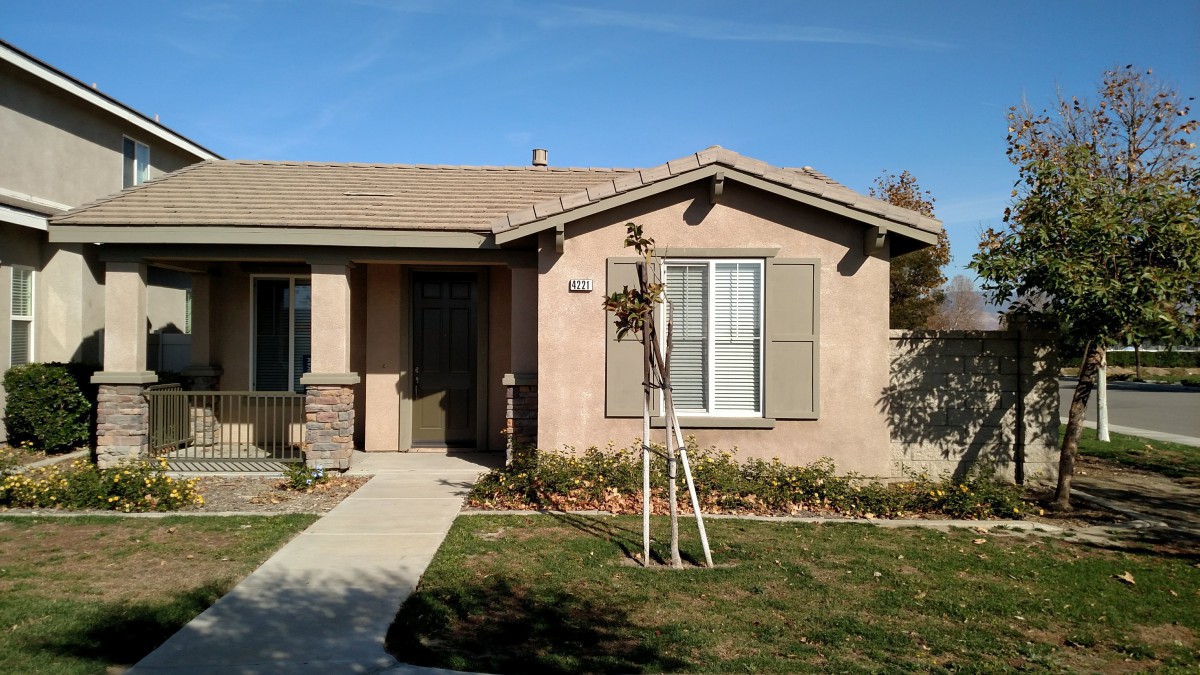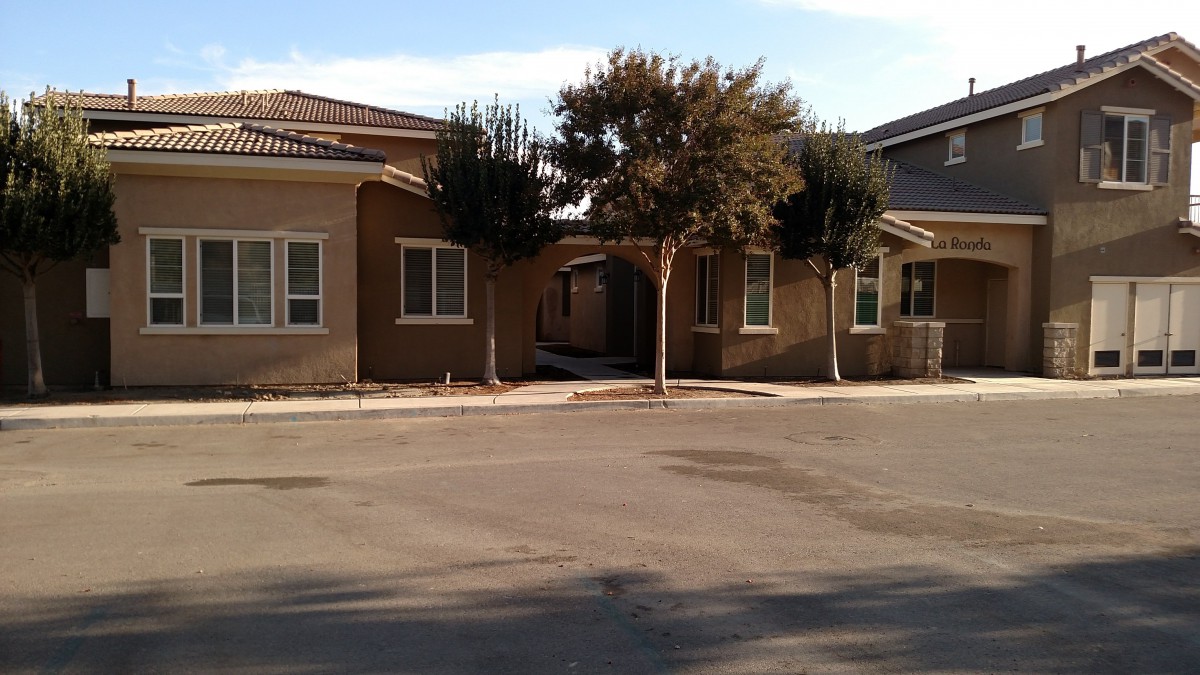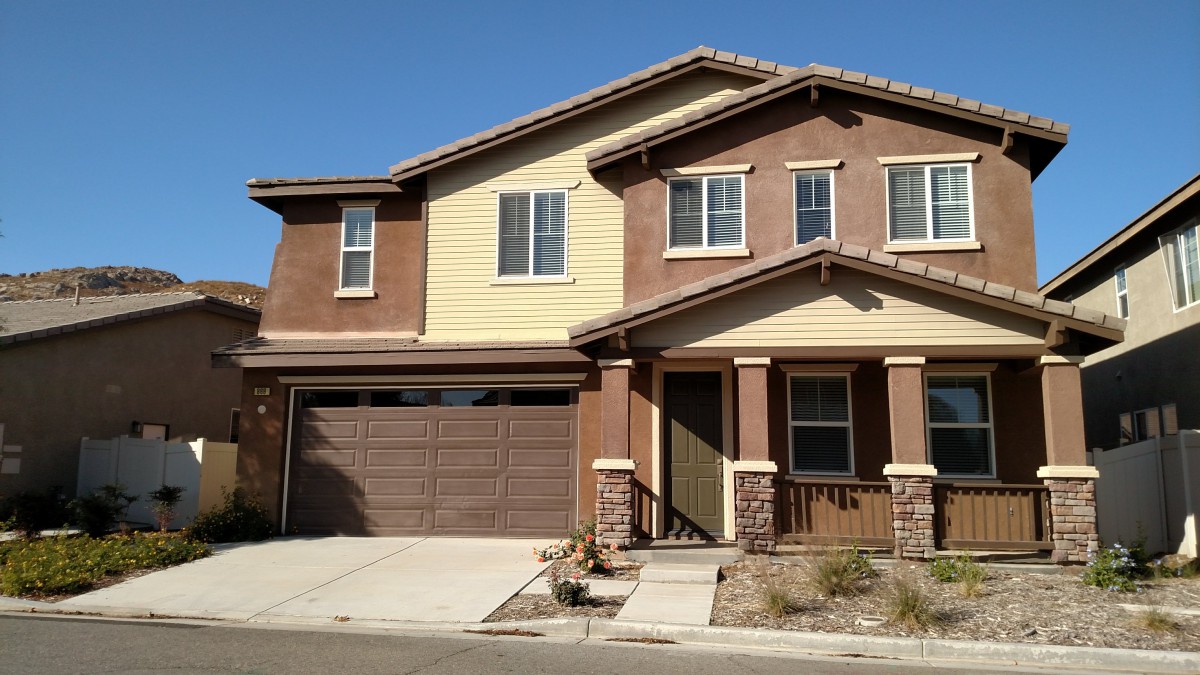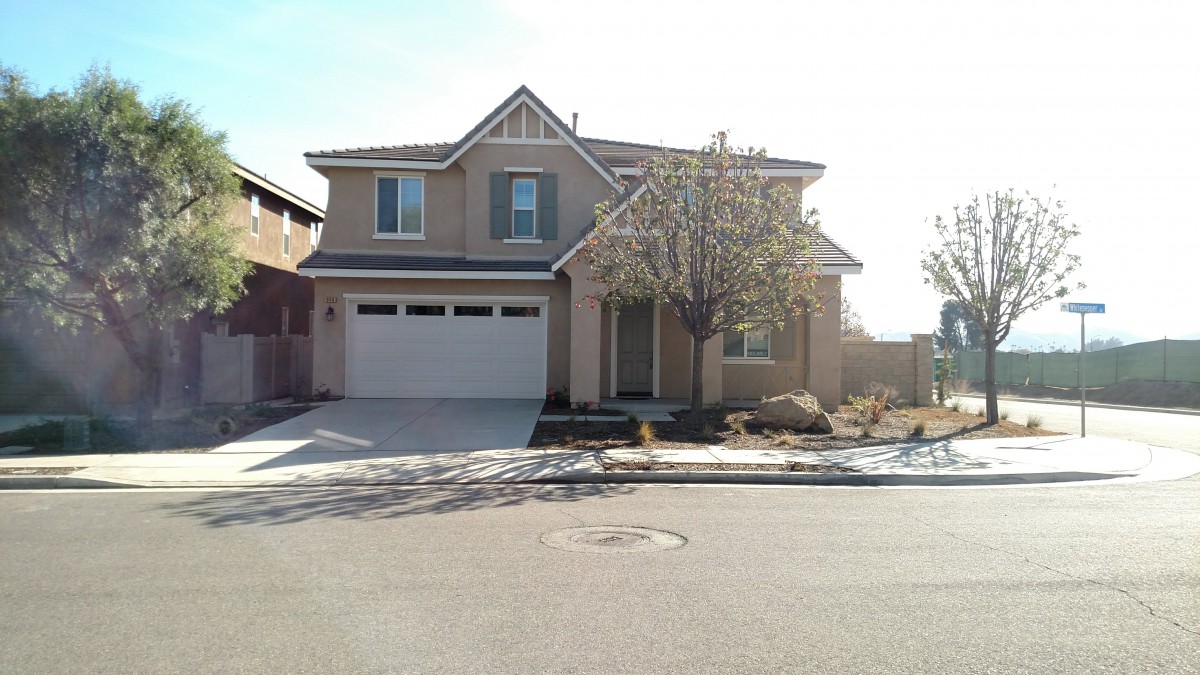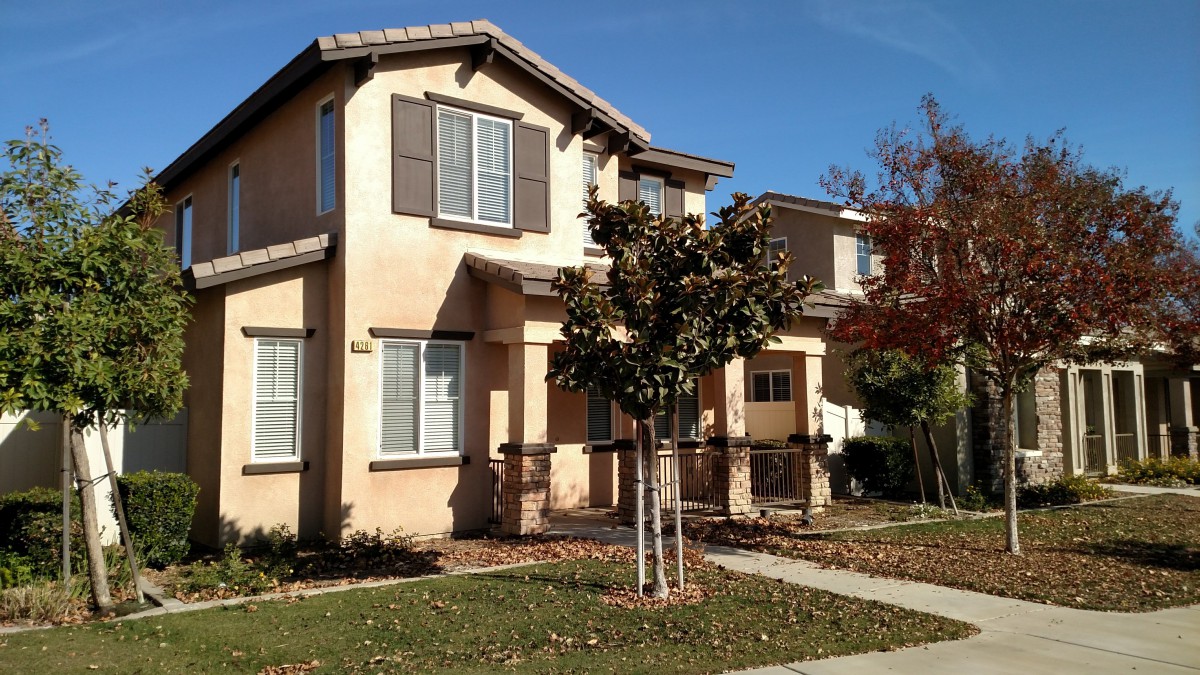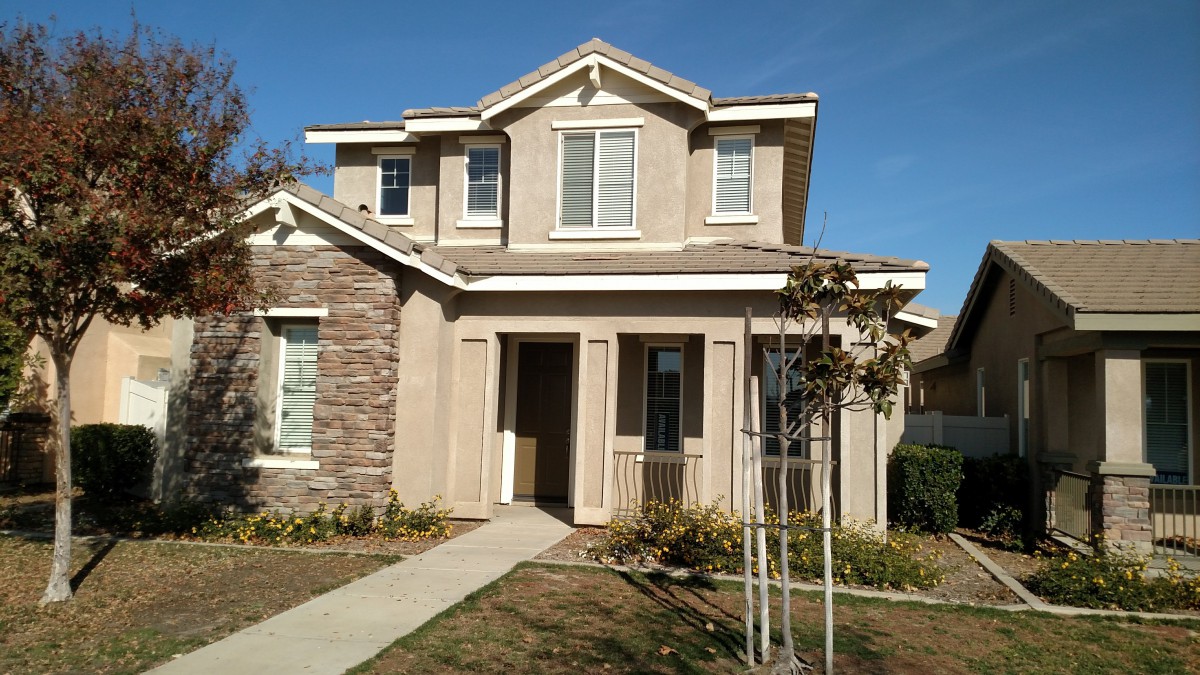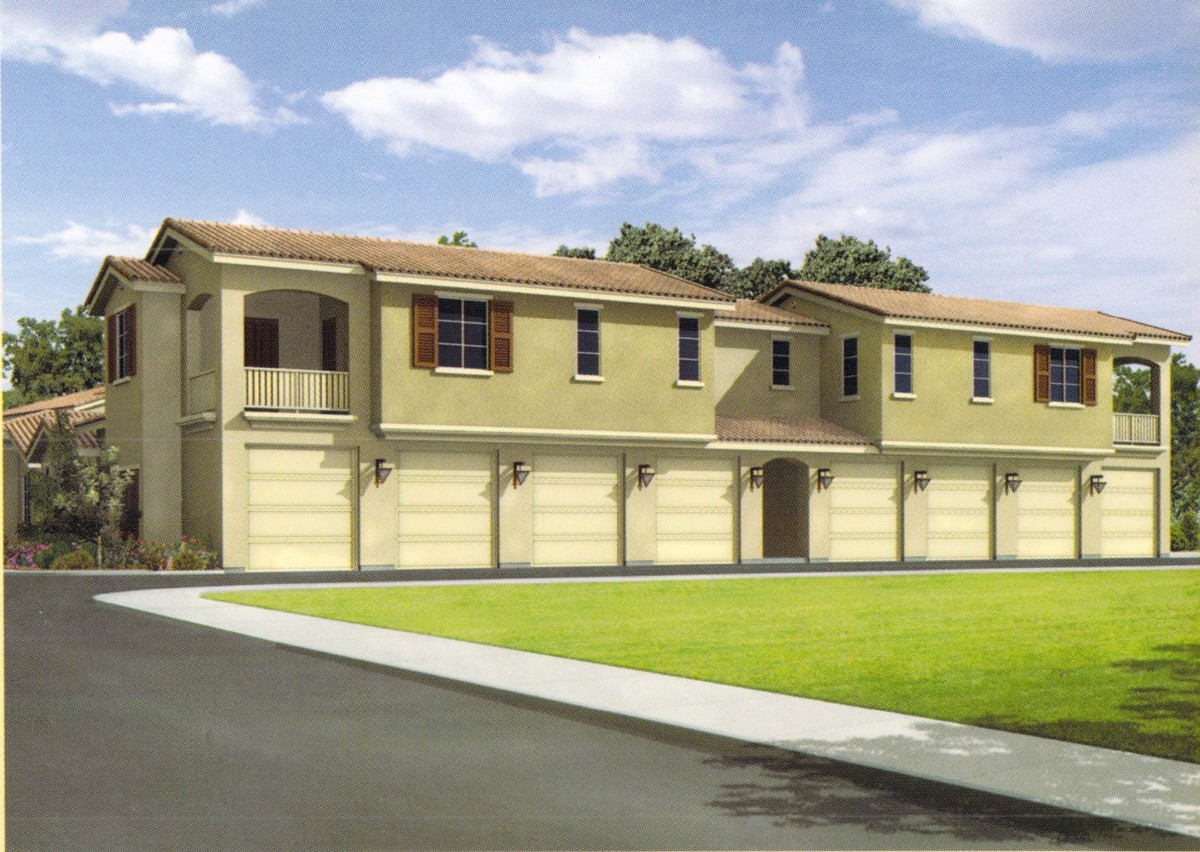

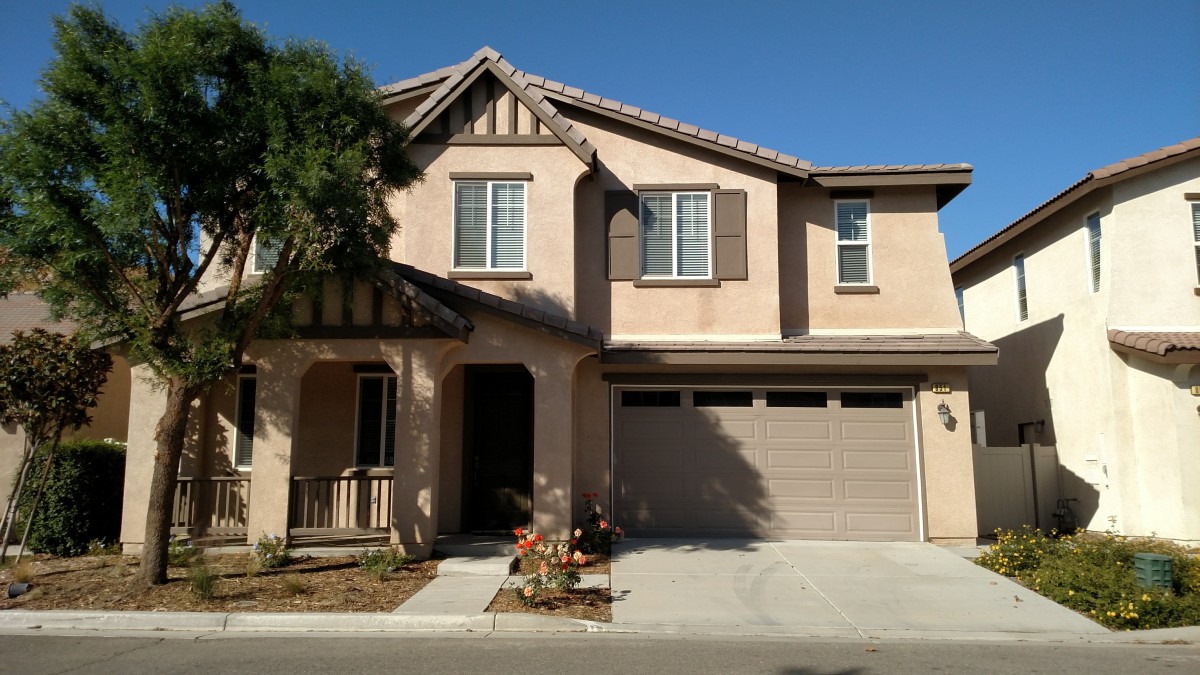
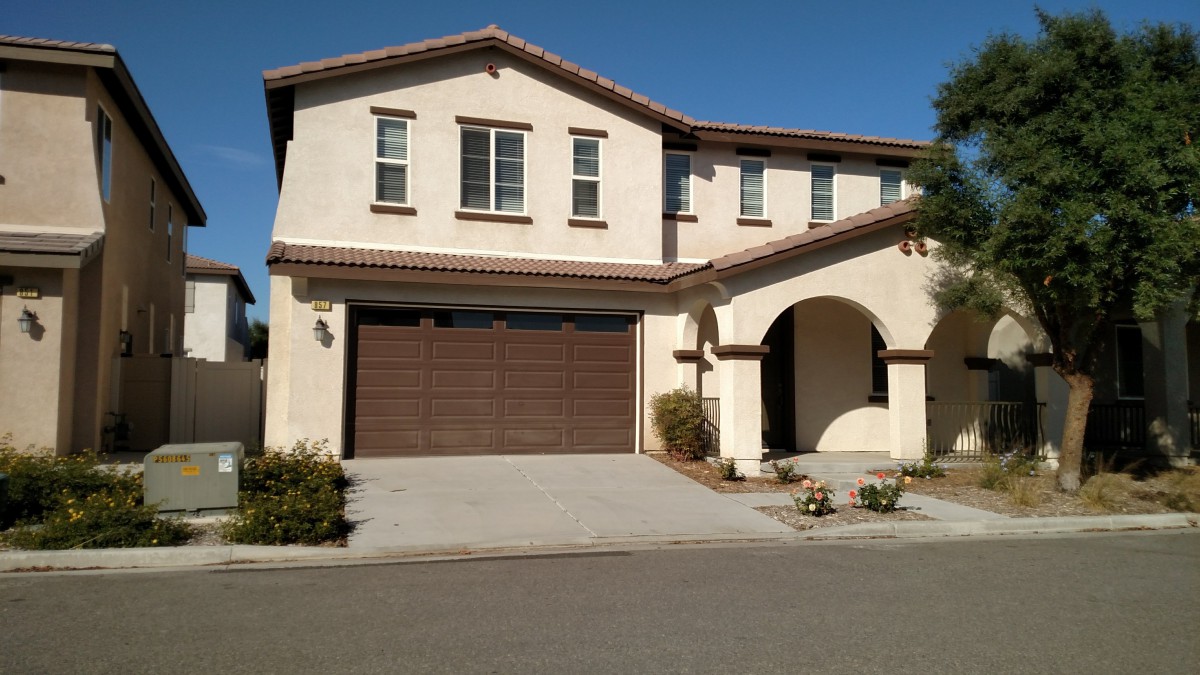
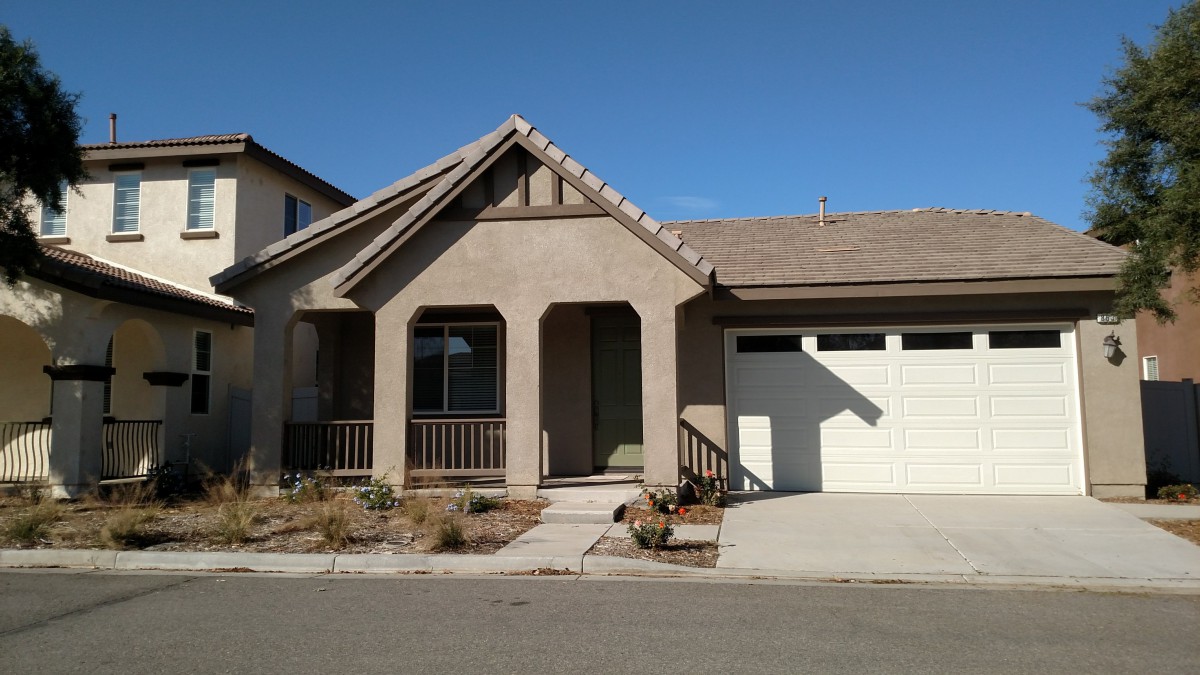

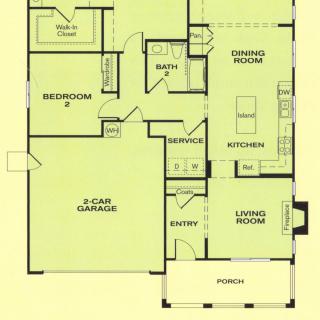

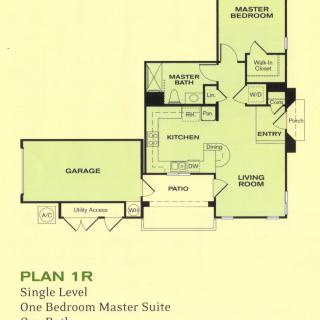
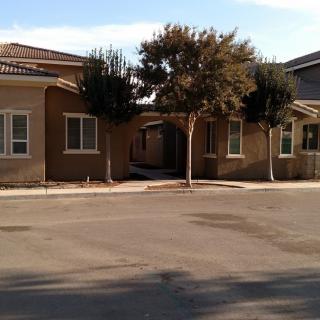
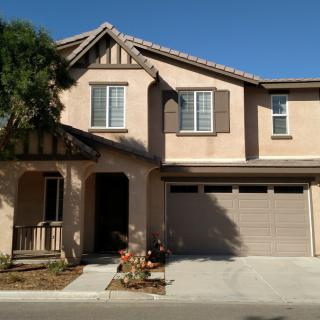
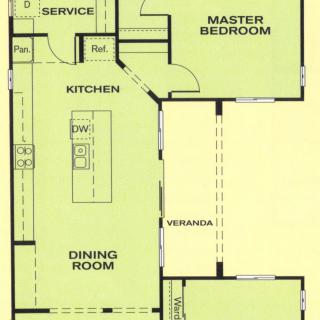
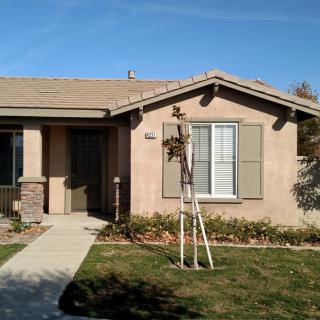
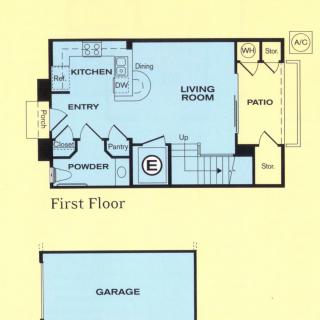
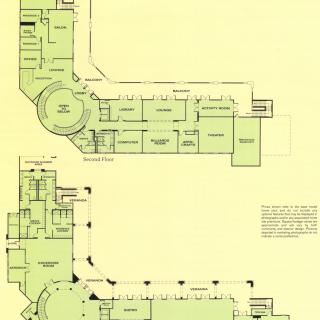


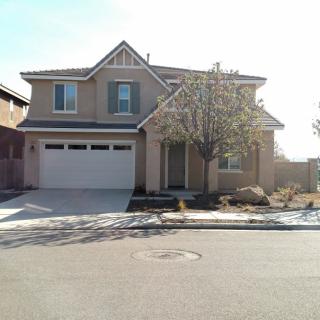
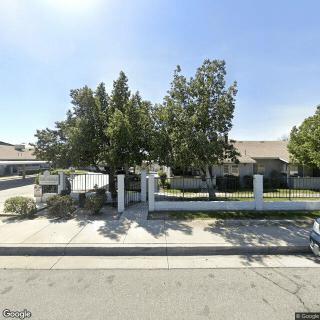
715 Rose Rd, Hemet, CA 92545
To contact a resident: (951) 654-7200
For more information about senior living options: (866) 208-4318
Peppertree Costs & Pricing
At Peppertree, the monthly rental costs are notably competitive compared to both Riverside County and broader California market rates. A one-bedroom unit is priced at $875, significantly lower than the county average of $3,611 and the state average of $4,340. Similarly, the two-bedroom option at Peppertree is offered at $1,150, which again stands in stark contrast to Riverside County's average of $3,614 and California's average of $5,270. These figures highlight Peppertree as an attractive housing choice for those seeking affordability without compromising on quality in a challenging rental landscape.
| Floor plans | Peppertree | Riverside County | California |
|---|---|---|---|
| 1 Bedroom | $875 | $3,611 | $4,340 |
| 2 Bedrooms | $1,150 | $3,614 | $5,270 |
Senior living communities with a similar price nearby
-
About the same

FountainGlen at Temecula
$875 to $1,030 / month16.8 miles away -
About the same

Vista Montana Senior Living
$850 to $1,850 / month3.6 miles away -
from -$30 / mo
Loma Linda Springs
$845 to $905 / month24.9 miles away -
from -$125 / mo
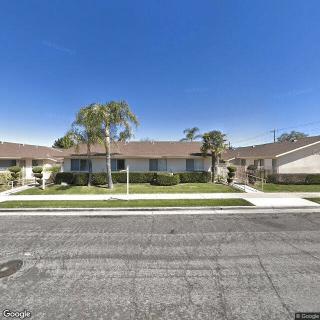
Catalina Garden West Senior Apartments
$750 / month1.5 miles away -
from -$125 / mo
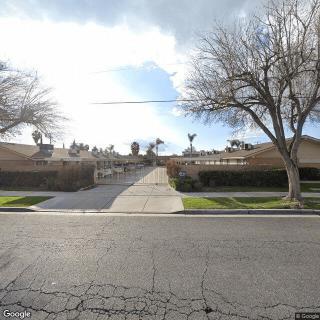
Catalina Garden Senior Apartments
$750 to $875 / month3.3 miles away
Overall Review of Peppertree
Pros
 The place is wonderful and the view is great.
- The employee was very professional.
- The senior adviser is appreciated.
Cons
 The reviewer felt threatened by an elderly man in a golf cart who called the cops and falsely claimed the reviewer owned a gun.
- The reviewer was frustrated by the lack of a phone number or website to file a report.
- The reviewer criticized a business employee for accusing them of carrying a gun without even approaching to explain, casting doubt on the employee’s professionalism.
- The reviewer noted that the apartments were not built yet and unavailable, and that they were out of their price range, preventing a tour.
Review
Peppertree in Hemet is best suited for seniors who prize a scenic setting and can tolerate a staged, gradual entry. The core appeal rests with the views and a sense of quiet that can support day-to-day wellbeing for residents who are not in a rush to move in. The property is still finishing up units, and tours are not guaranteed to be available immediately, which means families must plan with a longer horizon and anticipate price considerations that may require careful budgeting. For those who value a responsive, individualized touch from staff, there is at least one positive signal in the record, a resident report praising a senior adviser, suggesting that a small, well-trained team can deliver dependable assistance when operations are orderly. This is not a community built for rapid onboarding, but it can fit the right buyer.
Those needing immediate occupancy, transparent pricing up front, and a consistently professional front-line team should seriously weigh alternatives. The tone in reviews suggests risk of abrupt interactions and potential miscommunications that escalate quickly, including complaints about staff behavior and how concerns are addressed. If the family cannot absorb construction-related delays, incomplete amenities, or the absence of a straightforward way to report problems, Peppertree is unlikely to meet expectations. In short, Peppertree should be a secondary option for households that can weather uncertainty and rely on personal rapport to bridge gaps, rather than the primary choice for risk-averse or time-constrained plans.
On the upside, the setting and a personal touch from some staff can offer real-day-to-day comfort. The view can lift mood and make common areas feel more inviting, a meaningful advantage in long-term care where environment matters. The existence of a senior adviser who is credited with a positive interaction hints at the possibility of a supportive interface, which can ease navigation for new residents and families. However, the most jarring con is a troubling report of staff behavior that culminated in police involvement, paired with a complaint that no clear reporting channel exists. Add to that the fact that apartment buildings are not yet present and the move-in timeline remains contingent on construction progress and pricing, and the practical risk profile shifts downward quickly. The pros do not fully offset the risk of governance gaps and unreliability.
Families evaluating Peppertree should insist on concrete, current information: exact move-in dates for completed units, the timeline for remaining constructions, and an explanation of the pricing model, what is included, and how increases are calculated. Obtain direct contact details for administration and the designated ombudsperson or complaint channel; request a written policy on incident reporting and staff conduct, plus references from current residents. Schedule in-person tours of any finished floor plans, and ask to meet several members of the caregiving team to test responsiveness. Finally, verify licensing, inspection history, and any known safety or accessibility issues, so the decision rests on verifiable standards rather than hopeful impressions.
Peppertree may align with families that prioritize atmosphere and are comfortable with a staged product, provided they can tolerate potential friction with staff and a non-fully-featured resident floor plan. It is less suitable for households that demand immediate, fully built units, consistent professional conduct, and transparent, easily navigable governance. For those seeking steadier reassurance, it makes sense to compare with nearby options that offer immediate occupancy, clearer reporting channels, and demonstrated staff accountability.
In practice, Peppertree is a conditional consideration rather than a clear recommendation. It can deliver value to the right buyer, one who loves the setting, can manage timing around construction, and accepts a degree of operational fragility in exchange for a potentially personalized care touch. For families with urgent needs, or for those who cannot tolerate inconsistent behavior or opaque communication, the prudent move is to pursue alternatives with more reliable, transparent processes. Thorough due diligence is essential before committing, including corroborated timelines, a solid complaint mechanism, and a plan that ensures respectful treatment and timely, reliable move-in.
 Active Adult Communities (55+)
 Activities off-site
 Air-conditioning
 Bath tubs
 Cable or satellite TV
 Devotional services off-site
 Fireplaces
 Full kitchen
 Ground floor units
 Handicap accessible
 Indoor common areas
 Outdoor common areas
 Swimming pool / hot tub
 Wi-Fi/high-speed internet available
 Ambulatory care
 Diabetic care
 Happy hour
 Holiday parties



 Understanding the Nuances of Palliative Care and Hospice: A Comprehensive Exploration
 Fecal Incontinence in Older Adults: A Comprehensive Guide
 Recognizing the Journey: Understanding and Navigating Anticipatory Grief