

42127 Mayberry Ave, Hemet, CA 92544
To contact a resident: (951) 927-1969
For more information about senior living options: (866) 208-4318
Mayberry Home Care Costs & Pricing
At Mayberry Home Care, the cost for a private room is set at an accessible $1,500 per month, significantly lower than the average rates in Riverside County and across California. In Riverside County, the monthly cost for similar accommodations reaches approximately $3,474, while state-wide averages soar to around $3,939. This pricing structure highlights Mayberry Home Care's commitment to providing quality care without compromising affordability, making it an attractive option for individuals seeking personalized support in a comfortable environment.
| Floor plans | Mayberry Home Care | Riverside County | California |
|---|---|---|---|
| Private | $1,500 | $3,474 | $3,939 |
Senior living communities with a similar price nearby
-
from -$200 / mo

Gem's Senior Living I
$1,300 to $2,500 / month16.7 miles away -
About the same
Good Samaritan Elderly Home I
$1,500 / month23.7 miles away -
from -$250 / mo

Vista Montana Senior Living, Inc.
$1,250 to $1,850 / month1.8 miles away -
About the same

Diamond Crest Home Care
$1,500 to $2,500 / month2.2 miles away -
from +$100 / mo

Rose Garden Family Care, LLC
$1,600 to $2,500 / month3.8 miles away
Overall Review of Mayberry Home Care
Cons
 The reviewer describes the company as very incompetent and unprofessional.
- They say the staff answer the phone as if they don’t understand what is being asked, from the receptionist to the coordinator.
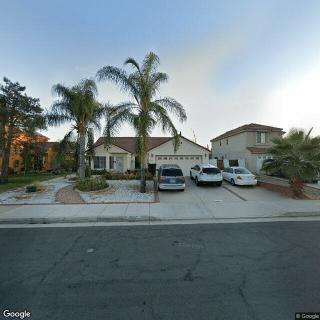
- They claim the image on the Google listing reflects how their service is.
- They call it the worst service they have ever seen and advise not to work for this agency.
- They say the agency sends a bunch of people who are supposedly therapists but aren’t.
- They warn to be careful who is sent to your home and not to trust them or who you spoke to.
- The reviewer from the second note says this isn’t even a legitimate business.
- They describe people outside talking loudly on the phone, not business-related, and very inappropriate.
- They state they’ve never seen any legitimate business come through, only abnormally rude and loud individuals.
Review
Mayberry Home Care in Hemet, California is best suited for families operating on a tight budget who accept a high degree of staffing fluctuation and accountability risk. The limited feedback available paints a picture of an option that can provide in-home presence without the monetary burden of more regulated agencies, but with a steep price in reliability and trust. For households that can navigate shifting caregivers, sporadic scheduling, and a communication process that often feels reactive rather than proactive, Mayberry may fill a temporary gap. The practical value lies in having someone available to come to the home and provide basic therapy-adjacent support without committing to a more structured, credentialed program. Still, this niche offer comes with a caveat: reliability, professionalism, and business transparency are not demonstrated as strengths in the current signals.
Families should explicitly consider alternatives if dependable, professional care lies at the top of the priority list. This option is particularly problematic for those who require consistent caregiver matching, predictable visit times, and ongoing oversight. Individuals who insist on clear, courteous communication from every touchpoint, reception, coordinator, and caregiver, will likely encounter frustration. Those who need verifiable credentialing, certified staff, and robust supervision should look elsewhere. Additionally, any household with serious concerns about business legitimacy or transparency should treat Mayberry as a red flag and prioritize agencies with verifiable licensing, documented caregiver qualifications, and straightforward, trustworthy practices. In short, the best-fit profile excludes those seeking durable trust, accountability, and a proven track record.
From a decision-support perspective, the perceived pros of Mayberry, namely in-home access to caregivers and the potential to arrange flexible, at-home support, do not sufficiently offset the dominant cons. The reviews hint at a service model where staff may be inconsistent, and where the process of assigning and supervising therapists feels weak. The practical implications are serious: clients risk receiving care from caregivers who may not be properly vetted, and communication gaps can lead to missed updates or unclear care plans. Even when some staff are described as capable on paper, the overall experience appears marred by miscommunication and a lack of reliable oversight. The result is a pattern where the anticipated benefits of home-based therapy and support are undercut by a fragile front-end experience and at-home execution that cannot be trusted to stay consistent.
The core drawbacks are concrete and consequential. Incompetence and unprofessional conduct are recurring threads: frontline staff who appear unable to answer basic questions, a receptionist or coordinator who seems unable to interpret requests, and a general operating culture that feels disordered. The optics and behavior outside the home raise additional concerns: loud, inappropriate conversations in public spaces and outward signs of a business that may not be operating with legitimate standards. Taken together, these elements threaten both safety and dignity for seniors who rely on timely, respectful, and competent care. The fear is not just about one bad interaction but about systemic inconsistency that makes reliable planning nearly impossible.
For families weighing options, a disciplined due-diligence approach is essential. Demand a clear caregiver assignment process with a guaranteed primary caregiver, or at minimum a reliable schedule and a supervised back-up plan. Insist on a written care plan, explicit escalation procedures, and regular supervisory check-ins. Verify licensure or certification relevant to home care in California, and request direct references from current clients with contact possibilities. Check the agency’s transparency with contact information, business hours, and a straightforward billing structure. It is prudent to visit the office if possible, observe how staff interact with each other and with clients, and assess whether the branding and image align with actual practice. A cautionary signal appears in the Google listing image and public-facing cues, which should prompt heightened scrutiny before committing.
In the final assessment, Mayberry Home Care is not best suited for families seeking dependable, professional in-home care with predictable outcomes. The reviews suggest a service that struggles with communication, consistency, and legitimacy, factors that directly influence safety and daily quality of life for seniors. This option could be considered only after exhaustive exploration of stronger providers, and only with explicit safeguards: solid caregiver assignments, robust supervision, transparent operations, and a clear, testable improvement plan. If such safeguards cannot be secured, the prudent choice is to continue the search for a home care partner with a proven track record, strong references, licensed oversight, and a demonstrated commitment to consistent, respectful, and capable in-home care.
 Board and Care Home
 Private
 Palm Springs International (25 miles away)
 Fully furnished units with comprehensive care, meals, and activities.







 A Closer Look at Private Pay Home Care
 Comprehensive Approaches for Arthritis: A Detailed Guide to Symptoms, Causes, and Care
 Comprehensive Insights and Practical Strategies to Help Older Adults Avoid Falls