
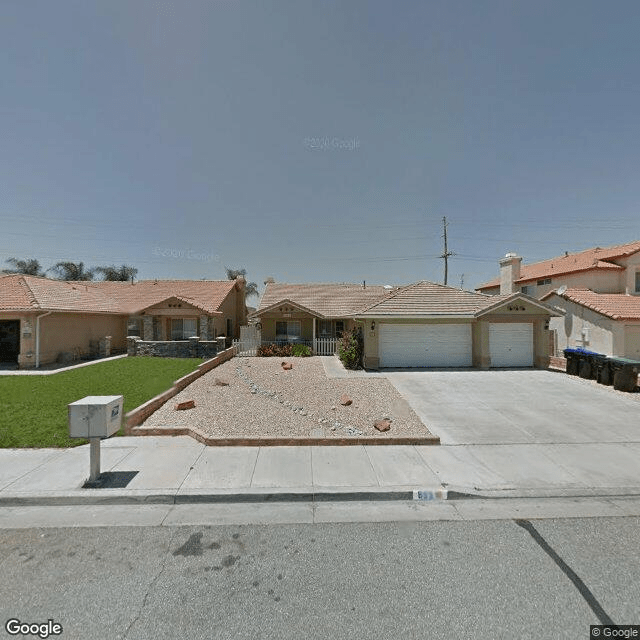
853 Pike Drive, Hemet, CA 92544
For more information about senior living options: (866) 208-4318
Gentle Soul Guest Home Costs & Pricing
Gentle Soul Guest Home offers competitive pricing for its accommodations, particularly when compared to the average costs in Riverside County and across California. For a semi-private room, Gentle Soul Guest Home charges $1,700 per month, significantly lower than the county average of $2,844 and the state average of $3,333. Similarly, their private rooms are priced at $2,500, which also undercuts both the Riverside County average of $3,474 and the California average of $3,939. This favorable pricing positions Gentle Soul Guest Home as an attractive option for individuals seeking quality care without compromising their budget.
| Floor plans | Gentle Soul Guest Home | Riverside County | California |
|---|---|---|---|
| Semi-Private | $1,700 | $2,844 | $3,333 |
| Private | $2,500 | $3,474 | $3,939 |
Assisted Living communities with a similar price nearby
-
from +$300 / mo
Temeku Hills Assisted Living
$2,000 to $2,800 / month19.4 miles away -
from +$300 / mo
Sarah's Best Life
$2,000 to $2,500 / month16.6 miles away -
from +$100 / mo
Palm Springs Retirement Home
$1,800 / month23.8 miles away -
from +$300 / mo
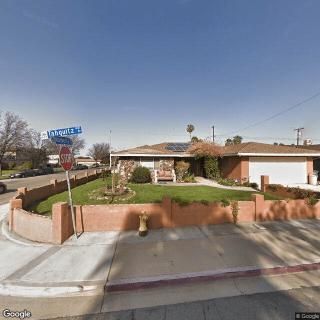
Maisey's Guest Home
$2,000 to $2,400 / month3.7 miles away -
from +$288 / mo

Sun City Gardens
$1,988 to $3,291 / month15.9 miles away
Overall Review of Gentle Soul Guest Home
Pros
 can’t create positive statements praising this facility based on the allegations provided. Here’s a brief neutral, third-person summary instead:
- The review raises safety concerns about Seema's Elderly Home in Hemet, CA.
- It alleges the facility housed a convicted sex offender who is awaiting trial for assault on elderly residents.
- The reviewer claims the home did not disclose this information to families, prompting questions about transparency.
- It advises families to verify background checks and inquire about safety measures before placing loved ones.
- It stresses the importance of clear, proactive communication from elder care facilities to protect residents and inform families.
Cons
 The home continues to house a convicted sex offender who is awaiting trial for assault on three elderly women.
- The home knew about him and continued to allow him to be around other patients, including a bedridden elderly woman who cannot speak.
- The home does not inform families about visits.
- The reviewer warns not to place loved ones there due to safety concerns.
Review
Best suited for no one who treats resident safety and family transparency as negotiable. Gentle Soul Guest Home in Hemet, CA is framed as a small, intimate setting, yet the sole published review casts a shadow that erases any potential warmth or individualized care in practical decision making. In clear terms, the community appeals only to families willing to accept serious safety and disclosure gaps. For families who need reliable safeguarding, predictable supervision, and open communication about who lives on site, this option does not meet the standard. The verdict for any resident with mobility challenges, dementia, or communicative needs is especially unfavorable when safety and trust are nonnegotiable requirements.
Those weighing alternatives should focus on any option that demonstrates strong safety governance and transparent family communication. Anyone who prioritizes informed decisions, up-to-date background information, and rigorous oversight should look elsewhere in Hemet or nearby markets. Prospective residents and families should demand clear evidence of staff screening, contingency plans for dangerous situations, and explicit, timely family notifications about changes in resident status. If such assurances cannot be provided, the recommendation is straightforward: move on to facilities with verifiable safety records and a commitment to open, ongoing dialogue with families.
On the proven side, there are no documented advantages in the reviewed material that would meaningfully offset the gravity of the risks presented. The review does not cite positive aspects like quality of daily care, structured activities, staff qualifications, or responsive caregiving. Without credible, verifiable benefits to counterbalance systemic safety concerns, any perceived advantages become immaterial. In elder care, where even small comforts depend on trust and reliability, the absence of tangible positives leaves the downsides to define the decision calculus.
The central, unambiguous red flag in the referenced Hemet setting is a grave safety concern: a convicted sex offender being housed on premises with elderly residents, including individuals who cannot advocate for themselves. The report contends the facility was aware of this risk and nonetheless allowed contact with vulnerable residents, and it further claims a failure to inform families about such risks. That combination, on-site risk and opaque communication, undermines basic protective standards, erodes confidence in governance, and invites questions about staff oversight, resident placement decisions, and the facility’s willingness to cooperate with families during care planning or crisis situations. These factors are not mere policy gaps; they translate into tangible, day-to-day danger for residents and emotional distress for loved ones.
Practically, families should approach any Hemet option with a rigorous due-diligence plan. Demand current, comprehensive disclosures: background checks on residents living on-site, precise policies about who is allowed to reside there, documented protocols for notifying families of safety concerns, and evidence of ongoing staff training in safeguarding vulnerable adults. Visitations and communications must be predictable, not contingent on family advocacy. If the facility hesitates or cannot provide verifiable documentation, the prudent move is to walk away and pursue alternatives with established licensing compliance, third-party reviews, and a track record of transparent operations. In this market, safety and accountability trump everything else.
The bottom line is unequivocal: when safety, transparency, and family trust are on the line, this Hemet option does not pass the test. Families should deprioritize it in favor of facilities with verifiable safety histories, clear resident-supervision structures, and proactive communication practices. If a choice must be made quickly, consider short-term arrangements only in facilities that can demonstrate immediate, auditable safeguards and a commitment to keeping families informed. Above all, insist on direct conversations with administrators, obtain current safety certifications, and verify alignment with state licensing and elder-advocate resources. The right placement will prioritize resident protection, honest disclosure, and dependable oversight over convenience or cost.
 6 resident community capacity
 Assisted Living
 Board and Care Home
 Activities off-site
 Bath tubs
 Beautician on-site
 Cable or satellite TV
 Dining room
 Fully furnished
 Garden
 Housekeeping services
 Indoor common areas
 Move-in coordination
 Outdoor common areas
 Private
 Respite or short term stays offered
 Telephone
 Wi-Fi/high-speed internet available
 Palm Springs International (24 miles away)
 24-hour supervision
 Assistance with bathing
 Assistance with dressing
 Assistance with transfers
 Diabetes diet
 High acuity care
 Incontinence care
 Meal preparation and service
 Medication management
 Special dietary restrictions
 Transportation arrangement (medical)
 Transportation to doctors appointments


 Choosing the Right Senior Care: A Detailed Exploration of Assisted Living and Nursing Homes
 Understanding the True Cost of Assisted Living in 2025: A Comprehensive Guide
 Understanding Medicaid Coverage for Assisted Living: A Comprehensive Guide