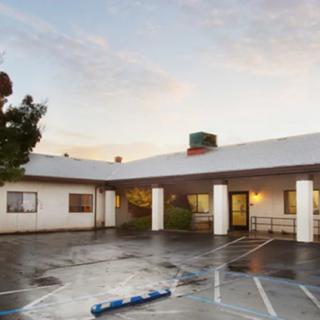
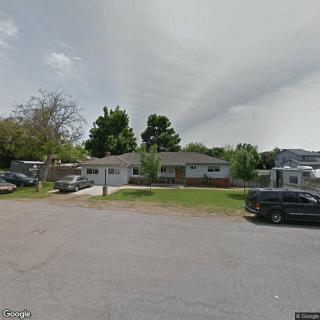
Gridley Assisted Living & Retirement in Gridley, CA

Information last verified:

230 Spruce Street., Gridley, CA 95948

For more information about senior living options: (844) 490-3973

4.2 from 32 reviews
5 stars
23
4 stars
3
3 stars
1
2 stars
0
1 stars
5

Overall Review of Gridley Assisted Living & Retirement

Pros

  • pro The CNAs and nurses are exceptional—consistently kind, attentive, and patient, making residents feel safe, respected, and supported every day.
  • pro The physical therapy team is outstanding—knowledgeable, motivating, and thorough in explaining the rationale behind the work, boosting recovery and confidence.
  • pro The facility is filled with hardworking professionals who truly care about residents’ well-being and progress.
  • pro The staff are warm, friendly, and welcoming, creating a positive, supportive environment for patients and families.
  • pro Gridley Post Acute is considered a hidden gem that cares deeply about its patients and the local community.
  • pro The management demonstrates quality, good communication, and genuine compassion, with care staff who stay and grow with the team.
  • pro The care, meals, activities, and therapy are thoughtfully provided, creating a sense of community and comfort.
  • pro The facility is clean and well-maintained, ensuring residents are treated with dignity and respect.

Cons

  • pro The staff were not compassionate and came off as snobby.
  • pro If a nurse didn’t like a patient, the other staff would ignore them.
  • pro The facility lost a resident’s personal gown and didn’t care.
  • pro A CNA reportedly woke a resident from sleep and forced a turn in bed, described as elder abuse.
  • pro The rooms were dirty and rarely swept or mopped.
  • pro The food quality was poor and portions were small.
  • pro Pain medications were not always given as prescribed, leaving patients in pain.

Review

Gridley Assisted Living & Retirement is best suited for seniors who need focused post-acute rehabilitation and dependable skilled-nursing support, delivered by a dedicated team of CNAs, nurses, and a highly capable therapy staff. The community tends to excel when recovery and functional improvement are the primary goals: strong physical therapy, consistent check-ins, and a recovery-oriented atmosphere that makes residents feel safe, respected, and supported. The best fit is someone coming out of surgery or illness who requires structured therapy, regular nursing oversight, and a tight-knit, hospitable environment. Language and cultural comfort can also matter here, with notes from families praising Spanish-speaking nurses, which can ease communication for many residents. The ready availability of rehabilitation services and the notion of “being cared for by people who truly care” marks Gridley as a practical, results-focused choice for short- to medium-term stays centered on getting back home.

Those considering alternatives should weigh Gridley against facilities that emphasize long-term living with different care dynamics, more expansive memory-care options, or a dining and activity program that prioritizes social engagement in a more expansive setting. If the priority shifts toward a facility with robust, 24/7 memory-care specialization, broader daily programming, or a food program that prioritizes gourmet variety and consistent portions, families may want to explore other communities. Some reviewers also flag concerns about variability in daily operations, such as meal quality, scheduling, and the consistency of med administration, suggesting that those with very high expectations for housekeeping, menu diversity, or perfectly seamless administrative communication may want to look at other options. In short, gridley shines for rehabilitation and nurse-led care; it may be less compelling for families seeking a long-term, all-encompassing lifestyle community with uniform experiences across the board.

The strongest pro, the care delivery, offsets several potential downsides. The CNAs and nurses are repeatedly described as exceptional: consistently kind, attentive, and patient, with care that feels respectful and safety-focused every day. The physical therapy team earns special emphasis for motivation, clear explanations of the therapeutic rationale, and a track record of supporting robust recovery and growing confidence. This clinical strength underpins a practical, outcomes-oriented environment where progress is tangible and care plans are actively managed. The overall atmosphere is described as warm, with a sense of community, thoughtful activities, and a welcoming staff at the front desk and on unit floors. When therapy, nursing, and everyday compassion align, the experience becomes reliably above-average for post-acute needs, and families feel assured that medical oversight is thorough.

Nonetheless, a substantial portion of the feedback points to notable caveats. Food quality and portion sizes appear to be inconsistent enough to be a meaningful concern for some residents, with a few reviews noting meals that are repetitive or less appealing. Medication timing and responsiveness also surface in a minority of accounts, including instances of delays or perceived lapses in pain management, which can blunt the otherwise strong rehab trajectory. Careful attention to communication gaps is another recurring thread: some families report frustration with how information is shared, how quickly issues are escalated, and how problems are documented. There are outlier reports of negative staff interactions and, in a few cases, alarming anecdotes suggesting potential elder-care concerns. While these voices are not uniform, they signal the need for proactive, ongoing advocacy by families.

Leadership and consistency have shown measurable change over time, which matters when weighing risk and reward. Several reviewers note noticeable improvements under recent leadership, with better communication, accountability, and a more stable nursing presence. This matters because durable, multi-shift coverage coupled with growth-minded administration tends to translate into fewer gaps in care, more reliable medication management, and fewer frustrating bottlenecks for families. For decision-making, it is prudent to verify the current leadership cadence during tours, ask about turnover among nursing and therapy staff, and request concrete examples of how care plans are updated in real time. A facility with visible investment in staff development and clear pathways from rehabilitation to discharge demonstrates a healthier long-term trajectory.

For families actively evaluating Gridley, a practical plan of action is essential. Schedule a tour focused not only on rooms and common areas but on the rhythm of a typical rehab day: therapy intensity, pacing, and aftercare coordination; medication-management protocols; nurse-to-patient ratios during peak hours; and the responsiveness of front-line staff to urgent concerns. Probe the dining program directly: what menus look like week-to-week, how choices are accommodated, and how portions are adjusted for appetite and energy needs. Talk to current residents and their families about communication flow, how quickly questions receive answers and how problems are tracked. Finally, review state and Medicare ratings, and request a current care plan sample to confirm that goals, milestones, and discharge plans align with realistic recovery timelines. A well-run evaluation will reveal that Gridley is a capable, rehab-forward option when alignment on expectations is achieved.

In the end, Gridley Assisted Living & Retirement represents a solid, practical choice for seniors whose primary objective is to regain function after hospitalization or surgery, supported by a nursing and therapy team that many families describe as truly committed. It is less ideal for those whose priorities center on long-term, all-encompassing lifestyle amenities, highly varied dining experiences, or a flawless record of medication logistics across all shifts. The facility’s comparative strengths, dedicated clinical staff, a recovery-focused culture, and a caring community, make it worth pursuing for families who value measurable progress and hands-on involvement in care planning. Families that move forward should enter with clear expectations, a plan for ongoing advocacy, and a structured tour that confirms how today’s systems translate into tomorrow’s outcomes.

Features

Housing

  • 48 resident community capacity 48 resident community capacity

Types of Care

  • Assisted Living Assisted LivingAssisted living facilities provide crucial support and care for seniors who may need help with daily tasks such as medication management, bathing, and meal preparation. These communities offer a safe and comfortable environment where seniors can maintain their independence while receiving the assistance they need to thrive in their golden years.

Amenities

  • Beauty salon Beauty salonBeauty salons are important for seniors because they provide a space for them to feel pampered, socialize, and maintain their personal grooming and hygiene. Regular visits to a beauty salon can help boost seniors' self-esteem and overall well-being.
  • Cable or satellite TV Cable or satellite TVCable or satellite TV is important for seniors because it provides entertainment, news, and companionship, helping to combat loneliness and boredom. It also offers a wide range of programming options tailored to different interests and preferences.
  • Dining room Dining roomDining rooms are important for seniors as they provide a space for socialization, connection, and nutritious meals. They offer opportunities for residents to bond over shared meals, foster a sense of community, and promote healthy eating habits. Dining rooms also ensure that seniors have access to well-balanced meals tailored to their dietary needs and preferences.
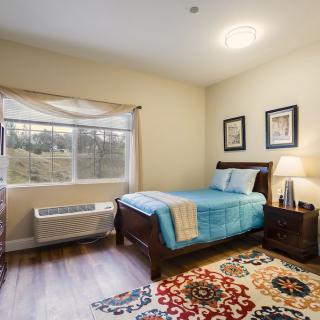
  • Fully furnished Fully furnishedFully furnished senior living communities are important for seniors because they provide convenience, comfort, and a hassle-free moving experience. Seniors can easily settle into their new living space without the stress of having to buy and move furniture. This allows them to focus on enjoying their new home and community.
  • Garden GardenGardens are important for seniors as they provide a peaceful and therapeutic environment for relaxation, physical activity, and socialization. Being in nature has been shown to reduce stress, improve mood, and promote overall well-being. Gardens also offer opportunities for seniors to engage in gardening activities, which can improve mobility, flexibility, and cognitive function. Additionally, gardens create a sense of community and connection with others who share a passion for plants and outdoor spaces.
  • Housekeeping services Housekeeping servicesHousekeeping services are important for seniors because they help maintain a clean and safe living environment, promote independence, and reduce the risk of accidents or illnesses. Additionally, having assistance with household chores can alleviate physical strain and allow seniors to focus on other aspects of their well-being.
  • Kitchenette KitchenetteKitchenettes are important for seniors living in senior living communities because they provide the convenience and independence of being able to prepare simple meals and snacks in the comfort of their own living space. This can help promote a sense of autonomy and well-being for seniors, allowing them to maintain some level of control over their dietary choices and daily routines.
  • Move-in coordination Move-in coordinationMove-in coordination is important for seniors because it helps ease the transition into their new living environment. It ensures that all logistics, such as packing, organizing movers, and setting up utilities are taken care of, allowing seniors to focus on settling in and adjusting to their new home. Having a smooth move-in process can alleviate stress and anxiety, making the transition smoother and more enjoyable for seniors.
  • Outdoor space Outdoor spaceOutdoor spaces are important for seniors as they provide opportunities for physical activity, social interaction, exposure to natural light and fresh air, and a sense of connection to nature. Having access to outdoor spaces can improve overall well-being and quality of life for older adults living in senior communities.
  • Restaurant-style dining Restaurant-style diningRestaurant-style dining is important for seniors because it allows them to enjoy delicious, nutritious meals in a social and upscale setting. This enhances their dining experience, promotes healthy eating habits, and fosters socialization with fellow residents, ultimately contributing to their overall well-being and quality of life.
  • Small library Small librarySmall libraries are important for seniors as they provide access to a variety of reading materials, including books, newspapers, and magazines. This can help stimulate their minds, keep them engaged, and provide a sense of community through book clubs and other social activities. Additionally, reading has been shown to improve cognitive function and overall mental well-being in older adults.
  • Telephone TelephoneTelephones are important for seniors as they provide a lifeline for communication with loved ones, emergency services, and healthcare providers. They offer a sense of security and independence, enabling seniors to stay connected and access assistance when needed.
  • Wi-Fi/high-speed internet available Wi-Fi/high-speed internet availableWi-Fi/high-speed internet is important for seniors to stay connected with loved ones, access online resources, and participate in virtual activities to combat feelings of loneliness and isolation. It also allows them to easily manage healthcare needs, access entertainment, and engage in lifelong learning opportunities.

Care Services

  • 24-hour call system 24-hour call system24-hour call systems are important for seniors because they provide peace of mind and immediate assistance in case of emergencies. This technology ensures that help is always available, promoting safety and security for elderly individuals living alone or in assisted living facilities.
  • 24-hour supervision 24-hour supervision24-hour supervision is important for seniors to ensure their safety, well-being, and access to immediate assistance in case of emergencies or health issues. This constant support provides peace of mind for both seniors and their loved ones, allowing them to age in place with dignity and security.
  • Activities of daily living assistance Activities of daily living assistanceActivities of daily living assistance are important for seniors because they provide essential support with tasks such as eating, bathing, dressing, and mobility. This assistance helps seniors maintain their independence, dignity, and overall quality of life as they age.
  • Assistance with bathing Assistance with bathingAssistance with bathing is crucial for seniors as it helps maintain personal hygiene, prevents infections, and ensures their overall well-being and comfort. It also provides a sense of dignity and independence for seniors who may struggle with this task on their own.
  • Assistance with dressing Assistance with dressingAssistance with dressing is important for seniors because it helps maintain their independence, promotes personal hygiene, prevents accidents and injuries, and improves overall quality of life. This service ensures that seniors can continue to dress comfortably and confidently, despite any physical limitations they may have.
  • Assistance with transfers Assistance with transfersAssistance with transfers is crucial for seniors as it helps prevent falls and injuries, maintains their independence, and ensures they can safely navigate their living environment. It also provides peace of mind for both seniors and their loved ones.
  • Diabetes diet Diabetes dietA diabetes diet is crucial for seniors as it helps manage blood sugar levels, reduce risks of complications, and improve overall health and well-being. By following a balanced and nutritious diet tailored to their specific needs, seniors can better control their diabetes and enhance their quality of life.
  • Meal preparation and service Meal preparation and serviceMeal preparation and service are crucial for seniors as they may have limited mobility or energy to cook nutritious meals. Having access to healthy and convenient food options can ensure they are getting the proper nutrition needed to maintain their overall health and well-being.
  • Medication management Medication managementMedication management is crucial for seniors to ensure they are taking the right medications at the correct dosages and times. This helps prevent adverse drug interactions, reduces the risk of medication errors, and promotes overall health and well-being. Proactive management also allows for adjustments as needed based on changing health conditions or new prescriptions.
  • Mental wellness program Mental wellness programMental wellness programs are essential for seniors as they promote cognitive stimulation, emotional support, and social engagement. These programs help prevent isolation, depression, and cognitive decline, ultimately enhancing the overall quality of life for older adults.
  • Special dietary restrictions Special dietary restrictionsSpecial dietary restrictions are important for seniors because age-related changes in metabolism and health conditions can make it difficult for their bodies to process certain foods. By following a diet tailored to their specific needs, seniors can maintain their overall health and well-being, manage chronic conditions, and reduce the risk of complications such as malnutrition or food interactions with medications.

Dining

  • Diabetes diet Diabetes dietA diabetes diet is crucial for seniors as it helps manage blood sugar levels, reduce risks of complications, and improve overall health and well-being. By following a balanced and nutritious diet tailored to their specific needs, seniors can better control their diabetes and enhance their quality of life.
  • Special dietary restrictions Special dietary restrictionsSpecial dietary restrictions are important for seniors because age-related changes in metabolism and health conditions can make it difficult for their bodies to process certain foods. By following a diet tailored to their specific needs, seniors can maintain their overall health and well-being, manage chronic conditions, and reduce the risk of complications such as malnutrition or food interactions with medications.

Activities

  • Community-sponsored activities Community-sponsored activitiesCommunity-sponsored activities are important for seniors as they provide opportunities for social interaction, mental stimulation, and physical activity. These activities can help improve overall well-being, combat loneliness and isolation, and promote a sense of belonging and purpose among older adults.
  • Resident-run activities Resident-run activitiesResident-run activities are important for seniors as they encourage social interaction, creativity, and a sense of autonomy. These activities empower seniors to stay engaged and active in their community while fostering meaningful connections with their peers.
  • Scheduled daily activities Scheduled daily activitiesScheduled daily activities are important for seniors because they provide structure, socialization, mental stimulation, and physical activity. Engaging in regular activities can improve overall well-being and quality of life for seniors living in a community setting.

Description

Gridley Assisted Living & Retirement is a warm and inviting community located in Gridley, CA. Our residents enjoy a variety of amenities designed to enhance their comfort and convenience. Each apartment comes fully furnished and includes cable or satellite TV, a kitchenette, telephone, and Wi-Fi/high-speed internet.

Residents can gather with friends and neighbors in our welcoming dining room to enjoy delicious meals prepared by our talented culinary team. We cater to special dietary restrictions, ensuring that everyone's unique needs are met. Our restaurant-style dining experience creates a pleasant and social atmosphere for all.

For those seeking relaxation or outdoor activities, we have beautiful gardens and outdoor spaces where residents can unwind or engage in leisurely walks. Our small library provides the perfect spot for reading, quiet reflection, or book club discussions.

Our dedicated staff is available around the clock to provide 24-hour supervision and assistance with activities of daily living such as bathing, dressing, and transfers. Medication management is also provided to ensure residents receive their prescribed treatments on time.

Mental wellness is emphasized at Gridley Assisted Living & Retirement with a comprehensive program designed to support emotional well-being. Scheduled daily activities are available for residents to participate in, including resident-run activities that encourage socialization and engagement.

Additionally, we are conveniently located near two pharmacies, four physicians' offices, four restaurants, five places of worship, and two hospitals. This proximity ensures easy access to healthcare services and allows residents the opportunity to explore the surrounding community.

At Gridley Assisted Living & Retirement, we strive to create an environment where residents feel safe, comfortable, and valued. Our compassionate staff works tirelessly to meet each individual's needs while fostering a sense of community among our residents.

Nearby Places of Interest

Pharmacies

  • CVS Pharmacy (0 miles)
  • Rite Aid (0.4 miles)
  • CVS Pharmacy (11.5 miles)
  • Madison Home Pharmacy (11.8 miles)
  • Table Mountain Pharmacy (12.2 miles)
  • Dove's Landing Pharmacy (12.3 miles)
  • Oroville Care Pharmacy (12.3 miles)

Hospitals

  • Biggs Gridley Memorial Hospital (0.1 miles)
  • Orchard Hospital (0.1 miles)
  • Community Comprehensive Care (11.5 miles)
  • Oroville Hospital (12.5 miles)

Physicians

  • Gridley Medical Group (0.1 miles)
  • Redge M Hawkley Dpm (0.1 miles)
  • Pediatric Clinic (0.1 miles)
  • Joel G Long DO (0.4 miles)
  • Lili Phung, MD - Oroville Eye Care (11.4 miles)
  • Sultan Sultan Chopan Chopan MD (12.3 miles)
  • Digital Hearing Aid Centers (12.3 miles)

Places of Worship

  • Church of Jesus Christ of Latter Day Saints (0.1 miles)
  • Gridley Christian Church (0.3 miles)
  • Gridley United Methodist Church (0.4 miles)
  • Sierra Butte Baptist Association (0.7 miles)
  • Kingdom Hall (1 miles)
  • Fuente De Vida Eterna (5.9 miles)
  • Landmark Missionary Baptist Church (6.2 miles)

Restaurants

  • Habanero Fish & Tacos (0.2 miles)
  • Subway (0.5 miles)
  • Little Caesars Pizza (0.5 miles)
  • McDonald's (0.6 miles)
  • Los Compadres (10.7 miles)
  • Gogis Kitchen (11 miles)
  • Panda Express (11.1 miles)

Cafes

  • Dutch Bros Coffee (6.7 miles)
  • Olson House Coffee (10.9 miles)
  • Starbucks (11.1 miles)
  • Dutch Bros Coffee (12.2 miles)
  • Mug Shots Coffee House & Internet Cafe (12.4 miles)

Transportation

  • Oroville Municipal Airport (OVE) (9.7 miles)
  • U-Haul Moving & Storage (9.8 miles)
  • Butte Taxi (10.9 miles)
  • U-Haul Moving & Storage (11.3 miles)
  • A Yellow Cab Company Of Oroville (11.3 miles)
  • Torri Taxicab & Shuttle (11.8 miles)

Theaters

  • Feather River Cinemas (10.5 miles)

Parks

  • Riverbend Park (11.3 miles)
  • Bedrock Park (11.7 miles)
  • Sank Park (11.9 miles)
  • Rotary Park (12.1 miles)
  • Nelson Park (12.5 miles)

Frequently Asked Questions

Where is Gridley Assisted Living & Retirement?

Nearby Communities

  • Valley Oaks Senior Residence

    Valley Oaks Senior Residence

    Gridley, CA

    4 from 5 reviews
     

    pro Proximity to pharmacies, doctors, hospitals, dining, and places of worship in a serene Gridley setting.

  • Biggs Gridley Memorial Hospital Skilled Nursing Facility

    Biggs Gridley Memorial Hospital Skilled Nursing Facility

    Gridley, CA

    2.3 from 110 reviews
     

    pro Adequate care with notable stroke rehabilitation success.

  • Orchard Hospital

    Orchard Hospital

    Gridley, CA

    2.2 from 100 reviews
     

    pro Comprehensive on-site amenities (salon, restaurant-style dining, fitness room, library, garden) and robust 24/7 care (24-hour supervision, medication management, daily living assistance) with transportation and tailored meals.

  • Terry's Guest Home

    Terry's Guest Home

    Gridley, CA

     
    $1,500 / month

    pro Affordable at $1,500/mo, below local/state averages; nearby healthcare and amenities.

  • River Valley Care Center

    River Valley Care Center

    Live Oak, CA

    4.4 from 49 reviews
     

    pro Excellent staff and effective physical therapy.

  • Truex Guest Home

    Truex Guest Home

    Oroville, CA

    2 from 1 review
     

    pro Strong nearby amenities (parks, dining, healthcare, transport, worship).

  • Pacifica Senior Living Country Crest

    Pacifica Senior Living Country Crest

    Oroville, CA

    4.7 from 56 reviews
    $3,250 to $4,400 / month

    pro Friendly staff, engaging activities, on-site dining, and spacious apartments with private balconies.

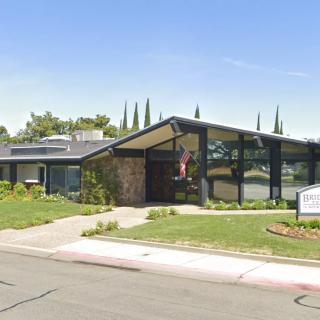
  • Bridgeview Post Acute

    Bridgeview Post Acute

    Yuba City, CA

    3.8 from 31 reviews
     

    pro Extensive on-site amenities and round-the-clock care.

  • The Courtyard

    The Courtyard

    Yuba City, CA

    4.5 from 14 reviews
    $3,158 to $3,767 / month

    pro Caring, experienced staff with strong medication management and engaging activities.

Assisted Living in Nearby Cities

Related Resources

  • is assisted living tax deductibleIs Assisted Living Deductible on Your Taxes? Understanding the Complexities of Assisted Living Expenses and Deductions

    The deductibility of assisted living expenses on taxes hinges on factors like the individual's medical condition and service nature, typically requiring the resident to be "chronically ill" per IRS definitions. Taxpayers may deduct eligible medical expenses related to personal care services but generally not rent unless primarily for medical care, and they should maintain thorough documentation to support claims while considering itemizing versus standard deductions.

  • va benefits for assisted livingAssisted Living Support for Veterans: A Complete and Detailed Overview

    The guide highlights the importance of assisted living facilities for aging veterans needing daily support, discusses unique challenges they face, and outlines available financial assistance from the VA, including the Aid and Attendance program. It emphasizes understanding eligibility criteria and navigating the VA system to access necessary benefits effectively.

  • assisted living vs skilled nursingExploring the Contrasts Between Assisted Living and Skilled Nursing

    The article compares assisted living and skilled nursing facilities, detailing their differing levels of assistance, medical support, cost structures, and day-to-day experiences. It emphasizes that assisted living is for those needing help with daily activities while maintaining independence, whereas skilled nursing facilities provide intensive medical care with 24-hour staff supervision.