
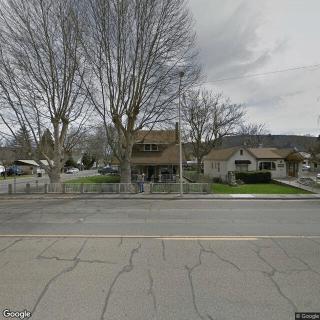
424 Highway A-12, Grenada, CA 96038
For more information about senior living options: (866) 208-4318

Grenada Gardens Senior Living Costs & Pricing
Grenada Gardens Senior Living offers competitive pricing for its living accommodations, with both studio and semi-private rooms available at $2,800 per month. This price positions them favorably within Siskiyou County, where similar accommodations average around $2,498 for semi-private rooms and $2,813 for studios. However, when compared to the broader California market, Grenada Gardens provides significant savings; the state's average costs soar to approximately $4,145 for a studio and $3,333 for a semi-private room. This makes Grenada Gardens an attractive option for seniors seeking quality care in a cost-effective environment without compromising on their comfort and well-being.
| Floor plans | Grenada Gardens Senior Living | Siskiyou County | California |
|---|---|---|---|
| Semi-Private | $2,800 | $2,498 | $3,333 |
| Studio | $2,800 | $2,813 | $4,145 |
Overall Review of Grenada Gardens Senior Living
Pros
 The staff are caring, loving, and professional.
- The facility feels like a resort with a warm, home-like atmosphere.
- They are inclusive and treat residents like family.
- Care is individualized and excellent for each resident.
- The rooms are nice and large, and meals are great.
- The staff are kind, understanding, compassionate, and engaging.
- The community is beautiful, well-maintained, and has modern updates.
- Residents are happy, active, and enjoy daily activities and social engagement.
Cons
 Residents were seen walking around in diapers unattended, and the halls smelled of urine.
 - Management denied concerns raised when they were told.
- The reviewer’s mother-in-law fell and was undiscovered for two hours despite having a remote to contact staff.
- The reviewer believed profits were not reinvested in residents' care.
- Remodeling to look more up-to-date did not translate into better support.
- There didn’t seem to be enough awareness of what the mom needed, and she ended up lonely.
Review
Grenada Gardens Senior Living is best suited for families seeking a warm, home-like atmosphere where attentive staff, personalized care, and a lively social calendar are the core strengths. This community works well for residents who need assisted living support but still value independence, daily programming, and meaningful engagement. It is particularly appealing for families who want a setting that treats residents like individuals, with flexible activity options, substantial meals, and a sense of community. For those facing dementia or end-of-life needs, the team has demonstrated the ability to coordinate hospice involvement and provide compassionate support within a still-relaxed, residential environment.
Those considering alternatives should note that Grenada Gardens may not be the strongest fit for residents with very high-acuity medical needs or for families prioritizing absolute, immediate staffing guarantees. A few reviews raise concerns about monitoring and responsiveness in certain situations, and some families worry about the consistency of individualized attention during transitions or acute changes in a loved one’s condition. Prospective residents who require around-the-clock skilled nursing, very aggressive fall-prevention protocols, or a facility with a deeply rigid clinical oversight system may want to compare options with higher nursing ratios or more formalized risk-management processes.
The strongest positives here center on the human side of care. The staff consistently comes across as caring, loving, and professional, creating an atmosphere that feels both resort-like and homey. Residents benefit from large, comfortable rooms and high-quality meals, with a robust daily rhythm of activities that keeps many engaged throughout the day. The community’s vibe, upbeat, inclusive, and family-oriented, extends to programming such as resident outings and social events, and even to animal-friendly moments that appeal to residents who love companionship from pets. Reviews repeatedly emphasize the reliability and warmth of the caregiving team, which helps offset occasional gaps in routine by delivering sustained emotional support and social connection.
On the downside, there are a few cautions to weigh. A minority of reviews describe lapses in oversight, including a situation where a resident was left unattended and a hall odor issue, with management responses that did not satisfy those reporting the problems. Some families also felt that caregivers were not always fully aware of a loved one’s evolving needs, especially early on, and a sense of loneliness persisted for some residents who hadn’t formed a strong routine. Ongoing remodeling, while delivering updated spaces and a fresher look, can temporarily disrupt familiar rhythms. Finally, perceptions about pricing and how resources are allocated surfaced in one review, underscoring the importance of verifying what is included in monthly rates and what the community can guarantee in terms of staffing and care.
Despite these concerns, the pros largely offset the cons for many families. The combination of compassionate staff, a genuine sense of community, and strong operational flexibility, evidenced by hospice collaboration and continuous improvements, creates a compelling value proposition for those prioritizing relationship-driven care and an active daily life. The senior-friendly environment, broad room options, and consistently positive remarks about meals and activities reinforce confidence that a resident can thrive here with the right fit. The presence of a dedicated activities director, regular social programming, and opportunities for intergenerational engagement further counterbalance fears about loneliness or stagnation, especially for residents who thrive on companionship and structured engagement.
For families weighing options, Grenada Gardens represents a practical, dependable choice when warmth, attentiveness, and an engaging social scene are non-negotiables. The best-fit candidates are those who want a vibrant, community-focused setting with ample opportunities for enrichment and a responsive, caring staff. To move from consideration to confidence, arrange a thorough tour and ask pointed questions: what are typical daytime and overnight staffing levels, how quickly are call bells answered, what specific dementia or memory-care routines are in place, and how are individual care plans updated as needs change? Review current activity calendars, meal menus, room options, and what the monthly rate covers to ensure alignment with expectations. When the fit is right, Grenada Gardens can deliver a sense of belonging, dignity, and daily purpose that families seek for their loved ones.
 90 resident community capacity
 Assisted Living
 Hospice Agency
 Independent Living
 Memory Care
 Respite Care
 Cats allowed
 Dogs allowed
 Activities on-site
 Air-conditioning
 Beautician on-site
 Cable or satellite TV
 Computer center
 Devotional services off-site
 Dining room
 Fitness room
 Fully furnished
 Gaming room
 Garden
 Ground floor units
 Housekeeping services
 Indoor common areas
 Kitchenette
 Move-in coordination
 Outdoor common areas
 Private bathrooms
 Restaurant-style dining
 Small library
 Telephone
 Wellness center
 Wheelchair accessible showers
 Wi-Fi/high-speed internet available
 Community operated transportation
 12-16 hour nursing
 24-hour call system
 Ambulatory care
 Assistance with bathing
 Assistance with dressing
 Assistance with transfers
 Diabetes diet
 Diabetic care
 Medication management
 Mental wellness program
 Special dietary restrictions
 Art classes
 Concierge services
 Day trips and outings
 Happy hour
 Karaoke
 Live dance or theater performances
 Live musical performances


 Engaging Memory Care Activities That Enhance Quality of Life
 When to Transition from Assisted Living to Memory Care: Key Indicators, Steps, and Finding the Right Community
 Understanding the Distinctions: Assisted Living and Memory Care Explained