
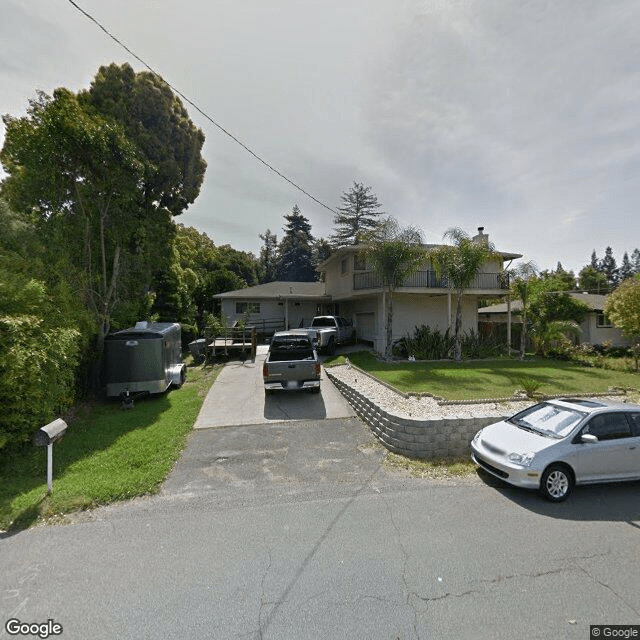
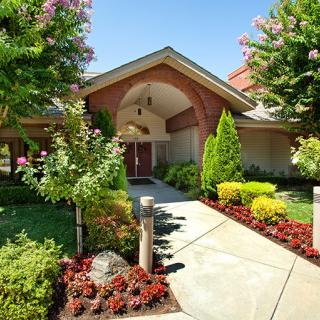
8405 Acorn Drive, Granite Bay, CA 95746
For more information about senior living options: (866) 208-4318
Hidden Lake Care Home Costs & Pricing
Hidden Lake Care Home offers competitive pricing for its services compared to both Placer County and the broader state of California. For private rooms, residents at Hidden Lake can expect a monthly fee of $3,500, which is notably lower than the county average of $4,026 and slightly more affordable than the state average of $3,939. The semi-private rooms are priced similarly at $3,500, offering great value against Placer County's rate of $3,489 and California's average of $3,333. Moreover, those seeking studio accommodations will find Hidden Lake's rate of $6,000 to be higher than both local and statewide averages (Placer County: $4,311; California: $4,145). Overall, Hidden Lake Care Home presents an appealing option for residents looking for care services that balance cost with quality.
| Floor plans | Hidden Lake Care Home | Placer County | California |
|---|---|---|---|
| Private | $3,500 | $4,026 | $3,939 |
| Semi-Private | $3,500 | $3,489 | $3,333 |
| Studio | $6,000 | $4,311 | $4,145 |
Memory care communities with a similar price nearby
-
from +$500 / mo
Sungarden Villa II
$4,000 / month6.7 miles away -
from +$650 / mo
Ferrari
$4,150 to $5,500 / month11.3 miles away -
from -$500 / mo
Love & Care for Elder
$3,000 to $4,500 / month9.8 miles away -
from +$500 / mo

Ashley Villa
$4,000 / month10.6 miles away -
from +$500 / mo
A Bright Future
$4,000 / month11.3 miles away
Overall Review of Hidden Lake Care Home
Pros
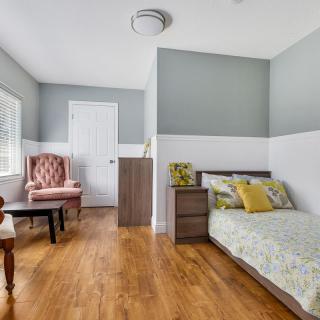
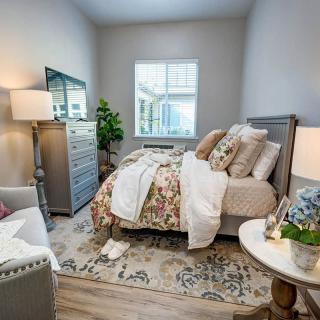
 The home is very clean.
- A husband-and-wife team run the facility and are typically present.
- There is at least one aide on weekdays and another on weekends.
- A small dog is usually on the steps outside.
- The meals smell good and nobody is starving; the cook seems very good.
- The residents seem pleasant to each other.
- The home is a very small residence.
Cons
 They don’t do organized activities per se because one or two residents are on hospice and the other three ladies, mom included, are quite incommunicative.
- None of them understand what the other one is saying.
- The environment has limited social interaction due to communication barriers among residents.
Review
Hidden Lake Care Home in Granite Bay is best suited for families seeking a very small, home-like setting where daily care feels intimate and cleanliness is the baseline. The operation is run by a husband-and-wife team, with one of them typically on site, supported by at least one aide on weekdays and another on weekends. The residence is quiet and compact, which means residents benefit from predictable routines and a steady, visible leadership presence. Social life among residents exists, but it is simple: they sit together, chat when possible, and share calm moments rather than participate in structured activities. A small dog adds warmth and a touch of normalcy to the day. For families prioritizing a clean environment, good meals, and supervision in a truly small-scale setting, Hidden Lake delivers.
However, this is not the right choice for families seeking robust activity calendars, vigorous social engagement, or extensive medical oversight. The lack of organized programming means residents may not receive stimulation beyond casual conversation, particularly when some residents are on hospice and others are less communicative. The small staff footprint also limits the level of around-the-clock attention and advanced care management that some cases require. If a resident needs frequent nursing checks, more diverse activities, outings, or a facility with larger on-site teams and more formal programming, alternatives in the Granite Bay area should be explored. In short, the setting favors quiet, low-demand days over dynamic, facility-wide engagement.
The strongest positives circle around cleanliness, reliability, and a surprisingly capable kitchen. Rooms are kept very clean, and scent cues at mealtimes suggest meals are prepared with care, which is reassuring for families watching a loved one’s appetite and nutrition. The caregiver presence is consistent enough to offer reassurance that daily routines are observed and someone is available for assistance. The family-run model creates a steady, predictable environment, and the on-site dog provides gentle companionship that can soften days for residents who are not highly active or socially engaged. Overall, the combination of a warm, clean living space, dependable staffing, and home-cooked meals offsets the appeal of a larger, more activity-forward facility for the right resident.
Yet, the same virtues reveal notable limits. The absence of organized activities means fewer opportunities for purposeful engagement, which can be meaningful even for residents who are not highly mobile. The social dynamic described, three residents with limited mutual understanding, highlights a quiet atmosphere that may feel isolating to families seeking regular, encouraging interaction. Staffing is lean: at least one aide on weekdays and another on weekends, with no clear indication of around-the-clock nursing or broad medical oversight. For residents who require more intervention, more frequent monitoring, or structured programs to promote cognitive and physical activity, Hidden Lake will feel insufficient. In such cases, alternatives with larger staff and more programming warrant serious consideration.
Nevertheless, the pros can substantially offset the cons for a particular profile. The intimate setting reduces the triggers of confusion and distress that can accompany larger, busier facilities, while direct access to the owners fosters accountability and quick responsiveness. Cleanliness reduces infection risk and contributes to overall well-being, and a skilled cook ensures nutrition and comfort without force-feeding or long waits. The gentle presence of a resident-friendly dog and the calm, predictable daily rhythm provide emotional reassurance that many families value more than structured activities. For a resident who thrives in a low-stimulation, stable environment, these strengths align with genuine quality-of-life gains.
Families evaluating Hidden Lake should plan a detailed visit with specific questions: how care plans adapt when a resident transitions to hospice, what staffing ratios look like on weekends, and how privacy and safety are maintained in a small home setting. Ask to see a sample meal schedule and discuss any dietary restrictions, as well as how activities are replaced by meaningful social moments when formal programming is scarce. If a resident prioritizes a home atmosphere, consistent daytime presence, and dependable meals over a bustling social calendar, Hidden Lake is worth pursuing. If more activity, broader medical oversight, or higher-capacity support is non-negotiable, direct consideration of alternatives is prudent.
 6 resident community capacity
 Assisted Living
 Board and Care Home
 Memory Care
 Cable or satellite TV
 Dining room
 Fully furnished
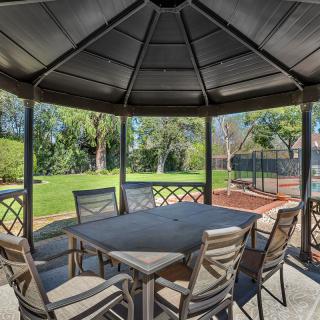
 Garden
 Housekeeping services
 Move-in coordination
 Outdoor space
 Private
 Telephone
 Wi-Fi/high-speed internet available
 Sacramento International (24 miles away)
 24-hour supervision
 Activities of daily living assistance
 Assistance with bathing
 Assistance with dressing
 Assistance with transfers
 Diabetes diet
 Diabetic care
 High acuity care
 Incontinence care
 Meal preparation and service
 Medication management
 Special dietary restrictions
 Transportation arrangement (medical)
 Transportation to doctors appointments

 Choosing the Right Senior Care: A Detailed Exploration of Assisted Living and Nursing Homes
 Safeguarding Your Memory Through the Golden Years: Eight Ways to Preserve Cognitive Health
 Comprehensive Insights into Activities of Daily Living (ADLs) and Their Assessment