
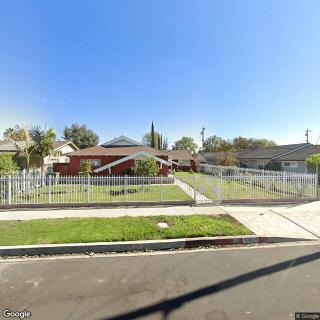
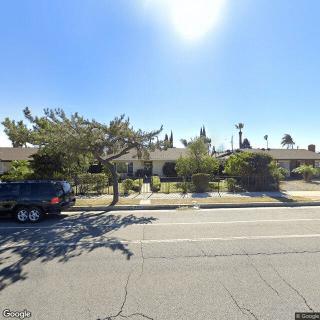
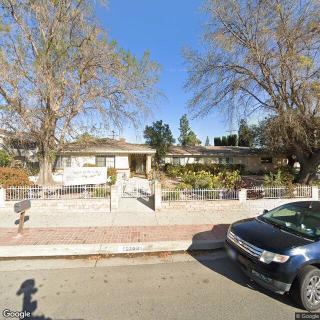
16706 Blackhawk Street, Granada Hills, CA 91344
For more information about senior living options: (866) 208-4318
Overall Review of Concordia Residential Care
Pros
 The staff are compassionate, attentive, and highly professional.
- The level of care and service provided is truly exceptional.
- The social services coordinate care and ease transitions home for families.
- The admissions team is efficient and welcoming, guiding families with compassion.
- Residents appreciate the engaging activities and the friendly, healing atmosphere.
- The administration runs the center smoothly with well-organized routines and upkeep.
- The care team is attentive, helps manage pain, and supports recovery.
- The facility is clean, well-maintained, and welcoming, with clear and prompt communication.
Cons
 The reviewer called the staff horrible and suggested they should work in a slaughterhouse, warning not to place loved ones there.
- The reviewer claimed the facility is not a care facility but more like a detention center, with residents kept in front of violent movies and lacking stimulating activities.
- The reviewer described outright negligence by a nurse, saying a mom was given a pain cocktail that left her drugged and unmonitored.
- The reviewer stated that after authorities vacated, the staff appeared lackadaisical and clearly unconcerned.
- The reviewer recounted being ignored, hung up on, and chastised by staff when questioning what happened to their dad, who returned home with bruises and cuts.
- The reviewer noted the building is older and in need of a lot of work.
Review
Concordia Residential Care in Granada Hills is best suited for seniors who need post-acute rehab or ongoing nursing support and for families that prize a warm, staff-driven approach to recovery. The community consistently shows strength in hands-on care, professional nursing, and coordinated social services that steer a stay from admission through discharge. Residents benefit from active rehabilitation programs, accessible physical therapy, and a clearly organized routine that keeps mobility and daily function front and center. For families, the facility presents as a practical, home-like environment where staff attention and meaningful activities help keep spirits up during recovery.
Those weighing alternatives should note that this facility may not be ideal for every situation. If a family prioritizes the newest building amenities, ultra-modern infrastructure, or an exceptionally tightly regulated medication regimen, other options may fit better. Similarly, families concerned about consistency in staffing, incidents of alleged neglect, or highly restrictive visiting and monitoring policies might prefer campuses with a more uniformly documented safety record and a more contemporary facility footprint. In short, this community works well for recovery-focused care, but not all safety or aesthetics criteria will align for every resident.
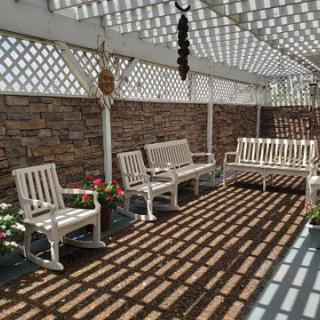
The strongest positives, compassionate, professional staff; effective rehab and pain management; and thoughtful care planning, largely offset the downsides when matched with the right resident. Reviews repeatedly praise attentive nurses, patient-centered therapy, and proactive social services that keep families informed and involved. The setting supports recovery through engaging activities, consistent routines, and a welcoming atmosphere that helps residents stay motivated. Cleanliness and a warm, garden-equipped environment also contribute to a sense of well-being, making daily rehab feel purposeful rather than clinical.
Yet there are clear cautions to balance. A minority of reviews describe troubled interactions with certain staff or concerns about how medications are managed, including one account of a patient receiving multiple pain meds at once and feeling unsafe or inadequately supervised. Reports of alarms and older infrastructure suggest that while the care can be excellent, the physical plant and operational hiccups can become distractions if not actively managed. Some families also note visiting constraints and variable staff reliability. Taken together, these red flags underscore the importance of due diligence and continuous oversight, especially for residents with complex medical needs or heightened safety sensitivities.
To navigate decisions with confidence, prospective families should probe specific processes up front. Ask for the current nurse-to-patient ratio and how med administration is coordinated, scheduled, and reconciled with family input. Request a concrete post-acute rehab plan with measurable goals, timelines, and how progress is communicated to relatives. Schedule meetings with admissions, social services, and the therapy team to hear how care plans are tailored and updated. During visits, observe how staff interact with residents, note how concerns are addressed, and assess the overall responsiveness of the front desk and nursing station. Confirm visitation flexibility and the availability of meaningful daily activities and garden time.
Ultimately, Concordia Residential Care offers a compelling option for families seeking robust rehab outcomes and a genuinely caring staff in a warm, engaging environment. The very real strengths in recovery-focused care, clear communication, and daily life enrichment make it a strong fit for many post-surgical or medically complex stay needs. However, the mix of older building attributes and reported inconsistencies in staffing or med management means this facility requires careful vetting and ongoing family involvement. If these factors align with a resident’s priorities and a family’s capacity to stay engaged, Concordia can be a dependable partner in the recovery journey; if not, exploring alternatives with newer facilities, stronger medication governance, or consistently demonstrated safety records is prudent.
 6 resident community capacity
 Assisted Living
 Cable or satellite TV
 Dining room
 Fully furnished
 Garden
 Housekeeping services
 Move-in coordination
 Outdoor space
 Telephone
 Wi-Fi/high-speed internet available
 Burbank-Glendale-Pasadena (9 miles away)
 24-hour supervision
 Activities of daily living assistance
 Assistance with bathing
 Assistance with dressing
 Assistance with transfers
 Diabetes diet
 Meal preparation and service
 Medication management
 Special dietary restrictions
 Transportation arrangement (medical)
 Transportation to doctors appointments


 Comprehensive Supportive Living Arrangements for Adults with Disabilities
 Funding and Affording Assisted Living: A Thorough Overview
 Assisted Living Expenses and Long-Term Care Insurance: A Comprehensive Exploration