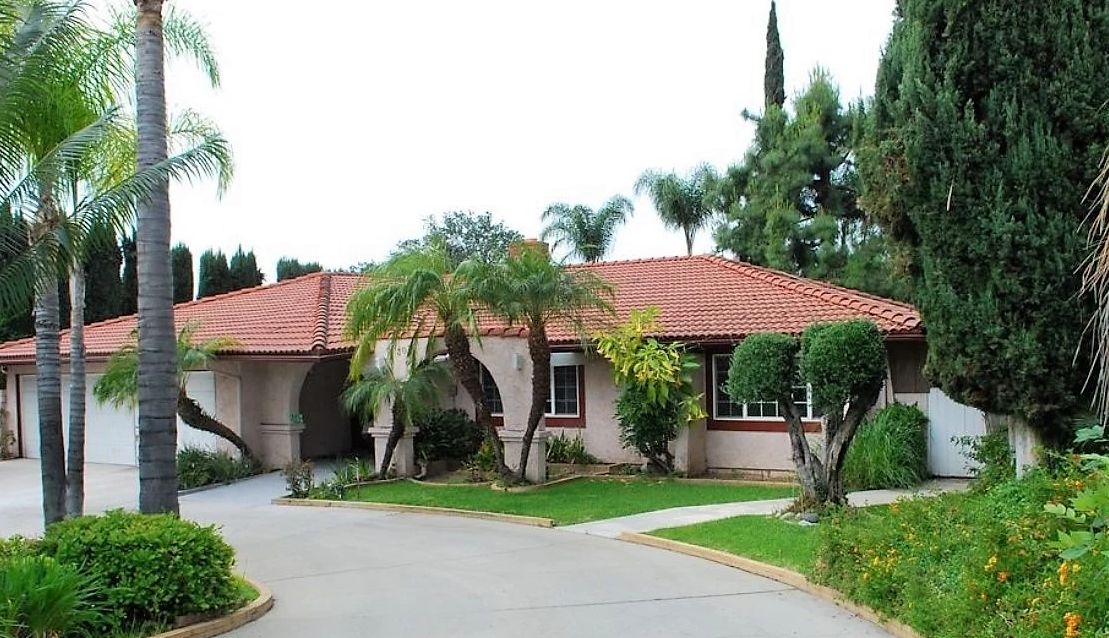
307 Barranca Avenue, Glendora, CA 91741
For more information about senior living options: (866) 208-4318
Overall Review of St. Cecilias Senior Home
Pros
 Staff are friendly and make visitors feel at home.
- The home environment is warm, welcoming, and personable.
- Caregivers provide attentive, home-like care for residents.
- Staff go above and beyond to ensure residents have everything they need and to keep families informed.
- Residents feel at home and receive thorough care.
- Family communication is excellent, providing peace of mind.
Review
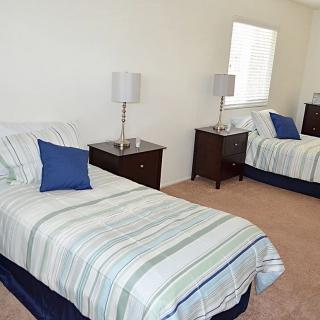
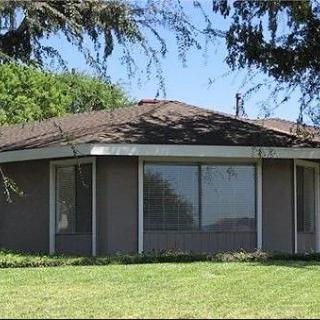
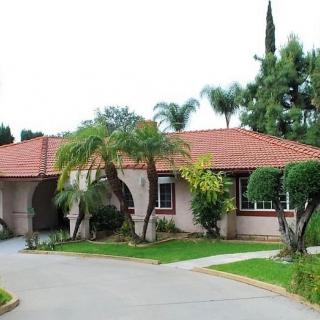
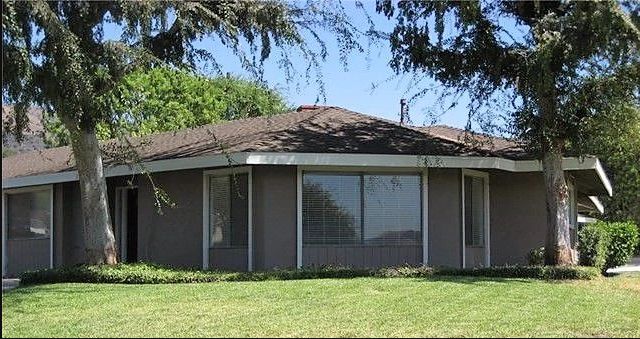
St. Cecilias Senior Home in Glendora is best suited for families seeking a genuinely home-like assisted living experience where residents are treated as people first and care comes with steady, personal attention. The community stands out for seniors who prefer a warm, non-institutional atmosphere over impersonal care settings, with caregivers who feel like extended family. Visitors consistently describe the environment as welcoming and intimate, with spaces that feel like a home rather than a facility. This approach particularly benefits residents who thrive on regular, meaningful engagement, predictable routines, and residents dealing with early- to mid-stage memory challenges who need reassurance that loved ones are closely tied into daily life and care decisions.
Those who may want to consider alternatives are residents with higher medical acuity or complex post-acute rehabilitation needs. If 24/7 on-site skilled nursing, frequent medical procedures, or intensive therapy services are required, a larger campus or a facility with deeper medical resources may be more appropriate. Families should also weigh if a broader calendar of specialized activities, comprehensive mobility programs, or access to on-site physicians is a priority. In short, the home-like charm and tight-knit care model at St. Cecilias shine in warmth and attentiveness, but for residents whose care demands exceed standard assisted living, evaluating options with more extensive clinical support is prudent.
The strongest pros, an exceptionally friendly staff, a home-like setting, and transparent, proactive family communication, solidly offset potential concerns about the facility’s size. Reports emphasize staff who are not only courteous but demonstrably engaged with each resident, ensuring needs are met promptly and with sensitivity. Family members credit the team with keeping lines of communication open, providing updates, and involving relatives in care decisions. The environment also contributes to peace of mind: residents with Alzheimer’s or memory challenges receive programming and interaction that keep life meaningful, with caregivers who “make life a little more interesting” and help families feel hopeful about daily progress and safety. In this mix, emotional well-being and relational trust become powerful compensations for the absence of a sprawling clinical footprint.
Nonetheless, prudent evaluation will acknowledge the realities that accompany a smaller, home-based model. The intimate setting may translate to fewer on-site medical specialists or limited access to advanced rehabilitation programs, compared with larger, hospital-style campuses. While caregiver attentiveness and clear communication compensate significantly, families should verify the scope of medical oversight, confirm who coordinates outside medical appointments, and inquire about the availability of physical therapy, wound care, or other skilled services on a routine basis. The benefit is a more personalized, responsive experience, but it may require extra coordination with outside providers if specialized needs arise.
From a practical decision standpoint, prospective families should visit at different times of day to observe how staff respond to real-life demands and to assess whether the level of engagement remains consistent. Inquire about staffing ratios, a sample weekly activity calendar, and the specific programs available for memory care residents. Ask for a transparent description of what is included in monthly costs and what would incur additional charges, and request to speak with current families about their experiences. It also helps to confirm private room options, safety features, and mobility assistance procedures, ensuring alignment with individual preferences and care plans. A thorough, candid conversation now reduces the risk of misalignment later.
In the end, St. Cecilias Senior Home presents a compelling choice for families prioritizing warmth, communication, and personalized attention in a home-like setting. The combination of friendly, involved staff, a socially engaging environment, and clear family partnerships makes it a standout option for seniors who value dignity, daily meaningful activity, and peace of mind about who is guiding their daily life. For those whose needs are heavily clinical or who crave a larger, more medically oriented campus, alternatives with broader medical resources should be explored. When the priority is a nurturing home atmosphere coupled with transparent, collaborative care, St. Cecilias earns strong consideration as a top pick in the Glendora area.
 6 resident community capacity
 Assisted Living
 Board and Care Home
 Respite Care
 Cable or satellite TV
 Dining room
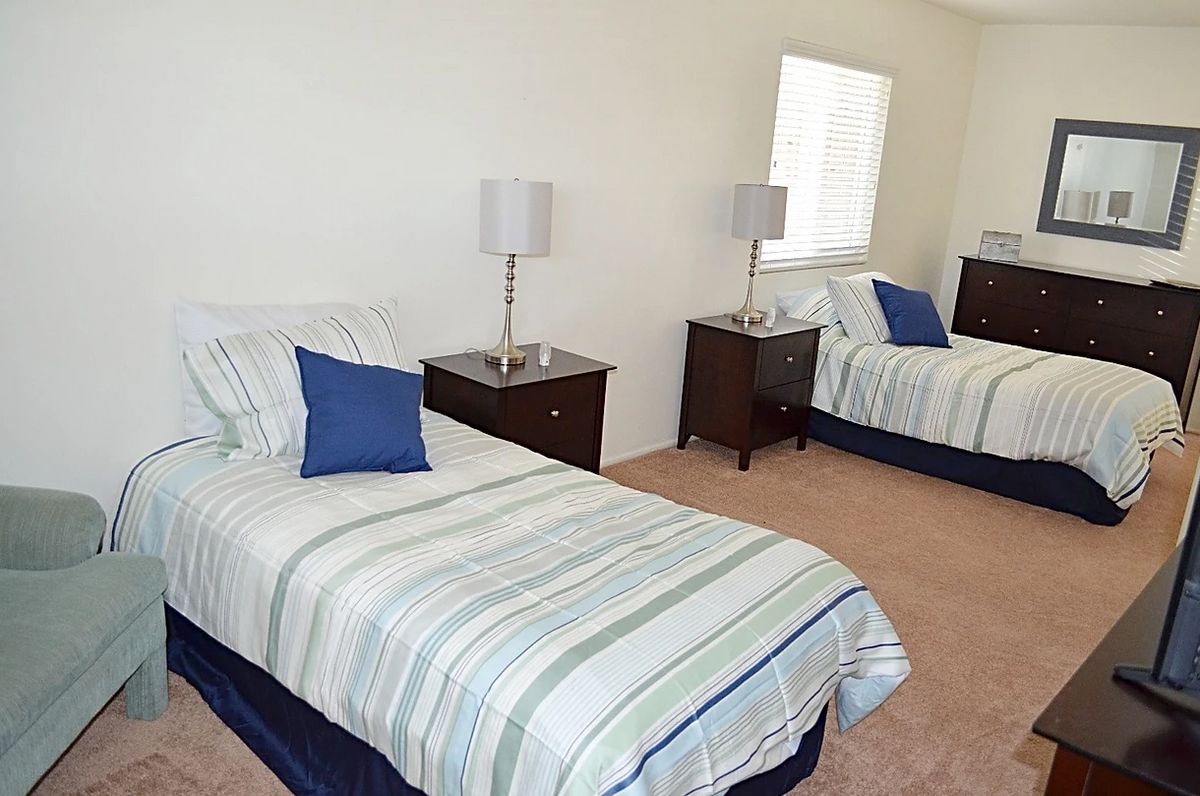
 Fully furnished
 Garden
 Housekeeping services
 Move-in coordination
 Outdoor space
 Telephone
 Wi-Fi/high-speed internet available
 Ontario International (17 miles away)
 24-hour supervision
 Activities of daily living assistance
 Assistance with bathing
 Assistance with dressing
 Assistance with transfers
 Diabetes diet
 Meal preparation and service
 Medication management
 Special dietary restrictions
 Transportation arrangement (medical)
 Transportation to doctors appointments


 Assisted Living Expenses and Long-Term Care Insurance: A Comprehensive Exploration
 Securing Financial Support for Assisted Living: A Comprehensive Overview
 Social Security Benefits and Assisted Living: Navigating Options Across the U.S.