
655 N Central Ave Suite #1708, Glendale, CA 91203
To contact a resident: (310) 975-8585
For more information about senior living options: (866) 208-4318
Overall Review of Preferred Care At Home of Greater Beverly Hills
Pros
 She is so helpful.
- The family loves her.
Review
This community is best suited for families in the Glendale region seeking steady, around-the-clock in-home support through a live-in caregiver model. The standout signal from the experience available is clear: a grandma was placed with a live-in caregiver, and the family reports they “love her” and find the arrangement “so helpful.” That kind of unambiguous positive outcome, a caregiver who becomes a trusted, consistent presence, is the core strength here. For households prioritizing continuous companionship, hands-on daily living assistance, and a stable routine delivered in the familiar setting of home, this option aligns directly with those objectives.
Those considering alternatives should think about care needs that extend beyond daily living support. If a loved one requires more intensive medical management, complex nursing tasks, or access to on-site rehabilitation, a facility with broader clinical capabilities or a more medically oriented home-health setup may be more appropriate. Similarly, for families seeking a more separate model of care, where professionals arrive for defined shifts rather than living in, another agency or a continuum of care option could reduce perceived intrusiveness or privacy concerns. In short, this model excels for sustained, non-acute support, but may not be the best fit for high-intensity medical oversight.
The primary advantages hinge on constant availability and a highly personalized connection. A live-in caregiver brings seamless continuity, day-to-day consistency, and immediate responsiveness, qualities that translate into less family fatigue and a sense of immediate reassurance. The reported experience emphasizes usefulness and emotional relief: the caregiver is described as “so helpful,” and the family’s affection for the caregiver underscores a level of trust and rapport that can be hard to achieve with rotating staff. For families balancing work, caregiving duties, and emotional strain, that kind of dependable, individualized attention can be the decisive factor in choosing this route over more episodic care options.
Where the discussion often pivots to concerns, the typical questions about live-in care include cost, privacy, and the dependence on a single caregiver. While the available account does not enumerate downsides, the evident trade-off is the embedding of care within the home and the potential for limited downtime for the caregiver and the family. The offset here is substantial: the quality of interaction, the sense of security, and the continuity of care can supersede those trade-offs when the match is right. The message from the experience is that the arrangement met the family’s expectations, delivering tangible peace of mind and a dependable support system around a vulnerable relative.
Practical next steps for families evaluating this option should focus on clarity of expectations and safeguards. Verify caregiver screening, background checks, and training specifics to ensure alignment with the loved one’s needs. Discuss the exact live-in arrangement: turnover time, backup coverage, and what happens during breaks; confirm plan for emergencies or if the primary caregiver is temporarily unavailable. Explore the care plan’s scope, meal preparation, mobility assistance, medication reminders, transportation, and activity engagement, and ensure it can scale if needs change. Also inquire about the possibility of trial periods, which can offer real insight into fit before long-term commitment.
For families in Glendale seeking a trusted, warm, and hands-on in-home care solution, Preferred Care At Home of Greater Beverly Hills presents a compelling option anchored by a proven live-in model. The one strong success story signals a capacity to deliver meaningful, compassionate support that meaningfully lightens the load on relatives. It is especially well-suited for elders who thrive with constant companionship, routine, and a caregiver who becomes part of the household fabric. If the care goal centers on staying at home with steady, attentive assistance, this option deserves serious consideration; if the needs lean toward higher medical acuity or a different staffing structure, exploring alternatives remains prudent.
 Burbank-Glendale-Pasadena (6 miles away)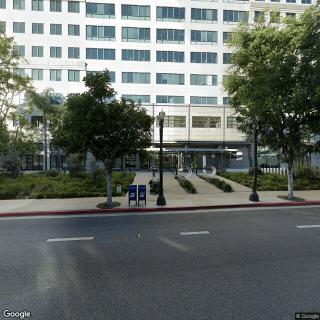




 Caregiver Exhaustion: Recognizing the Signs and Restoring Your Well-Being
 Understanding Hospice Care at Home: Comprehensive Services, Key Benefits, and Eligibility
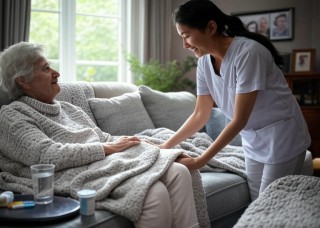 Understanding the Full Cost of 24/7 In-Home Care: A Detailed Overview