No Place Like Home For Golden Ages in Glendale, CA

Save

  • Interior

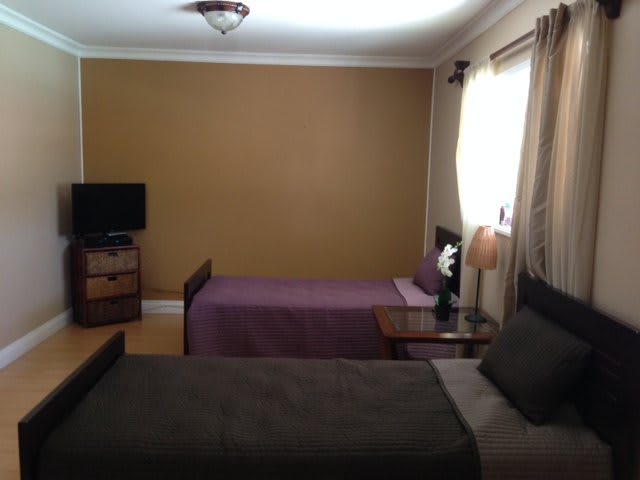
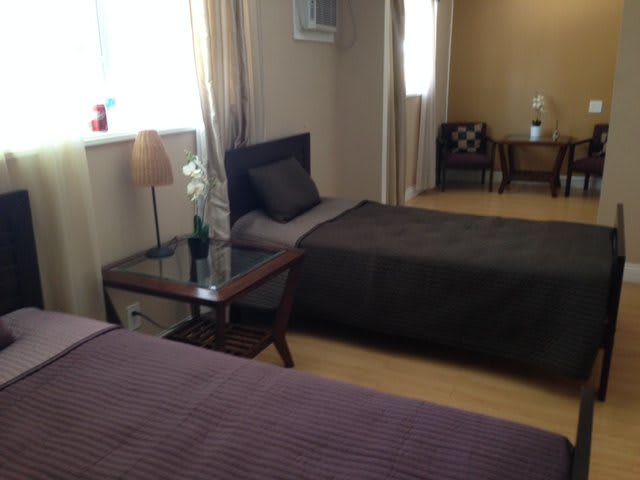
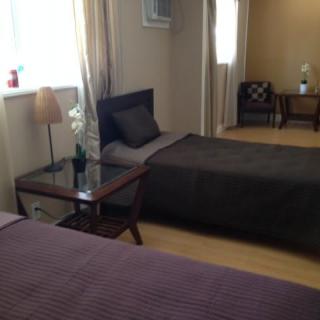
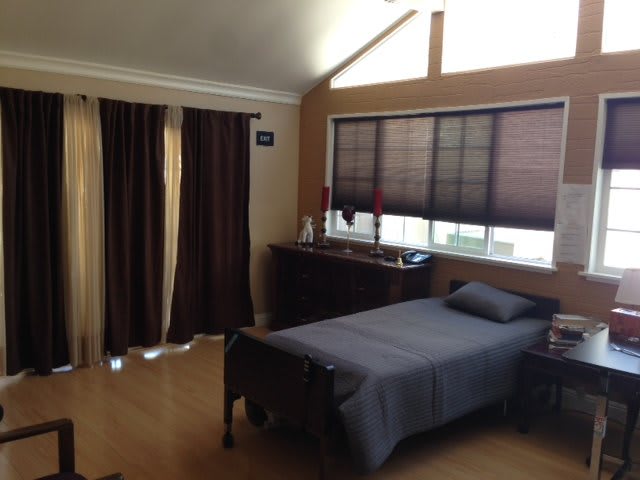
    A cozy bedroom with twin beds and soft lighting.
  • Living Room

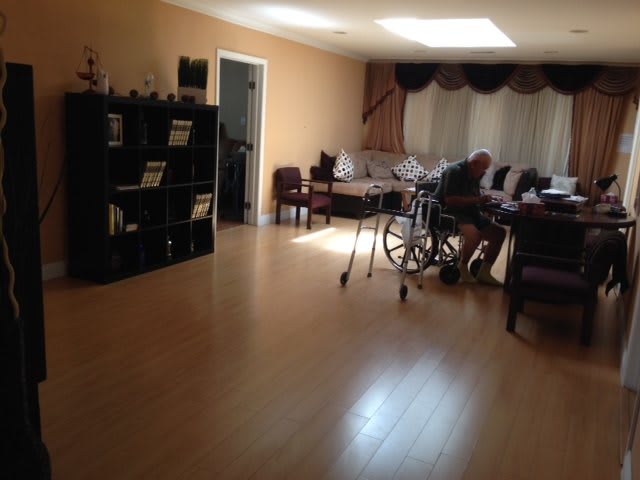
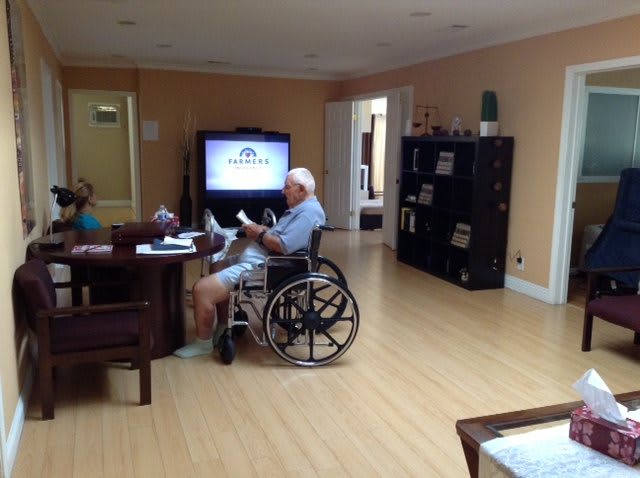
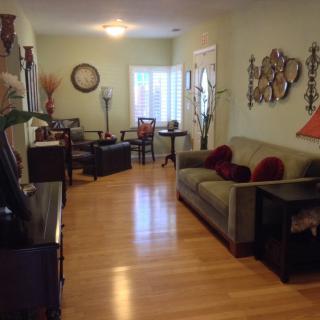
    A cozy living room with a wheelchair, walker, and seating area.
  • Bedroom

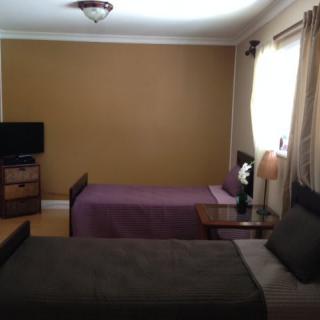
    A cozy bedroom with twin beds and a TV.
  • Windows

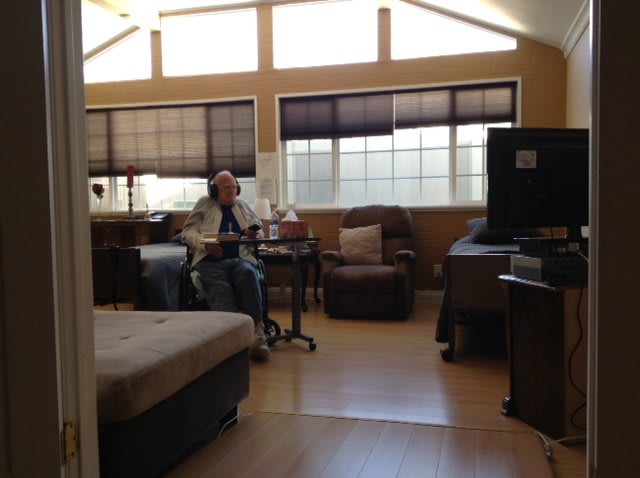
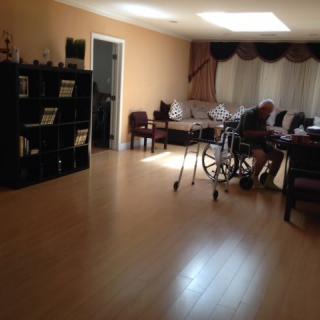
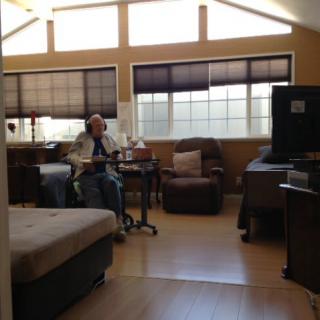
    A cozy living room with a person seated near a window, surrounded by furniture and a television.
  • Landscaping

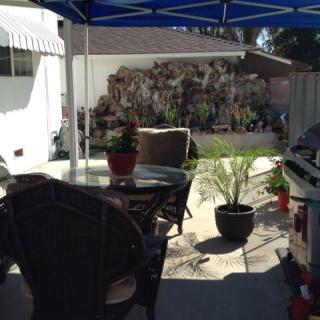
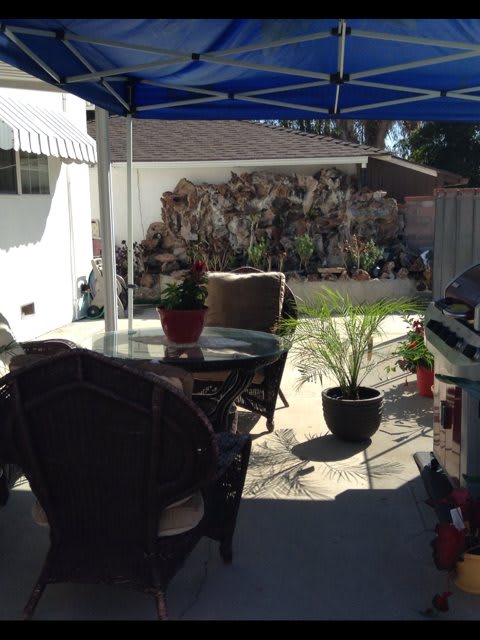
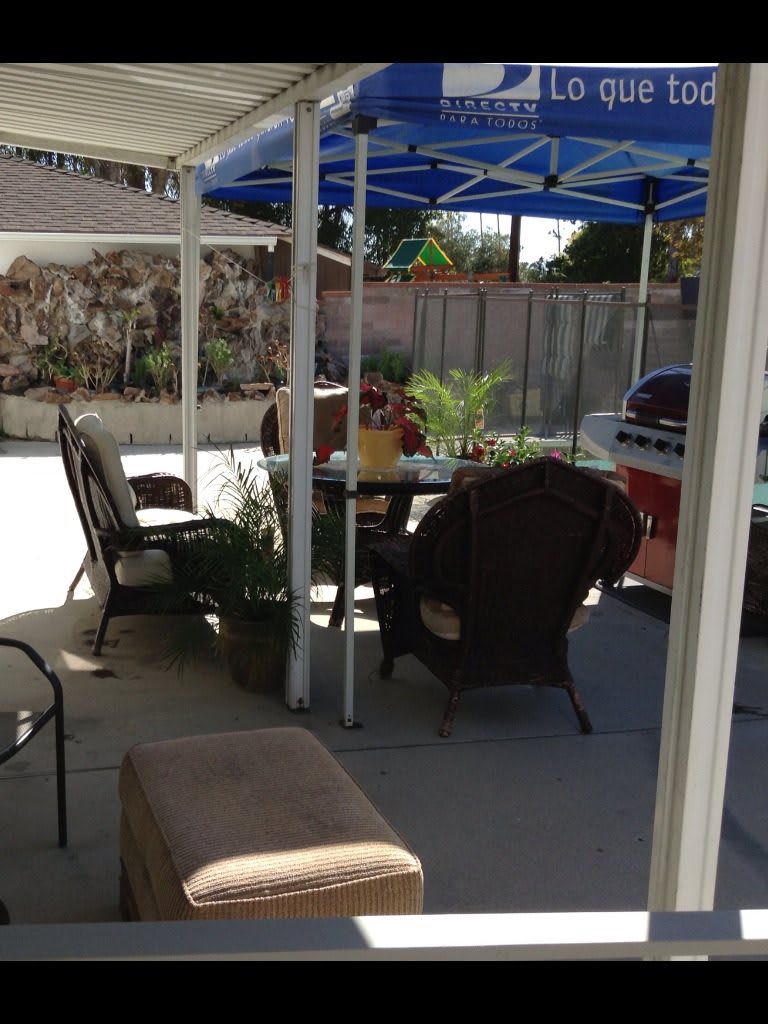
    A cozy backyard patio with chairs and potted plants under a shade.
  • Patio

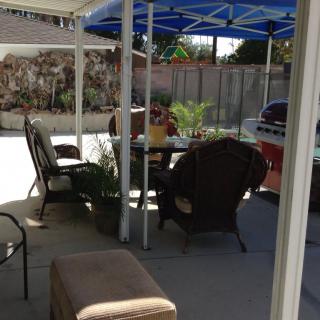
    A cozy backyard patio with outdoor seating and a canopy.
  • Minimalist

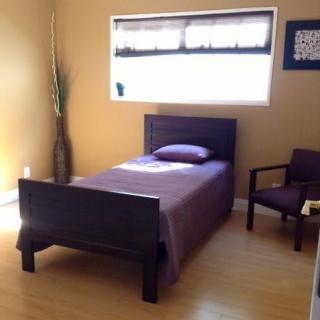
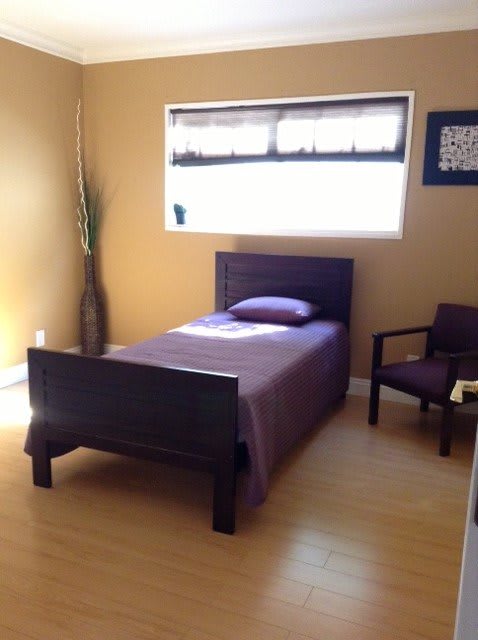
    A minimalist bedroom with a single bed featuring purple bedding, wooden furniture, and natural lighting.

No Place Like Home For Golden Ages in Glendale, CA

1459 Western Avenue, Glendale, CA 91201

For more information about senior living options: (844) 490-3973

4.7 from 20 reviews
5 stars
16
4 stars
2
3 stars
1
2 stars
1
1 stars
0

Assisted Living Board and Care Home Memory Care

No Place Like Home For Golden Ages Costs & Pricing

No Place Like Home For Golden Ages offers competitive pricing when compared to the broader market rates in Los Angeles County and across California. For semi-private accommodations, their monthly rate stands at $4,000, notably higher than the county average of $3,349 and the state average of $3,333. In contrast, their private room option is priced at $5,000, exceeding both the county's average of $4,197 and the state's average of $3,939. While these costs are above local and state averages, they may reflect a commitment to higher-quality care or more personalized services that residents seek. Overall, prospective residents should weigh these costs against the level of comfort and care provided to determine the best fit for their needs.

Floor plansNo Place Like Home For Golden AgesLos Angeles CountyCalifornia
Semi-Private$4,000$3,349$3,333
Private$5,000$4,197$3,939

Overall Review of No Place Like Home For Golden Ages

Pros

  • pro No Place Like Home for Golden Ages is described as a spacious, extremely clean, and home-like facility that feels welcoming from the first visit.
  • pro The staff are amazing, friendly, and highly attentive, consistently meeting residents' needs.
  • pro Emma, the owner, is warm and attentive, taking time to listen and thoroughly answer questions.
  • pro Meals are excellent and customized to residents' dietary preferences.
  • pro The environment feels like a real home - quiet, peaceful, and with the comforting smell of home-baked treats.
  • pro Families report feeling confident and grateful for the level of care, often saying it's among the best.
  • pro The facility provides thoughtful guidance on services, including hospice when appropriate, ensuring smooth transitions for families.

Cons

  • pro The facility has no activities, making it more suitable only for residents who are far advanced.
  • pro The caregiving staff seemed undertrained for this type of care.
  • pro They did not submit the long-term care insurance paperwork correctly to the insurer.
  • pro This caused unnecessary out-of-pocket costs for care that wasn't needed.
  • pro The staff had a lot of turnover, which made communication difficult and required repeating information to new staff.
  • pro The contract did not disclose the prorating policies well enough.
  • pro The move-in paperwork was not ready in time, so residents could be moved in before signing, which felt like being trapped.

Review

This Glendale community is best suited for families seeking a small, home-like setting where residents are treated with personal attention, meals feel like home, and staff members form real relationships with both residents and visiting family. It works particularly well for seniors who value dignity, quiet comfort, and hands-on care from a close-knit, family-run operation. For families who want a calm environment with ready access to caregivers, and who prioritize warmth, ritual meals, and a sense of belonging, this is a strong choice. The setting shines when proximity to relatives matters and when a resident thrives on a nonclinical, intimate atmosphere over a hospital-like campus.

Those who may want to consider alternatives are primarily those seeking a broader range of activities and formal programming, more extensive clinical oversight, or a facility with a larger staff and more predictable daily schedules. Families on tighter budgets or who require guaranteed, highly structured daily schedules and comprehensive activity calendars may find other options deliver more predictable itineraries and cost structures. Additionally, anyone concerned about contract clarity, upfront disclosures on prorated charges, and meticulous insurance handling should weigh other facilities that emphasize transparent processes and fewer administrative hurdles.

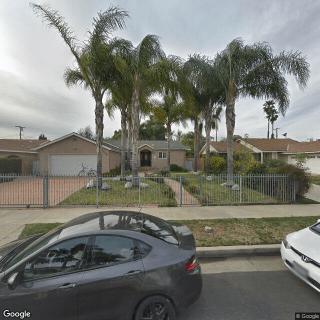
The strongest pros here are tangible: a true home atmosphere, exceptional cleanliness, and caregivers who come across as genuinely caring. The staff's warmth, the owner-operator model, and the sense that residents are treated like family create daily reassurance for families who visit often. Food quality and individualized dietary accommodations stand out, with meals described as prepared with care and even shared with visiting loved ones. The living spaces feel light, airy, and peaceful, with a porch that reinforces the home feel. End-of-life and transition moments have, in several cases, been handled with profound dignity, reinforcing the sense that this is a place to reside with comfort during difficult times.

Still, several recurring downsides temper the otherwise bright picture. Staff turnover and perceived gaps in training have strained communication, leaving families needing to repeat details and questions to new faces. Administrative missteps around insurance paperwork and prorated charges have caused frustration and financial confusion, sometimes implying that a smoother, more transparent process was possible. Move-in timing and contract readiness have, at times, forced families into uneasy choices, and some reviews note that activities can dip in senior-encountered limitations, such as mobility restrictions. Price is consistently noted as higher than many peers, which matters for households weighing long-term affordability against the strong, intimate care.

In weighing the balance, the positives - deep staff engagement, home-like ambiance, meticulous cleanliness, and hospitality around meals - often offset the cons for families prioritizing dignity, comfort, and a loving daily rhythm. The intimate size allows caregivers to tailor interactions and respond quickly to evolving needs, which can reduce stress for residents and their relatives. The main risks to watch are hidden costs, inconsistent communications, and variable programming. For families who prize warmth and continuity over programming breadth, this facility often delivers a superior, almost familial sanctuary where residents truly feel at home.

The practical conclusion is clear: this community is a compelling choice for families who want a nurturing, intimate setting near Glendale and who can tolerate higher costs in exchange for highly personalized, affectionate care. Schedule a tour with a sharp checklist focused on contract terms, proration clarity, insurance handling, and staffing stability. Probe how move-in timing is managed, what happens when care needs intensify, and how end-of-life planning is coordinated. Speak with current families about daily routines, the consistency of caregivers, and the quality of meals. If those conversations confirm reliable hands-on care and an atmosphere that feels like home, No Place Like Home For Golden Ages presents a strong, practical option that often outshines more impersonal peers.

Features

Housing

  • 6 resident community capacity 6 resident community capacity

Types of Care

  • Assisted Living Assisted LivingAssisted living facilities provide crucial support and care for seniors who may need help with daily tasks such as medication management, bathing, and meal preparation. These communities offer a safe and comfortable environment where seniors can maintain their independence while receiving the assistance they need to thrive in their golden years.
  • Board and Care Home Board and Care HomeBoard and care homes provide a smaller, more intimate setting for seniors who require assistance with daily tasks but do not need the level of care offered by a nursing home. They offer personalized care, meals, and social activities in a homelike environment, ensuring that seniors receive individualized attention and support in their golden years.
  • Memory Care Memory CareMemory care is crucial for seniors as it provides specialized support and services for individuals with dementia or Alzheimer's disease. These programs offer a safe and secure environment where residents receive personalized care, cognitive stimulation, and help with daily activities. Memory care helps seniors maintain their independence, quality of life, and dignity while also providing peace of mind for their families.

Pets

  • Cats allowed Cats allowed"Pet friendly" senior living communities are important for seniors because pets provide companionship, reduce feelings of loneliness and depression, promote physical activity and mental stimulation, and offer a sense of purpose and responsibility. Pets can improve overall well-being and quality of life for seniors in many ways.
  • Dogs allowed Dogs allowed"Pet friendly" senior living communities are important for seniors because pets provide companionship, reduce feelings of loneliness and depression, promote physical activity and mental stimulation, and offer a sense of purpose and responsibility. Pets can improve overall well-being and quality of life for seniors in many ways.

Amenities

  • Activities on-site Activities on-siteActivities on-site are important for seniors because they provide opportunities for socialization, mental stimulation, physical activity, and overall well-being. Engaging in activities can help seniors stay active, maintain their independence, and improve their quality of life.
  • Cable or satellite TV Cable or satellite TVCable or satellite TV is important for seniors because it provides entertainment, news, and companionship, helping to combat loneliness and boredom. It also offers a wide range of programming options tailored to different interests and preferences.
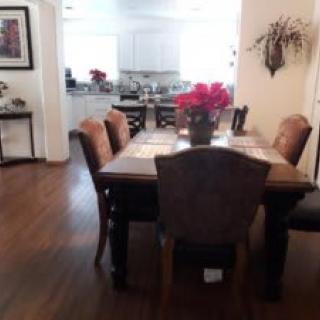
  • Dining room Dining roomDining rooms are important for seniors as they provide a space for socialization, connection, and nutritious meals. They offer opportunities for residents to bond over shared meals, foster a sense of community, and promote healthy eating habits. Dining rooms also ensure that seniors have access to well-balanced meals tailored to their dietary needs and preferences.
  • Fully furnished Fully furnishedFully furnished senior living communities are important for seniors because they provide convenience, comfort, and a hassle-free moving experience. Seniors can easily settle into their new living space without the stress of having to buy and move furniture. This allows them to focus on enjoying their new home and community.
  • Garden GardenGardens are important for seniors as they provide a peaceful and therapeutic environment for relaxation, physical activity, and socialization. Being in nature has been shown to reduce stress, improve mood, and promote overall well-being. Gardens also offer opportunities for seniors to engage in gardening activities, which can improve mobility, flexibility, and cognitive function. Additionally, gardens create a sense of community and connection with others who share a passion for plants and outdoor spaces.
  • Housekeeping services Housekeeping servicesHousekeeping services are important for seniors because they help maintain a clean and safe living environment, promote independence, and reduce the risk of accidents or illnesses. Additionally, having assistance with household chores can alleviate physical strain and allow seniors to focus on other aspects of their well-being.
  • Indoor common areas Indoor common areasIndoor common areas are crucial for seniors as they provide a space for socialization, recreation, and community engagement, promoting overall well-being and reducing feelings of isolation and loneliness.
  • Move-in coordination Move-in coordinationMove-in coordination is important for seniors because it helps ease the transition into their new living environment. It ensures that all logistics, such as packing, organizing movers, and setting up utilities are taken care of, allowing seniors to focus on settling in and adjusting to their new home. Having a smooth move-in process can alleviate stress and anxiety, making the transition smoother and more enjoyable for seniors.
  • Outdoor common areas Outdoor common areasOutdoor common areas are important for seniors as they provide a space for socialization, physical activity, and relaxation. Being outside in nature can improve mood and overall well-being, while also encouraging movement and engagement with others. These spaces can help combat feelings of isolation and promote a sense of community among residents.
  • Outdoor space Outdoor spaceOutdoor spaces are important for seniors as they provide opportunities for physical activity, social interaction, exposure to natural light and fresh air, and a sense of connection to nature. Having access to outdoor spaces can improve overall well-being and quality of life for older adults living in senior communities.
  • Private PrivatePrivacy is important for seniors as it allows them to maintain their independence, dignity, and sense of control over their own lives. It also gives them the space and freedom to relax, reflect, and engage in activities that bring them joy and fulfillment. Creating private spaces within senior living facilities is crucial for promoting overall well-being and quality of life.
  • Private bathrooms Private bathroomsPrivate bathrooms are important for seniors in senior living communities because they provide independence, dignity, and comfort. Having a private bathroom allows seniors to maintain their personal hygiene routines without the need for assistance, promoting a sense of autonomy and privacy. Additionally, private bathrooms help prevent the spread of infections and provide a safe and clean environment for seniors to navigate safely.
  • Respite or short term stays offered Respite or short term stays offeredRespite or short term stays provide seniors with a temporary solution when their regular caregiver is unavailable, offering them the opportunity to receive additional care and support during times of need, while also giving caregivers a chance to rest and recharge.
  • Swimming pool / hot tub Swimming pool / hot tubSwimming pools and hot tubs are important for seniors as they provide a safe and enjoyable way to stay active, improve mobility, reduce joint pain, and promote relaxation. Regular use of these amenities can contribute to overall well-being and quality of life for older adults living in senior communities.
  • Telephone TelephoneTelephones are important for seniors as they provide a lifeline for communication with loved ones, emergency services, and healthcare providers. They offer a sense of security and independence, enabling seniors to stay connected and access assistance when needed.
  • Wheelchair accessible showers Wheelchair accessible showersWheelchair accessible showers are crucial for seniors as they provide a safe and independent bathing option for those with mobility challenges. These showers help prevent falls and allow seniors to maintain their dignity and autonomy while ensuring they can bathe comfortably.
  • Wi-Fi/high-speed internet available Wi-Fi/high-speed internet availableWi-Fi/high-speed internet is important for seniors to stay connected with loved ones, access online resources, and participate in virtual activities to combat feelings of loneliness and isolation. It also allows them to easily manage healthcare needs, access entertainment, and engage in lifelong learning opportunities.

Transportation

  • Burbank-Glendale-Pasadena (5 miles away) Burbank-Glendale-Pasadena (5 miles away)
  • Los Angeles International (18 miles away) Los Angeles International (18 miles away)

Care Services

  • 24-hour supervision 24-hour supervision24-hour supervision is important for seniors to ensure their safety, well-being, and access to immediate assistance in case of emergencies or health issues. This constant support provides peace of mind for both seniors and their loved ones, allowing them to age in place with dignity and security.
  • Activities of daily living assistance Activities of daily living assistanceActivities of daily living assistance are important for seniors because they provide essential support with tasks such as eating, bathing, dressing, and mobility. This assistance helps seniors maintain their independence, dignity, and overall quality of life as they age.
  • Assistance with bathing Assistance with bathingAssistance with bathing is crucial for seniors as it helps maintain personal hygiene, prevents infections, and ensures their overall well-being and comfort. It also provides a sense of dignity and independence for seniors who may struggle with this task on their own.
  • Assistance with dressing Assistance with dressingAssistance with dressing is important for seniors because it helps maintain their independence, promotes personal hygiene, prevents accidents and injuries, and improves overall quality of life. This service ensures that seniors can continue to dress comfortably and confidently, despite any physical limitations they may have.
  • Assistance with transfers Assistance with transfersAssistance with transfers is crucial for seniors as it helps prevent falls and injuries, maintains their independence, and ensures they can safely navigate their living environment. It also provides peace of mind for both seniors and their loved ones.
  • Coordination with health care providers Coordination with health care providersCoordination with health care providers is crucial for seniors to ensure proper medical care, medication management, and overall well-being. This collaboration helps prevent overlapping treatments, track progress more effectively, and provide comprehensive support tailored to individual needs.
  • Diabetes diet Diabetes dietA diabetes diet is crucial for seniors as it helps manage blood sugar levels, reduce risks of complications, and improve overall health and well-being. By following a balanced and nutritious diet tailored to their specific needs, seniors can better control their diabetes and enhance their quality of life.
  • Diabetic care Diabetic careDiabetic care is crucial for seniors as they are more susceptible to developing diabetes due to aging and other health conditions. Proper management of diabetes can help prevent complications such as heart disease, vision loss, and nerve damage, improving the overall quality of life for seniors in senior living communities.
  • High acuity care High acuity careHigh acuity care is important for seniors because it provides specialized medical attention and support for individuals with complex medical needs. This level of care ensures that seniors receive the appropriate treatment and assistance to maintain their health and quality of life as they age.
  • Meal preparation and service Meal preparation and serviceMeal preparation and service are crucial for seniors as they may have limited mobility or energy to cook nutritious meals. Having access to healthy and convenient food options can ensure they are getting the proper nutrition needed to maintain their overall health and well-being.
  • Medication management Medication managementMedication management is crucial for seniors to ensure they are taking the right medications at the correct dosages and times. This helps prevent adverse drug interactions, reduces the risk of medication errors, and promotes overall health and well-being. Proactive management also allows for adjustments as needed based on changing health conditions or new prescriptions.
  • Special dietary restrictions Special dietary restrictionsSpecial dietary restrictions are important for seniors because age-related changes in metabolism and health conditions can make it difficult for their bodies to process certain foods. By following a diet tailored to their specific needs, seniors can maintain their overall health and well-being, manage chronic conditions, and reduce the risk of complications such as malnutrition or food interactions with medications.
  • Transportation arrangement (medical) Transportation arrangement (medical)Transportation arrangements for medical purposes are essential for seniors as they may have difficulty driving themselves to appointments or accessing public transportation. Having reliable and safe transportation options ensures that seniors can receive timely medical care and maintain their health and well-being.
  • Transportation to doctors appointments Transportation to doctors appointmentsTransportation to doctors' appointments is crucial for seniors as it ensures they have access to necessary medical care and support for their health needs. Without reliable transportation, seniors may struggle to attend important appointments, leading to potential delays in treatment and health complications. Providing transportation services helps seniors maintain their overall well-being and quality of life.

Dining

  • Diabetes diet Diabetes dietA diabetes diet is crucial for seniors as it helps manage blood sugar levels, reduce risks of complications, and improve overall health and well-being. By following a balanced and nutritious diet tailored to their specific needs, seniors can better control their diabetes and enhance their quality of life.
  • Kosher KosherKosher options are important for seniors because they adhere to dietary laws that are significant to many Jewish individuals, providing them with peace of mind and an opportunity to maintain their cultural traditions and beliefs while living in a senior living community.
  • Meals provided Meals provided"Meals provided" are crucial for seniors in assisted living communities as it ensures they have access to nutritious, balanced meals without the stress of meal planning and preparation. This can help promote overall health and well-being for seniors who may have limited mobility or cognitive abilities.
  • Special dietary restrictions Special dietary restrictionsSpecial dietary restrictions are important for seniors because age-related changes in metabolism and health conditions can make it difficult for their bodies to process certain foods. By following a diet tailored to their specific needs, seniors can maintain their overall health and well-being, manage chronic conditions, and reduce the risk of complications such as malnutrition or food interactions with medications.
  • Vegetarian VegetarianA vegetarian diet is important for seniors because it can help lower the risk of chronic diseases, maintain a healthy weight, and provide essential nutrients needed for aging bodies. Additionally, plant-based diets are often easier on digestive systems and can contribute to overall well-being in older adults.

Activities

  • Activities on-site Activities on-siteActivities on-site are important for seniors because they provide opportunities for socialization, mental stimulation, physical activity, and overall well-being. Engaging in activities can help seniors stay active, maintain their independence, and improve their quality of life.
  • Community-sponsored activities Community-sponsored activitiesCommunity-sponsored activities are important for seniors as they provide opportunities for social interaction, mental stimulation, and physical activity. These activities can help improve overall well-being, combat loneliness and isolation, and promote a sense of belonging and purpose among older adults.
  • Scheduled daily activities Scheduled daily activitiesScheduled daily activities are important for seniors because they provide structure, socialization, mental stimulation, and physical activity. Engaging in regular activities can improve overall well-being and quality of life for seniors living in a community setting.

Description

No Place Like Home For Golden Ages is a welcoming and comfortable assisted living community located in Glendale, CA. Our community offers board and care home services as well as specialized memory care for individuals with dementia or Alzheimer's.

Residents at our community enjoy a range of amenities designed to enhance their daily lives. Each room is fully furnished and includes cable or satellite TV, private bathrooms, and Wi-Fi/high-speed internet access. Our indoor common areas provide spaces for socializing and relaxation, while our outdoor common areas and garden offer opportunities to enjoy the fresh air and beautiful surroundings. For those who enjoy swimming or relaxing in a hot tub, we also have a swimming pool / hot tub on-site.

To ensure our residents' comfort and convenience, we provide housekeeping services, move-in coordination, and offer respite or short-term stays when needed. Additionally, our facility is wheelchair accessible, with wheelchair accessible showers available.

At No Place Like Home For Golden Ages, we prioritize the well-being of our residents by providing comprehensive care services. Our staff is trained to assist with activities of daily living such as bathing, dressing, and transfers. We also coordinate with health care providers to ensure that each resident receives the necessary medical attention they require. Our team is experienced in diabetes care and can provide specialized diets to accommodate dietary restrictions.

Meals at our community are thoughtfully prepared and catered to individual preferences. We offer kosher options, vegetarian choices, as well as special dietary restrictions for residents with specific needs. Community-sponsored activities are scheduled daily to promote engagement and socialization among residents.

For added convenience, there are numerous amenities within close proximity to our community. There are 5 cafes nearby for residents to enjoy leisurely outings with friends or family members. 2 parks provide opportunities for outdoor recreation or peaceful walks amidst nature. 15 pharmacies ensure easy access to prescribed medications, while 13 restaurants offer diverse dining options for those who wish to dine out. Transportation arrangements, including transportation to doctors' appointments, are also available.

No Place Like Home For Golden Ages is conveniently located near 2 theaters and 3 hospitals, providing entertainment options and easy access to medical care whenever necessary.

At our assisted living community, we strive to create an enriching and supportive environment where residents can feel at home. With our range of amenities, comprehensive care services, and convenient location, we aim to provide a comfortable and fulfilling lifestyle for our residents.

Nearby Places of Interest

This part of Glendale, California offers a convenient and diverse array of amenities for seniors looking to reside in the area. With several pharmacies in close proximity, access to necessary medications and healthcare services is easily accessible. Additionally, there are a variety of dining options ranging from fast food chains like In-N-Out Burger and Wendy's to more upscale establishments like Castaway and Din Tai Fung. For entertainment, residents can enjoy watching movies at nearby theaters such as AMC Burbank 16 or taking a stroll through one of the many parks like Lake Hollywood Park or Runyon Canyon Park. Transportation options are also readily available with the presence of Hollywood Burbank Airport and metro stations nearby. Overall, this part of Glendale provides a vibrant and convenient environment for seniors looking to enjoy their retirement years.

Pharmacies

  • Walgreens (1.1 miles)
  • CVS Pharmacy (1.2 miles)
  • Rite Aid (1.8 miles)
  • Walgreens (2.1 miles)
  • CVS Pharmacy (2.2 miles)
  • CVS Pharmacy (2.6 miles)
  • CVS Pharmacy (2.7 miles)

Theaters

  • AMC Burbank 16 (1.8 miles)
  • AMC The Americana at Brand 18 (2.9 miles)
  • Universal Cinema AMC at CityWalk Hollywood (5.1 miles)
  • TCL Chinese Theatre (6.4 miles)

Restaurants

  • In-N-Out Burger (2 miles)
  • Castaway (2.1 miles)
  • Porto's Bakery & Cafe (2.5 miles)
  • McDonald's (2.6 miles)
  • Wendy's (2.8 miles)
  • In-N-Out Burger (2.8 miles)
  • Din Tai Fung (2.9 miles)

Cafes

  • Starbucks (2.5 miles)
  • Starbucks (2.9 miles)
  • Starbucks (4.1 miles)
  • Starbucks (4.2 miles)
  • Proof Bakery (4.5 miles)
  • Starbucks (5.4 miles)
  • Starbucks (5.4 miles)

Hospitals

  • Providence St Joseph Medical Center (3.2 miles)
  • Glendale Adventist Medical Center (3.5 miles)
  • Medical 2 unit (3.6 miles)

Transportation

  • Terminal A (4.2 miles)
  • Hollywood Burbank Airport (BUR) (4.3 miles)
  • Baggage Claim (4.3 miles)
  • Burbank Airport Ride Share Pick Up (4.3 miles)
  • Universal City Metro Station (5.4 miles)
  • North Hollywood Metro Station (5.5 miles)

Parks

  • Lake Hollywood Reservoir (4.4 miles)
  • Lake Hollywood Park (4.5 miles)
  • Glassell Park Recreation Center (5.2 miles)
  • Hollywood Bowl Overlook (5.6 miles)
  • Hahamongna Watershed Park (6 miles)
  • Cleland Ave Bicentennial Park (6 miles)
  • Runyon Canyon Park (6.5 miles)

Frequently Asked Questions

How much does it cost to live at No Place Like Home For Golden Ages in Glendale, CA?
Where is No Place Like Home For Golden Ages?
Does No Place Like Home For Golden Ages provide care for residents with dementia or Alzheimer's disease?
Does No Place Like Home For Golden Ages allow residents to have pets?
What photos are available for No Place Like Home For Golden Ages in Glendale, California?

Nearby Communities

  • No Place Like Home For Golden Ages 2

    No Place Like Home For Golden Ages 2

    Glendale, CA

     
    $3,183 / month

    pro Affordable private rooms with comprehensive assisted living services.
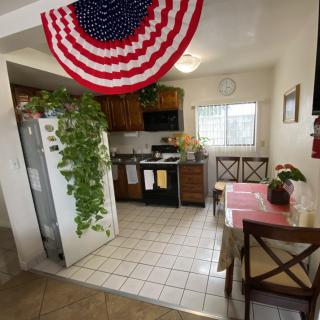

  • Alameda Villa

    Alameda Villa

    Burbank, CA


    pro Intimate, high-touch assisted living with chef-prepared meals, housekeeping, and personalized care.

  • Daly Care

    Daly Care

    Glendale, CA

    4.6 from 23 reviews
    $4,000 / month

    pro Clean, homelike environment with compassionate, individualized care and home-cooked meals.

  • Alameda Board & Care

    Alameda Board & Care

    Glendale, CA


    pro Intimate 6-bed setting with personalized care, 24-hour supervision, and diabetes-friendly dining.

  • Dreier's Nursing Care Center

    Dreier's Nursing Care Center

    Glendale, CA


    pro Restaurant-style dining, 24-hour supervision, wellness and fitness amenities, transportation, and social programs.

  • Silverado At Home Los Angeles

    Silverado At Home Los Angeles

    Burbank, CA


    pro Excellent access to healthcare and nearby amenities.

  • Belmont Village Burbank

    Belmont Village Burbank

    Burbank, CA

    4.8 from 137 reviews
    $5,250 to $8,125 / month

    pro Strong staff, engaging activities, and comprehensive on-site care and amenities.

  • Ivy Park At Burbank

    Ivy Park At Burbank

    Burbank, CA

    4 from 53 reviews
     

    pro Caring staff with active memory-care programs and a convenient location.

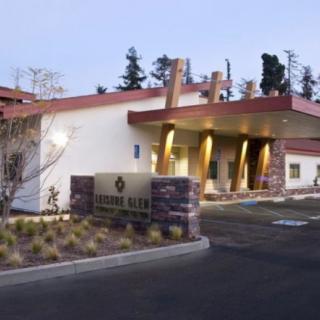
  • Leisure Glen Post Acute Care Center

    Leisure Glen Post Acute Care Center

    Glendale, CA


    pro Extensive amenities (beauty salon, restaurant-style dining, fitness room) and 24-hour supervision with ADL assistance.

Related Resources

  • when to move from assisted living to memory careWhen to Transition from Assisted Living to Memory Care: Key Indicators, Steps, and Finding the Right Community

    Transitioning from assisted living to memory care is driven by an individual's cognitive decline and specific needs, requiring careful evaluation of indicators like increased confusion and wandering. The process involves consulting medical professionals, researching suitable communities, considering financial and legal aspects, and ensuring effective communication for personalized care plans.

  • assisted living vs memory careUnderstanding the Distinctions: Assisted Living and Memory Care Explained

    The article differentiates between assisted living and memory care, explaining that assisted living supports seniors with daily activities while promoting independence, whereas memory care provides specialized services for individuals with dementia, focusing on secure environments and cognitive support. It also addresses staff training, safety considerations, costs, family involvement, and transition strategies for families navigating these care options.

  • how to talk to someone with dementiaHow to Communicate with a Loved One Living with Dementia: 10 Supportive Strategies
    The article outlines effective communication strategies for interacting with loved ones with dementia, highlighting the need for empathy, patience, and understanding while emphasizing supportive approaches like using simple language, minimizing distractions, and focusing on feelings over facts to maintain dignity and foster connection. It also suggests seeking professional guidance when needed as communication challenges evolve.