
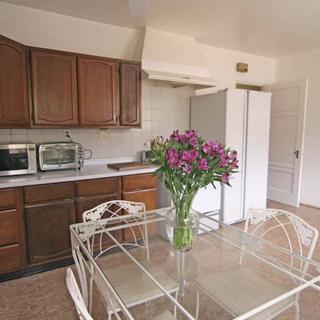
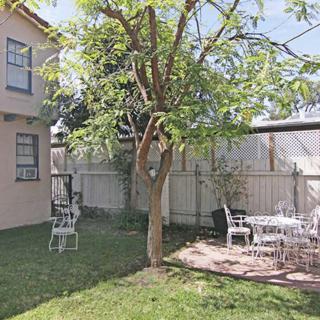
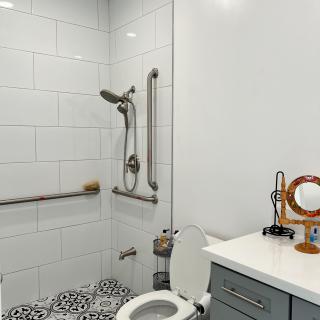
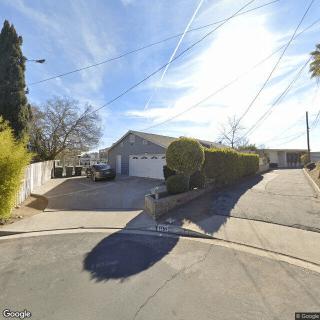
713 North Glendale Avenue, Glendale, CA 91206
For more information about senior living options: (866) 208-4318
Overall Review of Grace Residential Care Facility
Pros
 The staff and facility are amazing.
- They made a truly difficult time much easier to handle.
- Grace Residential Care is a wonderful place for loved ones.
- They care for their residents like family.
- The owners and staff are caring and compassionate.
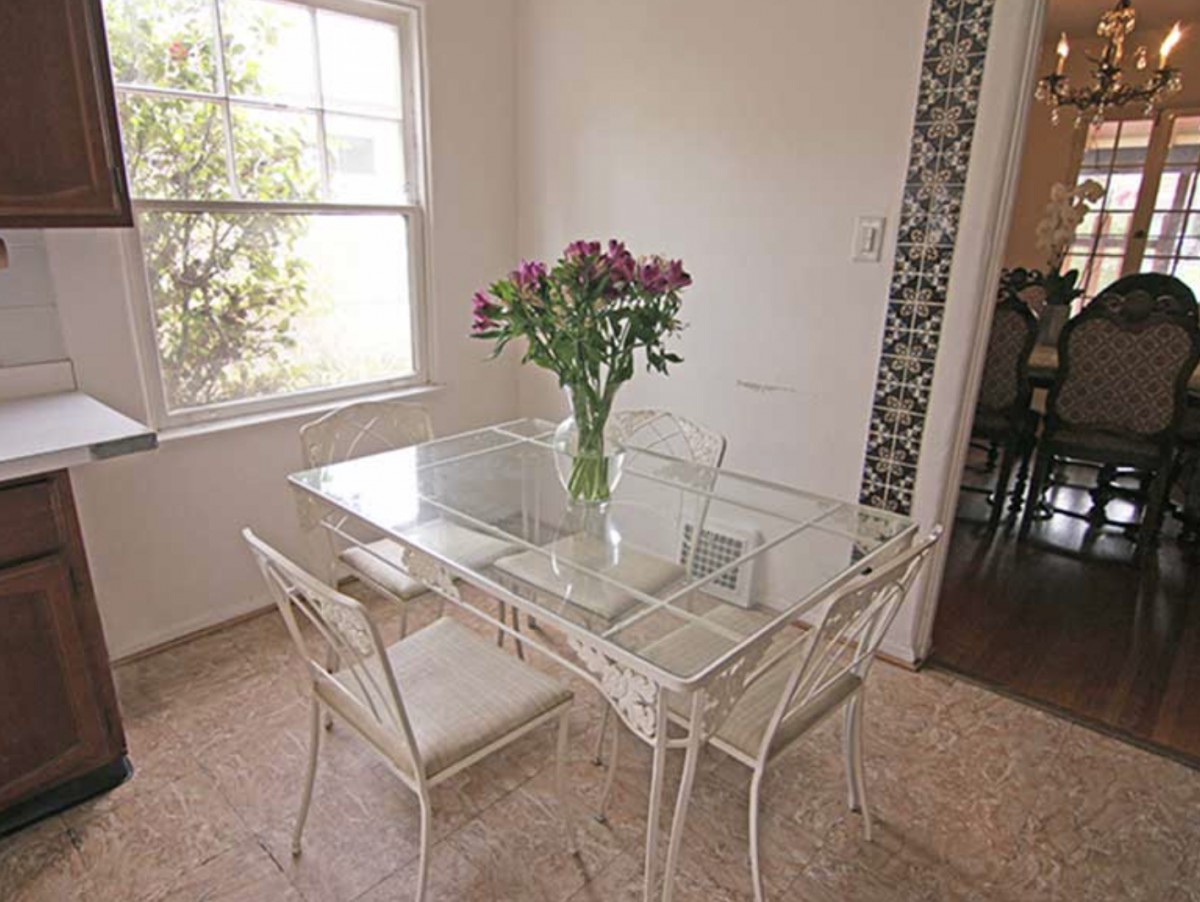
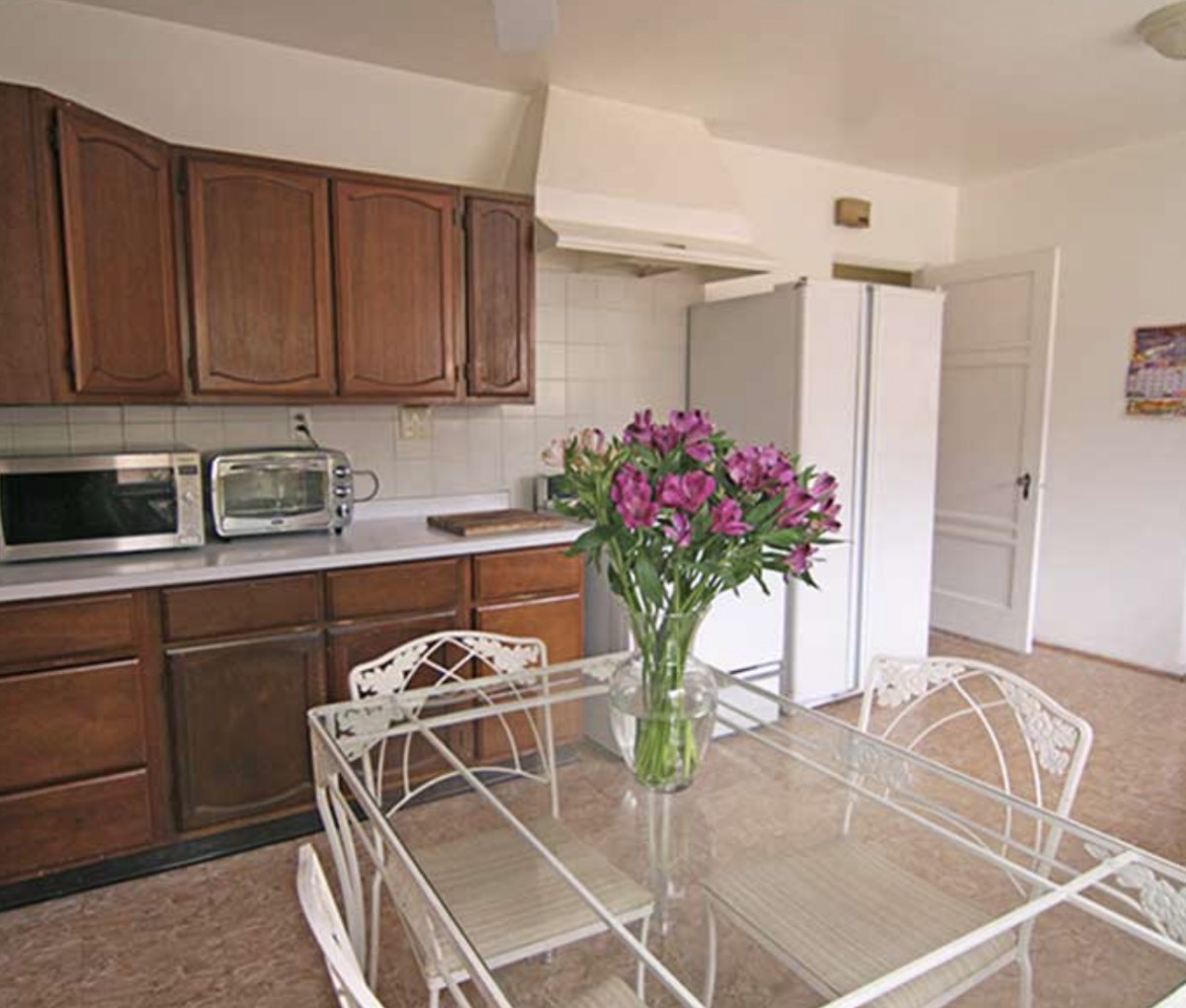
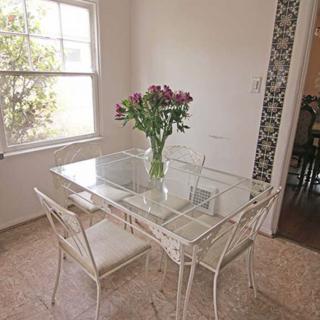
- They make delicious, home-cooked meals every day.
- Grace Residential Care is highly recommended for families.
Review
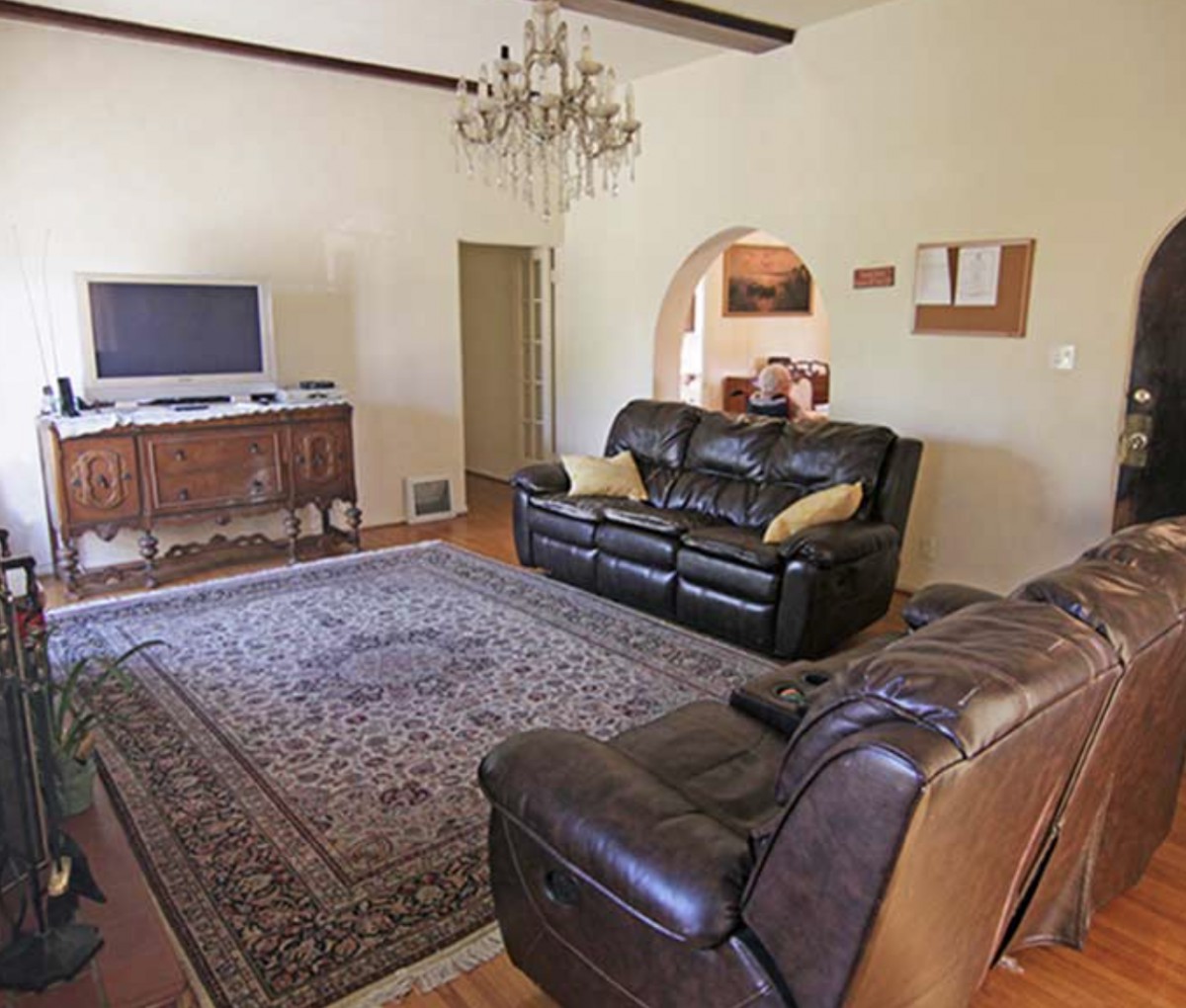
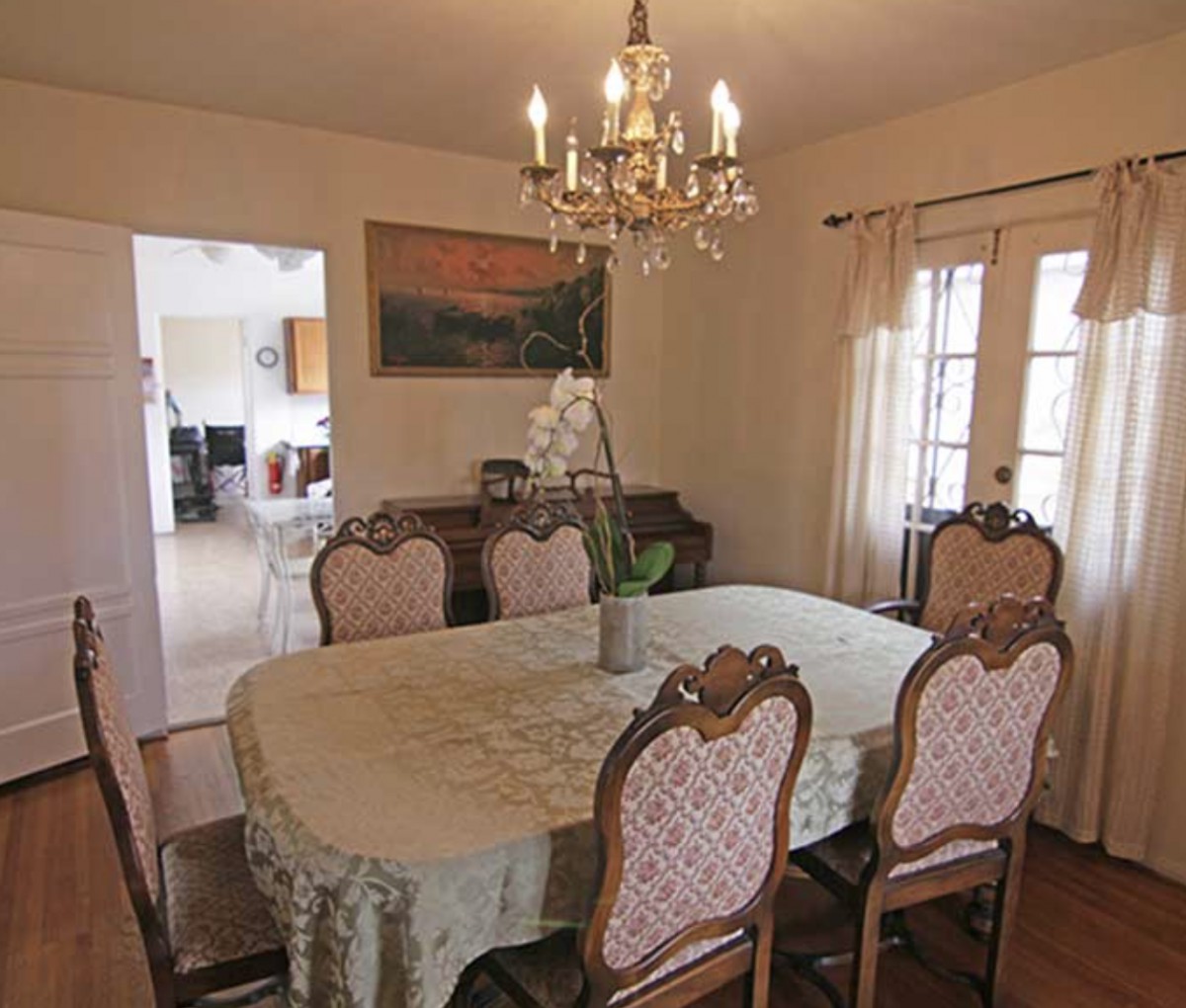
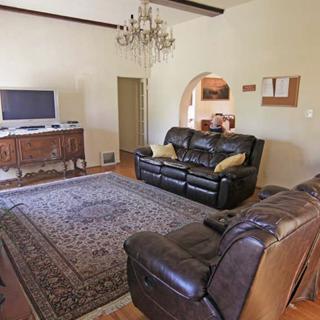
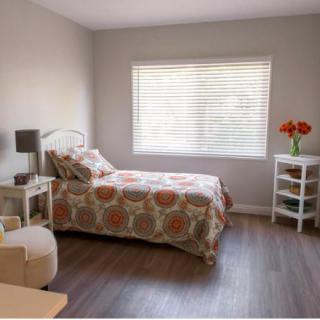
Grace Residential Care Facility in Glendale is best suited for seniors who want a warm, intimate, home-like living environment where staff know residents by name and respond with steady, compassionate care. The setting reads like a small, family-operated home rather than a vast campus, making it ideal for families seeking daily personal attention, predictable routines, and meals that feel like they’re cooked in a familiar kitchen. For residents who value emotional connection, consistent caregiving, and a sense of belonging, this facility delivers with a natural, almost familial rhythm that reduces the stress of transition.
Those evaluating options should explicitly consider alternatives if medical complexity or memory-care needs exceed what a small residential setting typically provides. A larger assisted living community with on-site skilled nursing, regular access to therapists, and a formalized memory-care program may better serve residents who require substantial clinical oversight, complex wound care, or highly structured cognitive-stimulation schedules. Families with someone who needs round-the-clock nursing support, extensive rehabilitation, or highly specialized dementia services may find other options more reliable for ongoing medical management.
The standout pros are clear and powerful. The staff and ownership are described as amazing, with care delivered in a way that treats residents like family. This level of personal attention translates into smoother days, easier communication, and a lower risk of overlooked needs. The owners’ direct involvement tends to produce consistency, accountability, and a responsive atmosphere where concerns are addressed promptly. Coupled with consistently home-cooked meals, the daily life at Grace feels comfortable and predictable, which is a meaningful offset to the stress that can accompany aging or recovery.
To balance these strengths, it’s prudent to acknowledge the trade-offs that come with a smaller, residential operation. The most plausible gaps involve medical resources and program breadth: there may be fewer on-site healthcare professionals, limited ability to provide intensive therapy, and a narrower menu of structured activities compared with larger facilities. Yet these potential drawbacks are often offset by the intimate environment, faster communication, and tailor-made routines. Residents benefit from being known by staff, fewer transitions in care, and a sense of continuity that can enhance mood, cooperation, and overall well-being.
Decision-making should be guided by concrete questions and guided observation. Prospective families should verify staffing levels, the availability of a dedicated nurse or on-call medical oversight, medication management practices, and emergency protocols. Inquire about daily activity options, transportation to appointments, and how memory-related challenges are handled. During a visit, assess how staff interact with residents: is there eye contact, calm tone, and genuine engagement? Taste and consistency of meals matter too; a kitchen that reliably delivers wholesome, home-style dishes signals daily quality of life tends to be high. Finally, talk openly with owners about transition plans, fee structure, and what happens if needs escalate.
In the end, Grace Residential Care Facility offers a compelling choice for families prioritizing warmth, personalized attention, and a home-like atmosphere. It shines where intimate, relationship-driven care matters most, and where meals and daily routines reinforce a comforting sense of normalcy. For elders who thrive on continuity and a close-knit care team, this community is a strong fit. If the priority shifts toward robust medical oversight, advanced therapy options, or highly specialized dementia programming, alternatives with larger clinical staffs and broader service lines should be explored to avoid gaps in care.
 6 resident community capacity
 Assisted Living
 Cable or satellite TV
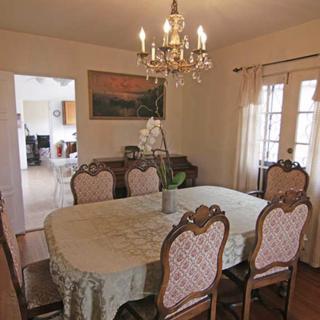
 Dining room
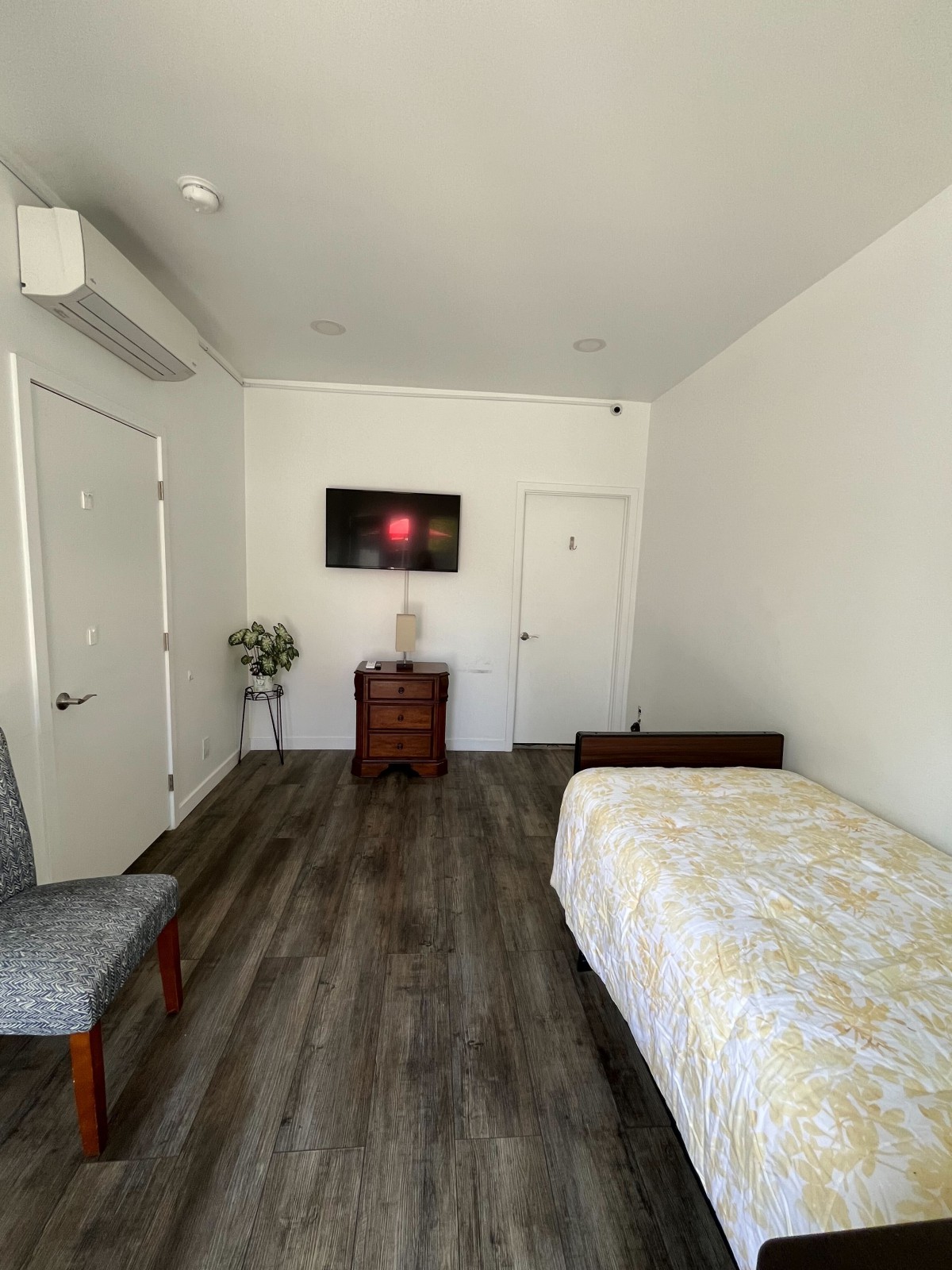
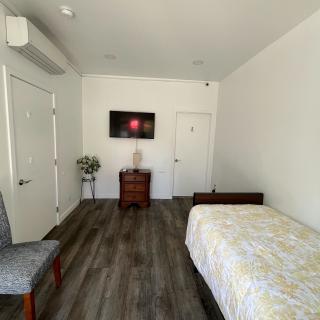
 Fully furnished
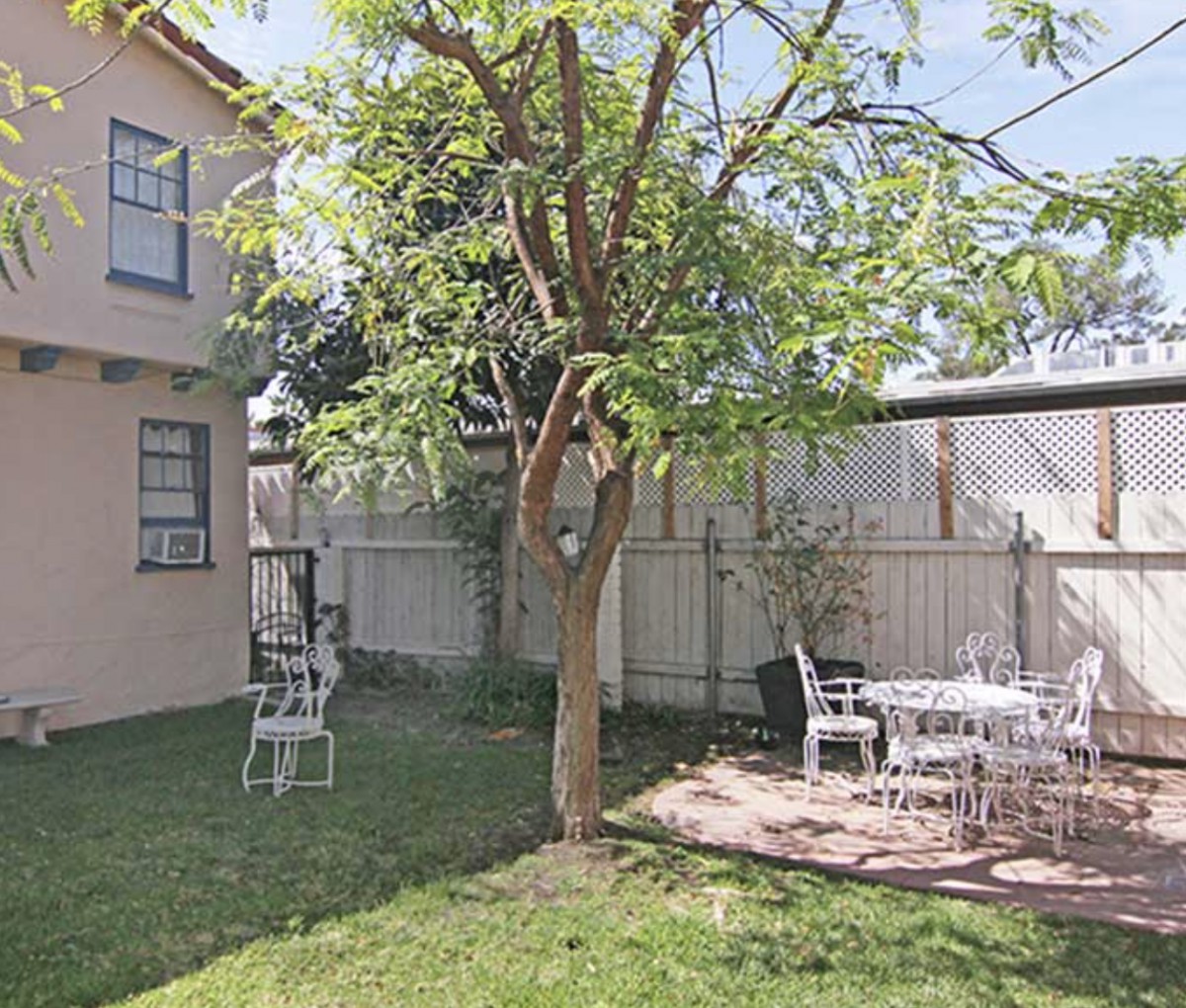
 Garden
 Housekeeping services
 Move-in coordination
 Outdoor space
 Telephone
 Wi-Fi/high-speed internet available
 Burbank-Glendale-Pasadena (7 miles away)
 24-hour supervision
 Activities of daily living assistance
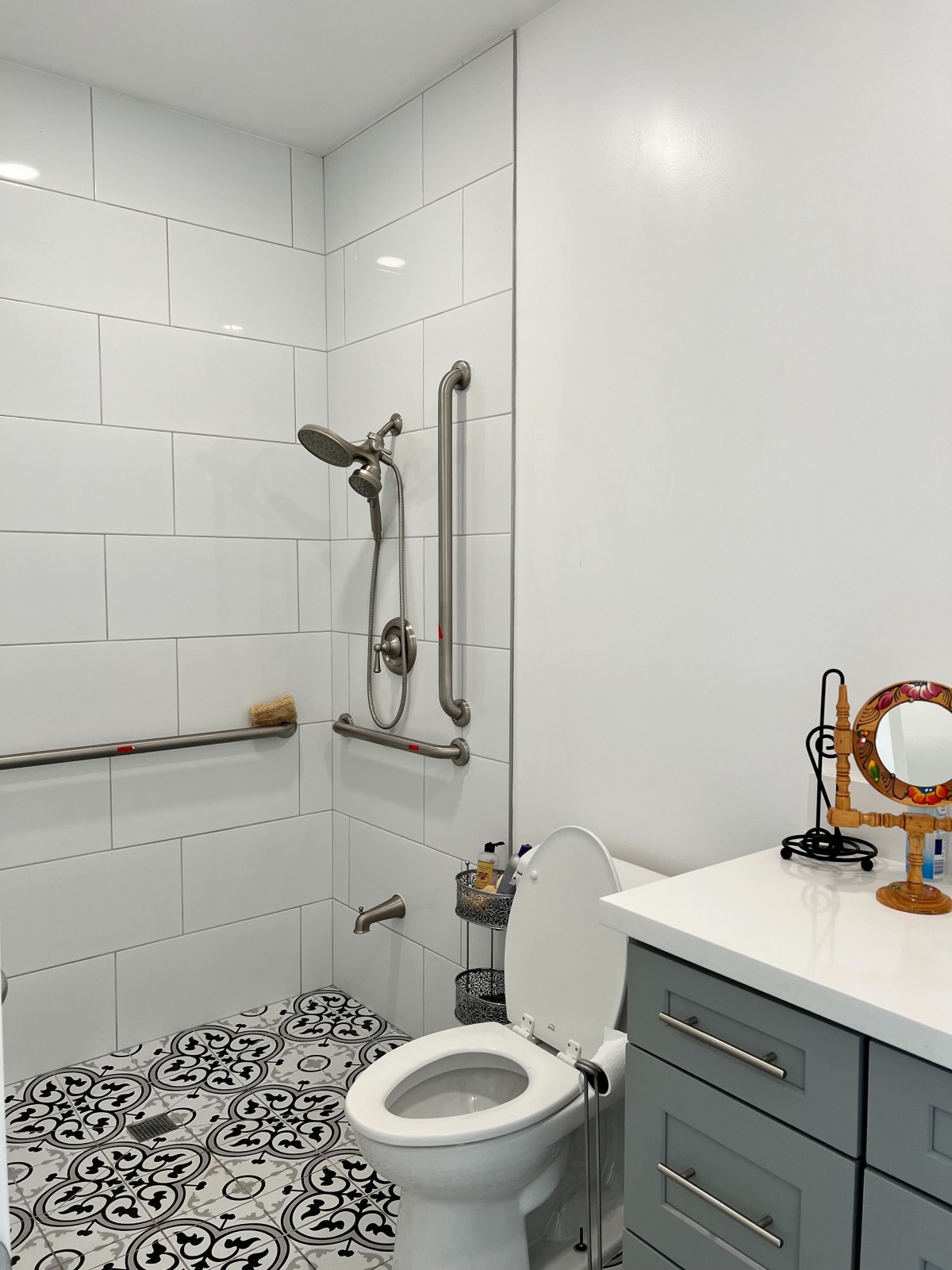
 Assistance with bathing
 Assistance with dressing
 Assistance with transfers
 Diabetes diet
 Meal preparation and service
 Medication management
 Special dietary restrictions
 Transportation arrangement (medical)
 Transportation to doctors appointments





 Understanding the True Cost of Assisted Living in 2025: A Comprehensive Guide
 Understanding Medicaid Coverage for Assisted Living: A Comprehensive Guide
 How and When Medicaid May Cover Assisted Living Costs