
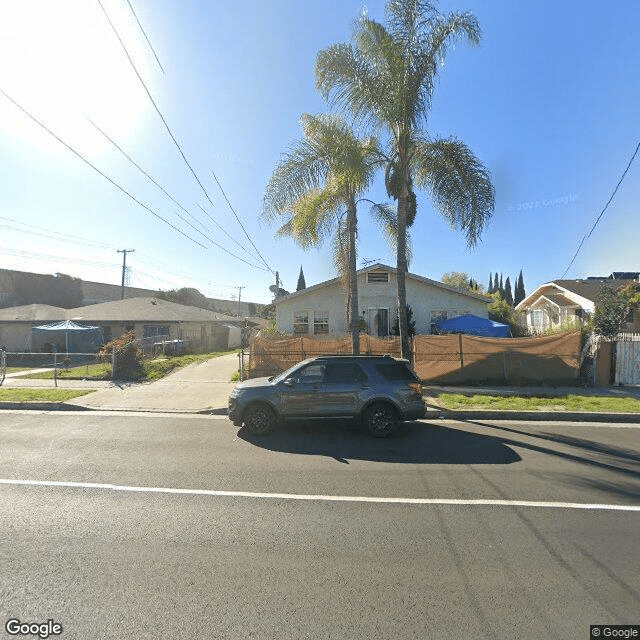
636 W Gardena Blvd, Gardena, CA 90247
To contact a resident: (310) 515-9801
For more information about senior living options: (866) 208-4318
Overall Review of Hope & Unity Board & Care
Pros
 The church has an inviting community of regulars from all walks of life.
- There is live worship music and services that focus on Scripture without filler.
- Sundays at 11am are welcoming, with a life-group on Saturdays and outreach opportunities around Gardena.
- The church is awesome and has friendly people, making for great services.
- It is a place where the spirit is recharged, refreshed, and fed the Word of God.
- It is an excellent Bible-based church and highly recommended.
Cons
 The church needs more prayer, more love, and help for people to overcome addictions.
- Someone felt they were treated as homeless rather than as a sister.
- The commenter hopes Pastor Bruse sees this comment.
Review
Hope & Unity Board & Care in Gardena is best suited for seniors and adults who want a tightly knit, faith-forward living environment where worship and fellowship are woven into daily life. The tapestry of experiences described by residents and visitors centers on a welcoming church-like atmosphere: live worship, scripture-focused messages, and regular opportunities to connect with others through life groups and outreach. In this setting, spiritual nourishment and social belonging appear to be the primary drivers of daily life, making it a natural fit for those who value a robust faith community as part of their living arrangement.
Explicitly, alternatives should be considered by families seeking a secular, non-religious environment or by those who prioritize formal, professionally staffed medical care over faith-based programming. The reviews reveal a strong church culture, but no clear evidence of comprehensive clinical oversight or medical caregiving typical of traditional assisted living. Families needing detailed care plans, memory-care supervision, or consistent professional governance may want to explore options with documented, nonsectarian care protocols and more predictable oversight, rather than a setting where spiritual life and community events dominate the daily schedule.
The strongest prosaic advantages lie in the warmth of the people, the immediacy of community, and the spiritual sustenance offered. Elevenfold praise for friendly attendees, inviting worship, and a Bible-based approach underscores a sense of belonging that can significantly lift mood and reduce isolation. The cadence of services, with a focus on scripture and meaningful worship rather than filler, plus Saturday life groups and local outreach, creates ongoing engagement that can be emotionally and socially meaningful for residents who value purpose-driven activity and regular opportunities to give back.
However, one notable negative review tempers the otherwise positive tone. A resident’s concern about being treated as homeless rather than as a sister points to potential gaps in leadership responsiveness or in how sensitive issues are handled. For families, this signals a risk: interpersonal dynamics and governance style may influence resident comfort and perceived dignity. When coupled with reports of addiction among community members, the impression is that leadership culture and resident-rights processes warrant careful inquiry. These are meaningful considerations for those who fear inconsistency in care, respect, or conflict resolution.
From a decision-making standpoint, the pros of a faith-centered, socially rich environment offset many drawbacks for residents who prioritize spiritual life and communal support. The cons are not about absence of care but about leadership tone and the mismatch between religious community priorities and expectations for professional caregiving. Prospective residents should visit with eyes open: assess how comfortable the daily rhythm feels, how care and safety are documented, and whether resident grievances are acknowledged and addressed in a timely, respectful manner. Paired with a candid discussion about staff training and emergency protocols, these observations will clarify fit.
The bottom line is clear: Hope & Unity Board & Care is a strong fit for those for whom faith, worship, and communal outreach are the core appeal, and who value a sense of belonging over a highly clinical care environment. Families with secular expectations or a need for turnkey medical oversight should consider alternatives that offer stronger credentialed care, objective governance, and a more varied activity slate beyond church-based programs. Before deciding, arrange a guided visit, talk to current residents and staff, request a copy of the grievance policy, and ask how pastoral activities integrate with daily care, safety, and resident rights.
 Board and Care Home
 Los Angeles International (8 miles away)


 Comprehensive Look at Senior Blood Pressure Charts: Normal and Elevated Levels by Age
 Top Canine Companions for Older Adults
 Comprehensive Guide to Blood Pressure Charts for Older Adults: Understanding Normal and High Readings by Age