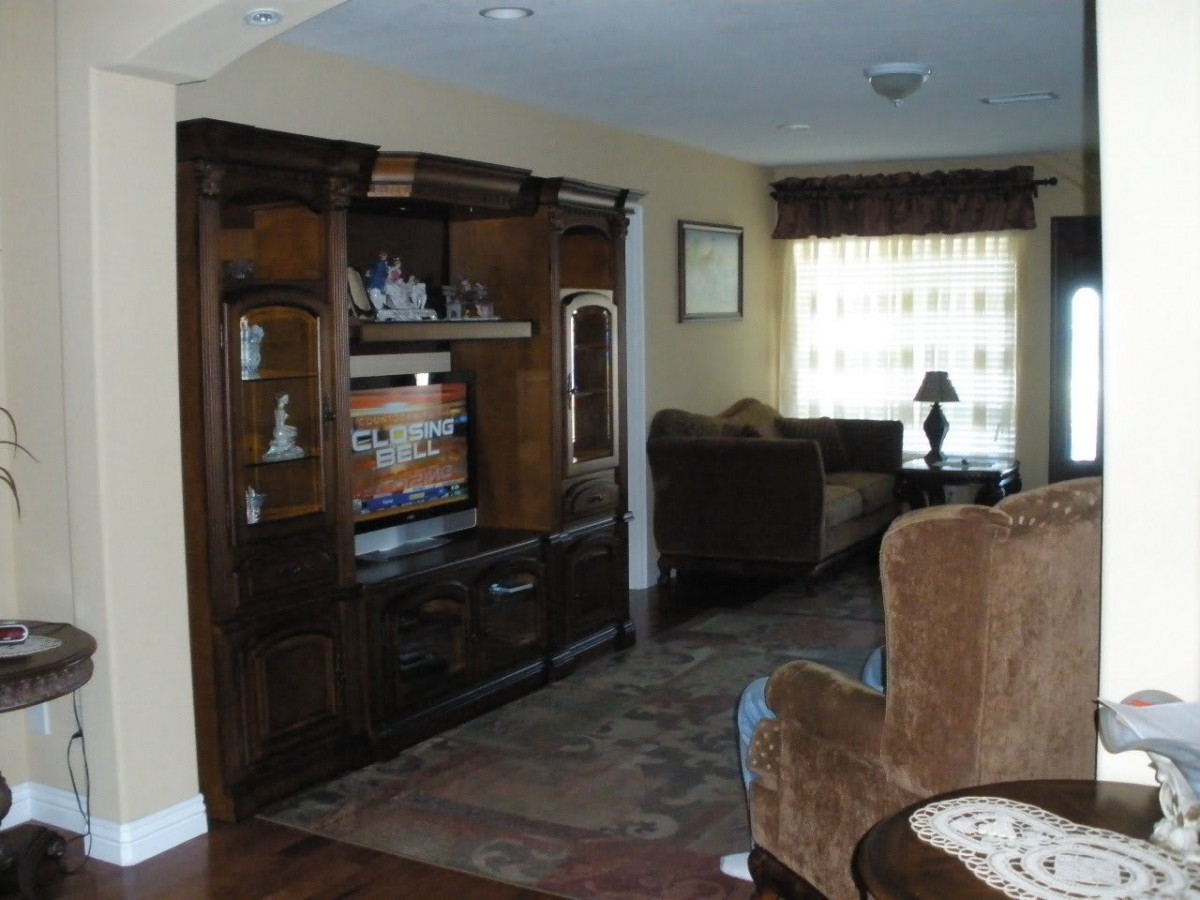
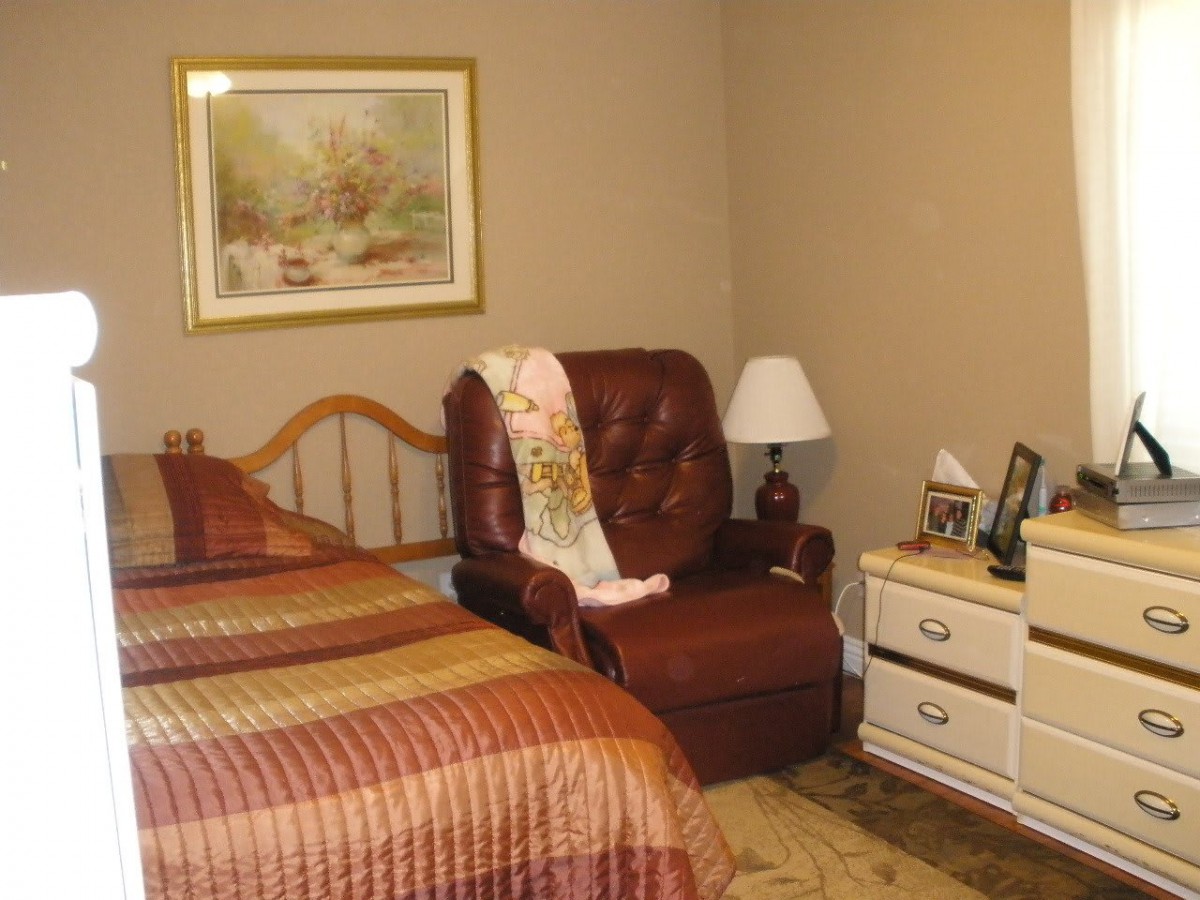
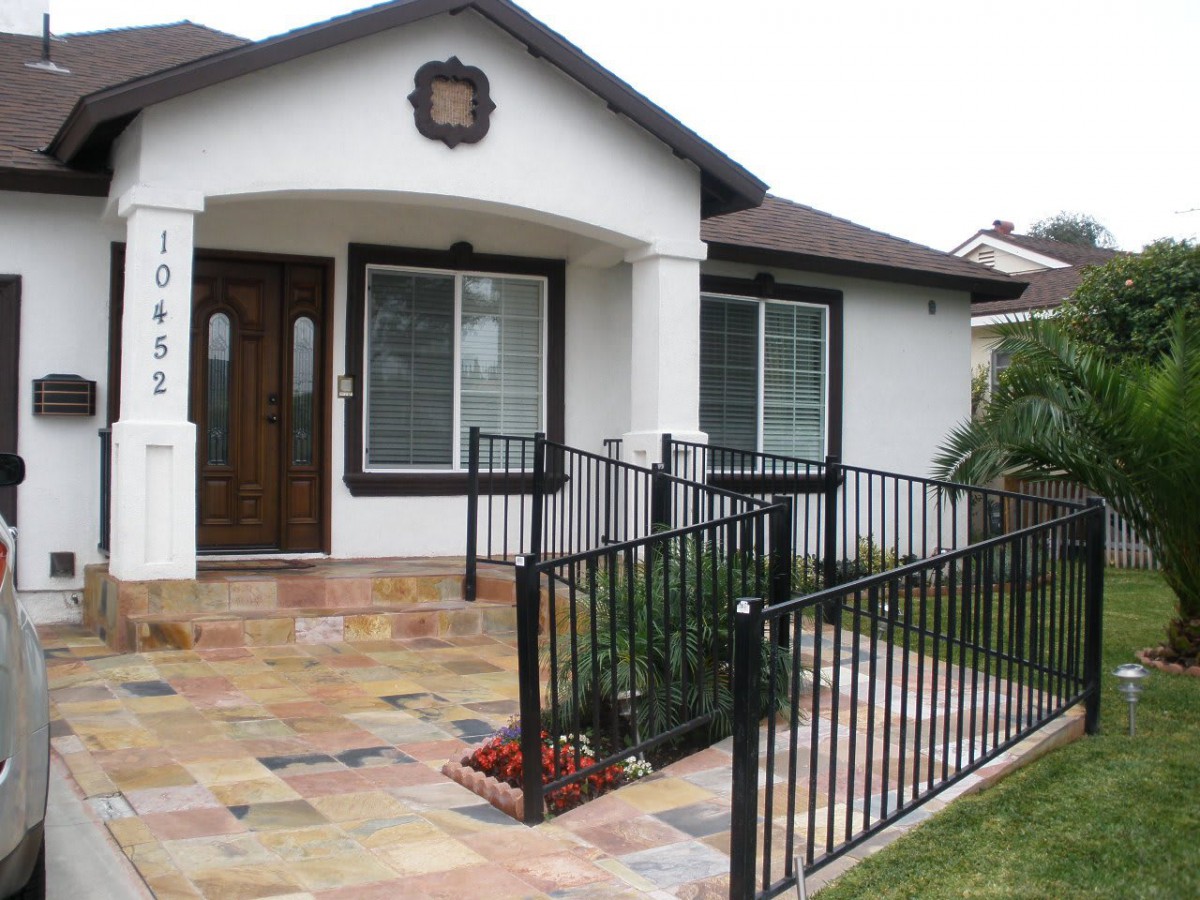
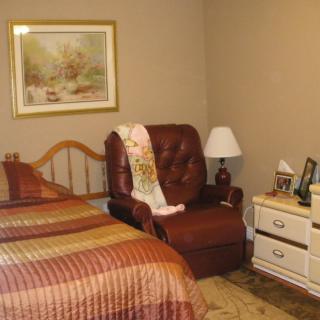
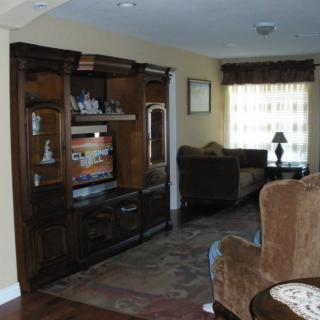
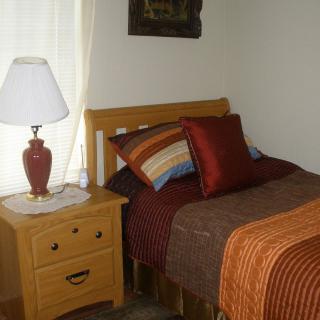
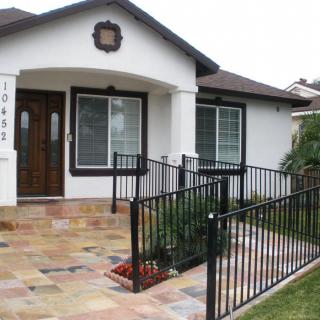
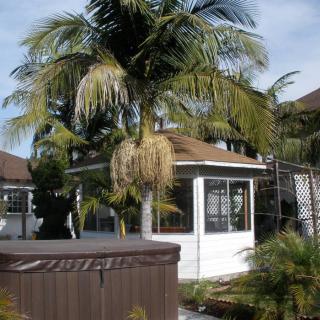
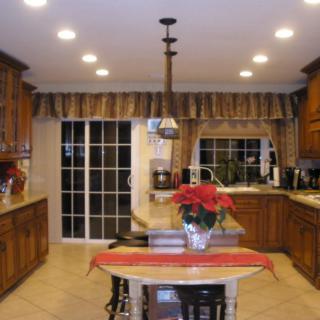
10452 Mildred Avenue, Garden Grove, CA 92843
For more information about senior living options: (866) 208-4318
South Coast Manor C Costs & Pricing
South Coast Manor C offers competitive pricing for its room types when compared to both Orange County and the broader state of California. With a monthly cost of $3,500 for a semi-private room, it is slightly higher than the average in Orange County at $3,431, yet it remains more affordable than the state average of $3,333. For private rooms, South Coast Manor C's fee of $4,500 positions it above Orange County's average of $4,104 and California's general cost of $3,939. These figures suggest that while South Coast Manor C provides quality accommodations that may command a premium compared to its local counterparts, residents can expect value through its services and amenities.
| Floor plans | South Coast Manor C | Orange County | California |
|---|---|---|---|
| Semi-Private | $3,500 | $3,431 | $3,333 |
| Private | $4,500 | $4,104 | $3,939 |
Assisted Living communities with a similar price nearby
-
from +$495 / mo
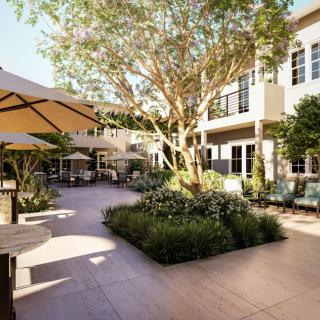
Cadence Brea
$3,995 to $5,500 / month10.5 miles away -
About the same
Kind Heart Home Care VI
$3,500 to $5,000 / month21.1 miles away -
About the same
Loving Home Care
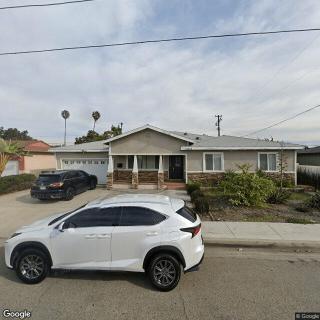
$3,500 to $4,500 / month3.0 miles away -
from -$200 / mo

Bella Manor II
$3,300 to $4,290 / month8.5 miles away -
from +$500 / mo
Palomino Residential Care
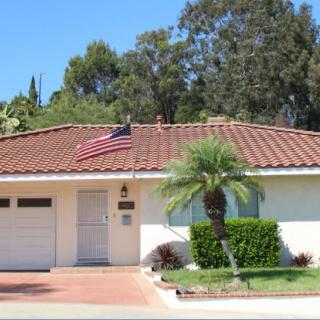
$4,000 to $6,000 / month21.9 miles away
Overall Review of South Coast Manor C
Pros
 The staff and leadership at The Grove Post Acute are top-notch and resident-focused.
- The facility is run by caring, compassionate professionals who go above and beyond.
- The social workers provide knowledgeable, understanding, and patient support to families.
- The recent renovation has left the facility incredibly nice and up-to-date.
- The care for residents with dementia and limited mobility is outstanding.
- The activities department engages residents and helps them develop new hobbies, like painting.
- The environment is clean, bright, and welcoming, with friendly, helpful staff and varied dining options.
Review
South Coast Manor C is best suited for families that want a highly engaged, leadership-driven skilled nursing and post-acute rehab environment where visible accountability from the top translates into consistently responsive care. This community earns its strength from a management team that prioritizes residents, paired with a clinical staff, doctors, nurses, and CNAs, whose daily focus centers on well-being, recovery, and reliable communication with families. For loved ones who need robust therapy services and an environment that feels cared-for and actively managed, this is a prudent, purpose-driven option that tends to deliver meaningful progress and steady peace of mind.
Those weighing alternatives should consider settings with different emphases. If a quieter, less intensive pace is the priority, or if a more specialized memory-care environment is required, the family may want to explore facilities with a more subdued routine or dedicated dementia programs. Price sensitivity or preference for a smaller, homelike atmosphere could also steer toward other communities. While the current reviews highlight exceptional leadership and care, values like pace, programming specificity, and the breadth of memory-support services can be decisive for certain residents and families.
The core strengths cohere around exceptionally focused leadership and a stable, compassionate staff culture. Reviews repeatedly point to a director and administrative team that sets a tone of attentiveness, with doctors and nurses delivering reliable clinical support and CNAs who repeatedly earn praise for patience and hands-on assistance. The social workers emerge as a standout resource, guiding families through transitions and care planning with depth and practicality. The rehabilitation team, physical and occupational therapists, receives explicit commendation for coaching and motivation, underscoring the facility’s emphasis on tangible recovery and mobility gains.
Beyond staff, the environment itself reinforces the care model. The facility has undergone renovations that refresh the aesthetics, making spaces feel bright and welcoming, which in turn supports mood and participation in activities. An updated, clean setting, coupled with a well-organized admissions and reception experience, helps families feel confident in the continuity of care from day one. The activities department also receives praise for engaging residents in meaningful pursuits, such as art and social programs, which complements clinical recovery and sustains overall quality of life during post-acute stays.
On the potential downside, even when the reviews are uniformly glowing, the value proposition rests on a fairly high-contact, hands-on model. For families seeking minimal disruption or a more passive daily schedule, the intensity of daily staff engagement may feel overwhelming to some residents. Additionally, the reviews do not specify a dedicated memory-care unit, so families with residents who require intensive, long-term cognitive supports should verify the availability and fit of memory programs and staff expertise. In short, the pros are compelling, but fit hinges on aligning care intensity and memory-care capabilities with the individual’s needs and preferences.
In practical terms, decision-makers should prioritize a direct conversation about leadership visibility, turnover, and how care plans are communicated. Schedule meetings with the director, social workers, and the rehab team to hear how resident goals are set and tracked, and request transparent examples of progress notes and discharge planning. Tour the facility during and after therapy sessions to observe workflow, nurse-patient ratios, and the responsiveness of reception and maintenance teams. If the goal is a recovery-forward environment with a strong sense of community and accountable leadership, this community stands out as a top-tier option worth prioritizing in the comparison set.
 4 resident community capacity
 Assisted Living
 Board and Care Home
 Activities on-site
 Beautician on-site
 Cable or satellite TV
 Devotional services off-site
 Dining room
 Fully furnished
 Garden
 Housekeeping services
 Indoor common areas
 Move-in coordination
 Outdoor common areas
 Private
 Telephone
 Wi-Fi/high-speed internet available
 John Wayne Orange Co (8 miles away)
 24-hour supervision
 Ambulatory care
 Assistance with bathing
 Assistance with dressing
 Assistance with transfers
 Diabetes diet
 High acuity care
 Incontinence care
 Meal preparation and service
 Medication management
 Special dietary restrictions
 Transportation arrangement (medical)
 Transportation to doctors appointments



 Comprehensive Supportive Living Arrangements for Adults with Disabilities
 Funding and Affording Assisted Living: A Thorough Overview
 Assisted Living Expenses and Long-Term Care Insurance: A Comprehensive Exploration