
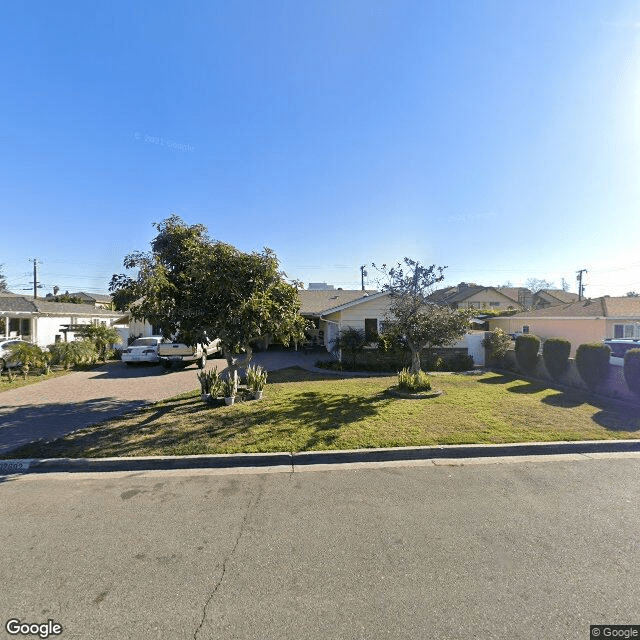
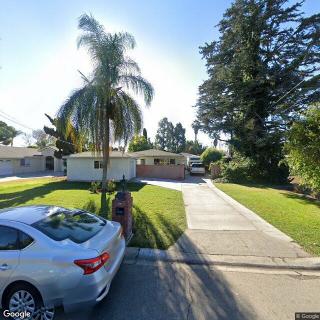
12692 Blackthorn Street., Garden Grove, CA 92840
For more information about senior living options: (866) 208-4318
New Era Guest Home Costs & Pricing
New Era Guest Home offers its services at a flat rate of $5,000 per month across all room types, including private rooms, semi-private accommodations, studios, and one-bedroom units. When compared to the regional costs in Orange County and statewide averages for California, it becomes evident that New Era's pricing is positioned at the higher end of the spectrum. Specifically, while Orange County rates for private rooms average around $4,104 and semi-private options are approximately $3,431, New Era maintains a premium pricing structure. Similarly, the average costs for studio and one-bedroom units in California are slightly lower than what New Era charges. This pricing may reflect a variety of factors such as quality of care, amenities offered, or specialized services that cater to residents' needs within New Era Guest Home.
| Floor plans | New Era Guest Home | Orange County | California |
|---|---|---|---|
| Private | $5,000 | $4,104 | $3,939 |
| Semi-Private | $5,000 | $3,431 | $3,333 |
| Studio | $5,000 | $4,313 | $4,145 |
| 1 Bedroom | $5,000 | $4,380 | $4,340 |
Memory care communities with a similar price nearby
-
from -$500 / mo
Heritage Senior Home Care
$4,500 to $4,800 / month24.9 miles away -
from -$500 / mo
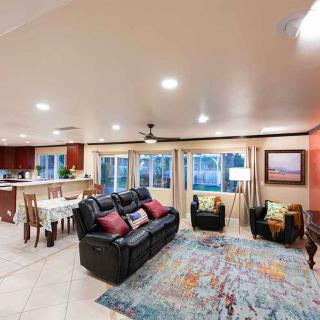
Casa Bella
$4,500 / month8.1 miles away -
from +$500 / mo
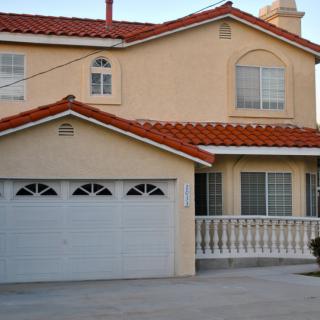
Kind Heart Home Care III
$5,500 to $6,000 / month20.9 miles away -
from -$500 / mo
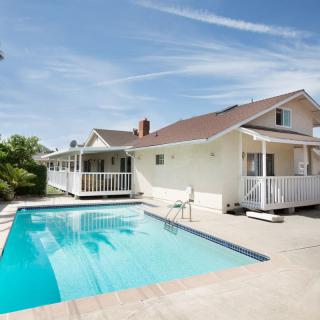
Blessings Senior Care
$4,500 to $5,500 / month3.5 miles away -
from -$500 / mo
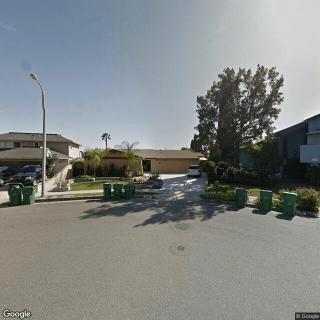
Adriana Elderly Care Home I
$4,500 / month19.1 miles away
Overall Review of New Era Guest Home
Pros
 The caregivers are amazing.
- They take great care of residents, and residents like them.
- The home feels more like a home than a facility.
- Families feel blessed to have found this home.
Review
New Era Guest Home in Garden Grove is best suited for families seeking a warm, home-like setting where daily caregiving quality is the primary driver of comfort and safety for a senior loved one. This community is ideal for residents who prize personal relationships with caregivers, where conversations feel familiar and staff presence becomes a steady, reassuring routine. It works best for families that want to minimize frequent moves or transfers, and for seniors who respond positively to a small, intimate environment that emphasizes genuine warmth over impersonal efficiency. In short, it serves well those who value a house-right feel and highly attentive, hands-on care above all else.
For families weighing alternatives, this setting may be less attractive to those requiring robust, facility-wide medical oversight or expansive programming. Potential residents who need extensive rehabilitation services, complex clinical management, or a broad spectrum of organized activities and amenities might find larger communities with more staff, on-site therapies, and scheduled social programs a better fit. If uncertainty about medical resources or variety of senior activities is a priority, exploring options with clearly defined clinical teams and broader service lineups would be prudent. Likewise, families seeking a highly structured, conventional facility feel may prefer bigger campuses with more formal routines.
The core strengths here revolve around the caregiving team. The caregiver staff earns standout marks for consistency, attentiveness, and genuine care, translating into meaningful daily interactions that resonate with seniors and reassure families. The resident’s mother appears to respond positively to the caregivers, forming trust and comfort through regular, personal attention. That regular warmth contributes to a sense of security and predictability, which can reduce anxiety for both the resident and the family. The atmosphere is described as more like a home than a facility, a distinction that matters for emotional well-being, reducing agitation, and supporting a calmer daily rhythm.
Given the lack of reported negatives in the available feedback, the main considerations become hypothetical trade-offs rather than explicit flaws. In smaller, home-like settings, the breadth of on-site programming and the depth of medical oversight can be more limited than in larger communities. This means fewer organized outings, a narrower range of therapeutic activities, and potentially less immediate access to specialized medical equipment or staff. Such trade-offs are not faults when balanced by the strength of caregiver relationships; however, they are worth confirming directly with leadership before committing, especially for residents with higher medical needs or those seeking a bustling social calendar.
When the strong caregiver bond is matched against potential limitations, the positives tend to carry the day. Highly engaged, loving care can offset concerns about fewer formal activities or specialized services by delivering consistency, recognizing subtle changes in health or mood, and tailoring routines to each resident’s preferences. The home-like environment amplifies comfort, reduces stress, and fosters a sense of belonging, which in turn supports dietary habits, sleep quality, and mood stability. For families prioritizing peace of mind through strong daily contact and a trusted, familiar caregiver team, these advantages outweigh the typical drawbacks associated with smaller, less program-rich settings.
Decision guidance follows a practical, results-focused path. New Era Guest Home is a compelling choice for seniors who gravitate toward intimate care where caregivers know names, preferences, and routines, and where the living space feels more like a house than a hospital. It is particularly well-suited for families who want predictable, steady caregiving and are comfortable with a potentially smaller set of activities and clinical options. Those who require extensive medical oversight, a broad menu of structured programs, or highly specialized memory-care support should scrutinize alternatives that emphasize clinical resources and larger, more dynamic activity calendars. A direct visit, discussion of staff-to-resident ratios, care planning processes, and how medical needs are managed on a day-to-day basis will illuminate whether the strengths align with specific health and lifestyle requirements.
 6 resident community capacity
 Assisted Living
 Board and Care Home
 Memory Care
 Cable or satellite TV
 Dining room
 Fully furnished
 Garden
 Housekeeping services
 Move-in coordination
 Outdoor space
 Private
 Respite or short term stays offered
 Telephone
 Wheelchair accessible showers
 Wi-Fi/high-speed internet available
 John Wayne Orange Co (9 miles away)
 24-hour supervision
 Activities of daily living assistance
 Ambulatory care
 Assistance with bathing
 Assistance with dressing
 Assistance with transfers
 Diabetes diet
 Diabetic care
 High acuity care
 Incontinence care
 Meal preparation and service
 Medication management
 Special dietary restrictions
 Transportation arrangement (medical)
 Transportation to doctors appointments
 Guiding Your Journey: Understanding Power of Attorney for Elderly Parents
 22 Remarkable Caregiver Support Groups Available Online and In-Person
 Understanding Medicaid Coverage for Assisted Living: A Comprehensive Guide