
504 West Mesa, Fresno, CA 93704
For more information about senior living options: (866) 208-4318
Overall Review of Valley Christian Home II
Pros
 The staff went above the call of duty.
- They visited the mother daily in the hospital and even fed her two meals a day.
- The facility is described as the best the reviewer has ever heard of.
- They care for residents who need assistance to stand.
- The mother loved the food there.
- They organized games and activities for the residents.
- There is no better place.
- The staff are Filipino and attended the funeral.
- Everyone there loves it.
Review
Valley Christian Home II is best suited for families seeking a small, intimate, home-like setting in Fresno where elderly residents can receive highly attentive, person-centered care without the bustle of a larger campus. This community shines for seniors who can participate in social activities, enjoy regular meals together, and benefit from a staff team that treats residents like family. The setting is clearly built around relationships: a tight cohort (about six residents), stable caregiver engagement, and a culture of warmth that translates into daily routines, meals, and activities that feel familiar and comforting. For families wanting a warm, neighborly atmosphere with predictable caregiver attention, this community stands out.
By the same token, some residents may want to consider alternatives. Those needing round-the-clock skilled nursing, complex medical oversight, or intensive clinical services on-site may find a larger, more resource-rich setting more suitable. If memory care requirements, advanced therapies, or rapid access to a broader medical team are priorities, a bigger assisted living or a dedicated memory-care community could be a better match. Families seeking a facility with frequent on-site specialists, diversified care options, or more scalable care levels should compare options to ensure a seamless transition if care needs evolve.
The strongest pro-arguments pivot on staff devotion and personalized care. The caregiver team demonstrated extraordinary commitment, including daily hospital visits for a resident and even providing meals at the hospital, which underscores a level of hands-on involvement that’s rare in larger settings. This depth of attention translates into dependable routines, predictable caregiving, and meaningful interactions that foster very strong trust. The small resident group allows staff to know preferences intimately, foods, activities, and social dynamics, making daily life cohesive and dignified. When meals, games, and group activities are part of the program, the benefit of consistent, human-scale care becomes a decisive plus.
Another clear strength is the facility’s culture and atmosphere. The review notes a strong sense of community, with residents and visiting family feeling welcomed and valued. The staff’s cultural alignment, Filipino caregivers who connect with residents and families on a personal level, can be a substantial comfort for families seeking continuity of care within a familiar cultural framework. The physical setup reinforces this warmth: a “second-floor home” feel with the first floor reserved for residents, suggesting a layout that prioritizes intimate interactions and safe, supervised mobility. Such design and staffing choices help residents feel seen, secure, and engaged, which can offset the limitations that come with a smaller operation.
Nonetheless, it is prudent to acknowledge practical caveats that stem from the same small-scale model. With a six-resident count and a two-floor configuration, the facility may have tighter on-site medical resources and fewer paid hands for around-the-clock nursing tasks than larger communities. Residents who require constant clinical oversight, extensive therapy services, or rapid access to hospital-level care might outgrow this setting as needs evolve. In planning, families should confirm what on-site medical staff is available, how often therapists visit, and what the process looks like for transfers to hospitals or specialists. Accessibility expectations, such as elevator access, stairs, and safe transfers, also deserve explicit confirmation given the two-floor arrangement.
For families seriously weighing Valley Christian Home II, the prudent next steps are clear. Inquire about staff-to-resident ratios across different shifts, the on-site clinical qualifications of caregivers, and the cadence of therapeutic services. Request a candid tour that focuses on meal preparation, activity calendars, and the daily rhythm, then verify whether residents can comfortably participate in the planned routines. If the resident prizes companionship, familiar foods, and a palpable sense of being cared for in a small community, this home is a compelling match. If, instead, a resident’s trajectory points toward higher medical dependency or the need for a larger, more resource-dense campus, explore alternatives to ensure continuity of quality care as needs shift. Valley Christian Home II stands as a distinguished option for the right fit, delivering extraordinary attentiveness and a family-centered environment worth pursuing for families who value those exact qualities.
 6 resident community capacity
 Assisted Living
 Board and Care Home
 Respite Care
 Cable or satellite TV
 Dining room
 Fully furnished
 Garden
 Housekeeping services
 Move-in coordination
 Outdoor space
 Telephone
 Wi-Fi/high-speed internet available
 Fresno Yosemite International (6 miles away)
 24-hour supervision
 Activities of daily living assistance
 Assistance with bathing
 Assistance with dressing
 Assistance with transfers
 Diabetes diet
 Meal preparation and service
 Medication management
 Special dietary restrictions
 Transportation arrangement (medical)
 Transportation to doctors appointments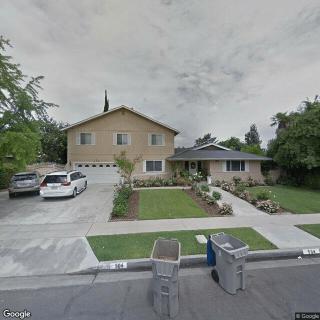

 Social Security Benefits and Assisted Living: Navigating Options Across the U.S.
 An Extensive Exploration of the VA Aid and Attendance Benefit
 Senior Transition Services: Understanding Their Role, Cost, and Importance