
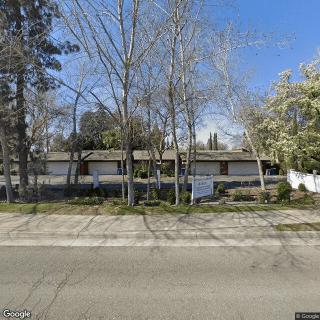
455 South Kona, Fresno, CA 93727
For more information about senior living options: (866) 208-4318
Overall Review of Peterson Residential
Pros
 The company provided a fair quote and clear explanations about how everything would work, including the timeline.
- Installations were completed within a month, with neat, clean work and inspections that passed without problems.
- There were no surprises or delays, and everything worked exactly as promised.
- Customers described the overall experience as wonderful.
Cons
 Petersen Dean went bankrupt in 2020.
- The warranty is no good.
- The solar battery has never worked properly.
- The system was bad from the start.
- The CEO should never be allowed to do business again.
- The salespeople are dishonest and misrepresent financing terms.
- The company is a fraud; it doesn't pay its debts and ignores emails.
- The company let customers down with months-long installation delays and outages.
Review
Best suited for buyers who chase the lowest upfront price and are prepared to tolerate significant risk around warranty coverage and ongoing service. This option may attract those who can live with potential ownership churn, opaque financing details, and the possibility of deferring or disputing promises after the sale. In practical terms, it serves a niche audience: price-sensitive households that can weather administrative friction, accountability gaps, and a requirement to push for resolution rather than rely on a dependable post-sale support system.
Those who should consider alternatives are clear: seniors or families who depend on predictable, timely warranty service and consistent post-sale care. If reliability matters, whether it’s prompt repairs, straightforward financing terms, or stable ownership with clear accountability, look elsewhere. The consistent theme across the credible experiences is that service reliability, warranty responsiveness, and financial stability are not reliably demonstrated here, making this a risky fit for anyone who cannot absorb frequent delays or dispute-driven escalations.
On the plus side, there is at least one account of a smoother engagement: a fair quote, transparent explanations of timelines, clean installation, and a smooth hookup to the grid with no unwelcome surprises. That isolated positive experience shows what the operation can achieve under favorable conditions. However, it is insufficient to offset the broader pattern, where expectations around warranty performance, after-sale service, and ongoing support repeatedly falter. The contrast between one solid, trouble-free project and the rest underscores a reliability problem that compounds risk for anyone relying on long-term service.
The overwhelming downside centers on warranty fragility and service neglect. Multiple reviews describe warranty issues that go unanswered for months, and a pattern of unresponsiveness to calls and emails when problems arise. Reports of bankruptcy, mergers or acquisitions, and a lack of clear transferability or continuity of obligations further erode trust. Delays in installation and post-installation work, coupled with accusations of misleading sales practices, paint a picture of a provider that appears to overpromise and underdeliver in critical areas. For families managing memory care, medical devices, or essential household systems, those gaps are not tolerable.
In practical terms, the case for proceeding hinges on mitigating those risks with hard, contractual safeguards. Prospective buyers should demand transferable warranties with real service level commitments, a fixed, enforceable completion timeline, and clear points of contact with documented escalation paths. Require a detailed written explanation of financing terms, including how any tax credits or refinancing affect payments, and insist on third-party confirmations of any promises. Verify the financial stability of the parent organization, confirm the continuity of service in the event of corporate changes, and gather solid references from multiple recent customers. Doing so transforms a high-risk purchase into something with explicit remedies and accountability, though the underlying risk profile remains unfavorable for anyone prioritizing reliability and long-term support.
Ultimately, the prudent stance is clear: for families prioritizing stability, predictability, and dependable warranty coverage, this option presents an elevated risk not worth taking. The combined weight of bankruptcy risk, inconsistent warranty service, and frequent communication failures makes other providers a smarter bet. When peace of mind and sustained post-sale support are non-negotiable, the recommended path is to seek alternatives with proven financial stability, transparent terms, and a demonstrated track record of honoring commitments after the sale. The decision should favor communities that can demonstrate steady ownership, reliable response times, and enforceable warranties that survive corporate changes.
 6 resident community capacity
 Assisted Living
 Board and Care Home
 Cable or satellite TV
 Dining room
 Fully furnished
 Garden
 Housekeeping services
 Move-in coordination
 Outdoor space
 Telephone
 Wi-Fi/high-speed internet available
 Fresno Yosemite International (3 miles away)
 24-hour supervision
 Activities of daily living assistance
 Assistance with bathing
 Assistance with dressing
 Assistance with transfers
 Diabetes diet
 Meal preparation and service
 Medication management
 Special dietary restrictions
 Transportation arrangement (medical)
 Transportation to doctors appointments




 8 Key Indicators That Suggest It May Be Time to Transition from Assisted Living to Skilled Nursing Care
 Vibrant Senior Living: A Comprehensive Guide for Active Older Adults
 When to Transition from Assisted Living to Memory Care: Key Indicators, Steps, and Finding the Right Community