
269 West Palo Alto Avenue, Fresno, CA 93720
For more information about senior living options: (866) 208-4318
Palo Alto Residential Care Home Costs & Pricing
Palo Alto Residential Care Home offers competitive pricing for its private rooms, with a monthly cost of $2,112. This is significantly lower than the average rates found in Fresno County, which stand at $3,589, and even more so compared to the overall costs across California, averaging $3,939. This makes Palo Alto an attractive option for those seeking quality care in a comfortable residential setting while benefiting from substantial savings compared to both local and state averages. The affordability of Palo Alto Residential Care Home allows families to consider high-quality care without compromising on financial stability.
| Floor plans | Palo Alto Residential Care Home | Fresno County | California |
|---|---|---|---|
| Private | $2,112 | $3,589 | $3,939 |
Assisted Living communities with a similar price nearby
-
from -$112 / mo
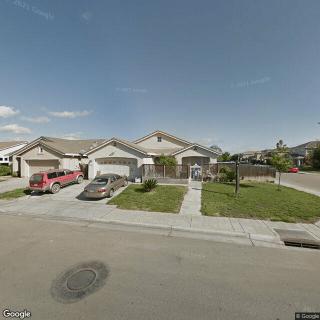
Happy Living Facility
$2,000 to $2,500 / month9.6 miles away -
from -$312 / mo
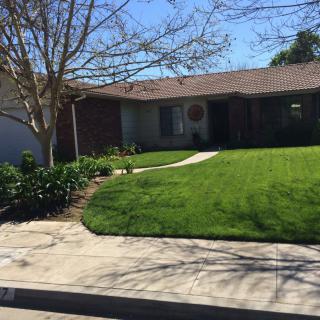
Nina's Home
$1,800 / month3.7 miles away -
from +$213 / mo
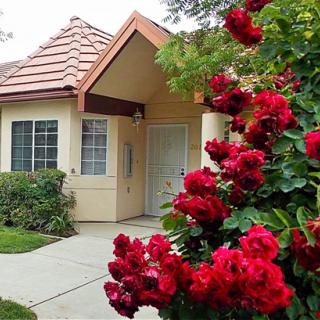
Bethel Lutheran Home
$2,325 to $2,405 / month21.4 miles away -
from -$312 / mo
Anjali House
$1,800 to $2,000 / month7.2 miles away -
from +$383 / mo
Autumn Ridge
$2,495 / month15.6 miles away
Overall Review of Palo Alto Residential Care Home
Pros
 The place is great with wonderful staff, super clean and friendly residents.
- Visitors are highly impressed by the quality and neatness of the house, and the caretaker is friendly and inviting.
- The caregivers maintain excellent awareness of residents' needs and health status.
- All the clients are very well cared for, and there are no complaints.
- The cooking is exceptional, with residents' favorite foods often prepared.
- The care environment is clean and elegant, and the caregivers and owners genuinely care.
Review
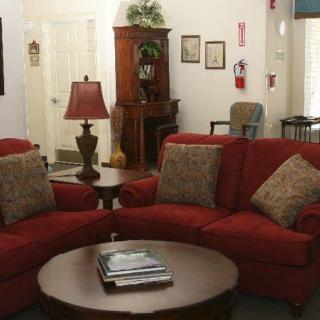
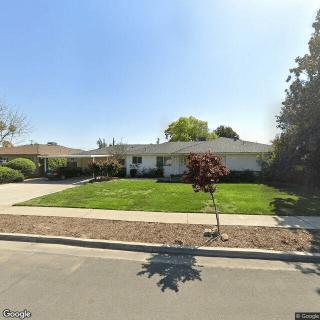
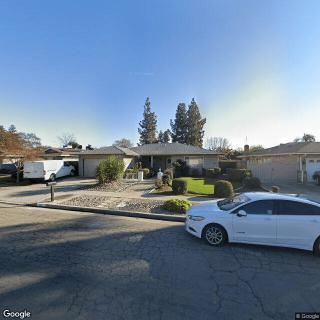
Palo Alto Residential Care Home in Fresno is best suited for seniors who want a small, home-like environment where cleanliness, personal attention, and warm caregiver relationships define daily life. This community shines for residents who value a calm, intimate setting over a bustling campus, where staff know each resident’s preferences, health status, and routines. The home’s emphasis on neatness, gracious hospitality, and thoughtful cooking makes it a strong match for individuals who appreciate consistency, daily meals tailored to taste, and a sense of being well cared for in a familiar, homelike atmosphere.
Those who should consider alternatives are the families chasing a more social, activity-rich calendar or a facility with broader on-site programming. The reviews note a desire for more activities beyond the routine social interactions, suggesting that residents who require frequent structured programming or a wide array of outings may find the programming offerings at a small home limited. Likewise, families seeking extensive medical oversight, specialized memory care, or robust rehabilitative services may prefer a larger assisted living community with dedicated clinical staff and a broader array of therapeutic options. In short, higher maintenance medical needs or a thirst for a high-energy activity schedule point toward alternatives.
The strongest positives, exceptional cleanliness, consistently attentive caregivers, and top-tier cooking, collectively offset potential drawbacks by delivering a dependable sense of safety and comfort. Caregivers are described as highly aware of each resident’s needs and health status, which translates into timely interventions and smoother daily coordination for families. The owners’ hands-on involvement reinforces trust, and the kitchen’s ability to tailor meals to residents’ tastes adds a meaningful quality of life benefit that often makes mealtimes a highlight rather than a routine obligation. When care teams function with this level of attentiveness, the risk of miscommunication diminishes, and families gain reassurance that mom or dad can remain in a small, controlled setting without sacrificing dignity or warmth.
However, this configuration is not without trade-offs. The trade-off most commonly cited is the desire for greater daily stimulation and social programming. While the home provides a pleasant social environment and opportunities for interaction among residents, the breadth and frequency of activities are not as expansive as those found in larger communities. For residents who equate life with a full calendar of outings, classes, and group adventures, that gap can be meaningful over time. Prospective families should therefore assess whether customized in-house activities and small-group engagement can reliably meet a resident’s current and evolving interests, or if a more expansive venue with a structured activity director is necessary.
Operational realities inherent to a small residential care setting also matter. With a tighter staff-to-resident ratio typical of RCFE-style homes, the personalized attention tends to be highly consistent, but it may come with less redundancy in coverage during peak vacation seasons or unexpected staff absences. Families should verify staffing patterns, shift coverage, and the availability of on-call nursing or medical support to confirm that any medical fluctuations can be managed promptly. A candid conversation about how care plans are updated, who coordinates with external providers, and how residents’ preferences are documented will reveal whether this intimate model can scale with changing needs.
In the end, the decision hinges on balance. For families prioritizing a pristine, respectful, homey setting where caregivers know residents well, meals matter, and the overall atmosphere feels safe and dignified, Palo Alto Residential Care Home offers a compelling, practical solution. It is less well-suited for those seeking intense programming, a wide array of social outings, or heavy medical or rehabilitative services under one roof. If the goal is a serene, intimate living arrangement that preserves independence as much as possible while delivering high-touch, compassionate care, this Fresno option earns strong consideration, and should be matched with clear expectations about activity levels and medical capabilities before committing.
 6 resident community capacity
 Assisted Living
 Board and Care Home
 Cable or satellite TV
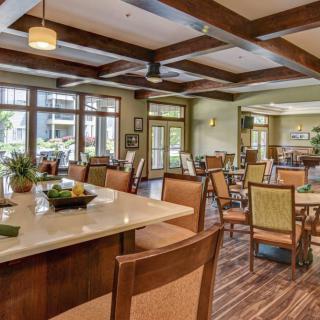
 Dining room
 Fully furnished
 Garden
 Housekeeping services
 Move-in coordination
 Outdoor space
 Telephone
 Wi-Fi/high-speed internet available
 Fresno Yosemite International (6 miles away)
 24-hour supervision
 Activities of daily living assistance
 Assistance with bathing
 Assistance with dressing
 Assistance with transfers
 Diabetes diet
 Meal preparation and service
 Medication management
 Special dietary restrictions
 Transportation arrangement (medical)
 Transportation to doctors appointments

 Funding and Affording Assisted Living: A Thorough Overview
 Assisted Living Expenses and Long-Term Care Insurance: A Comprehensive Exploration
 Securing Financial Support for Assisted Living: A Comprehensive Overview