
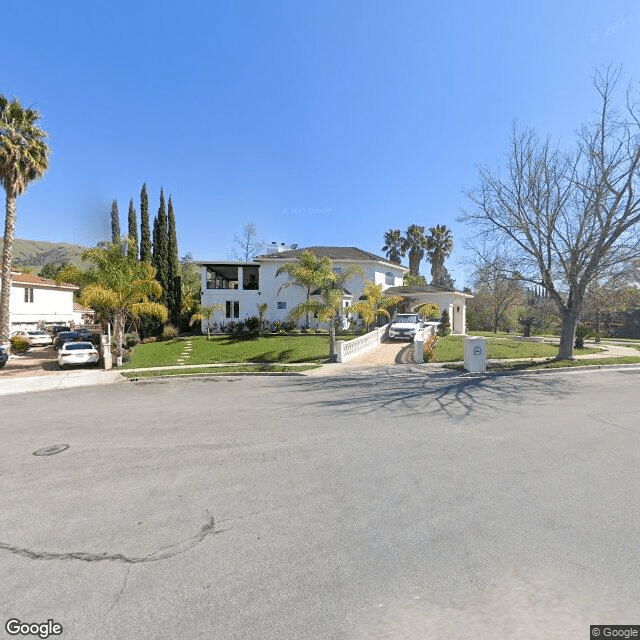
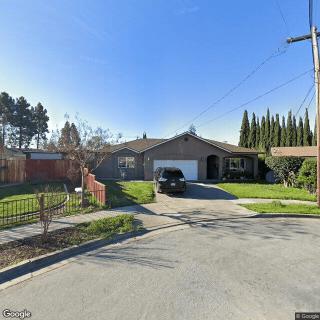
405 Chenab Court, Fremont, CA 94539
To contact a resident: (510) 770-1173
For more information about senior living options: (866) 208-4318
Overall Review of Your Carepanion - Mission San Jose
Cons
 They describe On My Care as one of the most frustrating professional experiences in their careers.
- They say the environment was supposed to be supportive and organized, but it was the opposite.
- They report not being paid on time, or at all for several months, with no explanations and an unresponsive HR.
- They view the lack of communication and accountability as unprofessional and unethical.
- They state that no clinician should have to worry about compensation, and On My Care fails in this basic responsibility.
- They advise healthcare professionals to avoid working with the company until administrative and financial issues are addressed, as it’s not a safe or sustainable place to build a career.
- They mention that some nurses were very rude and unprofessional.
Review
This Fremont community is best suited for independent seniors who require minimal hands-on care and for families willing to tolerate significant administration gaps. The reviews suggest a setting where routine care may occur, but the backbone of operations, payroll, HR responsiveness, and accountability, are unreliable. In practical terms, a resident who mostly needs social engagement, basic supervision, and a predictable daily rhythm might find some value here if accompanied by vigilant family oversight. However, the lack of dependable administrative support signals that any meaningful escalation of care or sudden medical needs could quickly overwhelm staff capacity. In short: independence with minimal care expectations, and a family prepared to manage risk, is the narrow fit.
Those considering alternatives should note that anyone relying on consistent, ethical care should look elsewhere. If a resident has chronic conditions, requires timely medication administration, or depends on a stable team of caregivers, that consistency appears doubtful based on reported payroll delays and unresponsive HR. The absence of clear explanations for pay problems signals a governance gap that can translate into care lapses. Prospective residents should also be wary if leadership shows limited accountability. In these conditions, options with documented financial stability, proactive communication, and engaged administration are far more reliable for preserving safety and quality of life.
How the main cons interact with the resident experience is telling. The core red flags, delayed or missing compensation for clinicians, no explanations, unresponsive HR, and signs of unprofessional conduct, predict a high risk of staff turnover, disengagement, and inconsistent care. When caregivers worry about payment and support, continuity of care suffers; residents may experience missed treatments, delays in response, or rough interactions. The absence of positive staff feedback or resident-focused initiatives in the reviews means there is little to balance these risks. In practice, the lack of administrative accountability undermines trust and diminishes the ability to deliver reliable assistance, safety checks, and timely help when needed.
Practical due diligence, if still evaluating, should be pointed and rigorous. Request transparent current policies on payroll, benefits, and overtime; demand direct access to HR contacts and grievance procedures; verify caregiver-to-resident ratios and average response times; review recent staff training records and credentials; and speak with current residents and families about day-to-day experiences. Ask for a formal incident log and examples of how concerns are resolved. Observe the culture in common areas, are staff engaged, attentive, and respectful? If any hesitation emerges around accountability or communication, treat that as a warning flag rather than a minor friction point.
The decision-making path should center on governance stability and care reliability. In Fremont, many families prioritize dependable care coordination, transparent governance, and steady staffing to protect safety and peace of mind. Given the concerns highlighted, it is prudent to compare this community with better-reviewed options that demonstrate financial and administrative stability, consistent caregiver engagement, and clear escalation paths. For residents who require more than social activities, such as regular medication management, mobility assistance, or specialized memory care, these factors become non-negotiable. A decisive step is to tour competing communities with a checklist focused on leadership accessibility, staff retention, and resident satisfaction metrics, then weigh those findings against the realities described here.
Bottom line: this community is not recommended for families seeking dependable, professional, and ethically managed assisted living care. The strongest negative signals are financial and administrative breakdowns that threaten care continuity and resident safety. Alternatives that show consistent payroll practices, proactive communication, and staff stability should be prioritized. For families willing to accept a cautious, risk-aware approach, this locale could still be considered, but only after rigorous verification of governance and immediate, tangible improvements in administration and caregiver support.
 Board and Care Home
 San Jose International (9 miles away)
 Respite-focused assisted living with 24/7 call system, restaurant-style dining, and transportation to doctor appointments.

 Exploring Nonmedical Home Care: Understanding Services, Costs, and Financial Approaches
 Engaging Brain Games and Innovative Apps to Keep Senior Minds Active
 Effective Strategies for Keeping Seniors' Minds Active: A Deep Dive into Brain Games and Apps