
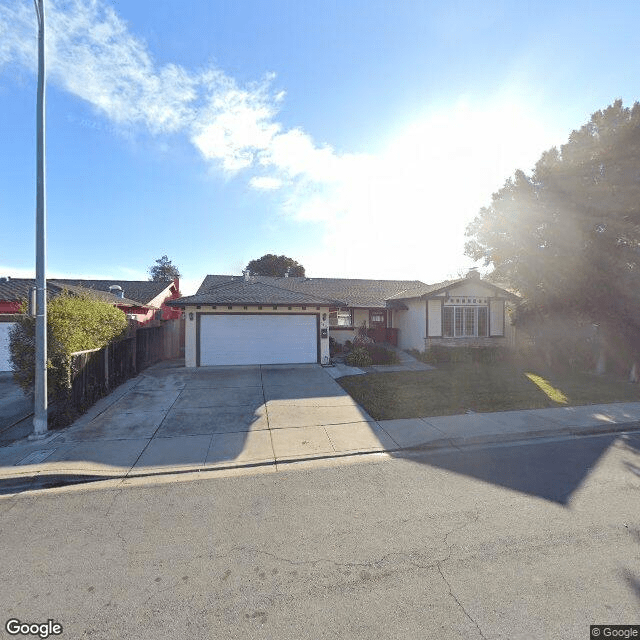
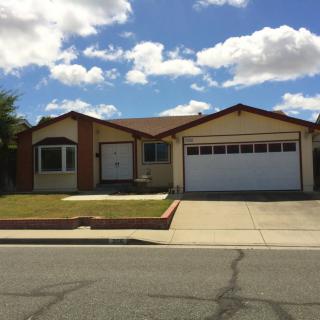
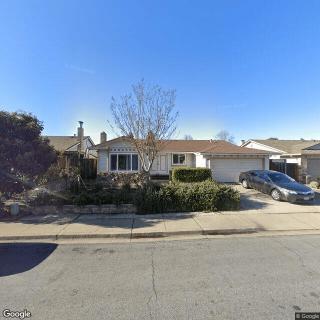
3416 Isherwood Place, Fremont, CA 94536
For more information about senior living options: (866) 208-4318
Tri City Care Home II Costs & Pricing
Tri City Care Home II offers a cost-effective solution for assisted living with its pricing significantly below both Alameda County and state averages. For semi-private rooms, the monthly fee is set at $2,000, which contrasts sharply with the county's average of $3,273 and California's average of $3,333. Similarly, private rooms at Tri City Care Home II are priced at $2,500, well under the county's average of $3,748 and statewide average of $3,939. This competitive pricing highlights Tri City Care Home II's commitment to providing quality care while ensuring affordability for residents and their families in a region where costs can be prohibitively high.
| Floor plans | Tri City Care Home II | Alameda County | California |
|---|---|---|---|
| Semi-Private | $2,000 | $3,273 | $3,333 |
| Private | $2,500 | $3,748 | $3,939 |
Assisted Living communities with a similar price nearby
-
About the same
Sunny Orchard Place
$1,995 to $3,700 / month14.8 miles away -
from +$300 / mo
Jla Healthcare Services
$2,300 to $3,200 / month19.0 miles away -
from +$222 / mo
The Forum At Rancho San Antonio
$2,222 / month16.5 miles away -
About the same
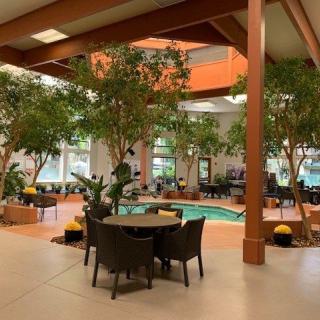
Cogir of Fremont
$1,950 to $3,495 / month1.9 miles away -
About the same
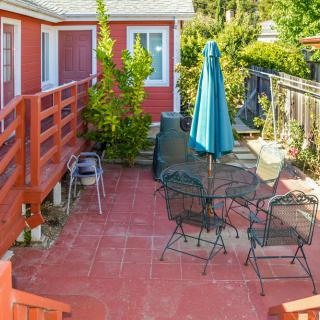
Heritage Hills
$2,000 to $3,800 / month21.6 miles away
Overall Review of Tri City Care Home II
Pros
 The staff are pleasant.
- The doctors are great and very helpful.
- The doctors and staff are courteous, helpful, and pleasant to deal with; they are wonderful and caring for their patients.
- The people at the clinic are very pleasant and nice.
- The facility is very clean with a large family room, and residents seem happy.
- The owner is very nice and easy to communicate with.
Cons
 They found it very difficult to fill a prescription and were frustrated.
- One receptionist was rude.
- They described the clinic as the worst they've ever been to.
- The doctor acted as if she didn't know what PCOS was or what pills were for it.
- The doctor sent them away without a follow-up, tests, or medications to manage PCOS.
- They feared that unmanaged PCOS could lead to ovarian cancer.
Review
Tri City Care Home II in Fremont is best suited for families seeking a small, home‑like living arrangement where ownership involvement translates into clear, accessible leadership. This community rewards residents who thrive in an intimate setting with straightforward communication to the person overseeing daily care. Prospective residents will likely value the simple, comfortable common spaces, a calm routine, and the sense that the operator is present and engaged. The combination of a long‑tenured operator and a location that has remained under the same management for years signals stability and a hands‑on approach that translates into responsive problem‑solving when concerns arise.
Those weighing options should consider alternatives if the elder requires aggressive medical management, memory‑care specialization, or a highly structured activities program. The mixed overall rating suggests variable experiences, and for families prioritizing consistent staffing, predictable response times, and robust in‑house medical coordination, a larger or more resource‑rich community may deliver more reliable day‑to‑day operations. For seniors who benefit from comprehensive therapeutic services, regular on‑site specialists, or a broad activity calendar, a facility with deeper programming and staffing bandwidth could prove a better match.
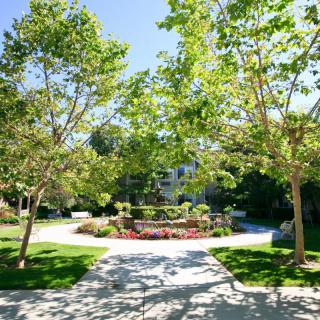
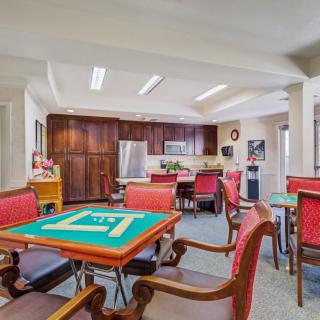
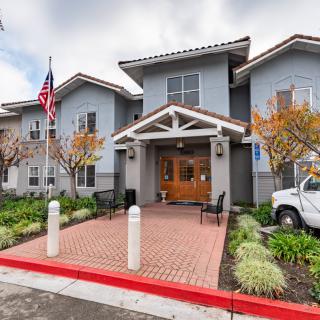
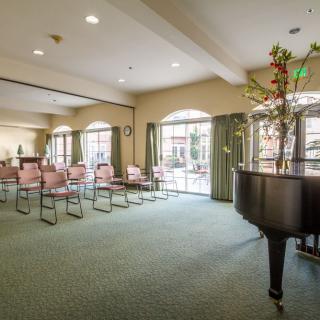
On the upside, Tri City Care Home II leans into a clean, comfortable environment with tangible homey touches. Observers describe large, welcoming common spaces and a deck that offers pleasant ambient experiences, which contribute to a relaxed atmosphere and easier socialization for residents. The residents themselves appear content in this setting, and there is clear emphasis on keeping the place well maintained. The owner’s approachability and ease of communication repeatedly come through as a core strength, reinforcing the sense that concerns can be raised and addressed without barrier.
However, the community carries meaningful caveats tied to the broader feedback curve. A portion of reviews rate the experience poorly, signaling that not all interactions align with the hopeful impressions suggested by the positives. Some observers raise concerns about staff dynamics and consistency in service delivery, including cases where front‑line responsiveness and attentiveness might fall short. While the stories vary, the pattern points to uneven day‑to‑day experience, which matters deeply in a live‑in setting where timely assistance and proactive care planning are essential.
The strongest argument in favor of Tri City Care Home II rests with leadership‑driven accountability and the intimate, controllable environment that a smaller, owner‑run model affords. The ability to connect quickly with the person who oversees care, coupled with a stable, longstanding operation, creates opportunities for personalized care planning and rapid issue escalation when needed. The clean facilities, visible resident satisfaction, and stable local presence collectively cultivate a trustworthy baseline that can ease the transition for new residents and reassure families during a vulnerable move.
In practical terms, Tri City Care Home II deserves careful consideration for seniors who prize a warm, home‑like setting and direct access to leadership. Prospective families should conduct a disciplined tour with a concrete checklist: observe staff interactions during peak hours, review how care plans are developed and revised, verify staffing ratios and training standards, and request recent examples of problem resolution. If ease of communication with the administrator, a predictable routine, and a modest, homey environment are the top priorities, and if a highly resourced activity program or specialized memory care is not non‑negotiable, this option can be a solid fit. For those requiring more extensive medical coordination, robust programming, or specialized care, it would be prudent to compare alternatives that promise deeper resource depth and more uniform staffing.
 6 resident community capacity
 Assisted Living
 Board and Care Home
 Cable or satellite TV
 Dining room
 Fully furnished
 Garden
 Housekeeping services
 Move-in coordination
 Outdoor space
 Private
 Telephone
 Wi-Fi/high-speed internet available
 San Jose International (15 miles away)
 24-hour supervision
 Activities of daily living assistance
 Assistance with bathing
 Assistance with dressing
 Assistance with transfers
 Diabetes diet
 Diabetic care
 Meal preparation and service
 Medication management
 Special dietary restrictions
 Transportation arrangement (medical)
 Transportation to doctors appointments
 Understanding Medicaid Coverage for Assisted Living: A Comprehensive Guide
 How and When Medicaid May Cover Assisted Living Costs
 A Detailed Exploration of Assisted Living Medicaid Waivers Across the United States