Aegis of Fremont offers competitive pricing for its accommodations compared to both Alameda County and the broader California market. For a semi-private room, residents can expect to pay $4,470 per month, which is notably higher than the county average of $3,273 and the state average of $3,333. The costs for studio apartments at Aegis stands at $5,250, exceeding both the Alameda County rate of $4,532 and California's average of $4,145. Lastly, one-bedroom units are priced at $6,420 per month - again reflecting a premium compared to local and state averages of $4,644 and $4,340 respectively. These figures indicate that while Aegis of Fremont may be on the higher end of the pricing spectrum, they likely offer enhanced services or amenities that justify this investment in quality care.
Floor plans
Aegis of Fremont
Alameda County
California
Semi-Private
$4,470
$3,273
$3,333
Studio
$5,250
$4,532
$4,145
1 Bedroom
$6,420
$4,644
$4,340
Memory care communities with a similar price nearby
Residents and families consistently describe staff as kind, responsive, and attentive.
Across multiple reviews, families say the care team is caring and thoughtful, with staff addressing concerns and treating residents with warmth. Several reviewers describe feeling safe or reassured by the way caregivers and nursing teams watch over loved ones and follow protocols. Communication and support during stressful moves and transitions also come up repeatedly, including help coordinating care needs and accommodating family requests.
common19 reviews mention this
Activities keep residents engaged
Residents are kept busy with frequent activities and scheduled outings.
Many reviews point to a steady schedule of things to do, including daily activities and themed events like happy hour and music. Families describe residents as more engaged and mentally stimulated, including in memory care where reviewers say residents stay active throughout the day. One mixed review mentions the overall pace during weekends being slower, while another reviewer highlights how quiet the unit felt and wanted more activity for dementia patients.
caveat4 reviews mention this
Memory care support is mixed
Memory care experiences vary, with some families praising training and others raising concerns.
Some families choose Aegis Fremont specifically for memory care and describe staff as experienced, accommodating, and able to support dementia transitions. Reviews also mention memory-care programming and coordinated day-to-day attention, including help during a difficult move timeline. At the same time, at least one reviewer is dissatisfied with the dementia unit’s supervision and engagement, citing concerns about care consistency and how activities are supported.
caveat6 reviews mention this
Dining gets both praise and complaints
Dining can be hit-or-miss depending on the resident.
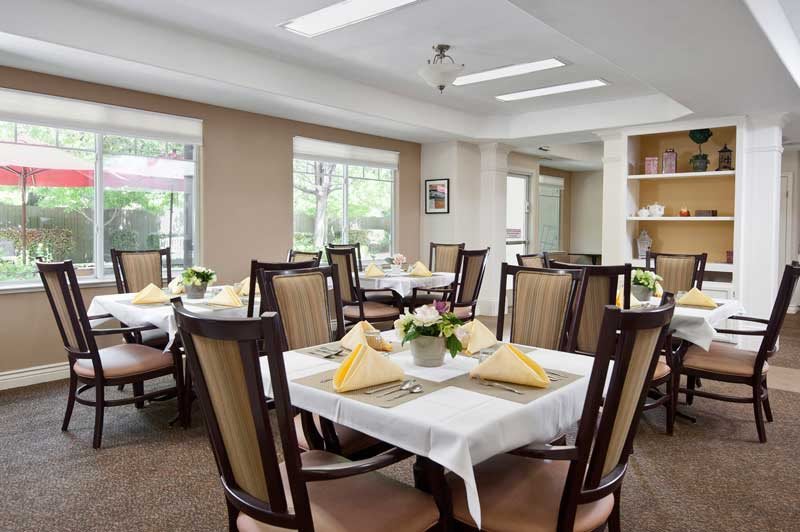
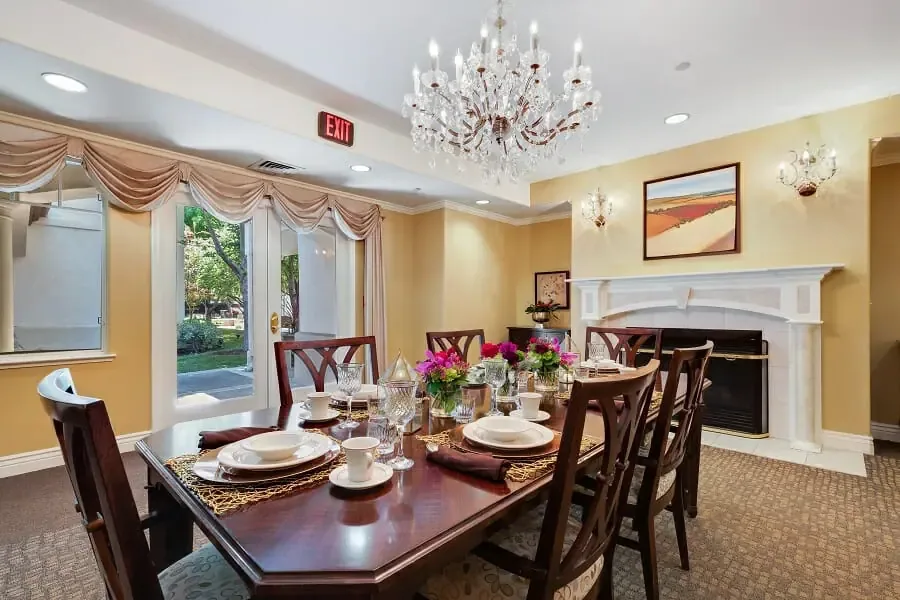
Several reviews say meals are good, delicious, or handled with care for preferences, and one reviewer notes the chef specializes meals. Others describe dining negatively, including comments about food being mediocre or getting tiring over time. A common thread is that dining is closely tied to resident routines and comfort, with some families also describing how dining spaces are used.
caveat6 reviews mention this
Pricing feels expensive for many
Cost is a frequent concern, with several reviewers calling it expensive.
Multiple reviewers describe Aegis Fremont as the most expensive option they considered or as cost-prohibitive. Reviews also mention a high move-in fee and additional charges before moving in, which made the overall price harder to manage for some families. Even with positive comments about quality and care, price comes up as a deciding factor for at least a few households.
How we summarize
Counts show how many written reviews mention each theme; a review can touch several themes, and only frequently mentioned themes are displayed.
Features
Types of Care
Assisted Living
Memory Care
Amenities
Activities off-site
Activities on-site
Air-conditioning
Beautician on-site
Devotional services off-site
Devotional services on-site
Ground floor units
Handicap accessible
Indoor common areas
Kitchenette
Outdoor common areas
Respite or short term stays offered
Wheelchair accessible showers
Wi-Fi/high-speed internet available
Transportation
San Jose International (13 miles away)
Metropolitan Oakland International (18 miles away)
San Francisco International (22 miles away)
Care Services
Diabetic care
Incontinence care
Medication management
Dining
Guest meals
International cuisine
Low / no sodium
Meals provided
No Sugar
Professional chef
Restaurant style dining
Special dining programs
Vegetarian
Activities
Art classes
Cooking classes
Day trips and outings
Devotional activities offsite
Devotional activities on-site
Educational speakers / life long learning
Happy hour
Karaoke
Live dance or theater performances
Live musical performances
Live well programs
Wine tasting
Nearby Places of Interest
This part of Fremont, California offers a variety of amenities and services that may be appealing to seniors looking for a convenient and comfortable living environment. With multiple pharmacies nearby, accessing necessary medications is hassle-free. There are also several cafes and restaurants within close proximity, providing options for dining out or grabbing a quick bite to eat. The area boasts several parks for leisurely strolls or outdoor activities, along with easy access to transportation options like BART stations for convenient travel. Additionally, there are healthcare facilities in the vicinity, including hospitals and medical offices, ensuring quality medical care is easily accessible. Overall, this part of Fremont provides a well-rounded community with resources tailored to the needs of seniors.
Pharmacies
CVS Pharmacy (0.4 miles)
Walgreens (0.6 miles)
Walgreens (1.7 miles)
Walmart Pharmacy (1.8 miles)
CVS Pharmacy (1.9 miles)
CVS Pharmacy (2.8 miles)
Walgreens (3.2 miles)
Cafes
Philz Coffee (0.5 miles)
Panera Bread (0.6 miles)
Daily Bagel Cafe (1.7 miles)
Starbucks (6 miles)
Starbucks (9 miles)
Inklings Coffee & Tea (9.8 miles)
Bill's Cafe (10.1 miles)
Restaurants
McDonald's (0.5 miles)
Jack's Restaurant & Bar (1.8 miles)
In-N-Out Burger (3 miles)
McDonald's (3.7 miles)
Sonic Drive-In (5.8 miles)
In-N-Out Burger (8.9 miles)
McDonald's (10 miles)
Hospitals
Washington Hospital Heliport (0.7 miles)
Reproductive Medicine Associates of Northern California | RMANORCAL (10.7 miles)
Parks
Lake Elizabeth (0.8 miles)
Fremont Central Park (1 miles)
Meyer Park (1.2 miles)
Niles Community Park (1.9 miles)
Irvington Park (1.9 miles)
Rancho Arroyo Park (1.9 miles)
Quarry Lakes Regional Recreation Area (2.6 miles)
Transportation
Fremont BART Station (0.8 miles)
Union City BART Station (3.6 miles)
South Hayward BART Station (7.4 miles)
Milpitas BART Station (10.7 miles)
West Dublin/Pleasanton BART Station (11 miles)
Theaters
AMC NewPark 12 (1.7 miles)
Century 20 Great Mall and XD (9.9 miles)
AMC Mercado 20 (10.9 miles)
Places of Worship
Wat Buddhanusorn (2.5 miles)
Physicians
Kaiser Medical Offices (8.6 miles)
Kaiser Permanente Pediatrics (8.6 miles)
Dr Mark Mandel M.D. - Optima Medical Assoc (10.4 miles)
Ceizler Harold B DDS (10.4 miles)
Mission Peak Orthopaedic Medical Group (10.7 miles)
Aegis of Fremont offers competitive pricing for its accommodations compared to both Alameda County and the broader California market. For a semi-private room, residents can expect to pay $4,470 per month, which is notably higher than the county average of $3,273 and the state average of $3,333. The costs for studio apartments at Aegis stands at $5,250, exceeding both the Alameda County rate of $4,532 and California's average of $4,145. Lastly, one-bedroom units are priced at $6,420 per month - again reflecting a premium compared to local and state averages of $4,644 and $4,340 respectively. These figures indicate that while Aegis of Fremont may be on the higher end of the pricing spectrum, they likely offer enhanced services or amenities that justify this investment in quality care.
Aegis of Fremont's medication management ensures residents receive the correct dosages at the appropriate times, which is crucial for individuals with dementia or Alzheimer's disease who may struggle with memory and routine. This tailored approach minimizes the risk of missed doses or adverse interactions, thus promoting overall health and stability. Incontinence care is equally important, as it addresses not only the physical needs of residents but also their dignity and comfort. By providing trained staff to assist with these sensitive matters, Aegis helps to reduce anxiety and embarrassment, allowing residents to maintain a sense of independence while receiving compassionate support tailored to their unique challenges. Together, these features create an environment that prioritizes both safety and quality of life for those facing cognitive decline.
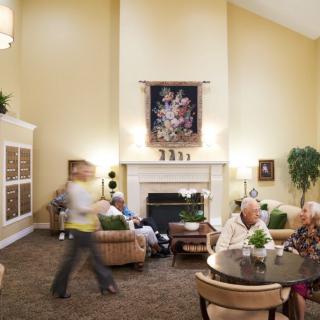
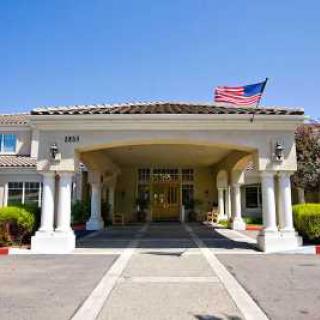
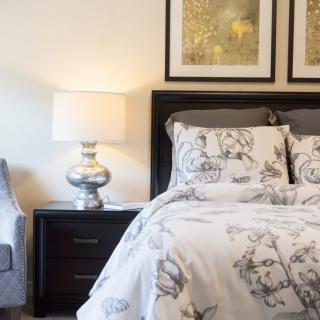
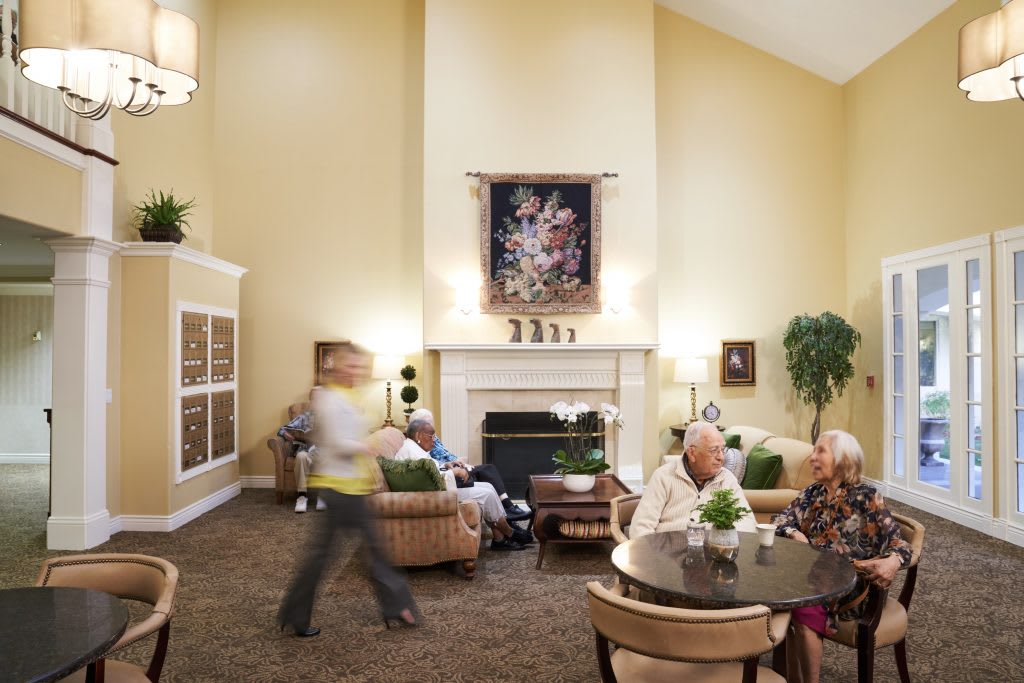
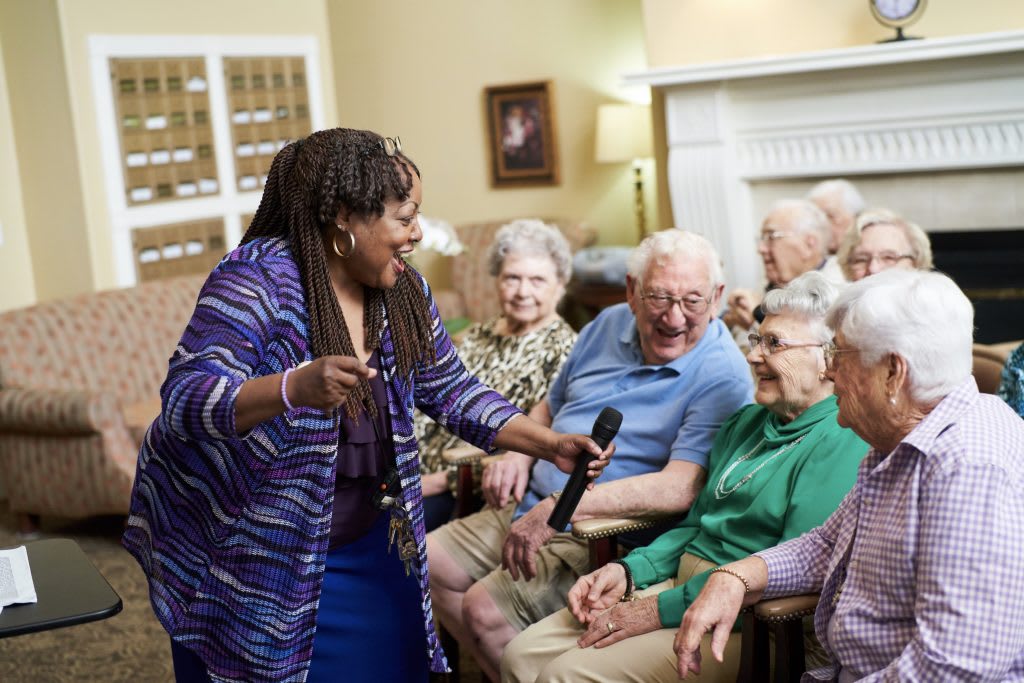
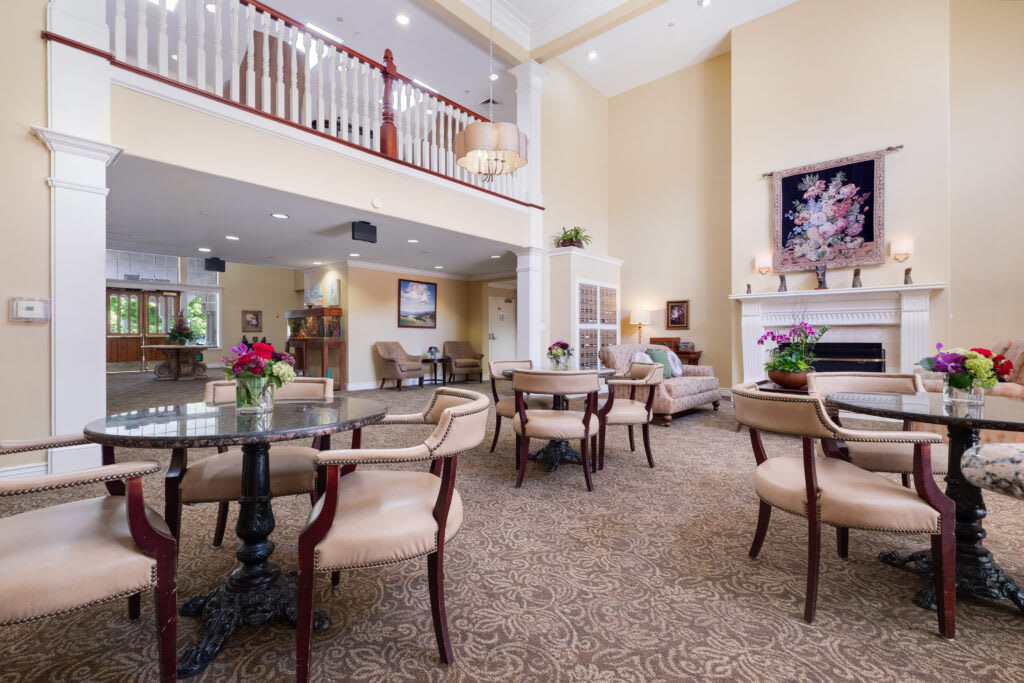
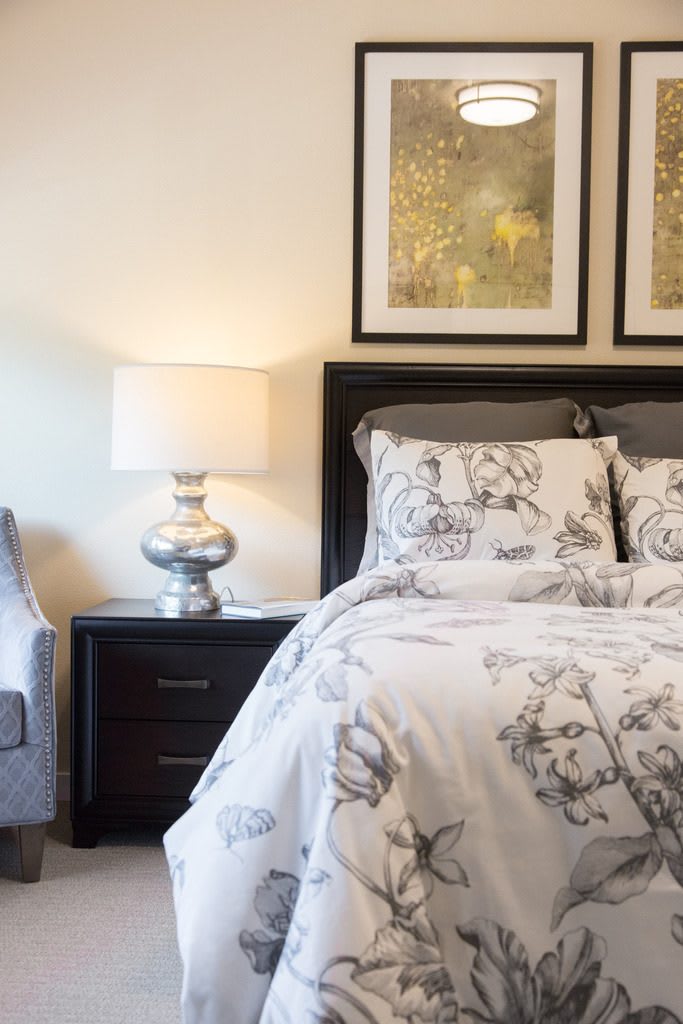
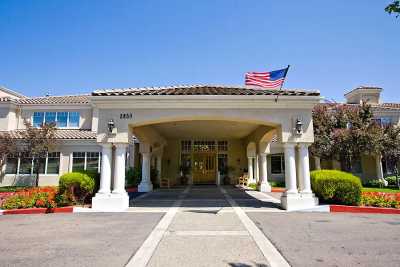
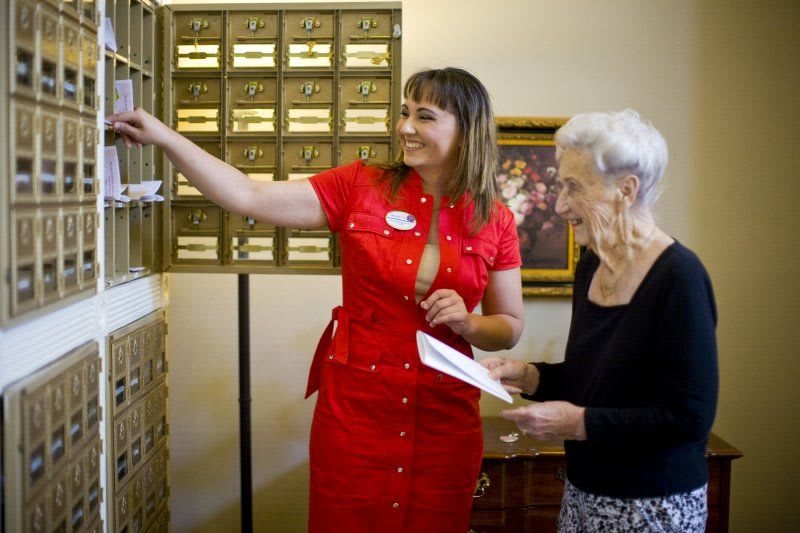
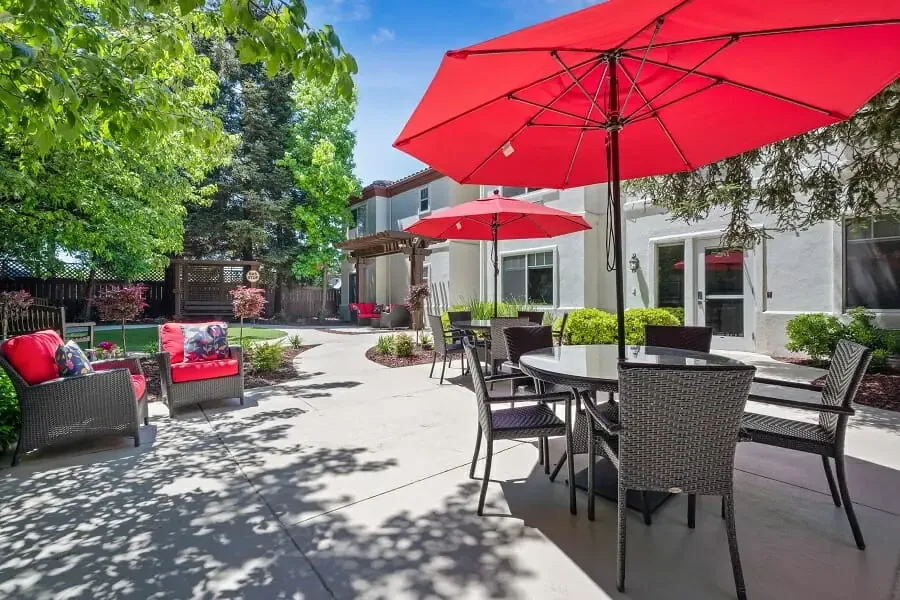
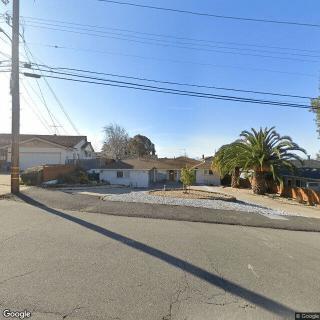
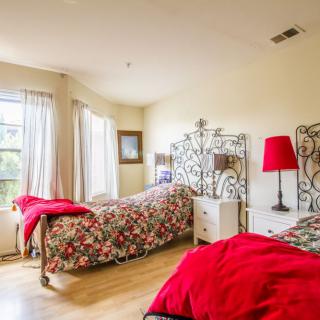
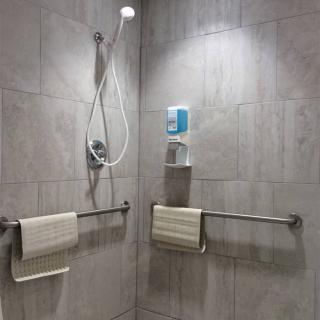
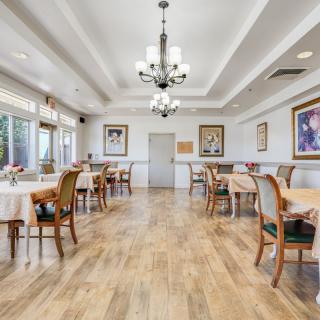
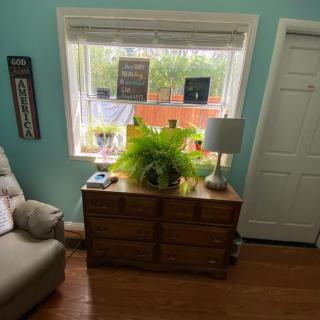
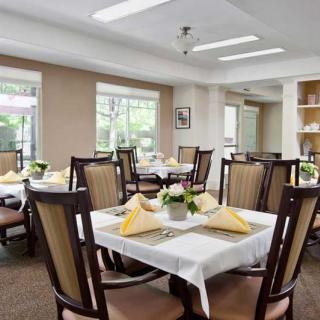
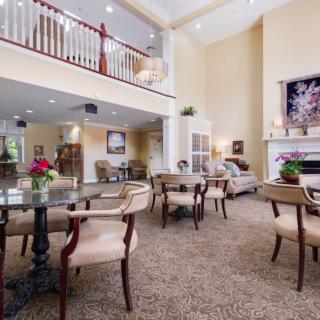
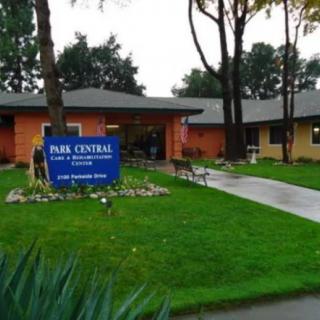
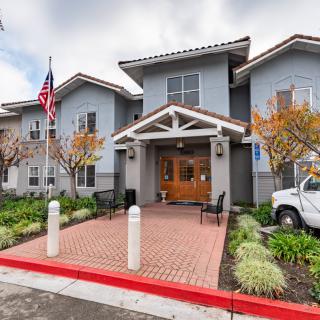
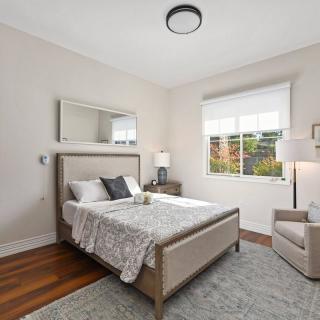
Aegis of Fremont on seniors.fyi includes 23 photos including images showing interior, decor, dining, bedroom, building, entrance, flag, architecture, and more.
Nearby Communities
Aegis Living Fremont
Fremont, CA
4.6 from 39 reviews
Upscale environment with attentive staff and varied activities
Carlton Senior Living Fremont
Fremont, CA
4.4 from 103 reviews
$2,995 to $4,395 / month
Clean, spacious apartments with engaging activities and restaurant-style dining.
Pasa Tiempo Apartments
Fremont, CA
4.6 from 27 reviews
Tranquil assisted living with easy access to cafes, parks, pharmacies, hospitals, restaurants, transit, and entertainment.
Bay Area Caregivers
Fremont, CA
4.7 from 12 reviews
Vibrant, well-connected community with extensive nearby amenities and healthcare access.
Priya Living City Center
Fremont, CA
4.3 from 105 reviews
Fully furnished apartments with on-site care services and extensive amenities.
Home Instead Fremont
Fremont, CA
4.7 from 29 reviews
Excellent access to nearby amenities and healthcare (cafes, parks, pharmacies, restaurants, theater, hospital).
Park Central Care And Rehabilitation Center
Fremont, CA
3.3 from 12 reviews
Clean, well-run facility with caring staff and effective rehabilitation services.
Pacifica Senior Living Union City
Union City, CA
4.5 from 136 reviews
$3,050 to $4,150 / month
Clean, inviting environment with attentive memory care staff and engaging activities.
Sunol Creek Memory Care
Pleasanton, CA
4.6 from 86 reviews
$5,859 to $7,413 / month
Compassionate staff with personalized memory-care activities in a clean, well-maintained setting.
Alzheimer’s disease is a progressive neurological disorder that significantly impacts memory and cognitive functions, accounting for 60-80% of dementia cases, with early diagnosis being crucial yet challenging. It involves brain changes like beta-amyloid plaques and tau tangles, influenced by genetic and lifestyle factors, and while there is no cure, symptom management and support for caregivers are essential.
Dementia, influenced by aging and certain medications, may be exacerbated by drug classes such as anticholinergics, benzodiazepines, and antipsychotics, which are associated with cognitive impairment. Regular medication reviews by healthcare professionals are crucial for older adults to manage risks and optimize cognitive health.
Dementia often results in disrupted sleep patterns, leading to excessive daytime sleeping due to factors like brain damage affecting circadian rhythms, medication side effects, and lack of structure in daily activities. Caregivers must monitor these changes closely, as oversleeping can increase risks such as malnutrition or dehydration, and provide necessary support and routines to enhance patient engagement and well-being.
Get PricingAsk A QuestionSchedule A TourContact Senior Advisor
By clicking submit, you agree to our Partner's Terms of Use. You
also consent to receive calls and texts, which may be autodialed, from our Partner. Your consent is not a condition to
using our Partner's service. Please visit our Partner's Privacy Policy for information about their privacy practices.

 Assisted Living
 Memory Care
 Activities off-site
 Air-conditioning
 Beautician on-site
 Devotional services off-site
 Ground floor units
 Handicap accessible
 Indoor common areas
 Kitchenette
 Outdoor common areas
 Respite or short term stays offered
 Wheelchair accessible showers
 Wi-Fi/high-speed internet available
 San Jose International (13 miles away)
 Diabetic care
 Incontinence care
 Medication management
 Guest meals
 Art classes
 Cooking classes
 Day trips and outings
 Educational speakers / life long learning
 Happy hour
 Karaoke
 Live dance or theater performances
 Live musical performances
 Live well programs
 Wine tasting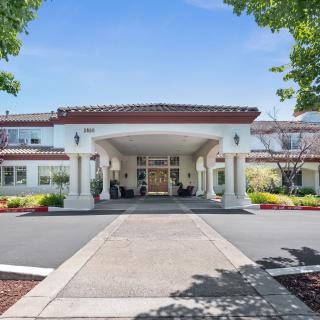
 Upscale environment with attentive staff and varied activities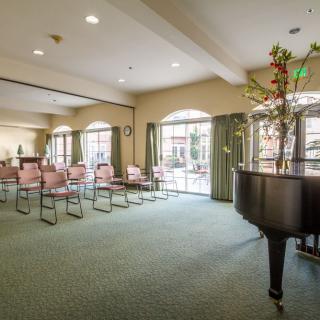

 Illuminating Insights About Alzheimer's Disease: Ten Crucial Realities
 A Thorough Discussion of Medications Potentially Linked to Dementia Risk
 Why Do Dementia Patients Sleep So Much? Understanding Oversleeping, Stages, and Care Approaches