
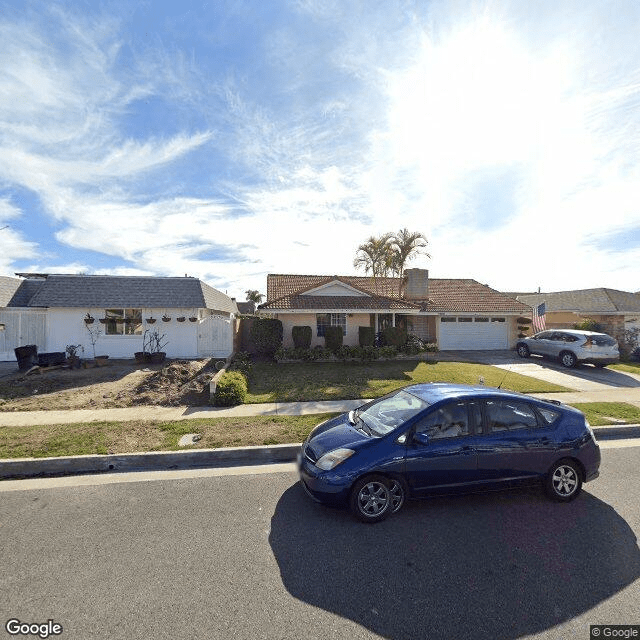
9608 Puffin Avenue, Fountain Valley, CA 92708
For more information about senior living options: (866) 208-4318
Sterling Senior Living 2 Costs & Pricing
Sterling Senior Living 2 offers competitive pricing for its accommodations, with private rooms and one-bedroom units both priced at $3,500 per month. This rate stands out favorably against the average costs in both Orange County and the broader California region. For instance, Orange County's average cost for a private room is approximately $4,104, while one-bedroom apartments average around $4,380. Similarly, state averages reveal that private rooms typically command around $3,939 and one-bedrooms about $4,340. Therefore, Sterling Senior Living 2 not only provides a more affordable option for potential residents but also delivers value in a region known for its higher living costs.
| Floor plans | Sterling Senior Living 2 | Orange County | California |
|---|---|---|---|
| Private | $3,500 | $4,104 | $3,939 |
| 1 Bedroom | $3,500 | $4,380 | $4,340 |
Memory care communities with a similar price nearby
-
from +$495 / mo
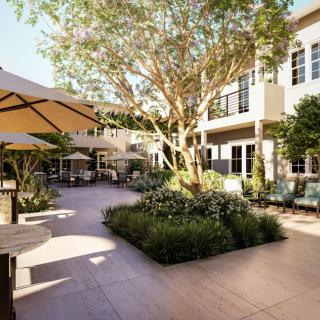
Cadence Brea
$3,995 to $5,500 / month15.4 miles away -
About the same
Kind Heart Home Care VI
$3,500 to $5,000 / month21.7 miles away -
About the same
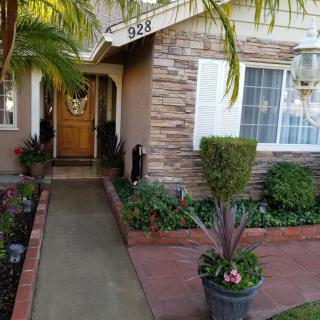
Comfort Keepers Home Care
$3,500 to $6,500 / month16.5 miles away -
from -$650 / mo
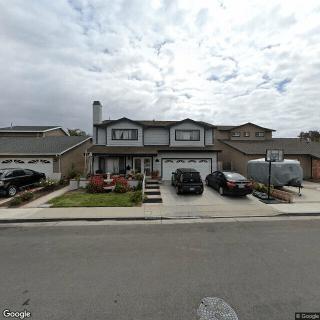
Alternative Senior Care - Freshwater
$2,850 to $3,250 / month3.0 miles away -
from -$500 / mo
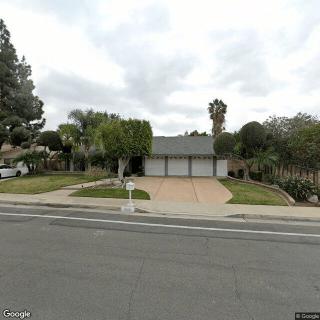
Best Elderly Care I
$3,000 to $3,500 / month11.0 miles away
Overall Review of Sterling Senior Living 2
Pros
 Nicoletta and Fountain Valley Senior Care are described as kind and gentle, taking excellent care of residents and giving families peace of mind.
 - The staff are amazing—caring, friendly, and patient—dedicated to the well-being of residents.
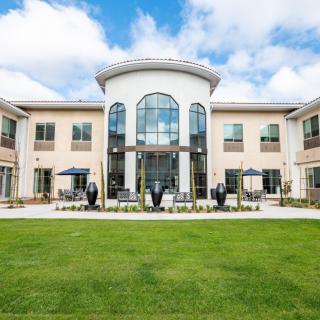
- The home is spacious, beautiful, open, bright, and comfortable in a quiet community near the freeway.
- Jessica Manor is highly caring, with staff who seem eager to do anything they can to help residents and their families.
- Families feel tremendous peace of mind knowing their loved ones are well cared for.
- The reviews express strong appreciation and high regard for the care provided.
Review
Sterling Senior Living 2 in Fountain Valley is best suited for families seeking a small, intimate, home-like setting where a senior loved one can receive exceptionally personal attention. The reviews repeatedly spotlight the warmth and gentleness of the staff and owner, delivering a level of care that many families associate with true peace of mind. The environment, open, bright, spacious, and quietly situated, supports residents who thrive on predictable routines and close, day-to-day contact. It stands out as a place well-suited to late-life transitions and, when appropriate, end-of-life care, where emotional tone and daily humanity matter as much as safety and comfort.
Those with higher medical needs or a demand for robust on-site nursing around the clock may want to consider alternatives. The strengths here lie in individualized, compassionate care rather than hospital-grade systems. For residents requiring extensive memory-care programming, a broader schedule of therapies, or a campus-wide array of amenities and activities, a larger assisted living community could better meet those expectations. Families prioritizing structured programming and wide professional supports may find that the intimate home setting cannot fully replace what bigger facilities routinely offer.
The core advantages are unmistakable: caregivers described as friendly, patient, and genuinely caring, with owners who stay actively involved. That combination translates into highly personalized care plans, quick responsiveness, and a daily rhythm that reduces anxiety for residents and their families. The physical setting reinforces these benefits, a bright, open layout, comfortable living spaces, and a calm neighborhood ambiance that minimizes overstimulation. In short, it’s a place where residents experience genuine warmth rather than being treated as a generic case.
Still, tradeoffs exist. The smaller, home-style scale can mean fewer on-site specialists and a less expansive calendar of wellness activities than larger campuses. For some families, this requires more external coordination, arranging outside therapies, transportation, and ensuring medical oversight through external providers. Privacy and autonomy come with a cost: the resident often relies more on family or outside resources to supplement care, which may not fit every family’s preferred model of support or independence.
Yet the positives largely offset these potential drawbacks for the target resident. A consistent, compassionate approach paired with a low-stress, home-like atmosphere often yields better comfort, reduced agitation, and more meaningful daily engagement for those who benefit from routine and personal attention. The strong emphasis on respectful, individualized care, especially in the context of end-of-life needs, provides a dignity-centered experience that larger, more clinical settings sometimes struggle to match. When care quality and emotional safety drive the decision, Sterling Senior Living 2 presents a compelling, practical option.
For families evaluating Sterling Senior Living 2, enter with a focused plan. Inquire about caregiver-to-resident ratios, the availability of nurses on duty, and how quickly staff can respond during night and weekend hours. Seek specifics on how care plans are coordinated with external providers, what therapies can be arranged outside the home, and how family input is incorporated into ongoing decisions. Clarify respite or short-term stay options and lock in transparent pricing to avoid surprises. If the priority is a warmly engaged, home-centered environment where a loved one is treated with consistent warmth and patience, Sterling Senior Living 2 stands out as a trustworthy, well-suited choice worth pursuing.
 6 resident community capacity
 Assisted Living
 Board and Care Home
 Day Program
 Memory Care
 Respite Care
 Cable or satellite TV
 Dining room
 Fully furnished
 Garden
 Housekeeping services
 Move-in coordination
 Outdoor space
 Private
 Telephone
 Wheelchair accessible showers
 Wi-Fi/high-speed internet available
 John Wayne Orange Co (6 miles away)
 24-hour supervision
 Assistance with bathing
 Assistance with dressing
 Assistance with transfers
 Diabetes diet
 Diabetic care
 High acuity care
 Incontinence care
 Meal preparation and service
 Medication management
 Special dietary restrictions
 Transportation arrangement (medical)
 Transportation to doctors appointments
 Understanding the Distinctions: Assisted Living and Memory Care Explained
 How to Communicate with a Loved One Living with Dementia: 10 Supportive Strategies
 Comprehensive Guide to VA Nursing Homes: A Crucial Long-Term Care Resource for Veterans