
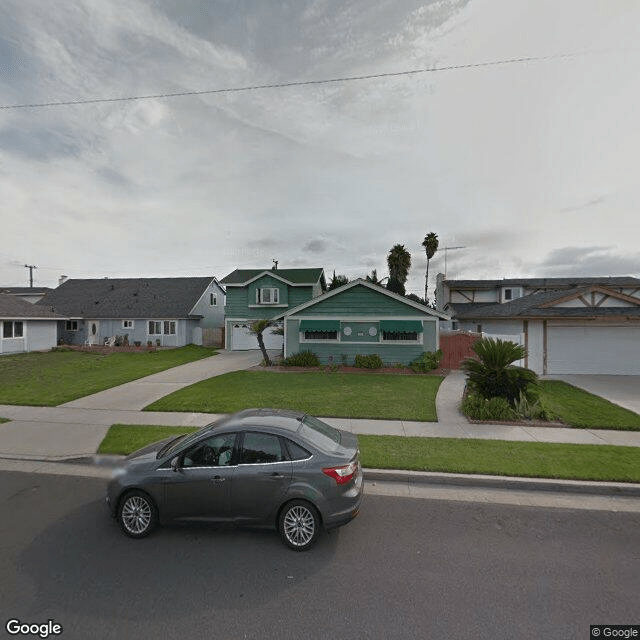
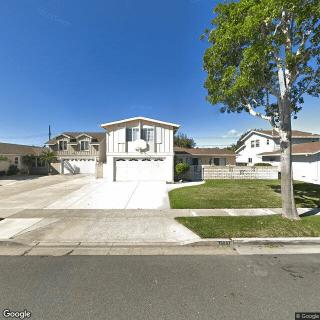
16550 Hemlock Circle, Fountain Valley, CA 92708
To contact a resident: (714) 531-0851
For more information about senior living options: (866) 208-4318
Gardenia Home Care Costs & Pricing
At Gardenia Home Care, we offer competitive pricing for our residents, with monthly costs that reflect both quality care and value. For a semi-private room, our rate is $3,000, which is notably lower than the average cost in Orange County at $3,431 and California's state average of $3,333. Additionally, our private rooms are priced at $3,500, significantly more affordable than the Orange County average of $4,104 and the state average of $3,939. These rates underscore our commitment to providing exceptional care while maintaining accessibility for families seeking supportive living arrangements in a warm and inviting environment.
| Floor plans | Gardenia Home Care | Orange County | California |
|---|---|---|---|
| Semi-Private | $3,000 | $3,431 | $3,333 |
| Private | $3,500 | $4,104 | $3,939 |
Senior living communities with a similar price nearby
-
from -$375 / mo

Berryman Health Inc
$2,625 to $3,050 / month10.4 miles away -
from +$500 / mo
Kind Heart Home Care VI
$3,500 to $5,000 / month21.2 miles away -
from +$500 / mo
Loving Home Care
$3,500 to $4,500 / month3.8 miles away -
from +$300 / mo
Bella Manor II
$3,300 to $4,290 / month9.7 miles away -
from -$200 / mo
Candlewood Care Home III
$2,800 to $3,400 / month9.1 miles away
Overall Review of Gardenia Home Care
Pros
 Nicoletta and her staff are kind, gentle, and provide excellent care to residents.
- The onsite ownership offers personal, attentive care, giving families peace of mind.
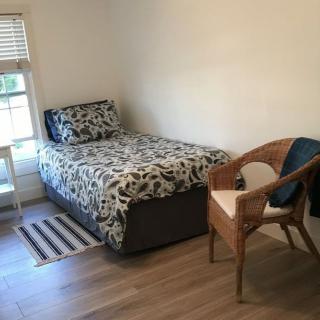
- The home and rooms are immaculate, with residents enjoying home-cooked meals.
- The garden and yard activities engage residents in meaningful, daily experiences.
- The staff are carefully chosen, and families form strong bonds with individual caregivers.
- The care is offered at a reasonable price while delivering quality of life and comfort.
- Gardenia provides a warm, cheerful environment where residents are active and well cared for.
Cons
 The reviewer notes that the first residence kept its guests sedated throughout the day.
- The reviewer implies that at the other place the mother was often alone in her room, unlike at Gardenia.
Review
Gardenia Home Care in Fountain Valley is best suited for seniors who want a true home-like setting with owners living on-site and a hands-on, compassionate culture. The community shines for families seeking intimate, private accommodations rather than a crowded campus, where meals feel like home and daily life centers on warmth, routine, and meaningful interaction. The owners’ continuous presence translates into steady, attentive care that eases the anxiety families experience when a loved one requires increased assistance. Clean, cheerful spaces, a genuine kitchen aroma, and a garden-centered lifestyle all contribute to a sense of security and dignity that families repeatedly applaud.
Those evaluating options who require robust clinical oversight or specialized memory-care programming should consider alternatives. Gardenia operates as a small, family-run home rather than a large, clinically oriented campus, so on-site nursing coverage and advanced medical support may be more limited. For residents with complex needs, frequent skilled-nursing interventions, or late-stage dementia requiring structured supervision, a larger facility with a dedicated memory-care wing and 24/7 clinicians may deliver a more predictable level of care and escalation when emergencies arise.
The strongest positives center on personal attention and a lived-in sense of belonging. The home is meticulously kept, and the food earns praise, with many families noting that the residents eat better and feel more engaged than at previous placements. The garden and farm-to-table activities invite residents to participate in daily living, watering plants, harvesting produce, and sharing in farm-create moments, which translates into purposeful days rather than passive waiting. The owners invest in staff quality and consistency, and families remember caregivers by name, a sign that relationships matter and continuity is valued.
A related substantive advantage is the on-site ownership model. With LaLaine and Pete actively involved, decisions feel immediate and grounded in genuine care, not bureaucratic delay. Residents are described as being up and about, indicating a culture that emphasizes activity and autonomy rather than confinement. This environment reduces the risk of institutional impersonality and creates a reassuring backdrop for families during transitions. The combination of a cheerful atmosphere, respect for residents, and a home-cooked routine often offsets the perceived scarcity of formal programming found in larger facilities.
Affordability and value also figure into the decision calculus. One family highlighted that a private room came with a level of care that felt reasonable for the results achieved, which matters for households navigating budgets without compromising dignity. The intimate setting, private rooms, a small number of residents in common areas, and shared holiday gatherings, often lowers financial and emotional strain, making end-of-life and near-end-of-life care more tolerable for all involved. The potential trade-off is the narrower social calendar and fewer elective activities; for many, however, the trade-off is precisely what yields a calmer, more predictable daily rhythm.
Bottom line: Gardenia Home Care presents a compelling choice for families prioritizing warmth, dignity, and a homelike daily cadence over the scale and formality of larger assisted-living campuses. It excels when a loved one benefits from highly attentive, owner-led supervision, home-cooked meals, a garden-based lifestyle, and active family involvement. Those needing comprehensive 24/7 nursing coverage, specialized memory-care programming, or a broad social milieu should explore alternatives. The decision hinges on balancing the value of intimate, personal attention against the need for clinical intensity; a visit, direct conversation with the owners, and a clear assessment of current and anticipated care requirements will clarify whether Gardenia is the right match.
 Board and Care Home
 Cats allowed
 Dogs allowed
 Activities off-site
 Air-conditioning
 Cable or satellite TV
 Devotional services on-site
 Indoor common areas
 Outdoor common areas
 Private
 Wheelchair accessible showers
 Wi-Fi/high-speed internet available
 John Wayne Orange Co (6 miles away)
 Ambulatory care
 High acuity care
 Meals provided
 Birthday parties
 Resident band or musicians
 Stretching classes
 Is a Geriatric Care Manager the Right Choice for Your Family?
 Compassionate Conversations: How to Comfort Someone Who Is Grieving
 Home Health Care Aides: Understanding Their Role and Supporting Your Family