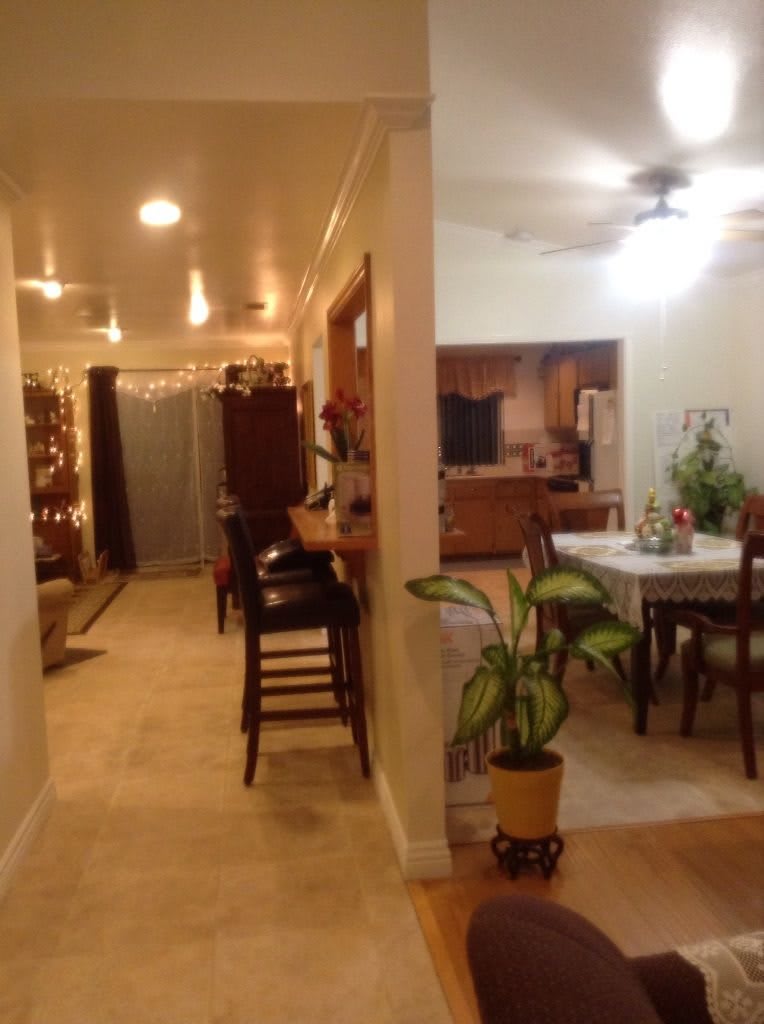
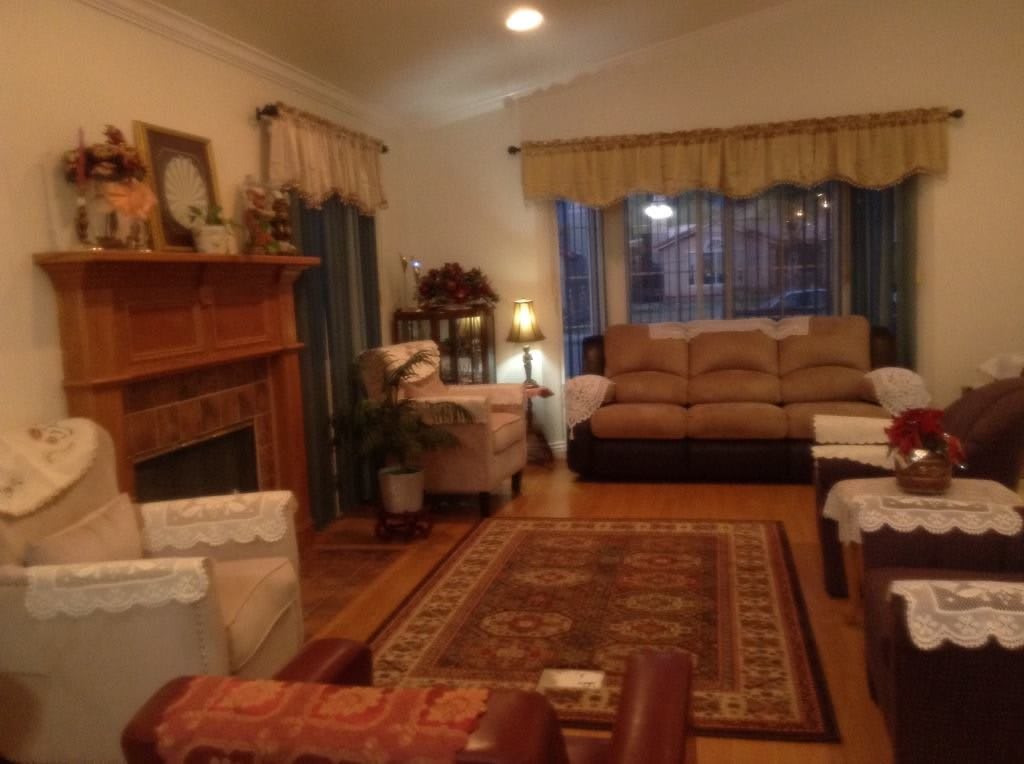
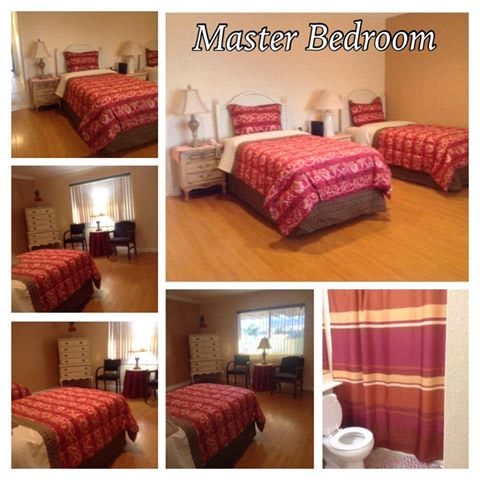

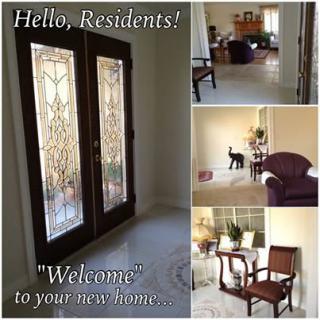
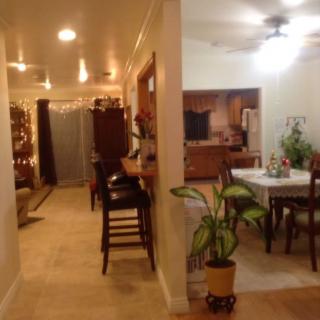

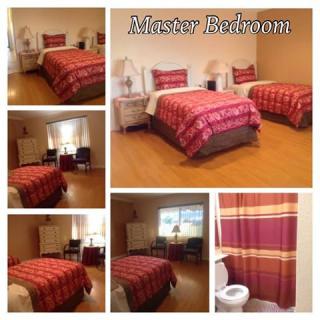
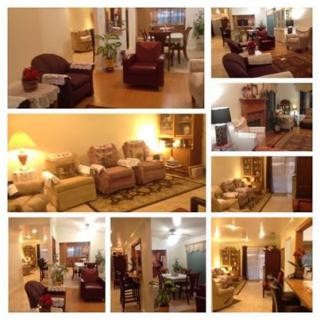

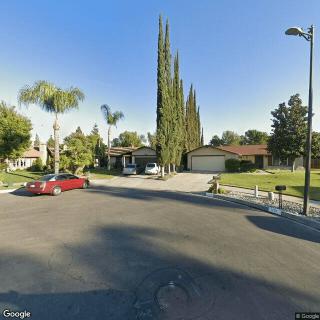
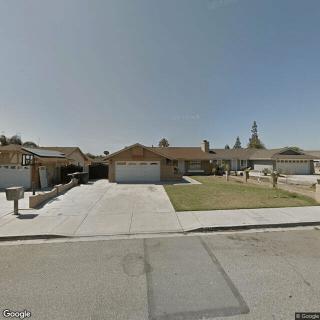
13945 Ivy Avenue, Fontana, CA 92335
For more information about senior living options: (866) 208-4318
Julinda's Home Care Costs & Pricing
Julinda's Home Care offers competitive pricing for its services compared to both San Bernardino County and the broader California market. For semi-private accommodations, residents can expect a monthly fee of $2,750, which is notably lower than the county average of $2,958 and significantly less than the state average of $3,333. In the private room category, Julinda's rate of $3,500 is slightly lower than San Bernardino County's $3,561 and well below the state average of $3,939. Additionally, their one-bedroom option is priced at $4,000, which sits above the county's average of $3,548 but remains more economical when juxtaposed with California's higher rate of $4,340. Overall, Julinda's Home Care presents an attractive value proposition for those seeking quality home care services without compromising on comfort or care standards.
| Floor plans | Julinda's Home Care | San Bernardino County | California |
|---|---|---|---|
| Semi-Private | $2,750 | $2,958 | $3,333 |
| Private | $3,500 | $3,561 | $3,939 |
| 1 Bedroom | $4,000 | $3,548 | $4,340 |
Memory care communities with a similar price nearby
-
from -$250 / mo
Valley Spring Elderly Care
$2,500 to $3,000 / month12.4 miles away -
About the same

Bianca's Home Care
$2,800 to $3,400 / month17.0 miles away -
from +$250 / mo
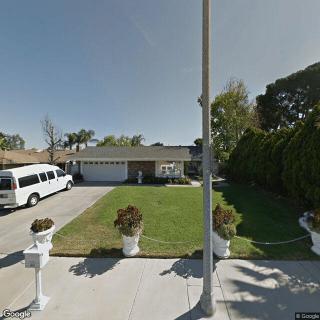
Villa Anne
$3,000 to $4,500 / month13.1 miles away -
from -$250 / mo
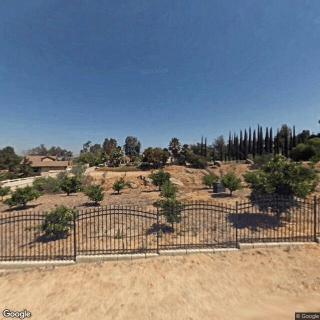
Golden Horizon Home I
$2,500 to $2,800 / month16.6 miles away -
from +$450 / mo

Live In Comfort Care
$3,200 to $3,500 / month7.1 miles away
Overall Review of Julinda's Home Care
Pros
 The service is conveniently located near their home.
- They keep all their appointments.
- They are in the early stages and are gaining experience.
Cons
 They’re just starting out and getting their feet wet.
- Service is just a little spotty sometimes.
- They cost a little more than they’re worth.
- The person I’m caring for gets kind of frustrated with them sometimes.
Review
Julinda’s Home Care in Fontana is best suited for families seeking localized, personal 1:1 assistance for a senior, with an emphasis on proximity and a service that can adapt as a small operation grows. It appeals to households that value a home-base footprint, quick access from the neighborhood, and the potential for closer caregiver matching as the agency refines its processes. This is not a large, step-in, cookie-cutter agency; it’s a young outfit still finding its footing. Families comfortable with a startup phase, where schedules and routines may tighten up with time, will likely feel ownership over the care plan and appreciate the hands-on attention that comes with a smaller team.
Those who should consider alternatives include families that require ironclad, consistently reliable service from an established, financially stable operator. If predictable daily routines, exacting scheduling, or transparent cost control are non-negotiables, a more seasoned agency may deliver more certainty. Additionally, households facing complex medical needs or demanding oversight, where frequent shifts in care personnel or highly specialized tasks are routine, may find a growing-but-unproven outfit less capable of delivering steady, hands-on management. In short, if comfort with a learning curve and a modest premium for the startup phase feels risky, it’s prudent to survey more mature options.
On the upside, the proximity factor stands out and tends to reduce the stress of arranging last-minute support or swapping caregivers. The agency’s ability to keep appointments signals a level of reliability that families can leverage when coordinating with other services or medical appointments. The small-scale nature of the operation can translate into more individualized attention and quicker responsiveness to feedback. In a market saturated with large, impersonal providers, Julinda’s offers the potential for a tighter, more collaborative working relationship with caregivers and family members, an asset when continuity of care and trust matter most.
The primary drawbacks center on consistency and value. One review notes that service can be uneven as the team is still “getting their feet wet,” which translates into occasional frustrations for the cared-for person and for relatives who must manage expectations. The sense that the service is not yet fully polished can undermine day-to-day confidence, especially on days when bumps in scheduling or communication surface. Coupled with the perception that costs exceed perceived value, the financial calculus becomes a real consideration for families balancing budgets against the comfort of ongoing, reliable support. In short, the startup phase comes with costs, both emotional and monetary, that must be weighed carefully.
Despite the bumps, the positives can offset the negatives for families who prioritize location, flexibility, and a tailored approach. The near-neighborhood presence means less travel strain for the caregiver and easier access for family members conducting check-ins or swapping tasks. The fact that appointments are kept suggests a foundational system is in place that can be tightened with time, training, and more consistent caregiver pairing. If the care plan is dynamic, adjustments based on real-time feedback, and if a family is prepared to actively participate in fine-tuning schedules and caregiver matches, Julinda’s can evolve into a very solid, community-rooted option.
Bottom line: Julinda’s Home Care adds real value for Fontana-area families who want a locally oriented, adaptable care partner and who can tolerate a startup phase as it matures. It’s not the pick for households that require unwavering consistency at a clear, lower price point or for those needing advanced medical care without supervision. Prospective clients should enter with a plan for due diligence: request detailed caregiver profiles and scheduling policies, ask for a written care plan and pricing breakdown, request trial periods or phased rollouts, and arrange references from other families who’ve navigated the early stages of this agency’s growth. With clear expectations and active family involvement, Julinda’s can become a dependable, convenient option that saves time and reduces stress in Fontana’s caregiving landscape.
 6 resident community capacity
 Assisted Living
 Board and Care Home
 Memory Care
 Activities off-site
 Bath tubs
 Beautician on-site
 Cable or satellite TV
 Devotional services off-site
 Dining room
 Fully furnished
 Garden
 Housekeeping services
 Indoor common areas
 Move-in coordination
 Outdoor common areas
 Private
 Respite or short term stays offered
 Telephone
 Wi-Fi/high-speed internet available
 Ontario International (7 miles away)
 24-hour supervision
 Assistance with bathing
 Assistance with dressing
 Assistance with transfers
 Diabetes diet
 Diabetic care
 High acuity care
 Incontinence care
 Meal preparation and service
 Medication management
 Special dietary restrictions
 Transportation arrangement (medical)
 Transportation to doctors appointments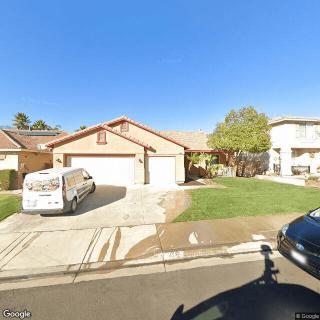


 An In-Depth Look at Reminiscence Therapy in Dementia Care
 Dementia-Related Hallucinations: Causes, Experiences, and Practical Approaches
 Illuminating Insights About Alzheimer's Disease: Ten Crucial Realities