
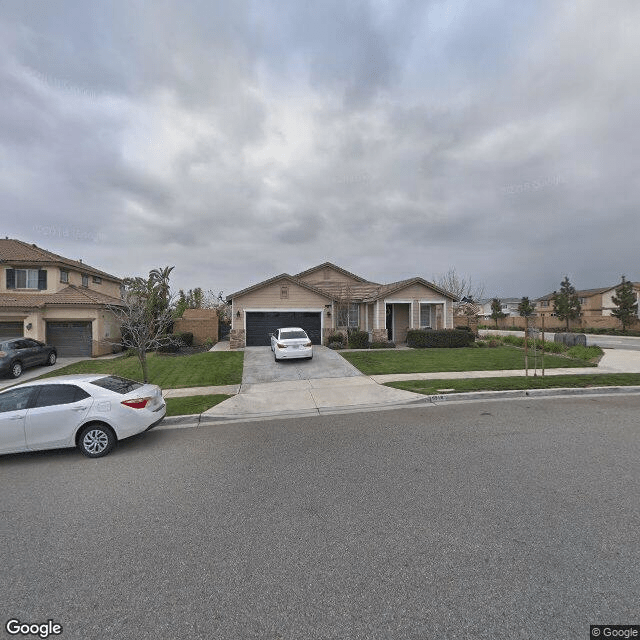
6916 Clear Lake Way, Fontana, CA 92336
To contact a resident: (909) 452-8554
For more information about senior living options: (866) 208-4318
Astoria Elder Care Costs & Pricing
Astoria Elder Care offers competitive pricing for its services, with monthly costs that are notably lower than both San Bernardino County and the broader state of California. For a semi-private room, residents can expect to pay $2,500 per month at Astoria, which is significantly less than the county average of $2,958 and the state average of $3,333. Similarly, those opting for a private room will find Astoria's rate of $3,500 to be more economical compared to San Bernardino County's average of $3,561 and California's $3,939. This pricing structure makes Astoria Elder Care an appealing option for families seeking quality care without the financial strain commonly associated with similar facilities in the region.
| Floor plans | Astoria Elder Care | San Bernardino County | California |
|---|---|---|---|
| Semi-Private | $2,500 | $2,958 | $3,333 |
| Private | $3,500 | $3,561 | $3,939 |
Senior living communities with a similar price nearby
-
About the same
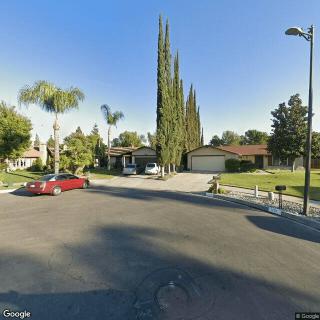
Valley Spring Elderly Care
$2,500 to $3,000 / month10.7 miles away -
from +$300 / mo

Bianca's Home Care
$2,800 to $3,400 / month18.5 miles away -
About the same
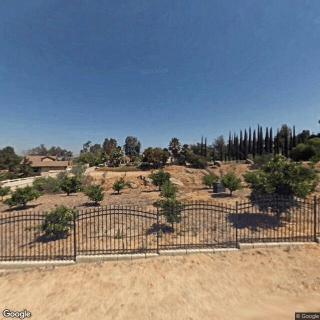
Golden Horizon Home I
$2,500 to $2,800 / month17.5 miles away -
About the same
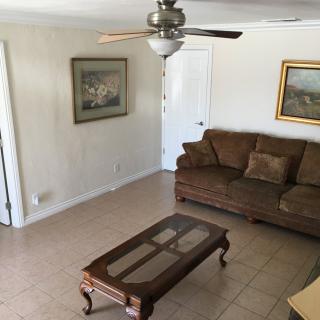
Center Plaza Senior Living
$2,500 to $4,600 / month10.1 miles away -
About the same
Oath- Inland
$2,500 to $3,500 / month7.8 miles away
Overall Review of Astoria Elder Care
Pros
 The staff at Astoria has always been kind to residents and understands their situations.
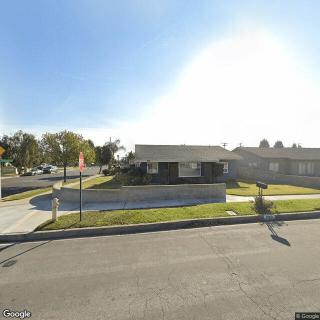
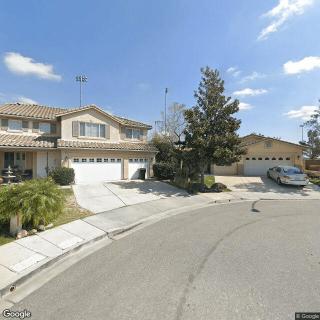
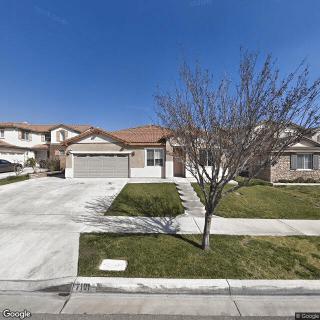
- The house is located in a very nice, newer neighborhood.
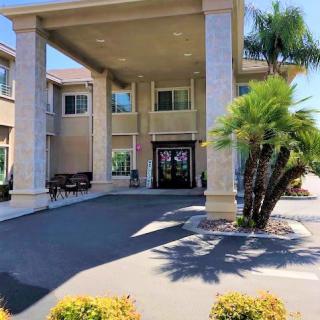
- Inside, the facility is elegantly furnished and extraordinarily clean.
- Residents are really treated like family.
- Families are kept updated on residents’ conditions, whether by texting or during visits.
- Prospective families are encouraged to visit Astoria to see the truth.
- There were no residents who were drugged.
Cons
 Most of the patients at Astoria were described as being so drugged out that they could not talk and did not know where they were.
- The staff were described as non-conversant, did not understand basic English, and lacked common sense.
- Activities were limited to singing, with little else offered.
- The reviewer observed the mother slumped in a chair with drool running down her mouth after only three weeks, which was troubling to the family.
- The mother shared a room with another patient and it was described as merely average.
Review
Astoria Eldercare in Fontana is best suited for families seeking a small, home-like environment where attentive, personal care and frequent updates are valued. The strongest voice among the reviews describes a newer house that is clean and elegantly furnished, with residents treated like family and staff who communicate regularly about a loved one’s condition. For memory-care needs, this setting can feel reassuring: a calmer, more intimate atmosphere where caregivers appear to provide steady, day-to-day contact and families receive ongoing updates, often via text or in-person visits. In short, this community appeals to families prioritizing warmth, familiarity, and visible caregiver presence over complex medical programming or large-scale activity schedules.
There are clear caveats that families should weigh, and alternatives should be considered for those who need more clinical oversight or broader programming. One review paints a troubling picture: heavy concerns about sedation, with allegations that many residents are “drugged out,” coupled with language barriers among staff, limited English conversational ability, and minimal activity beyond singing. The same account notes shared rooms and a perceived lack of daily engagement or meaningful interaction. While this reflects a single perspective, it signals a potential mismatch for families seeking strong medical accountability, robust activity options, and clearly communicative staff across all shifts. Alternatives with proven multilingual staffing, higher clinical supervision, and private-room options may be preferable in such cases.
When the positive aspects are weighed against the negative claims, a nuanced balance emerges. The pros, clean, welcoming surroundings; a home-like vibe; consistent family updates; and staff who appear genuinely caring, offer substantial value for residents who thrive on individualized attention and a calm routine. These strengths can offset certain limitations if the resident’s needs align with a smaller-scale operation and if medication management remains transparent and appropriate. However, the credibility gap between the two reviews cannot be ignored. Families should verify medication practices, staffing consistency, and the quality of daily programming before concluding that these advantages will reliably outweigh the risks suggested by the contrasting report.
The main cons, if verified, translate into meaningful quality-of-life and safety risks. Sedation concerns directly impact cognitive clarity, mobility, and engagement, critical factors for anyone with Alzheimer’s or other dementias. Language barriers and perceived inattentiveness from staff can compromise timely responses to changes in condition, potentially jeopardizing safety. A limited activity slate can lead to boredom, restlessness, and accelerated functional decline. Shared rooms, while common in smaller facilities, may intensify discomfort or privacy concerns for families accustomed to private accommodations. Any of these issues can erode the accumulating daily stability that families expect from a trusted care home, especially for residents who require vigilant, nuanced care.
From a decision-making standpoint, the recommended path is deliberate and investigative. Prospective families should arrange two comprehensive visits: one focused on meeting direct caregivers and observing day-to-day interactions, meals, and activity offerings; another oriented toward governance, medication practices, and care planning. Request a current resident schedule, the staffing roster for shifts, and a clear explanation of how medications are ordered, administered, and reviewed. Ask about language capabilities across care teams, and request examples of family communication, including recent updates and care notes. Verify licensing and complaint history, and seek candid feedback from multiple families or residents to triangulate experiences.
Ultimately, Astoria Eldercare can be a strong fit for families valuing a warm, intimate environment with consistent updates and a caregiving staff that feels like an extension of family. It is not a one-size-fits-all solution. For households prioritizing aggressive medical oversight, extensive social programming, private accommodations, and barrier-free English-speaking communication across all staff levels, alternatives should be explored. The best course is a structured, two-visit evaluation with concrete questions about medication management, staffing quality, and daily life rhythm; if those checks align with the positives described, Astoria becomes a viable, well-considered option. If not, there are other communities that may align more closely with the resident’s medical needs and the family’s expectations for engagement and transparency.
 Board and Care Home
 Activities off-site
 Bath tubs
 Beautician on-site
 Devotional services off-site
 Indoor common areas
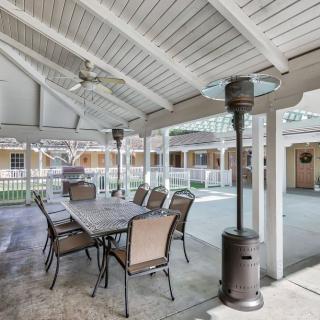
 Outdoor common areas
 Private
 Private bathrooms
 Respite or short term stays offered
 Wheelchair accessible showers
 Ontario International (10 miles away)
 High acuity care
 Incontinence care
 Kosher
 Adventist services
 Buddhist services
 Islamic services

 Comprehensive Insights into Palliative Home Care: What It Is and What to Expect
 Skilled Nursing Facilities vs. Nursing Homes: Making Sense of the Differences
 A Detailed Examination of Nursing Home Costs Across the U.S.