Sunny Hill Home Care II

Save
Sunny Hill Home Care II

Sunny Hill Home Care II

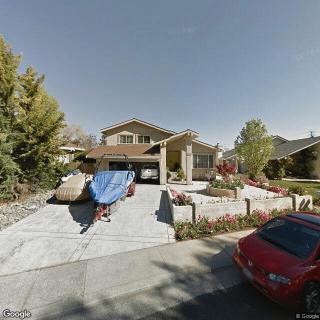
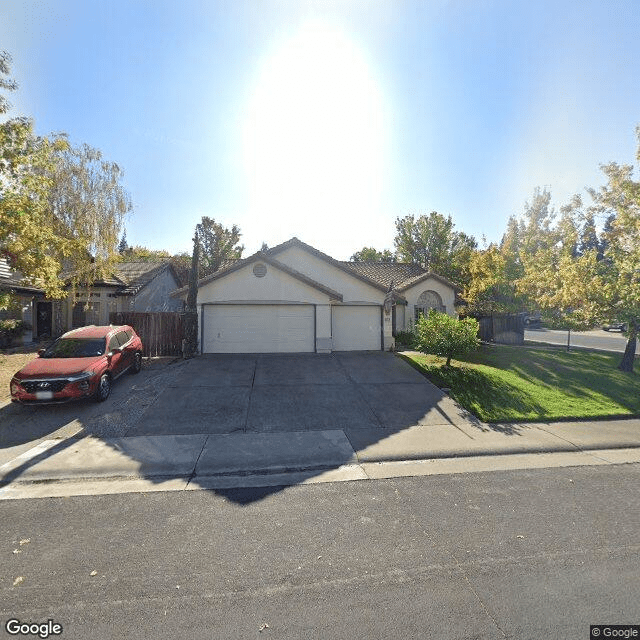
137 Yankton Street, Folsom, CA 95630

For more information about senior living options: (844) 490-3973

4.6 from 10 reviews
5 stars
9
4 stars
0
3 stars
0
2 stars
0
1 stars
1

Assisted Living Board and Care Home Day Program Memory Care Respite Care

Sunny Hill Home Care II Costs & Pricing

Sunny Hill Home Care II offers private room accommodations at a monthly rate of $5,500, which is notably higher than the average costs in Sacramento County and across California. In Sacramento County, the average cost for a similar private room is approximately $3,686, while the statewide average stands at around $3,939. This significant difference suggests that Sunny Hill Home Care II may provide enhanced services or amenities that justify its premium pricing. Families considering care options should weigh these costs against the specific offerings and quality of care available to ensure they find the best fit for their loved ones' needs.

Floor plansSunny Hill Home Care IISacramento CountyCalifornia
Private$5,500$3,686$3,939

Features

Housing

  • 6 resident community capacity 6 resident community capacity

Types of Care

  • Assisted Living Assisted LivingAssisted living facilities provide crucial support and care for seniors who may need help with daily tasks such as medication management, bathing, and meal preparation. These communities offer a safe and comfortable environment where seniors can maintain their independence while receiving the assistance they need to thrive in their golden years.
  • Board and Care Home Board and Care HomeBoard and care homes provide a smaller, more intimate setting for seniors who require assistance with daily tasks but do not need the level of care offered by a nursing home. They offer personalized care, meals, and social activities in a homelike environment, ensuring that seniors receive individualized attention and support in their golden years.
  • Day Program Day ProgramDay programs are important for seniors because they provide a safe and supportive environment where older adults can socialize, engage in activities, receive assistance with daily tasks, and access valuable resources and services. These programs help prevent isolation and loneliness, promote mental and physical well-being, and offer a sense of purpose and community for seniors.
  • Memory Care Memory CareMemory care is crucial for seniors as it provides specialized support and services for individuals with dementia or Alzheimer's disease. These programs offer a safe and secure environment where residents receive personalized care, cognitive stimulation, and help with daily activities. Memory care helps seniors maintain their independence, quality of life, and dignity while also providing peace of mind for their families.
  • Respite Care Respite CareRespite care provides temporary relief for caregivers, allowing them to recharge and attend to their own needs. It also gives seniors the opportunity to socialize, receive professional care, and experience a change of scenery, promoting overall well-being and reducing feelings of isolation.

Amenities

  • Cable or satellite TV Cable or satellite TVCable or satellite TV is important for seniors because it provides entertainment, news, and companionship, helping to combat loneliness and boredom. It also offers a wide range of programming options tailored to different interests and preferences.
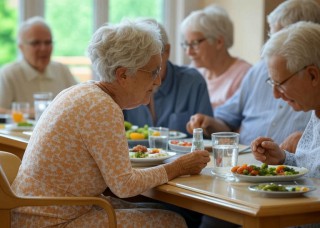
  • Dining room Dining roomDining rooms are important for seniors as they provide a space for socialization, connection, and nutritious meals. They offer opportunities for residents to bond over shared meals, foster a sense of community, and promote healthy eating habits. Dining rooms also ensure that seniors have access to well-balanced meals tailored to their dietary needs and preferences.
  • Fully furnished Fully furnishedFully furnished senior living communities are important for seniors because they provide convenience, comfort, and a hassle-free moving experience. Seniors can easily settle into their new living space without the stress of having to buy and move furniture. This allows them to focus on enjoying their new home and community.
  • Garden GardenGardens are important for seniors as they provide a peaceful and therapeutic environment for relaxation, physical activity, and socialization. Being in nature has been shown to reduce stress, improve mood, and promote overall well-being. Gardens also offer opportunities for seniors to engage in gardening activities, which can improve mobility, flexibility, and cognitive function. Additionally, gardens create a sense of community and connection with others who share a passion for plants and outdoor spaces.
  • Housekeeping services Housekeeping servicesHousekeeping services are important for seniors because they help maintain a clean and safe living environment, promote independence, and reduce the risk of accidents or illnesses. Additionally, having assistance with household chores can alleviate physical strain and allow seniors to focus on other aspects of their well-being.
  • Move-in coordination Move-in coordinationMove-in coordination is important for seniors because it helps ease the transition into their new living environment. It ensures that all logistics, such as packing, organizing movers, and setting up utilities are taken care of, allowing seniors to focus on settling in and adjusting to their new home. Having a smooth move-in process can alleviate stress and anxiety, making the transition smoother and more enjoyable for seniors.
  • Outdoor space Outdoor spaceOutdoor spaces are important for seniors as they provide opportunities for physical activity, social interaction, exposure to natural light and fresh air, and a sense of connection to nature. Having access to outdoor spaces can improve overall well-being and quality of life for older adults living in senior communities.
  • Private PrivatePrivacy is important for seniors as it allows them to maintain their independence, dignity, and sense of control over their own lives. It also gives them the space and freedom to relax, reflect, and engage in activities that bring them joy and fulfillment. Creating private spaces within senior living facilities is crucial for promoting overall well-being and quality of life.
  • Telephone TelephoneTelephones are important for seniors as they provide a lifeline for communication with loved ones, emergency services, and healthcare providers. They offer a sense of security and independence, enabling seniors to stay connected and access assistance when needed.
  • Wi-Fi/high-speed internet available Wi-Fi/high-speed internet availableWi-Fi/high-speed internet is important for seniors to stay connected with loved ones, access online resources, and participate in virtual activities to combat feelings of loneliness and isolation. It also allows them to easily manage healthcare needs, access entertainment, and engage in lifelong learning opportunities.

Transportation

  • Sacramento International (23 miles away) Sacramento International (23 miles away)

Care Services

  • 24-hour supervision 24-hour supervision24-hour supervision is important for seniors to ensure their safety, well-being, and access to immediate assistance in case of emergencies or health issues. This constant support provides peace of mind for both seniors and their loved ones, allowing them to age in place with dignity and security.
  • Activities of daily living assistance Activities of daily living assistanceActivities of daily living assistance are important for seniors because they provide essential support with tasks such as eating, bathing, dressing, and mobility. This assistance helps seniors maintain their independence, dignity, and overall quality of life as they age.
  • Assistance with bathing Assistance with bathingAssistance with bathing is crucial for seniors as it helps maintain personal hygiene, prevents infections, and ensures their overall well-being and comfort. It also provides a sense of dignity and independence for seniors who may struggle with this task on their own.
  • Assistance with dressing Assistance with dressingAssistance with dressing is important for seniors because it helps maintain their independence, promotes personal hygiene, prevents accidents and injuries, and improves overall quality of life. This service ensures that seniors can continue to dress comfortably and confidently, despite any physical limitations they may have.
  • Assistance with transfers Assistance with transfersAssistance with transfers is crucial for seniors as it helps prevent falls and injuries, maintains their independence, and ensures they can safely navigate their living environment. It also provides peace of mind for both seniors and their loved ones.
  • Coordination with health care providers Coordination with health care providersCoordination with health care providers is crucial for seniors to ensure proper medical care, medication management, and overall well-being. This collaboration helps prevent overlapping treatments, track progress more effectively, and provide comprehensive support tailored to individual needs.
  • Diabetes diet Diabetes dietA diabetes diet is crucial for seniors as it helps manage blood sugar levels, reduce risks of complications, and improve overall health and well-being. By following a balanced and nutritious diet tailored to their specific needs, seniors can better control their diabetes and enhance their quality of life.
  • Diabetic care Diabetic careDiabetic care is crucial for seniors as they are more susceptible to developing diabetes due to aging and other health conditions. Proper management of diabetes can help prevent complications such as heart disease, vision loss, and nerve damage, improving the overall quality of life for seniors in senior living communities.
  • Incontinence care Incontinence careIncontinence care is essential for seniors to maintain their dignity, hygiene, and overall quality of life. By addressing incontinence issues promptly and effectively, seniors can enjoy a sense of independence and comfort in their daily activities.
  • Meal preparation and service Meal preparation and serviceMeal preparation and service are crucial for seniors as they may have limited mobility or energy to cook nutritious meals. Having access to healthy and convenient food options can ensure they are getting the proper nutrition needed to maintain their overall health and well-being.
  • Medication management Medication managementMedication management is crucial for seniors to ensure they are taking the right medications at the correct dosages and times. This helps prevent adverse drug interactions, reduces the risk of medication errors, and promotes overall health and well-being. Proactive management also allows for adjustments as needed based on changing health conditions or new prescriptions.
  • Special dietary restrictions Special dietary restrictionsSpecial dietary restrictions are important for seniors because age-related changes in metabolism and health conditions can make it difficult for their bodies to process certain foods. By following a diet tailored to their specific needs, seniors can maintain their overall health and well-being, manage chronic conditions, and reduce the risk of complications such as malnutrition or food interactions with medications.
  • Transportation arrangement (medical) Transportation arrangement (medical)Transportation arrangements for medical purposes are essential for seniors as they may have difficulty driving themselves to appointments or accessing public transportation. Having reliable and safe transportation options ensures that seniors can receive timely medical care and maintain their health and well-being.
  • Transportation to doctors appointments Transportation to doctors appointmentsTransportation to doctors' appointments is crucial for seniors as it ensures they have access to necessary medical care and support for their health needs. Without reliable transportation, seniors may struggle to attend important appointments, leading to potential delays in treatment and health complications. Providing transportation services helps seniors maintain their overall well-being and quality of life.
Dining

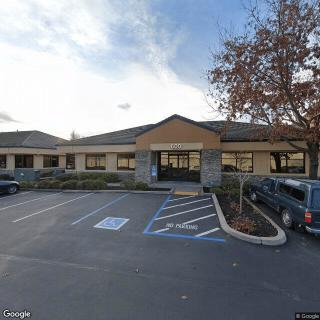
  • Diabetes diet Diabetes dietA diabetes diet is crucial for seniors as it helps manage blood sugar levels, reduce risks of complications, and improve overall health and well-being. By following a balanced and nutritious diet tailored to their specific needs, seniors can better control their diabetes and enhance their quality of life.
  • Special dietary restrictions Special dietary restrictionsSpecial dietary restrictions are important for seniors because age-related changes in metabolism and health conditions can make it difficult for their bodies to process certain foods. By following a diet tailored to their specific needs, seniors can maintain their overall health and well-being, manage chronic conditions, and reduce the risk of complications such as malnutrition or food interactions with medications.

Activities

  • Community-sponsored activities Community-sponsored activitiesCommunity-sponsored activities are important for seniors as they provide opportunities for social interaction, mental stimulation, and physical activity. These activities can help improve overall well-being, combat loneliness and isolation, and promote a sense of belonging and purpose among older adults.
  • Scheduled daily activities Scheduled daily activitiesScheduled daily activities are important for seniors because they provide structure, socialization, mental stimulation, and physical activity. Engaging in regular activities can improve overall well-being and quality of life for seniors living in a community setting.

Description

Sunny Hill Home Care II in Folsom, CA is a premier assisted living community that offers a range of care services to meet the unique needs of each resident. With a focus on providing personalized care, this community offers board and care home, day program, memory care, and respite care options.

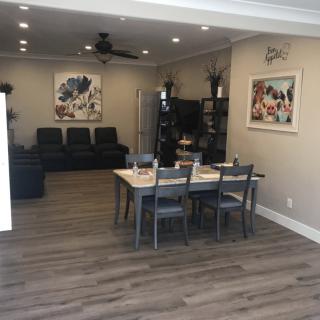
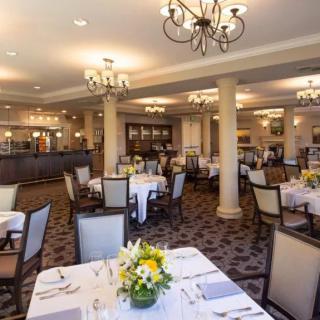
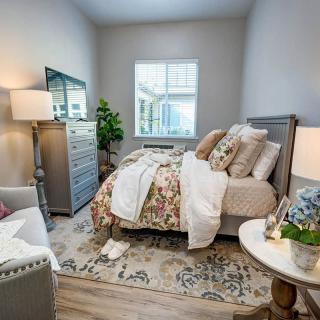
Residents will feel right at home in the fully furnished accommodations at Sunny Hill Home Care II. The community features a spacious dining room where residents can enjoy delicious meals prepared by the dedicated staff. Housekeeping services are available to ensure a clean and comfortable living environment for all residents.

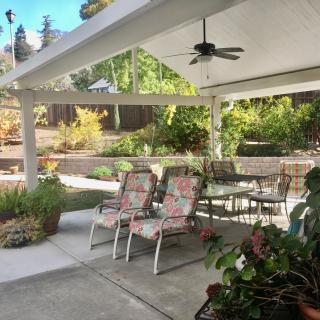
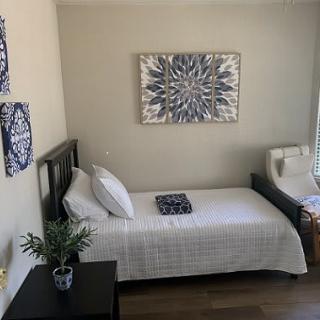
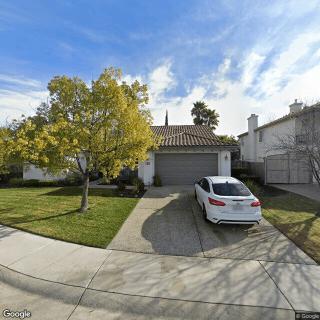
Outdoor space and a beautiful garden provide opportunities for residents to enjoy fresh air and peaceful surroundings. Private rooms are provided for added comfort and privacy.

For convenience, telephone and Wi-Fi/high-speed internet services are available to keep residents connected with loved ones. Move-in coordination is also provided to assist new residents with transitioning into their new home seamlessly.

The caring staff at Sunny Hill Home Care II provides assistance with activities of daily living such as bathing, dressing, and transfers. They also coordinate with health care providers to ensure that all medical needs are met. Diabetes diet and diabetic care are available for those who require specialized attention. Incontinence care is provided to maintain dignity and comfort.

Meal preparation and service are offered to ensure that residents receive nutritious meals tailored to their dietary needs. Medication management is provided to help residents stay on top of their medication schedules. Special dietary restrictions can be accommodated.

Transportation arrangement for medical purposes and transportation to doctors' appointments is available for added convenience.

Residents can participate in scheduled daily activities that cater to their interests and hobbies. For those who prefer exploring the surrounding area, there are numerous cafes, parks, pharmacies, restaurants, places of worship, theaters, and hospitals nearby.

At Sunny Hill Home Care II in Folsom, CA, residents can expect exceptional assisted living services in a warm and welcoming environment where their needs are prioritized.

Nearby Places of Interest

This area of Folsom, California, offers a variety of amenities and services that would be beneficial for seniors looking to settle in the area. With multiple physicians' offices nearby, including Linder Psychiatric Group and O'Malley Peter L MD at UC Davis Medical Group, seniors can easily access medical care. There are also reputable pharmacies such as Walgreens and CVS Pharmacy in close proximity. For leisure activities, there are several restaurants like Burger King and Scott's Seafood Roundhouse, cafes such as Starbucks and T4 Tea For U, as well as theaters like Folsom Century Theaters for entertainment options. Additionally, there are beautiful parks like Granite Park and Negro Bar State Park for outdoor recreation opportunities. Nearby hospitals like Kaiser Permanente and Mercy Hospital of Folsom provide peace of mind in case of medical emergencies. Overall, this part of Folsom offers a convenient and comfortable environment for seniors seeking a vibrant community with access to essential services.

Physicians

  • Linder Psychiatric Group (0.5 miles)
  • Revolutions Naturopathic (0.8 miles)
  • O'Malley Peter L MD - UC Davis Medical Group (0.8 miles)
  • Daniel J Cooper (2.2 miles)
  • Donald Jonathan Clutter (2.2 miles)
  • Debruin Medical Center (2.2 miles)
  • El Dorado Orthopaedics (2.3 miles)

Restaurants

  • Burger King (0.7 miles)
  • Red Bus Brewing Company (1.7 miles)
  • Handel’s Homemade Ice Cream (2 miles)
  • Chang's Mongolian Grill (2 miles)
  • McDonald's (2 miles)
  • Scott's Seafood Roundhouse (2.1 miles)
  • Plank Craft Kitchen & Bar (2.3 miles)

Theaters

  • Folsom Century Theaters (0.8 miles)
  • Palladio 16 Cinemas (3.2 miles)
  • Regal El Dorado Hills & Imax (6.3 miles)

Cafes

  • Dutch Bros Coffee (1.8 miles)
  • Starbucks (1.9 miles)
  • Sociology Coffee Bar (2.2 miles)
  • T4 Tea For U (3 miles)
  • Temple Coffee Roasters (3.1 miles)
  • Starbucks (4.8 miles)
  • Starbucks (5.2 miles)

Pharmacies

  • Walgreens (1.8 miles)
  • CVS Pharmacy (2 miles)
  • Rite Aid (2.1 miles)
  • Biosrx (2.2 miles)
  • Walgreens (2.8 miles)
  • CVS Pharmacy (3.3 miles)
  • CVS Pharmacy (3.6 miles)

Parks

  • Granite Park (1.9 miles)
  • Nimbus Flat (2.1 miles)
  • Negro Bar State Park (2.3 miles)
  • Castle Park (3.4 miles)
  • Handy Family Park (3.4 miles)
  • Econome Family Park (4.2 miles)
  • Sunrise Area American River Parkway (4.7 miles)

Hospitals

  • Kaiser Permanente (2.3 miles)
  • Mercy Hospital of Folsom (2.5 miles)
  • Kaiser Permanente ASU (3.1 miles)

Places of Worship

  • Lakeside Church (2.7 miles)
  • The Block At Lakeside Church (2.8 miles)
  • St Mel's Catholic Church (5.2 miles)

Frequently Asked Questions

How much does it cost to live at Sunny Hill Home Care II in Folsom, CA?
Where is Sunny Hill Home Care II?
Does Sunny Hill Home Care II provide care for residents with dementia or Alzheimer's disease?

Nearby Communities

Related Resources

  • best foods for dementia patients to eatNourishing the Mind: Essential Dietary Approaches for Dementia

    Dementia is characterized by cognitive decline, with nutrition playing a vital role in brain health; while no specific diet can prevent or reverse it, a nutrient-dense diet rich in antioxidants and healthy fats may support cognitive function. The MIND diet, which emphasizes beneficial foods and limits processed items, along with proper hydration and individualized meal strategies, can enhance the well-being of dementia patients.

  • dementia behaviorsUnderstanding Dementia Behaviors: Practical Insights and Strategies for Caregivers
    Dementia affects memory and cognitive function in older adults, presenting challenges for caregivers due to behavioral changes such as confusion and mood swings. Compassionate, person-centered care that considers individual history and preferences, along with effective communication and environmental modifications, is essential for supporting both patients and their caregivers.

  • dementia and angerWhen Dementia Sparks Anger and Aggression: Understanding the Connection and Ways to Cope

    Dementia leads to cognitive impairment and can cause emotional and behavioral changes, including aggression that arises from frustration, confusion, or fear. Effective coping strategies for caregivers include understanding dementia's nature, recognizing triggers, using empathetic communication, and employing non-pharmacological interventions like music and art therapy.