
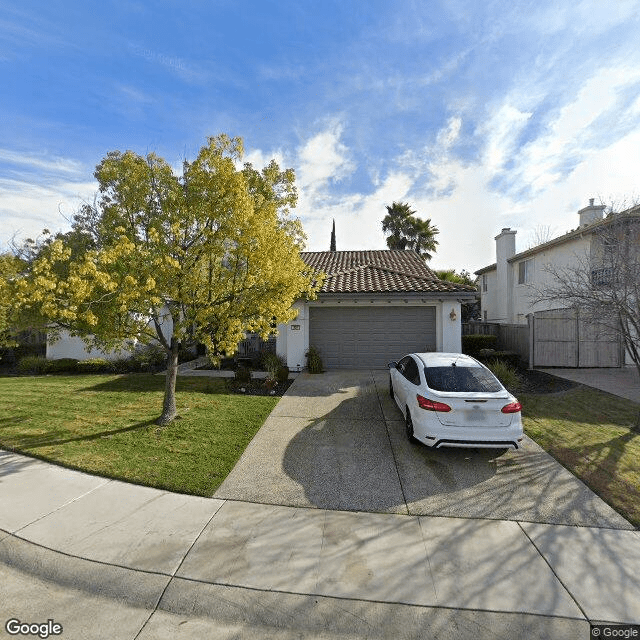
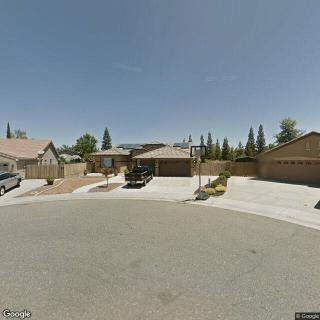
336 Sprig Circle, Folsom, CA 95630
For more information about senior living options: (866) 208-4318
Folsom Comfort Care Costs & Pricing
Folsom Comfort Care offers competitive pricing for its private rooms, setting the monthly cost at $3,000. This rate is notably lower than the average private room cost within Sacramento County, which stands at $3,686, and significantly more affordable compared to the broader state average of $3,939. By providing a financial advantage while maintaining high standards of care, Folsom Comfort Care positions itself as an appealing option for families seeking quality residential support services without compromising on essential comfort and care.
| Floor plans | Folsom Comfort Care | Sacramento County | California |
|---|---|---|---|
| Private | $3,000 | $3,686 | $3,939 |
Assisted Living communities with a similar price nearby
-
from -$500 / mo
Sunrise Senior Care
$2,500 to $3,500 / month7.4 miles away -
About the same
Afable Care Home
$3,000 to $3,500 / month13.2 miles away -
from -$500 / mo

Gina's Home Care
$2,500 / month8.6 miles away -
About the same

Love & Care for Elder
$3,000 to $4,500 / month11.3 miles away -
About the same

Hear Seniors
$3,005 to $3,870 / month12.0 miles away
Overall Review of Folsom Comfort Care
Pros
 The caregivers provide personal care and compassion, creating a home-like environment for residents.
- The staff are diligent, kind, and go above and beyond for loved ones.
- Communication from the caregivers is consistently good, with helpful feedback.
- The facility is well-run under owner Lena, who is delightful to work with and very accommodating.
- The meals are homemade and prepared with care, contributing to a nutritious daily routine.
- The home environment includes a beautiful backyard and a peaceful setting with pleasant views.
- The routines and attention to detail help residents feel cared for and understood.
- Families would highly recommend Folsom Comfort Care for a loved one.
Cons
 The reviewer described the facility as a tract home where the resident felt she was in someone else’s house and was terribly unhappy.
- There was a safety and communication lapse when the resident fell, and staff did not inform the family or arrange medical care.
- Staffing was inadequate at times, with only one caregiver on duty despite claims of more.
- Caregivers spoke limited English, creating a language barrier in care.
- The food was terrible and not nutritious, including meals like salty canned soup.
- There was little to no meaningful activities or stimulation for residents.
- Caregiver rotation led to inconsistency in care, with some caregivers better cooks than others.
- Socialization was hindered because some residents did not speak.
Review
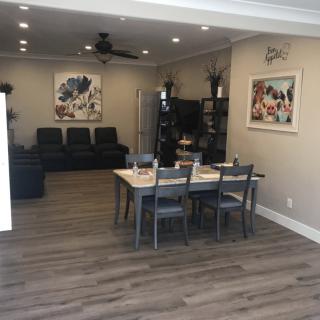
This community is best suited for families seeking a small, home-like assisted living option in which daily care feels personal, attentive, and consistently available. It works well for seniors who need help with everyday activities and relish a warm, familial atmosphere rather than a clinical, institutional setting. The strength here is a caregiver-driven culture: the staff convey genuine compassion, speak highly of their residents, and operate in a home environment where routines and familiar meals create a sense of stability. The owner’s hands-on approach and the emphasis on a comfortable, residential feel, complete with home-cooked meals, a pleasant backyard, and even pet-friendly flexibility, make it a compelling choice for someone prioritizing intimate, day-to-day quality of life.
That said, potential movers should consider alternatives if requirements lean toward higher levels of medical oversight or advanced memory-care programming. The home is not a licensed nursing facility, and the care model centers on caregivers who handle daily tasks rather than on-site, registered nursing oversight. Families needing regular clinical monitoring, complex wound care, or memory-care-specific structures may find a better fit elsewhere. Likewise, if robust social programming, a structured activity calendar, or ongoing engagement tailored to cognitive needs are non-negotiables, other communities with dedicated activity coordinators and more formal programming may serve better.
The strongest positives, compassionate, consistent caregiving; clear lines of communication; and a true home-like rhythm, often offset the main drawbacks for many residents. Caregivers are described as diligent, attentive, and invested in meals, bathing, dressing, and daily routines, contributing to a dependable feel of safety and dignity. The setting itself reinforces these strengths: a well-kept home in a residential area, the option to bring pets, and a layout that supports intimate interactions. Regular feedback from staff helps families stay informed, and the owner’s hands-on leadership tends to translate into quick problem-solving and personalized adjustments to routines and preferences.
Still, some cautions are warranted. A few reviewers noted caregiver rotation, which can lead to inconsistencies in who is familiar with a resident’s preferences or specific dietary needs. While the team generally performs well, this turnover can occasionally affect social ease or cooking quality, depending on who happens to be on shift. A minority of reviews also referenced residents who don’t speak, which can temper social stimulation, and one strongly negative account highlighted a serious lapse in safety and communication when a fall occurred and emergency steps were not promptly taken. Such experiences underscore the importance of verifying the current staffing model, supervision, and escalation processes before committing.
When weighing options, the value proposition stands out for families prioritizing a peaceful, homey environment with strong caregiver engagement and flexible, resident-centered care. For those evaluating memory-care needs or requiring intensive clinical support, however, it makes sense to compare more comprehensive memory-care facilities or communities with on-site nursing or dedicated dementia programs. Prospective residents should prioritize: caregiver-to-resident stability, the ability to maintain familiar routines, quality meals, and ease of family involvement, including pet policies and social gatherings. If these align with the senior’s priorities, the fit is compelling.
In practical terms, a thoughtful visit should focus on the caregiver team’s consistency, the owner’s responsiveness, and how daily routines are executed on site. Ask about the daily schedule, meal planning and dietary accommodations, and how emergencies or falls are managed and communicated. Inquire about the availability of nursing support or hospice-compatible services, and probe how social activities are structured and how residents are encouraged to participate. If the senior’s needs are largely daily living assistance with a preference for a homelike setting and close family engagement, Folsom Comfort Care offers a cultivated, compassionate option. If higher-level medical care, robust structured programming, or a strong emphasis on social engagement is non-negotiable, exploring alternatives will be prudent.
 6 resident community capacity
 Assisted Living
 Board and Care Home
 Respite Care
 Activities off-site
 Beautician on-site
 Cable or satellite TV
 Devotional services off-site
 Dining room
 Financial aid
 Fully furnished
 Garden
 Housekeeping services
 Indoor common areas
 Laundry
 Move-in coordination
 Outdoor common areas
 Party space
 Private
 Private bathrooms
 Telephone
 Wi-Fi/high-speed internet available
 Sacramento International (24 miles away)
 24-hour supervision
 Ambulatory care
 Assistance with bathing
 Assistance with dressing
 Assistance with transfers
 Diabetes diet
 Diabetic care
 High acuity care
 Incontinence care
 Meal preparation and service
 Medication management
 Special dietary restrictions
 Transportation arrangement (medical)
 Transportation to doctors appointments
 Fitness programs
 Games
Games Live musical performances
 English



 Funding and Affording Assisted Living: A Thorough Overview
 Assisted Living Expenses and Long-Term Care Insurance: A Comprehensive Exploration
 Securing Financial Support for Assisted Living: A Comprehensive Overview