
3204 Arroyo Drive, Fairfield, CA 94533
For more information about senior living options: (866) 208-4318
Overall Review of Paradise Valley Residential Care Home 2
Pros
 The staff at Paradise Valley Residential Care Home are wonderful and caring.
- Under Ed Gadia's leadership, Danny and Vivien provide compassionate, attentive care for residents with advanced dementia.
- Families report that residents receive the best possible care, often exceeding medical expectations.
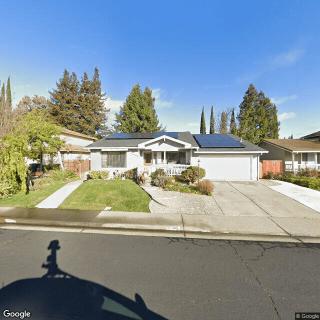
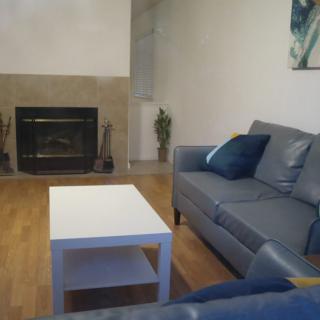
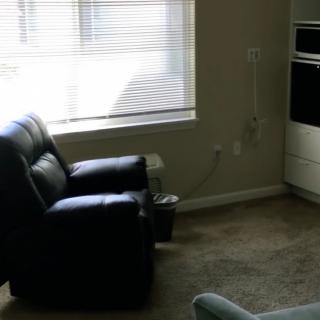
- The facility is peaceful and beautiful, with rooms that are nice and feature backyard access.
- The staff are highly qualified and treat residents like family.
- They communicate consistently and keep families informed, even from out of state.
- The care team comes highly recommended by grateful families.
Cons
 They described the staff as having language barriers and not speaking English in front of patients and families, which they viewed as very unprofessional.
- They claimed Mr. Gadia is the most unprofessional person they've met, acting like he owns the care home and being judgmental and rude on the phone.
- They warned the home is not suitable for someone who needs a lot of assistance.
- They stated that if you make waves or have issues with the care, you will be labeled as "difficult."
- They noted that the home would not be a good fit for someone with several food allergies like gluten, dairy, and soy.
- They reported that a loved one was sent to the ER and told she couldn't come back.
- They described the facility as awful.
Review
Paradise Valley Residential Care Home 2 is best suited for families seeking a small, intimate setting where compassionate, hands-on dementia and end-of-life care is the core strength. The community earns trust through a team that feels like family to residents, with continuous attention to comfort, daily routines, and gentle, person-centered interactions. The ambience, peaceful, clean rooms and a pleasant backyard, reinforces a home-like atmosphere that can help residents stay as comfortable as possible as cognitive and physical needs evolve.
Those weighing alternatives should note this home may not fit every situation. Families with loved ones who require intensive, around-the-clock medical intervention or highly regimented medical oversight may want to consider other options. Similarly, residents with multiple dietary restrictions or rigorous allergy accommodations may encounter friction, as one reviewer reports limited or imperfect dietary responsiveness. Language barriers among caregivers, and a few reports of rigid communication dynamics with administration, can complicate advocacy for assertive families. For anyone seeking a consistently clinical, highly regimented environment, this facility may fall short of expectations.
On the upside, the strongest positives center on genuine, attentive care. Staff are described as wonderful, caring, and deeply devoted, with Ed Gadia and his team consistently attentive to both routine needs and crises. Families repeatedly note proactive communication, staff members are often the first to report illness or ER visits, giving out-of-town families a reliable link to their loved one’s status. The care team’s approach to dementia and end-of-life scenarios stands out: residents often transition with dignity, and the extended presence of staff during difficult moments is a recurring theme in the positive accounts. The setting itself amplifies these strengths, presenting a calm, welcoming environment that many families value highly.
Yet the documented downsides cannot be ignored. Several reviewers point to practical and interpersonal frictions: a perception of language barriers among some caregivers, occasional concerns about the capacity of an aging workforce to handle all needs, and occasional judgments or rigidity around family advocacy. One account highlights a harsh reaction to a disagreement, casting doubt on the transparency and warmth that should accompany caregiving. Another review cites a lack of accommodation for specific dietary allergies and references a problematic hospital discharge experience. Taken together, these cautions suggest that while care quality can be outstanding, the experience hinges significantly on individual staff interactions and clear, respectful communication with administration.
Consequently, the pros can offset the cons when the decision centers on dementia- and end-of-life-focused care within a home-like setting that prizes personal connection. The ability of staff to keep family members informed, the serene environment, and the perception of genuine compassion often outweigh logistical or communication hiccups, provided the plan aligns with realistic expectations about day-to-day operations and staffing. Families who prioritize warmth, continuity, and a sense of belonging for a loved one with advancing memory loss will likely view Paradise Valley as a strong match, especially if they are comfortable engaging proactively with care staff and management.
For those moving forward, practical steps sharpen the decision. Schedule a thorough tour during a time that resembles typical routines, and request unfiltered conversations with the caregiving team and the administrator. Ask precise questions about night staffing, English-language proficiency among caregivers, and how dietary restrictions are managed day-to-day. Seek concrete examples of how concerns from families are handled and what escalation pathways exist if disagreements arise. Bring a current care plan, including medications, dietary needs, and mobility supports, and verify that these needs can be met consistently. In short, Paradise Valley is a compelling choice for dementia-focused, family-centered care, so plan the visit with specific, hard-edged questions to ensure the fit is right before committing.
 6 resident community capacity
 Assisted Living
 Board and Care Home
 Cable or satellite TV
 Dining room
 Fully furnished
 Garden
 Housekeeping services
 Move-in coordination
 Outdoor space
 Telephone
 Wi-Fi/high-speed internet available
 24-hour supervision
 Activities of daily living assistance
 Assistance with bathing
 Assistance with dressing
 Assistance with transfers
 Diabetes diet
 Meal preparation and service
 Medication management
 Special dietary restrictions
 Transportation arrangement (medical)
 Transportation to doctors appointments


 Comprehensive Supportive Living Arrangements for Adults with Disabilities
 Funding and Affording Assisted Living: A Thorough Overview
 Assisted Living Expenses and Long-Term Care Insurance: A Comprehensive Exploration