
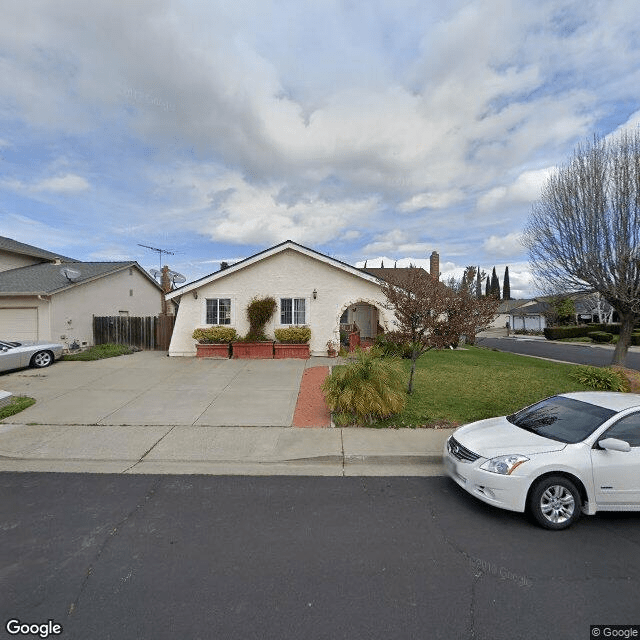
752 Rosemary Court, Fairfield, CA 94533
For more information about senior living options: (866) 208-4318
Dover Valley Residential Care Home Costs & Pricing
Dover Valley Residential Care Home offers competitive pricing for its services, particularly when compared to both Solano County and the broader state of California. For a semi-private room, residents can expect to pay $2,200 per month, significantly lower than the county average of $2,762 and the state average of $3,333. In terms of one-bedroom accommodations, Dover Valley's monthly fee is set at $3,000 - again more affordable than the county's rate of $3,750 and far below California's average of $4,340. These cost advantages make Dover Valley an appealing option for those seeking quality residential care without overwhelming financial burdens.
| Floor plans | Dover Valley Residential Care Home | Solano County | California |
|---|---|---|---|
| Semi-Private | $2,200 | $2,762 | $3,333 |
| 1 Bedroom | $3,000 | $3,750 | $4,340 |
Memory care communities with a similar price nearby
-
from +$300 / mo
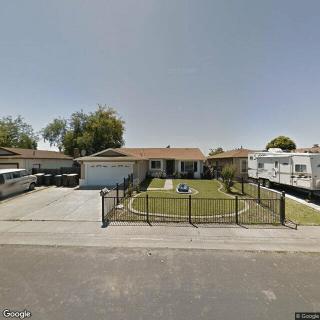
Village Golden Care Home
$2,500 to $3,800 / month2.4 miles away -
from -$300 / mo
Paramount House Senior Living
$1,900 to $4,695 / month4.6 miles away -
from +$395 / mo

The Inn on Villa Lane
$2,595 to $6,195 / month14.9 miles away -
from -$300 / mo
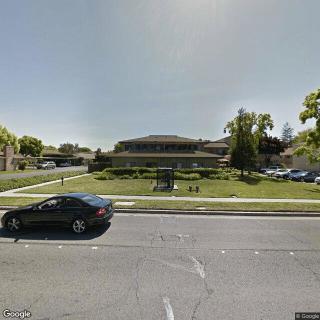
Concord Royale
$1,900 to $4,900 / month22.2 miles away -
from -$200 / mo

Country Place- Mental Health
$2,000 / month22.9 miles away
Overall Review of Dover Valley Residential Care Home
Pros
 The staff at Paradise Valley are wonderful and caring, delivering excellent, attentive care.
- Ed Gadia and his team are praised for compassionate leadership and clear, proactive family communication.
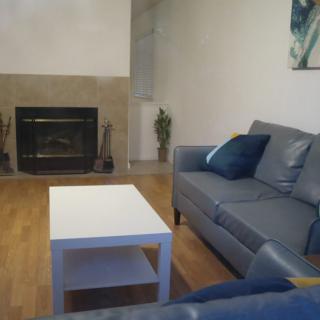
- The facility is peaceful, beautiful, and well-maintained, with comfortable rooms and pleasant outdoor spaces.
- The care for residents with dementia is described as exceptional, with their well-being prioritized.
- The staff treat residents like family and show genuine dedication to their care.
- Families would recommend Paradise Valley wholeheartedly and feel fortunate to have chosen it.
Cons
 One reviewer claims the staff are unresponsive at night for families who are quiet.
 - Another reviewer says the home is not suitable for someone with multiple food allergies such as gluten, dairy, and soy.
- A reviewer notes the caregivers appear older than expected to care for a whole home of patients.
- One reviewer reports that a loved one was sent to the ER and told she couldn’t come back.
- A reviewer states that families who raise concerns about care are labeled as difficult.
- One reviewer describes Mr. Gadia as unprofessional, rude on the phone, and acting as if he owns the care home.
Review
This community is best suited for families seeking an intimate, dementia-centered living arrangement where caregiving is hands-on, consistent, and deeply personal. The strongest attribute across many experiences is the staff’s genuine commitment to residents, with caregivers delivering attentive, day-to-day support to those with advanced Alzheimer’s and other forms of dementia. Families repeatedly describe a peaceful, home-like atmosphere that feels more like a trusted extended family than a clinical setting, and they value the ongoing, proactive communication from leadership and direct caregivers. The environment, well-kept rooms, a pleasant backyard, and a design that favors close interaction, supports a calm daily rhythm that can ease anxiety for residents and relief for anxious relatives.
That said, this community is less appropriate for residents who require intensive, round-the-clock medical oversight or highly specialized dietary management. Several reviews flag scenarios where significant medical needs, aggressive diets, or multiple food allergies created challenges, with some families deciding against continuing care after adverse experiences. If a loved one requires frequent, high-level medical intervention, or strict, individualized meal planning beyond what the kitchen routinely handles, alternatives with deeper clinical capacity may offer greater safety and predictability. Families should also anticipate potential language barriers among staff and consider whether consistent, English-first communication is essential for their situation.
The best news is how the pros tend to offset the more nebulous drawbacks for many residents. The core strength lies in caregiving that feels intentional and familial: staff who stay closely engaged, explain concerns promptly, and keep families informed when a resident’s health shifts or an ER visit occurs. Families note that the team is often the point of contact and source of reassurance when doctors and external providers are slow to respond, which can be a lifeline for anxious relatives who live far away. The setting itself reinforces trust, the rooms are described as nice, with easy outdoor access, and the overall atmosphere is consistently described as peaceful and tidy. In short, for families prioritizing relationship-based care and steady daily routines, the strengths are meaningful and discernible.
Still, the negative threads deserve sober weighting. Some reviewers report language barriers among staff and occasional impressions of unprofessionalism from leadership, including harsh phone interactions and a perception of uneven responsiveness. A few families felt their advocacy was necessary to get appropriate care, and they encountered pushback or labels like “difficult” when raising legitimate concerns. There are also insistences that certain residents cannot return after hospital stays or ER events, which raises questions about post-acute pathways and discharge policies. Additionally, while the care is compassionate, dietary accommodations, especially for those with gluten, dairy, or soy restrictions, were not consistently reliable in every account. These are meaningful considerations for families seeking a transparent, consistently responsive operation.
To navigate the decision, approach this community with a structured, practical checklist. Schedule extended visits on different days and times to observe night, weekend, and weekday dynamics, paying close attention to how staff communicate with families and how care plans are executed on the floor. Request a current, written care plan that explicitly addresses dementia progression, medication administration, and emergency protocols, then cross-check it against the resident’s health history. If dietary needs or allergies exist, have the kitchen and caregiving team outline a concrete plan, including menu options, label auditing, and allergen controls. Ask for language support options or the presence of bilingual staff, and probe how concerns are escalated and resolved without fear of retaliation. Finally, speak with several families who have recent experience with care transitions to understand how the facility handles changes in condition and movement between home, hospital, and back.
The clear takeaway is that this community excels for families seeking a warm, intimate setting where staff engagement and continuity of care deliver meaningful life quality for residents with dementia. It is not the right fit for those whose loved ones demand intensive medical acuity, strict, individualized nutrition handling, or flawless, English-only communication across every shift. If the priority is a nurturing, home-like environment with transparent family involvement and a proven, compassionate staff, this option deserves strong consideration. For others, a more medicalized, language-consistent, or allergy-forward operation may offer greater reassurance and fewer friction points, so the choice should hinge on the resident’s medical needs, dietary complexity, and the family’s capacity to engage in ongoing advocacy.
 6 resident community capacity
 Assisted Living
 Board and Care Home
 Memory Care
 Respite Care
 Cable or satellite TV
 Dining room
 Fully furnished
 Garden
 Housekeeping services
 Move-in coordination
 Outdoor space
 Telephone
 Wi-Fi/high-speed internet available
 24-hour supervision
 Activities of daily living assistance
 Assistance with bathing
 Assistance with dressing
 Assistance with transfers
 Diabetes diet
 Meal preparation and service
 Medication management
 Special dietary restrictions
 Transportation arrangement (medical)
 Transportation to doctors appointments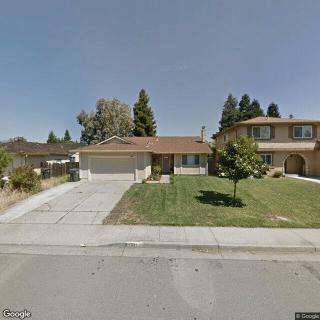


 How to Communicate with a Loved One Living with Dementia: 10 Supportive Strategies
 Comprehensive Guide to VA Nursing Homes: A Crucial Long-Term Care Resource for Veterans
 Estimating the Expenses of At-Home Dementia Care: A Detailed Exploration