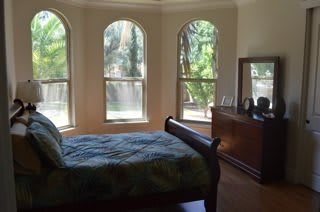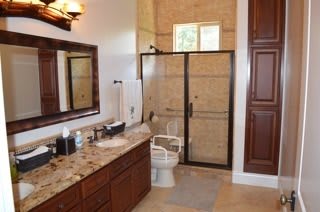
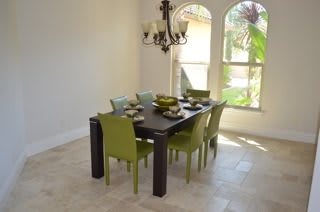
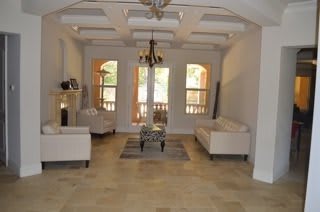
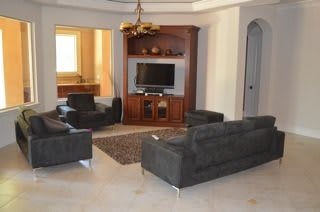
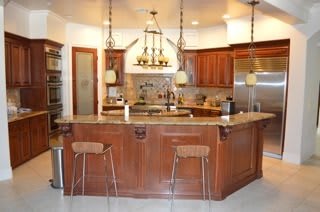
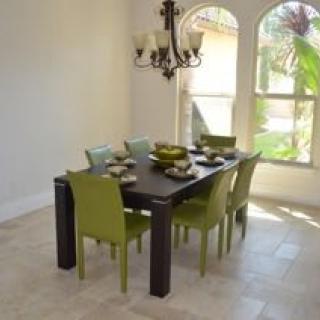
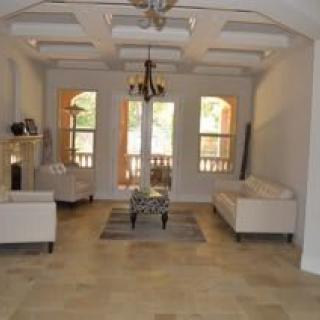

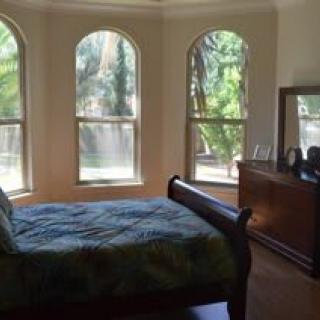
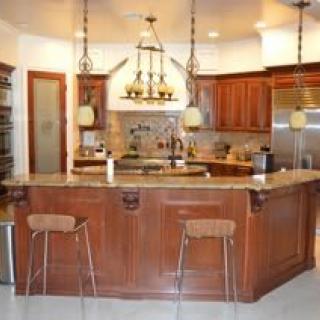
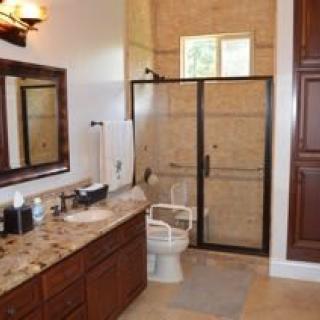
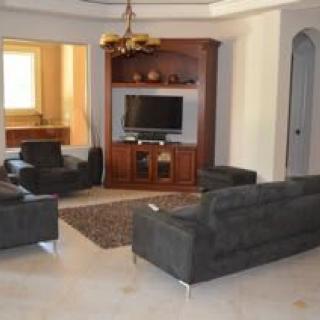
8675 Phoenix Avenue, Fair Oaks, CA 95628
For more information about senior living options: (866) 208-4318
Royal Palms Care Home Costs & Pricing
At Royal Palms Care Home, individuals seeking a private room can expect to pay $3,500 per month. This rate is competitively positioned below the average costs in Sacramento County, which stands at approximately $3,686, and significantly lower than the state average of $3,939 for similar accommodations. Such pricing reflects a commitment to providing quality care in an inviting environment while ensuring that residents receive value for their investment. This makes Royal Palms Care Home an appealing option for those looking for personalized care without compromising on affordability.
| Floor plans | Royal Palms Care Home | Sacramento County | California |
|---|---|---|---|
| Private | $3,500 | $3,686 | $3,939 |
Assisted Living communities with a similar price nearby
-
from -$500 / mo
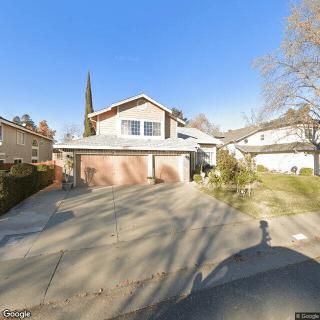
Afable Care Home
$3,000 to $3,500 / month8.4 miles away -
from +$650 / mo
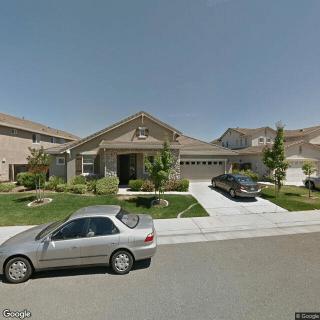
Ferrari
$4,150 to $5,500 / month14.2 miles away -
from -$500 / mo
Love & Care for Elder
$3,000 to $4,500 / month6.5 miles away -
from -$495 / mo

Hear Seniors
$3,005 to $3,870 / month7.1 miles away -
from +$500 / mo
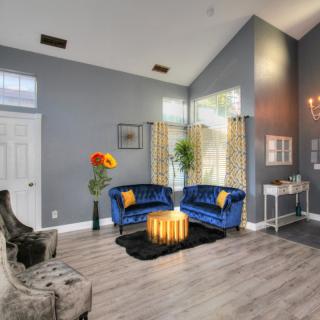
A Bright Future
$4,000 / month8.4 miles away
Overall Review of Royal Palms Care Home
Pros
 The aunt was very happy there and very well cared for.
- The owner treated the aunt with love and respect.
- The owner is a very caring woman with a beautiful heart.
- They were lucky to have found Royal Palms.
- The home is beautiful and has caring and efficient staff.
- The owner lives onsite and is friendly and attentive to residents.
Review
Royal Palms Care Home in Fair Oaks, CA is best suited for families seeking a small, home-like setting where care feels deeply personal and the owner is visibly involved. The property’s six-room footprint creates an intimate atmosphere in which staff can deliver highly individualized attention. Descriptions from relatives emphasize a loving, respectful approach to daily care, with the owner’s presence described as central to the culture of the home. This is the kind of environment where residents are treated like family, and visitors repeatedly note a sense of warmth, stability, and genuine concern that often gets lost in larger facilities. For families that value a tight-knit routine and dependable, attentive relationships, this is a compelling match.
Those considering alternatives are typically looking for different kinds of support. If the priority is robust medical oversight, around-the-clock nursing on site, memory care with formalized dementia programs, or an expansive calendar of activities and social opportunities, a larger, more clinical setting may be preferable. Individuals with complex medical needs or those requiring frequent skilled interventions might find that a smaller home’s capabilities are insufficient to meet every contingency. Additionally, families seeking a structured, highly organized daily schedule with extensive communal programming may want to compare options that offer broader staff coverage and a broader scope of services.
The strongest advantages at Royal Palms begin with trust-based care. The owner’s on-site presence translates into highly consistent communication, rapid responsiveness, and a care philosophy stitched into daily routines. The staff are described as caring and efficient, delivering attentive, respectful treatment that resonates with relatives and comforted residents alike. In a six-room environment, the human connection becomes the operating system: caregivers learn each resident’s preferences, quirks, and medical needs, enabling quick adjustments and fewer miscommunications. This level of direct accountability and personal touch often mitigates the concerns families have about fragmented care in larger facilities.
However, the intimate scale also implies tradeoffs, even when not explicitly stated in reviews. With only six residents, the range of activities and the breadth of peer interaction are naturally narrower than in larger communities. There may be fewer opportunities for a diverse social calendar or for facilities to offer highly specialized programming. Yet these potential downsides are largely counterbalanced by the owner’s hands-on approach and the family-like culture that permeates daily life. For families prioritizing continuity of care and a dependable, warm routine over expansive amenities, the offsets are meaningful and persuasive.
Practical decision guidance follows from these realities. Prospective families should verify who is available during evenings and weekends and how care plans are updated and monitored, given the on-site owner and small staff footprint. Inquire about medication management protocols, emergency procedures, and how transitions between activities or events are handled to maintain a seamless daily rhythm. Ask to see examples of daily schedules and to understand the level of medical support, especially if chronic conditions require regular monitoring. Clarify visitation policies, as the close-knit environment thrives on strong family engagement and transparent communication.
The bottom-line recommendation centers on fit. Royal Palms is a standout choice for families seeking an intimate, owner-managed home where care is delivered with love, respect, and a palpable sense of community. It suits seniors who flourish in a stable, predictable environment and who value personal relationships with caregivers as a core part of daily life. For those with higher needs for medical complexity, larger social ecosystems, or dementia programs with formalized curricula, alternatives that offer broader clinical resources and bigger resident communities should be explored. In the right circumstances, Royal Palms delivers exceptional peace of mind and a truly comforting living arrangement.
 6 resident community capacity
 Assisted Living
 Board and Care Home
 Activities off-site
 Bath tubs
 Cable or satellite TV
 Devotional services off-site
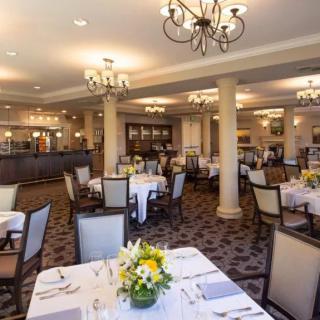
 Dining room
 Fully furnished
 Garden
 Housekeeping services
 Indoor common areas
 Move-in coordination
 Outdoor common areas
 Private
 Respite or short term stays offered
 Telephone
 Wheelchair accessible showers
 Wi-Fi/high-speed internet available
 Sacramento International (19 miles away)
 24-hour supervision
 Ambulatory care
 Assistance with bathing
 Assistance with dressing
 Assistance with transfers
 Diabetes diet
 Diabetic care
 High acuity care
 Incontinence care
 Meal preparation and service
 Medication management
 Special dietary restrictions
 Transportation arrangement (medical)
 Transportation to doctors appointments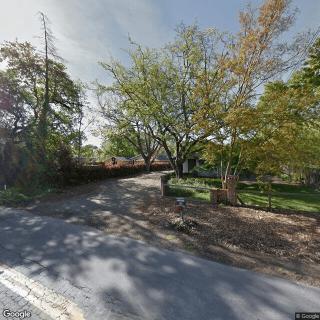


 Assisted Living Expenses and Long-Term Care Insurance: A Comprehensive Exploration
 Securing Financial Support for Assisted Living: A Comprehensive Overview
 Social Security Benefits and Assisted Living: Navigating Options Across the U.S.