

2641 Hall Avenue, Eureka, CA 95503
For more information about senior living options: (866) 208-4318
Overall Review of Hall Avenue Rest Home
Pros
 Caring Companions provides personal attention to its clients.
- The owners take really good care of their clients.
- The staff treat the clients like part of the family.
Review
This community is best suited for seniors who want a small, home-like environment where residents are known personally and treated as part of the family. In Eureka, California, Hall Avenue Rest Home has evolved into Caring Companions, and the emphasis in reviews centers on individualized attention rather than institutional pace. The owners’ hands-on involvement, along with attentive staff, creates a climate where residents feel seen, heard, and valued as individuals. For families seeking a warm, intimate setting over a buzzy campus, this home-style approach is a strong fit, especially when personal relationships and daily routines matter as much as basic safety.
Those weighing alternatives should consider whether the priority is robust medical oversight, a broad slate of on-site services, or a campus with many specialized programs. If the need is for a facility with extensive skilled-nursing support, rehab services, or a larger team to cover complex care around the clock, a bigger operation may deliver more comprehensive resources. The absence of explicit details about the scope of medical services in the quick impressions available suggests the emphasis here is on personal care rather than a full-service medical program. In such cases, families may want to compare options that clearly spell out nursing staff levels and rehabilitative offerings.
The strongest pros are concrete and compelling: a genuinely personal atmosphere, sustained through direct owner involvement and a staff that treats residents like family. The new ownership under Caring Companions appears to maintain, if not deepen, the level of attentiveness that residents and families value, staff who know names, histories, and preferences, and an environment where small acts of kindness are the norm. This kind of care translates into practical benefits: easier communication with caregivers, more responsive adjustments to changing needs, and a sense of security that comes from being cared for by people who treat caregiving as a vocation rather than a checkbox. In short, the human dignity and continuity of care are the defining wins here.
On the flip side, the limited public detail about medical programming and the small scale of the home can be perceived as potential drawbacks by families prioritizing clinical or rehabilitative depth. The main, implicit trade-off in a family-oriented setting is often a lighter footprint of on-site services compared with larger facilities. Yet the offset is meaningful: the same personal attention that drives satisfaction also accelerates issue detection, fosters frank discussions with caretakers, and supports highly individualized care plans. Where a larger campus might overwhelm a resident’s needs, this home-style model can adapt quickly to preferences, routines, and family involvement, often resulting in fewer mood-dampening surprises and more predictable days.
For decision-making, prospective residents and families should approach a visit with a clear checklist. Ask about the exact balance of hands-on caregiving versus professional nursing coverage, and request a peek at daily schedules, meals, activities, and mobility assistance. Inquire about costs, what’s included, and how care plans are developed and updated; confirm how family communication is handled and how often progress notes are provided. It’s also prudent to discuss the transition process with the new ownership, whether there is a stabilization period, how staff turnover is managed, and what contingencies exist for medical or emergent needs. A face-to-face meeting with the caregiving team often reveals more than any brochure can.
Ultimately, Hall Avenue Rest Home, under its Caring Companions banner, stands out for families prioritizing warmth, personal attention, and a familial atmosphere. It presents a compelling case for those who value daily interactions that feel less transactional and more affectionate, with staff who know residents’ stories and preferences. If the chief objective is to maximize social connectedness and individualized routines in a home setting, this option is hard to beat. Conversely, families needing intensive clinical services, expansive rehabilitative programming, or a large care network should thoughtfully compare alternatives to ensure medical coverage and service breadth align with long-term needs.
 15 resident community capacity
 Assisted Living
 Board and Care Home
 Cable or satellite TV
 Dining room
 Fully furnished
 Garden
 Housekeeping services
 Move-in coordination
 Outdoor space
 Telephone
 Wi-Fi/high-speed internet available
 Arcata (14 miles away)
 24-hour supervision
 Activities of daily living assistance
 Assistance with bathing
 Assistance with dressing
 Assistance with transfers
 Diabetes diet
 Meal preparation and service
 Medication management
 Special dietary restrictions
 Transportation arrangement (medical)
 Transportation to doctors appointments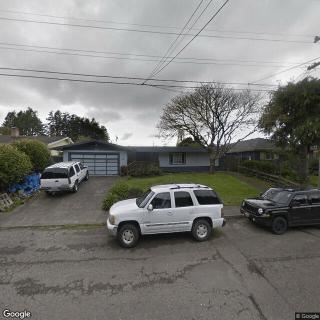





 How and When Medicaid May Cover Assisted Living Costs
 A Detailed Exploration of Assisted Living Medicaid Waivers Across the United States
 Comprehensive Residential Support and Assisted Living Solutions for Individuals with Disabilities