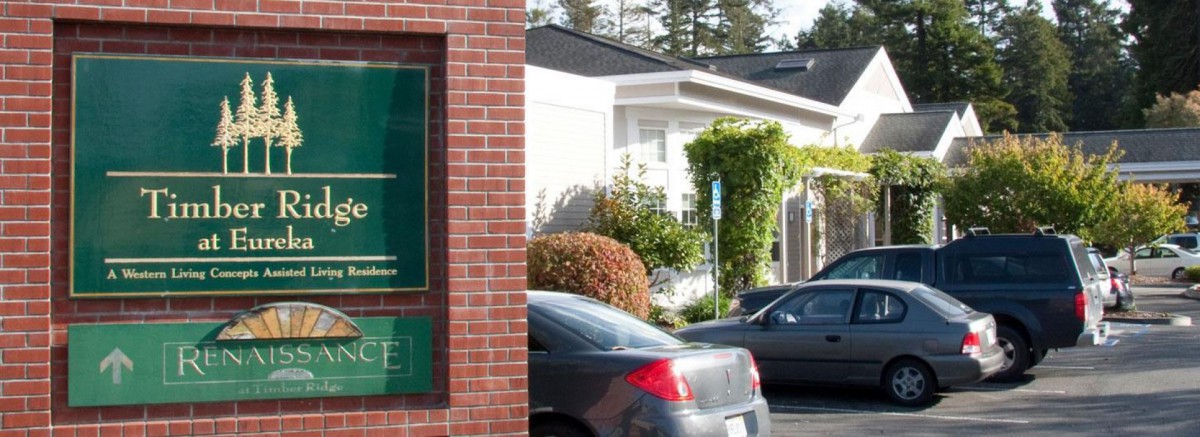
2740 Timber Ridge Lane, Eureka, CA 95503
For more information about senior living options: (866) 208-4318
Timber Ridge At Eureka Costs & Pricing
Timber Ridge At Eureka offers competitive pricing for its accommodations compared to both Humboldt County and the broader California market. For instance, a semi-private room is priced at $2,340, which is notably more affordable than the county's average of $2,665 and significantly less than the state average of $3,333. Similarly, the cost for a two-bedroom unit stands at $3,060, undercutting both the county's rate of $3,367 and California's higher benchmark of $5,270. When it comes to studio apartments and one-bedroom units, Timber Ridge remains reasonably priced as well - $3,790 for studios and $4,200 for one-bedrooms - both aligning closely with Humboldt County's rates while still being slightly below various areas in California. This pricing structure makes Timber Ridge an appealing option for those seeking quality housing in a region known for its rising costs.
| Floor plans | Timber Ridge At Eureka | Humboldt County | California |
|---|---|---|---|
| Semi-Private | $2,340 | $2,665 | $3,333 |
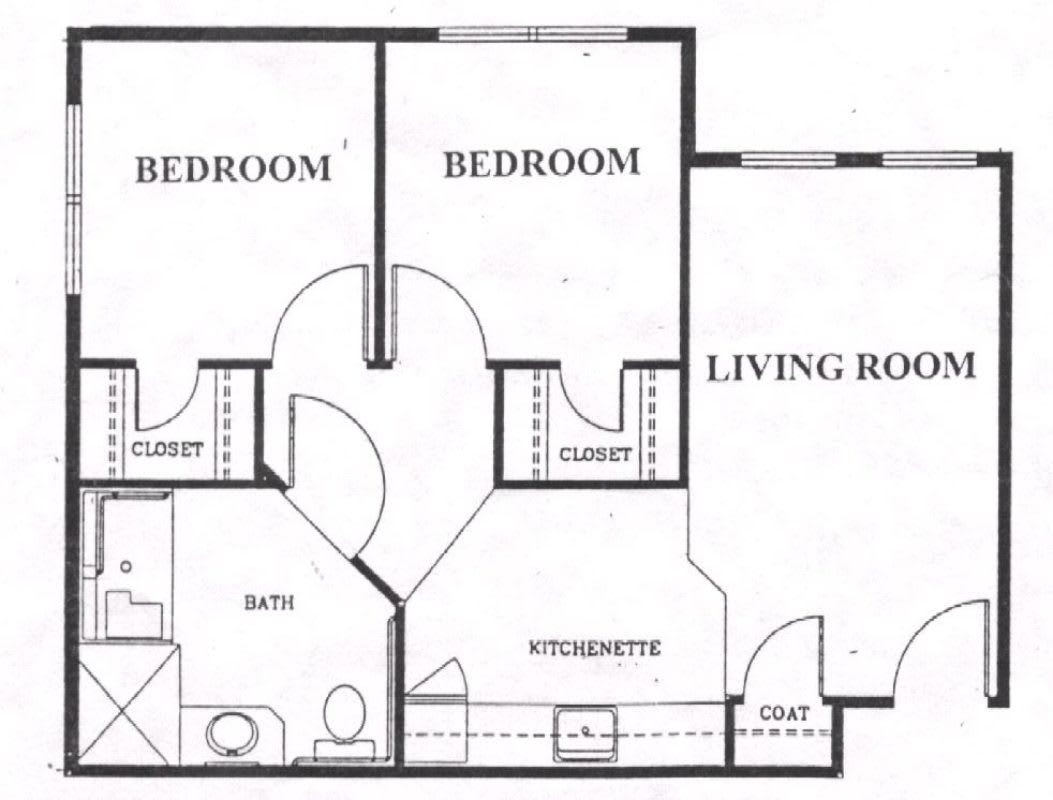
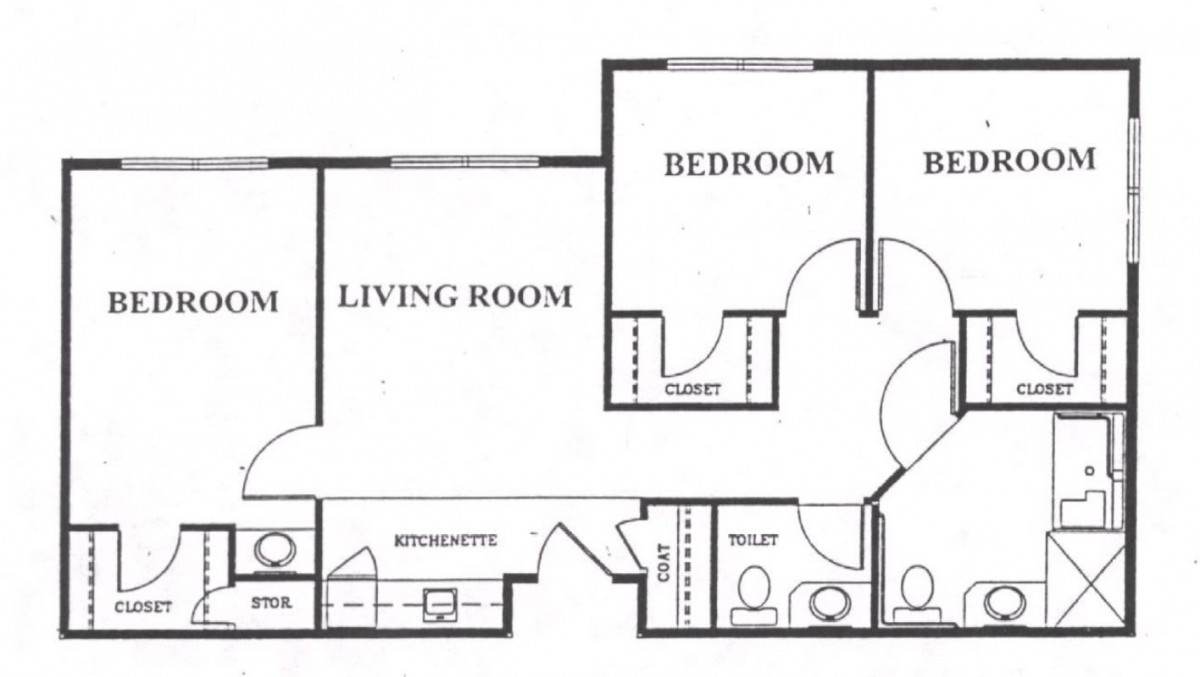
| 2 Bedrooms | $3,060 | $3,367 | $5,270 |
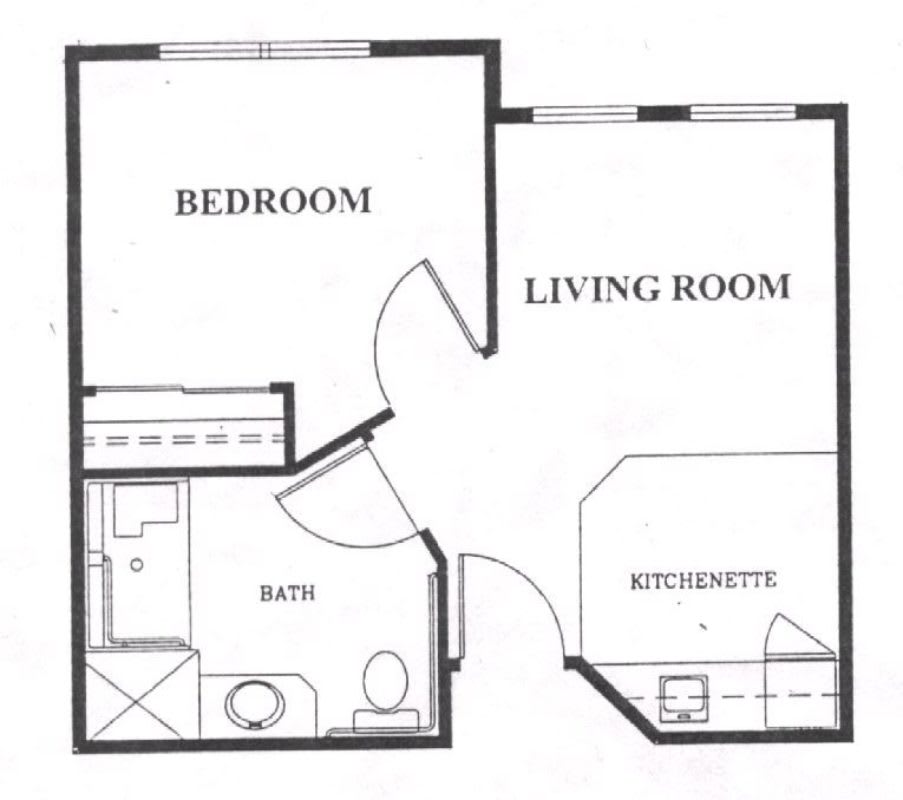
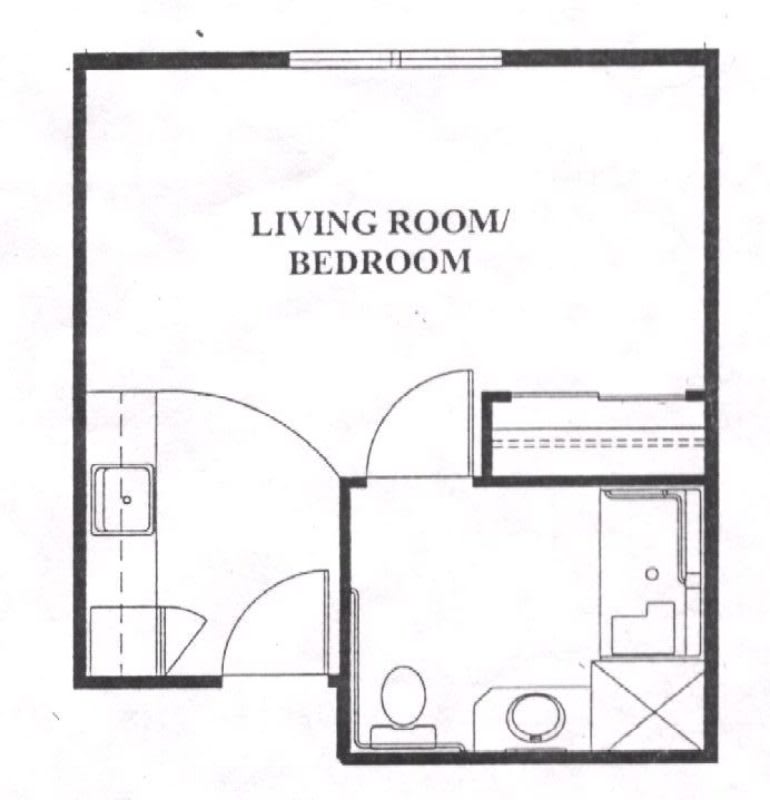
| Studio | $3,790 | $3,783 | $4,145 |
| 1 Bedroom | $4,200 | $4,176 | $4,340 |
Overall Review of Timber Ridge At Eureka
Pros
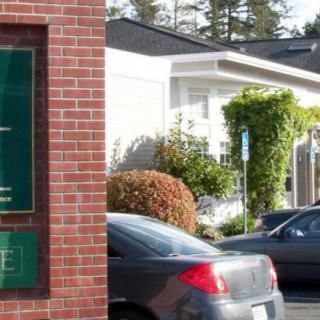
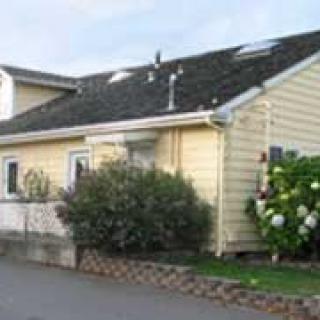
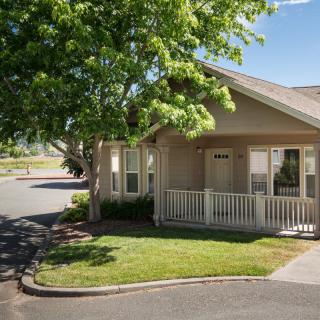
 Timber Ridge is a new, modern facility with clean furnishings and well-kept grounds.
- The dining room is large, and the meals are nutritious and served at the table.
- The staff are friendly, helpful, and demonstrate good judgment and people skills.
- A wide range of activities and organized trips are available for residents.
- Residents can keep their pets, adding to a home-like environment.
- The facility is safe, well maintained, and secure.
- The Renaissance program provides enhanced caregiving and security for residents with Alzheimer’s.
Cons
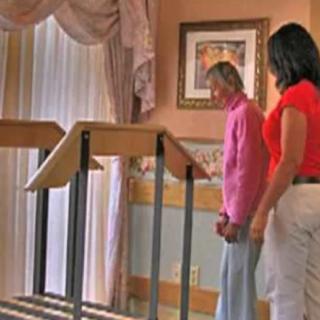
 The facility is described as looking like an old ladies’ home with pink, outdated decor and not as homey or nurturing as expected, with staff not as friendly as in other places.
- Terrible management is noted, including a referenced lawsuit, poorly trained and unethical, illegal practices by owners and managers.
- The dementia unit is called pathetic, with staff described as classless and lacking compassion, belittling residents.
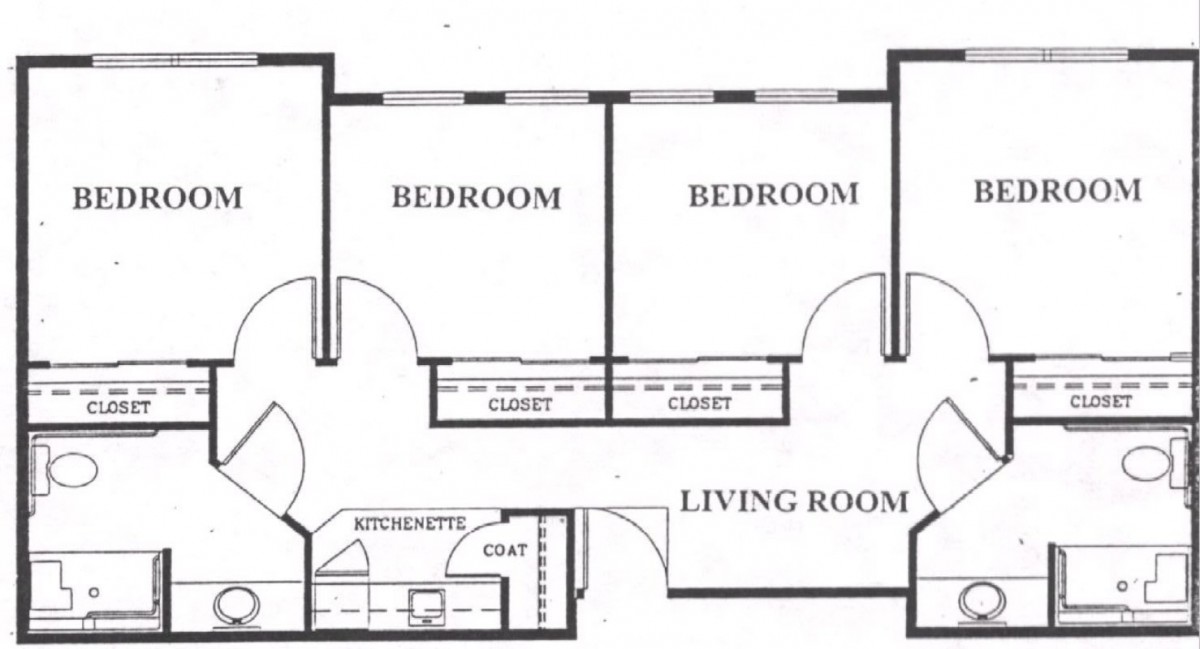
- The overall experience is very negative due to cramped room layouts (four bedrooms sharing one bathroom) and a lack of activities, with dining not encouraging social interaction.
- It seemed more like a big business than a caring community, leading to a recommendation not to place a family member there.
Review
Timber Ridge At Eureka is best suited for families seeking a modern, secure campus with a robust activity calendar, restaurant-style dining, and dependable care across standard assisted living and a dedicated memory-care pathway. The community works well for seniors who value a well-maintained, visually appealing environment, predictable routines, and staff who come across as steady, capable, and appliance-to-caregivers in practice. It suits households that are comfortable with a larger, multi-wing facility and want dependable social programming, on-site dining, and the ability to keep pets. Those prioritizing a small, intimate feel over a large campus should consider alternatives.
Alternatives are worth weighing for residents who crave a more intimate, homey atmosphere or who want tighter personal attention from a smaller staff. Several reviews flag concerns about a clinical or “big-business” vibe, with some décor perceived as dated or overly institutional. For families prioritizing highly individualized interaction, or requiring unusually high-touch dementia care with consistently warm, compassionate engagement, a smaller operator or a memory-care unit with a different culture may be a better fit. Those who expect consistently flawless management and a spotless track record should also compare options, given a few warnings about leadership and procedural consistency in this locale.
On balance, the facility’s strongest positives, new construction, cleanliness, thoughtfully decorated rooms, and substantial programming, do offset many of the more problematic notes. The competence and reliability of the staff show up in daily care, judgment calls, and safety practices, and the broad menu, weekly updates, and table-service dining create a dining experience that feels respectful and comfortable rather than clinical. The campus also delivers meaningful security measures, call systems, and a flexible layout that accommodates varying care needs, including dementia care through dedicated options within the Renaissance framework. The ability to keep pets and to participate in frequent group outings further enhances the sense of community and belonging, turning what could be a cold institution into a place where residents appear engaged and supported.
That said, the downsides cannot be ignored. Several reviews describe moments when staff warmth and friendliness didn’t meet expectations, and at least one account questions management ethics within the dementia program. Other criticisms center on layout and privacy, four-bedroom clusters sharing a single bathroom, with some units offering limited private space and mixed room configurations. A few families felt the atmosphere leaned toward “business” rather than hominess, and some diners experienced an institutional feel despite a restaurant-style dining room. Activities can wane after late afternoon, and the perceived value varies with unit size and competing facilities in the area, which can complicate price comparisons and overall satisfaction.
The pros can realistically offset these cons for many potential residents, especially those who value safety, consistent staffing, and a broad activity slate. The strong care culture, staff who are described as reliable, attentive, and able to adapt to different cognitive needs, must be weighed against mixed anecdotal reports about management and particular units. The dementia program, security features, pet-friendly policies, and a dining model that emphasizes service and variety are meaningful advantages, particularly for families seeking a stable, supervised environment with opportunities for social engagement and outdoor or off-site excursions. The facility’s ongoing updates, clean presentation, and accessible amenities contribute to a sense of security that is hard to beat in a larger campus setting.
Families considering Timber Ridge should be candid about priorities: if a highly personal, cozy ambiance and flawless management are non-negotiable, direct comparison with smaller operators is prudent. If, instead, the goal is a solid, well-staffed campus that offers substantial programming, dependable safety, and flexible care options, with the ability to keep a beloved pet and participate in outings, Timber Ridge provides a compelling package. Prospective residents should plan a detailed tour focused on the dementia unit, speak with front-line staff about turnover and ratios, sample the dining experience, and request current menus and schedules for activities. Cost clarity, especially for two-bedroom units, and a clear read on how the facility handles late-day programming will help determine whether the balance of strengths aligns with the family’s care goals.
 75 resident community capacity
 1-bedroom apartments
 Assisted Living
 Independent Living
 Skilled Nursing Facility
 Activities off-site
 Air-conditioning
 Beautician on-site
 Cable or satellite TV
 Computer center
 Devotional services off-site
 Dining room
 Fitness room
 Fully furnished
 Gaming room
 Garden
 Ground floor units
 Handicap accessible
 Housekeeping services
 Indoor common areas
 Kitchenette
 Move-in coordination
 Outdoor common areas
 Overnight guests
 Party space
 Private bathrooms
 Respite or short term stays offered
 Restaurant-style dining
 Small library
 Swimming pool / hot tub
 Telephone
 Wellness center
 Wheelchair accessible showers
 Wi-Fi/high-speed internet available
 Arcata (14 miles away)
 Community operated transportation
 12-16 hour nursing
 24-hour call system
 Ambulatory care
 Assistance with bathing
 Assistance with dressing
 Assistance with transfers
 Diabetes diet
 Diabetic care
 Medication management
 Mental wellness program
 Special dietary restrictions
 Art classes
 Concierge services
 Cooking classes
 Day trips and outings
 Educational speakers / life long learning
 Happy hour
 Karaoke
 Live dance or theater performances
 Live musical performances
 Wine tasting
 English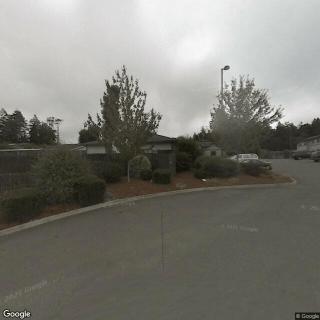

 Assisted Living Expenses and Long-Term Care Insurance: A Comprehensive Exploration
 Securing Financial Support for Assisted Living: A Comprehensive Overview
 Social Security Benefits and Assisted Living: Navigating Options Across the U.S.