Las Villas Del Norte offers competitive pricing for its residential options, significantly more affordable than the average costs in both San Diego County and California as a whole. For instance, the semi-private rooms are priced at $2,600 per month, which is notably lower than the county average of $3,518 and state average of $3,333. Similarly, the studio apartments are available for $2,750, offering substantial savings compared to San Diego's average of $4,217 and California's statewide median of $4,145. Even the one-bedroom units at Las Villas Del Norte stand out at $2,995 - once again undercutting both county ($4,315) and state ($4,340) averages. This pricing strategy positions Las Villas Del Norte as an attractive option for those seeking quality living arrangements while keeping financial considerations in mind.
Floor plans
Las Villas Del Norte
San Diego County
California
Semi-Private
$2,600
$3,518
$3,333
Studio
$2,750
$4,217
$4,145
1 Bedroom
$2,995
$4,315
$4,340
Memory care communities with a similar price nearby
Residents and families repeatedly describe the staff as kind, patient, and attentive to needs.
Across many reviews, residents and families describe staff members who are welcoming, compassionate, and responsive. Several note that caregivers take time to understand residents as individuals, not just complete tasks. A few reviewers also highlight support during transitions and ongoing check-ins, including communication with families when concerns come up.
common18 reviews mention this
Clean, well-kept environment
Multiple reviews emphasize that the community looks clean, well maintained, and safe day to day.
Many reviewers mention cleanliness and maintenance, describing common areas, hallways, and dining spaces as well-kept. Several also describe a welcoming atmosphere and feel of the facility, with some calling it warm or home-like. A smaller number of reviews raise cleanliness concerns, but the overall thread in the feedback is that the building is kept up.
common14 reviews mention this
Activities help residents stay engaged
Reviews frequently point to an active schedule of programs and social activities.
Residents and families mention enjoying activities ranging from planned daily programs to outings and social events. Several reviews describe residents participating regularly and forming friendships through group activities. While a few comments say activities need attention at times—often tied to staffing or operational constraints—most of the feedback frames engagement as a strength.
differentiator6 reviews mention this
Memory care support feels specialized
Families describing memory care say staff understand dementia-specific needs and help residents settle in.
Reviews about memory care repeatedly mention caring support for cognitive and dementia-related needs, including patience and help with transitions. Some families say their loved ones improved in comfort or responsiveness after moving into the memory care setting. Others compare their expectations for memory care to what they experienced, including concerns about how care is delivered when staffing feels stretched.
caveat10 reviews mention this
Food quality is mixed
Dining experiences vary, with some praising meals while others report slow service or poor quality.
Some reviews describe the food as good, delicious, or improving over time, and a few mention choices and menus that help with dietary needs. Others report problems such as meals being cold or undercooked, long waits, or limited availability of certain items. There are also comments about dining staff needing more training and support during busy times.
caveat7 reviews mention this
Pricing and value vary by level
Pricing is often described as good value, but several reviews note rising costs or extra fees in care levels.
Some families describe the community as reasonably priced for the area and compare it favorably to other options they considered. At the same time, a few reviews say costs rise significantly at higher levels of care or that additional fees can apply. Overall, the reviews suggest value depends on the level of support needed and how pricing increases are structured over time.
How we summarize
Counts show how many written reviews mention each theme; a review can touch several themes, and only frequently mentioned themes are displayed.
Features
Housing
236 resident community capacity
1-bedroom apartments
Studio apartments
Types of Care
Assisted Living
Independent Living
Memory Care
Pets
Cats allowed
Dogs allowed
Amenities
Activities off-site
Activities on-site
Air-conditioning
Beautician on-site
Beauty salon
Cable or satellite TV
Cafe
Computer center
Devotional services off-site
Devotional services on-site
Dining room
Fitness room
Fully furnished
Gaming room
Garden
Ground floor units
Guasts at mealtime
Handicap accessible
Housekeeping services
Indoor common areas
Kitchenette
Laundry
Located close to restaurants
Located close to shopping centers
Move-in coordination
Outdoor common areas
Outdoor patio
Outdoor space
Party space
Private bathrooms
Resident parking
Respite or short term stays offered
Restaurant-style dining
Small library
Spa
Swimming pool
Swimming pool / hot tub
TV room
Telephone
VA Benefits Consultation
Wellness center
Wheelchair accessible showers
Wi-Fi/high-speed internet available
Transportation
MC Clellan-Palomar Airport (11 miles away)
Community operated transportation
Transportation & parking
Transportation arrangement
Transportation arrangement (non-medical)
Transportation to doctors appointments
Care Services
12-16 hour nursing
24-hour call system
24-hour supervision
Activities of daily living assistance
Assistance with bathing
Assistance with dressing
Assistance with transfers
Coordination with health care providers
Dementia waiver
Diabetes diet
Diabetic care
High acuity care
Hospice care
Hospice waiver
Incontinence care
Meal preparation and service
Medication management
Mental wellness program
Mild cognitive impairment
Respite program
Special dietary restrictions
Specialized memory care programming
Transportation arrangement (medical)
Transportation to doctors appointments
Dining
Anytime dining
Diabetes diet
Guest meals
International cuisine
Low / no sodium
Meals provided
No Sugar
Professional chef
Restaurant style dining
Room service
Special dietary restrictions
Special dining programs
Vegan
Vegetarian
Activities
Art classes
Catholic services
Community-sponsored activities
Concierge services
Day trips and outings
Devotional activities offsite
Devotional activities on-site
Educational speakers / life long learning
Fitness programs
Happy hour
Karaoke
Live musical performances
Live well programs
Other religious services
Planned day trips
Resident-run activities
Scheduled daily activities
Wine tasting
Languages Spoken
English
Spanish
Nearby Places of Interest
This part of Escondido, California offers convenient access to healthcare with multiple pharmacies and physicians located within a 2.5-mile radius. The area also features a variety of dining options, including fast food restaurants and sit-down eateries, perfect for enjoying meals out with friends or family. For relaxation and recreation, residents can visit nearby parks like Woodland Park or Kit Carson Park. Additionally, there are places of worship for spiritual nourishment and transportation options such as the MTS Del Lago Station for easy travel around the area. Overall, this neighborhood provides a range of amenities and services that could be beneficial for seniors looking to settle down in a vibrant community.
Las Villas Del Norte offers competitive pricing for its residential options, significantly more affordable than the average costs in both San Diego County and California as a whole. For instance, the semi-private rooms are priced at $2,600 per month, which is notably lower than the county average of $3,518 and state average of $3,333. Similarly, the studio apartments are available for $2,750, offering substantial savings compared to San Diego's average of $4,217 and California's statewide median of $4,145. Even the one-bedroom units at Las Villas Del Norte stand out at $2,995 - once again undercutting both county ($4,315) and state ($4,340) averages. This pricing strategy positions Las Villas Del Norte as an attractive option for those seeking quality living arrangements while keeping financial considerations in mind.
Las Villas Del Norte's comprehensive features are designed to ensure residents receive optimal support while promoting their dignity and independence. The 24-hour supervision provides a safe environment for individuals with varying levels of dementia, allowing caregivers to closely monitor their well-being and respond promptly to any needs. Assistance with activities of daily living, including bathing, dressing, and transfers, helps residents maintain personal hygiene and comfort, essential for overall quality of life. Coordination with healthcare providers ensures timely medical attention, while medication management reduces the risk of errors in administering prescriptions vital for health stability. The tailored meal preparation service caters to specific dietary needs and preferences, fostering both nutrition and enjoyment during meals. Incontinence care respects the dignity of residents while providing necessary support for those who need it. Additionally, specialized memory care programming focuses on cognitive engagement through a mental wellness program that aids in enhancing cognitive functions, especially beneficial for those experiencing mild cognitive impairment. Finally, transportation arrangements for medical appointments facilitate access to necessary health care services without disrupting routine or causing undue stress.
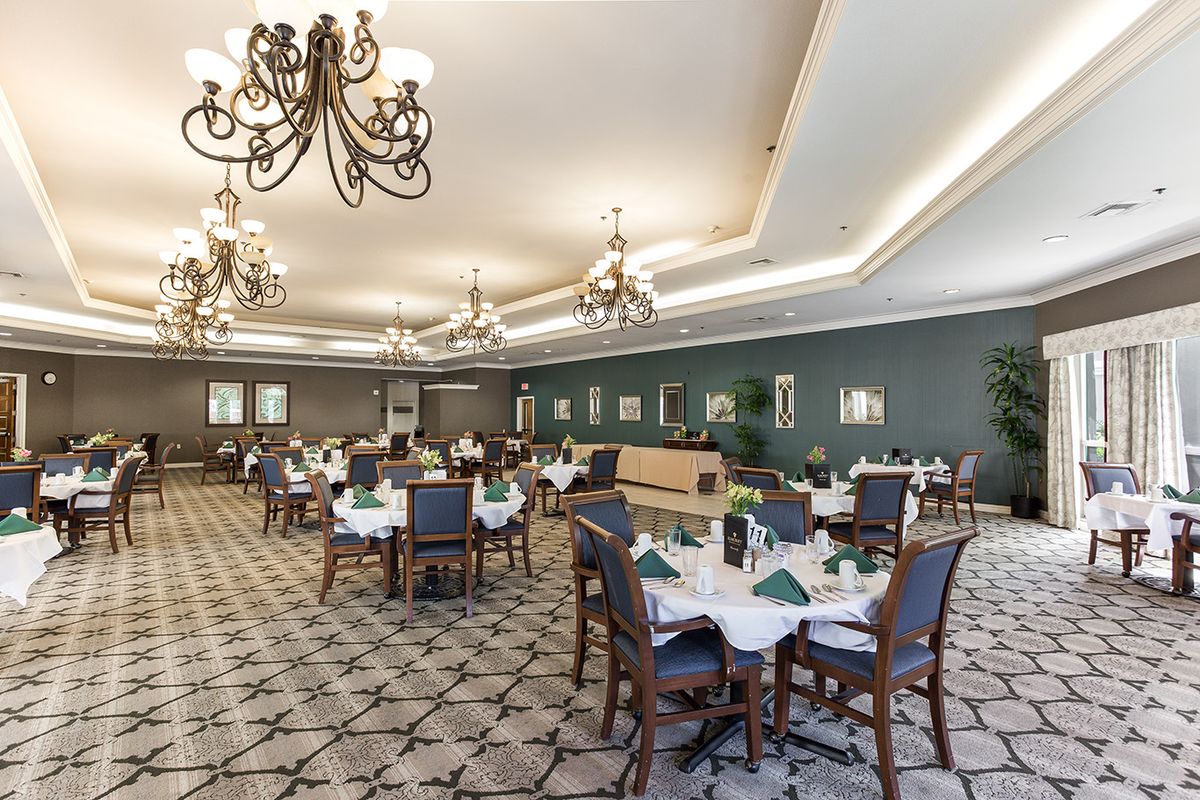
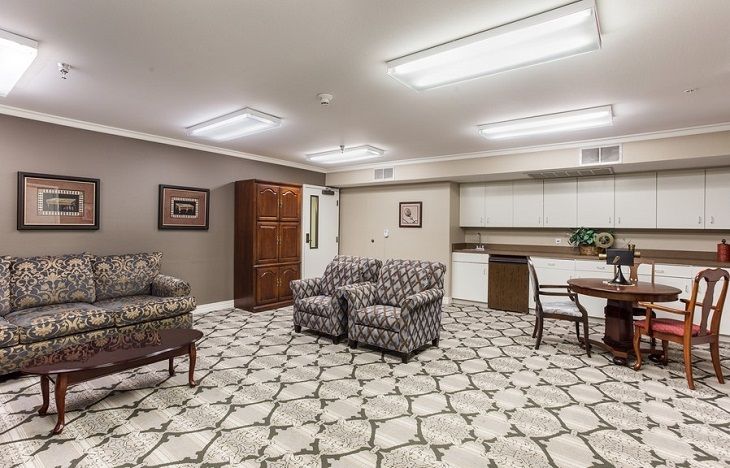
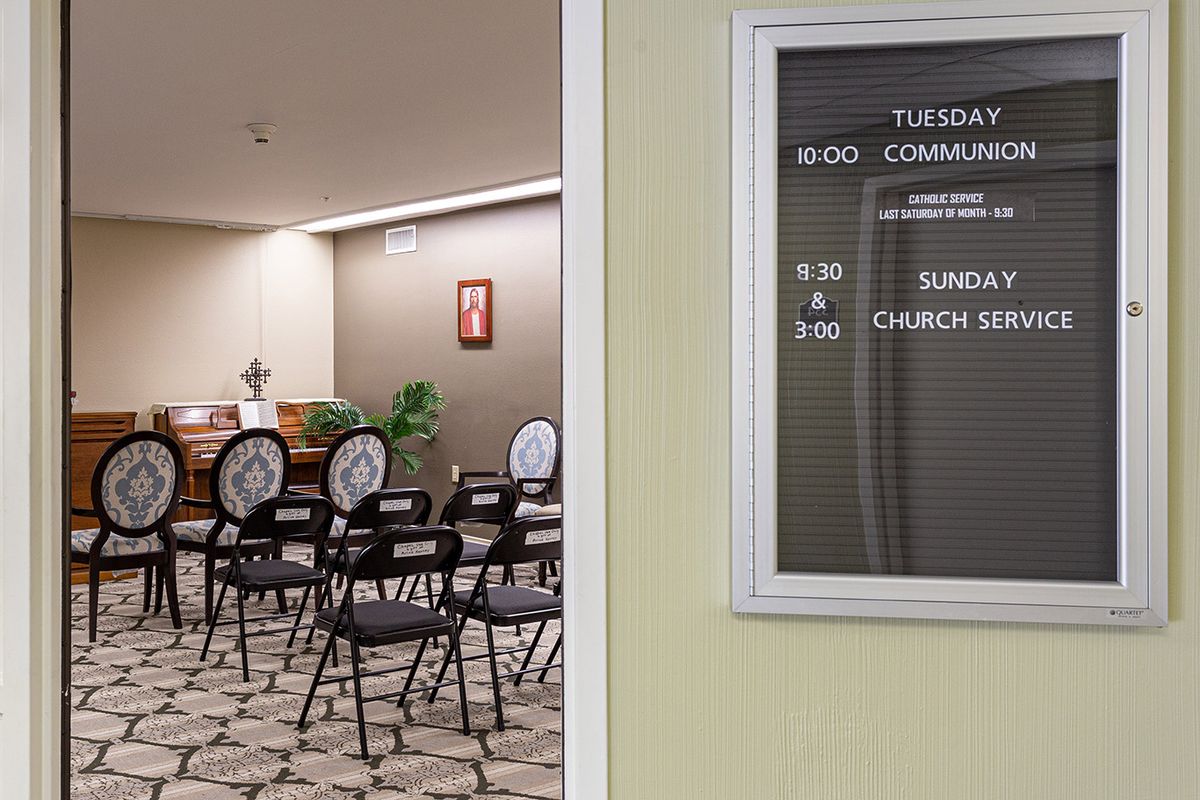
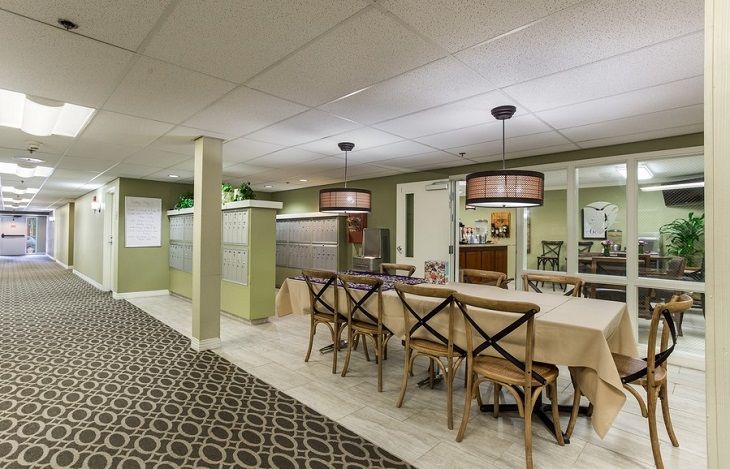
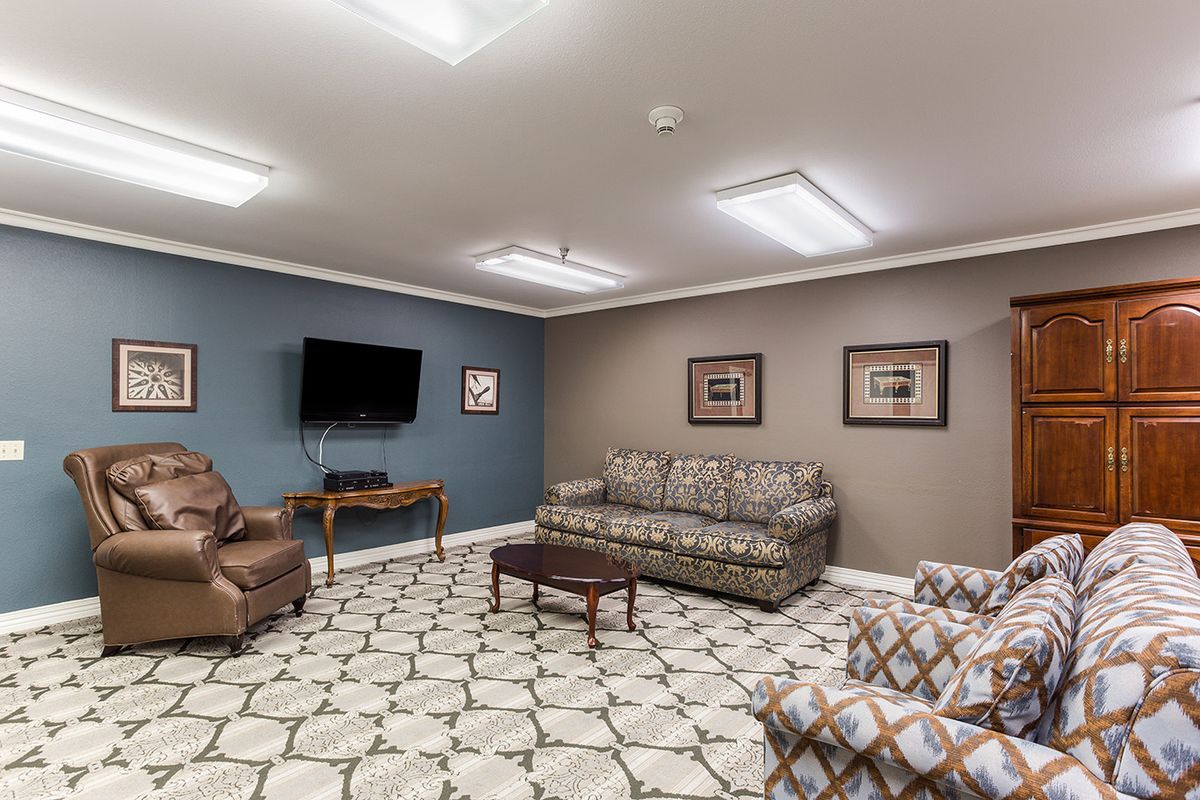
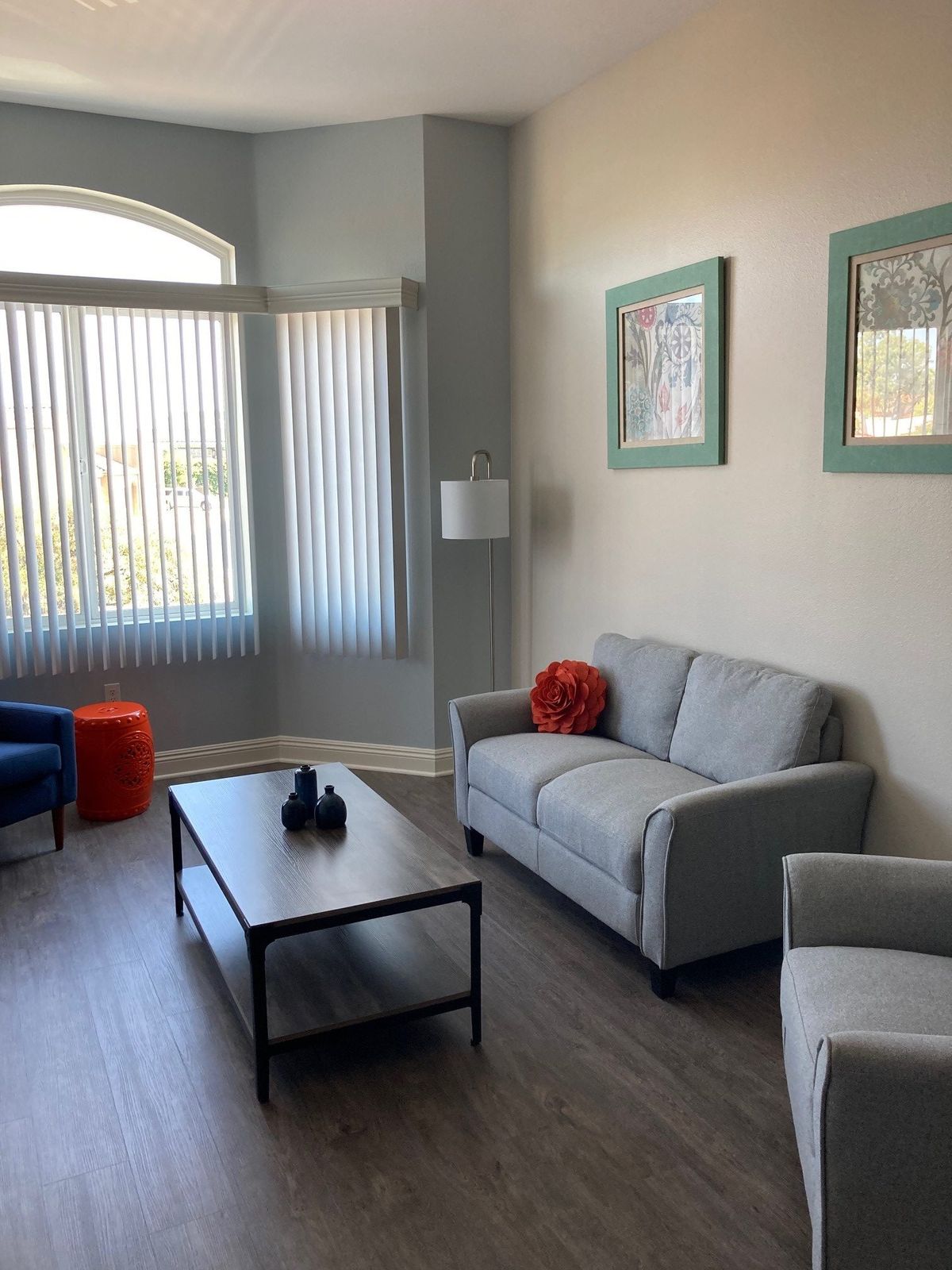
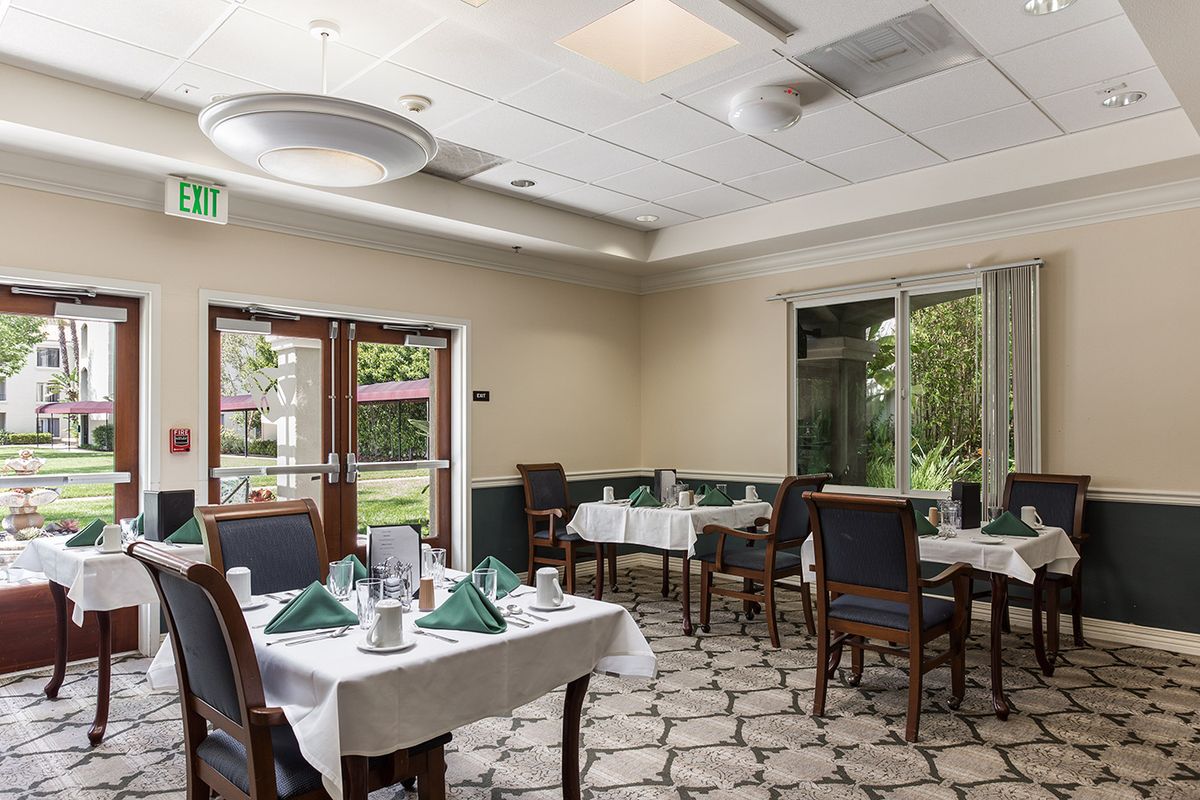
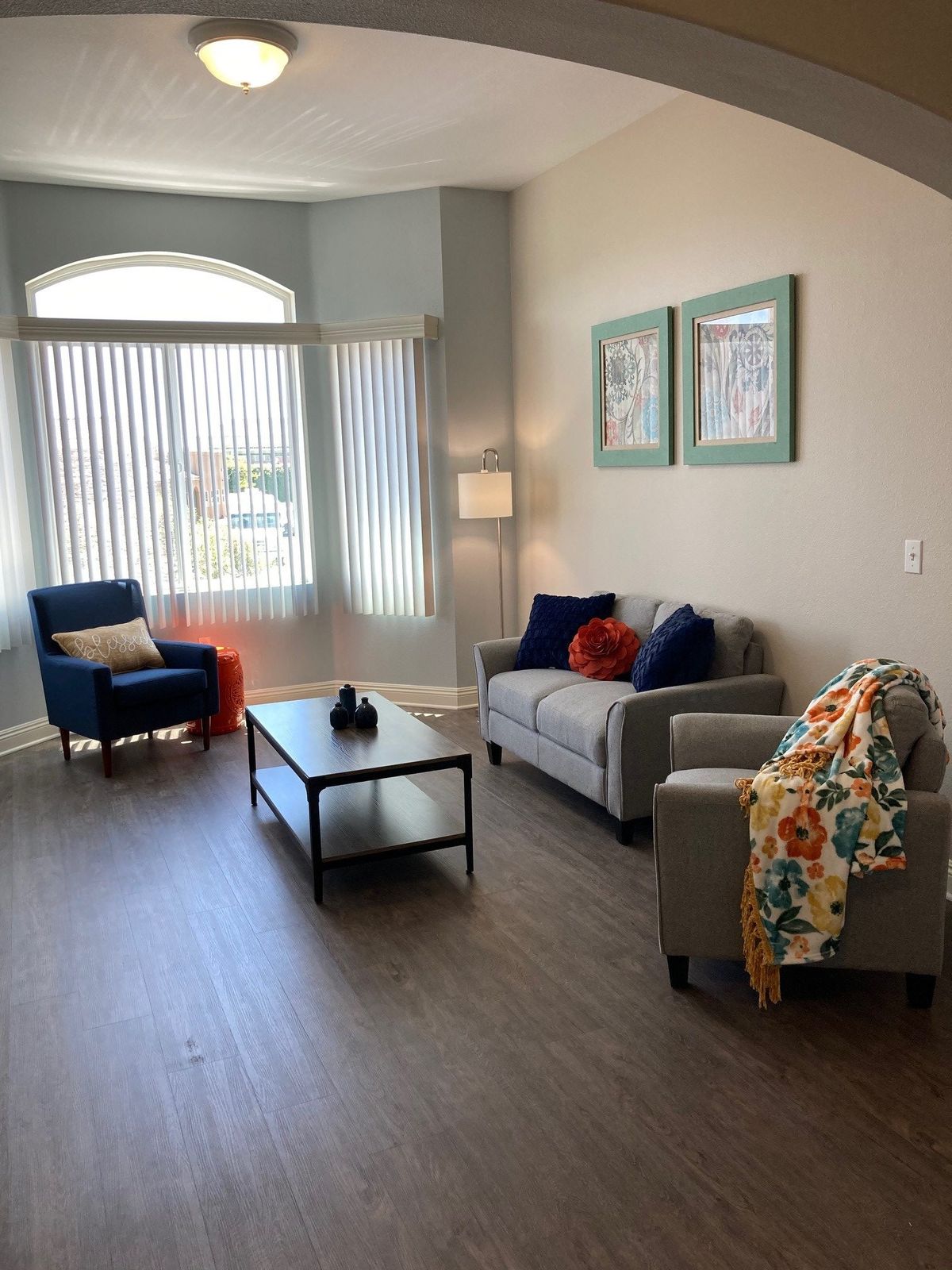
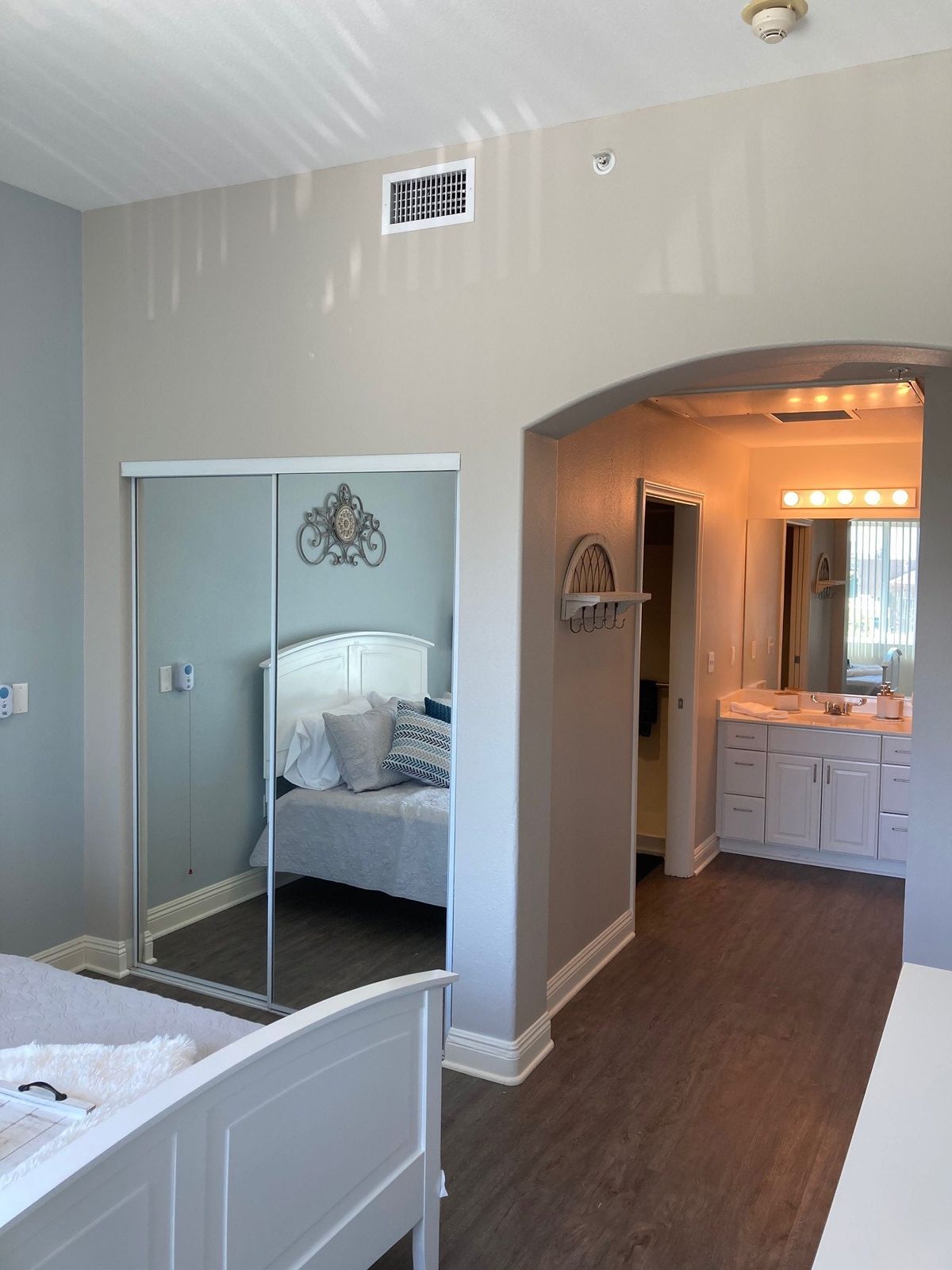
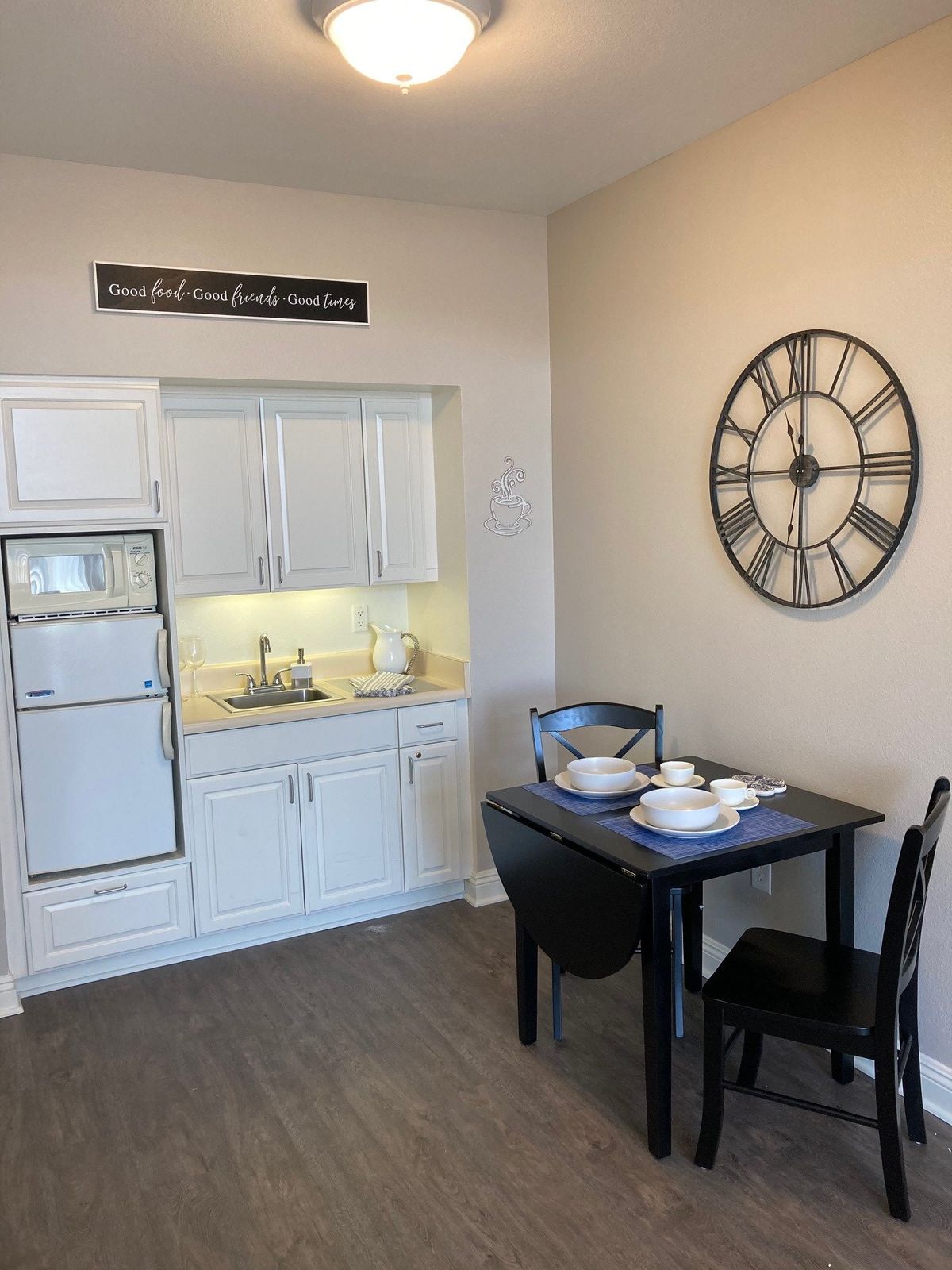
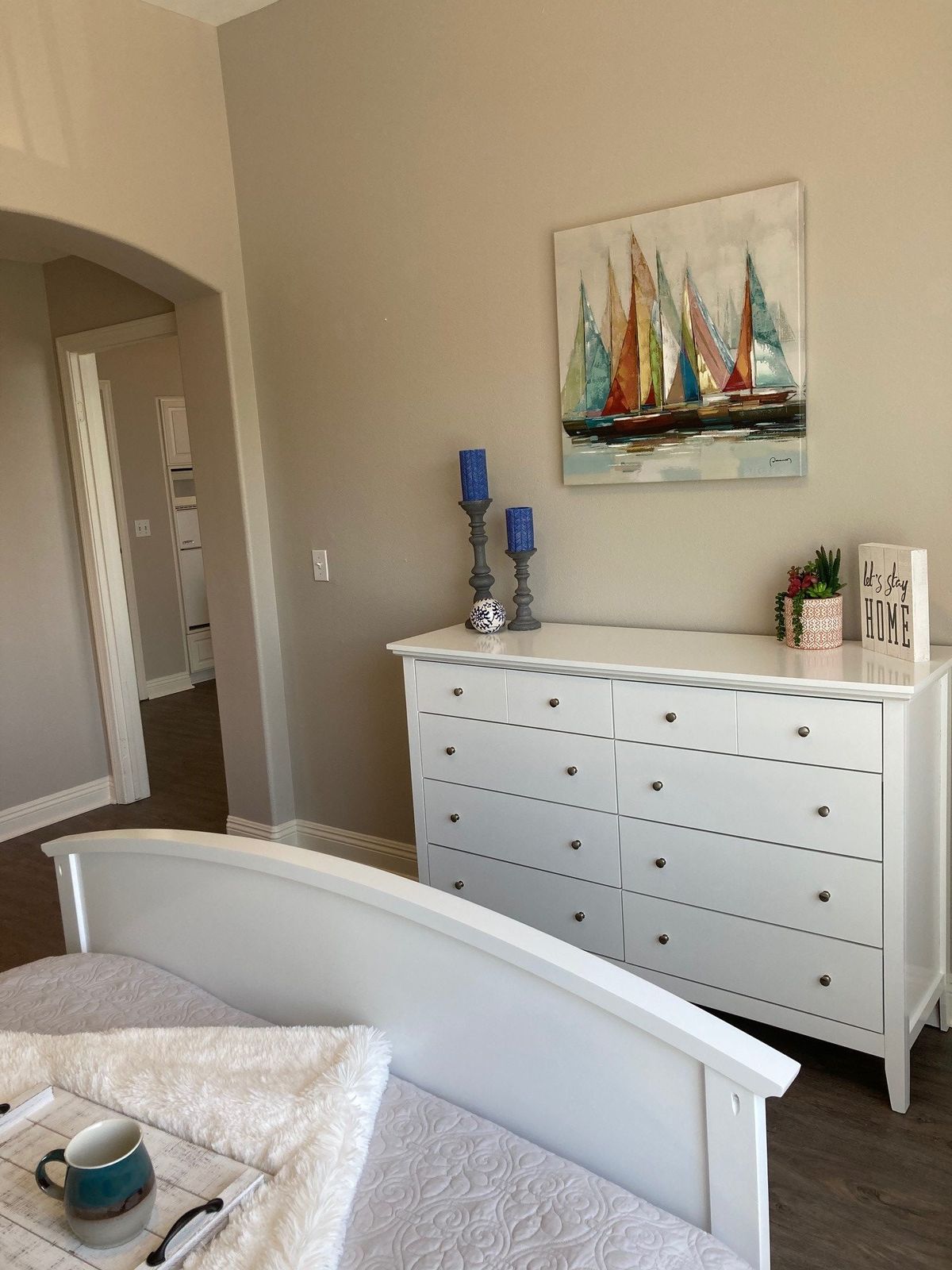
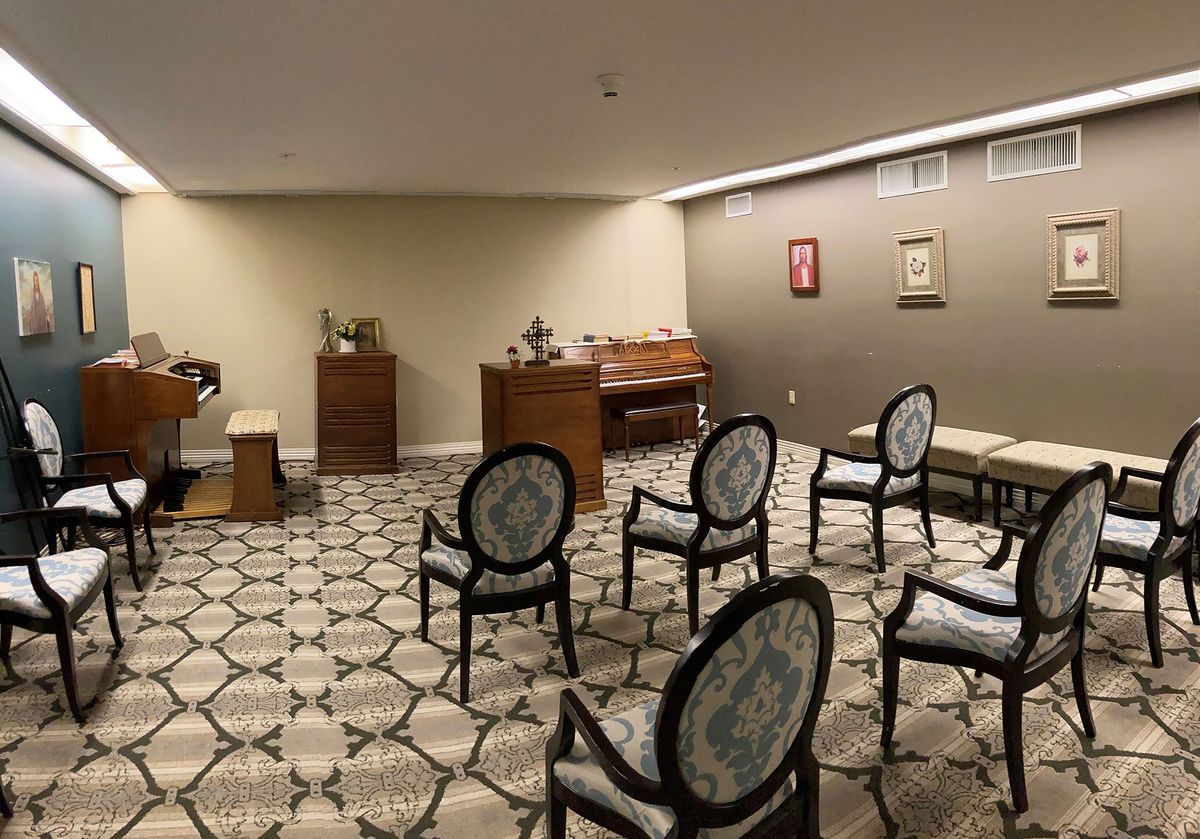
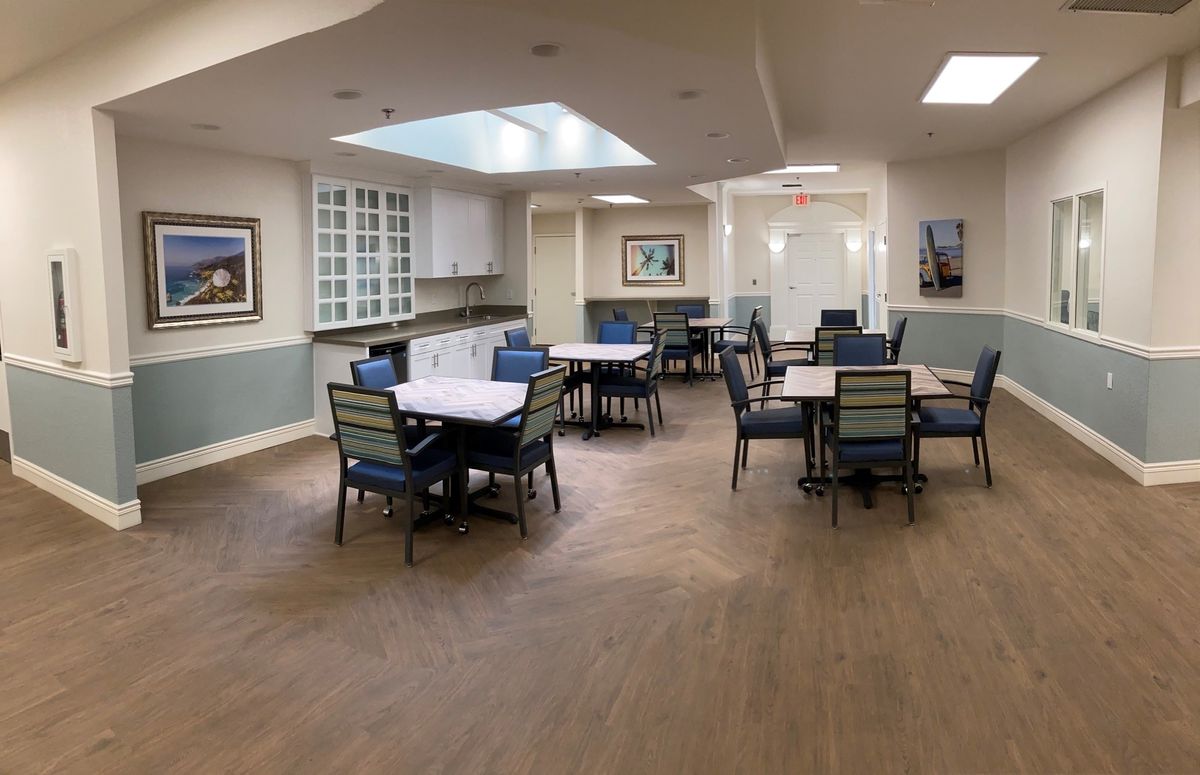
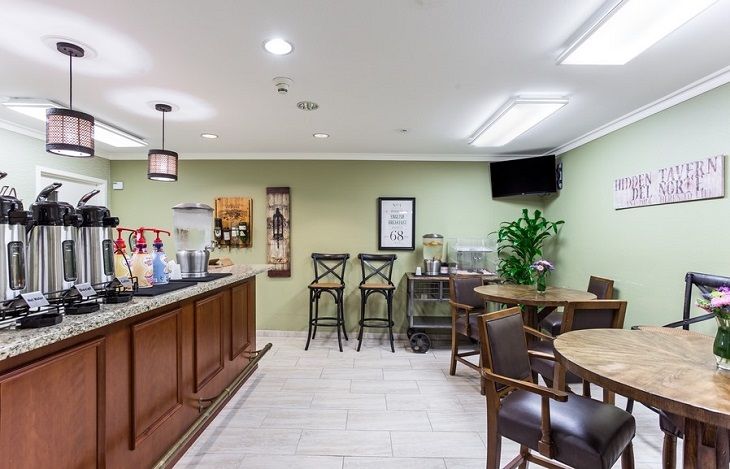
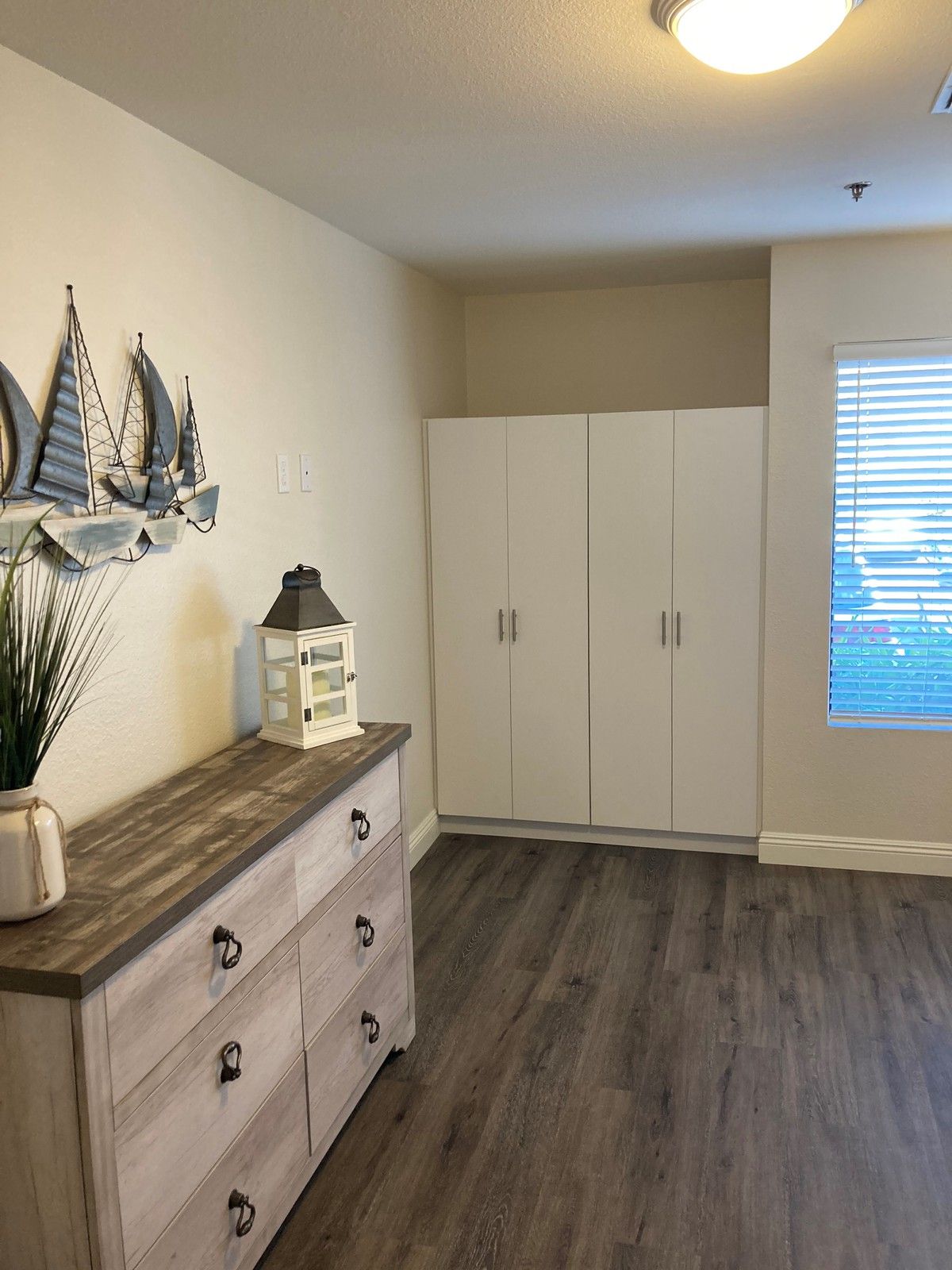
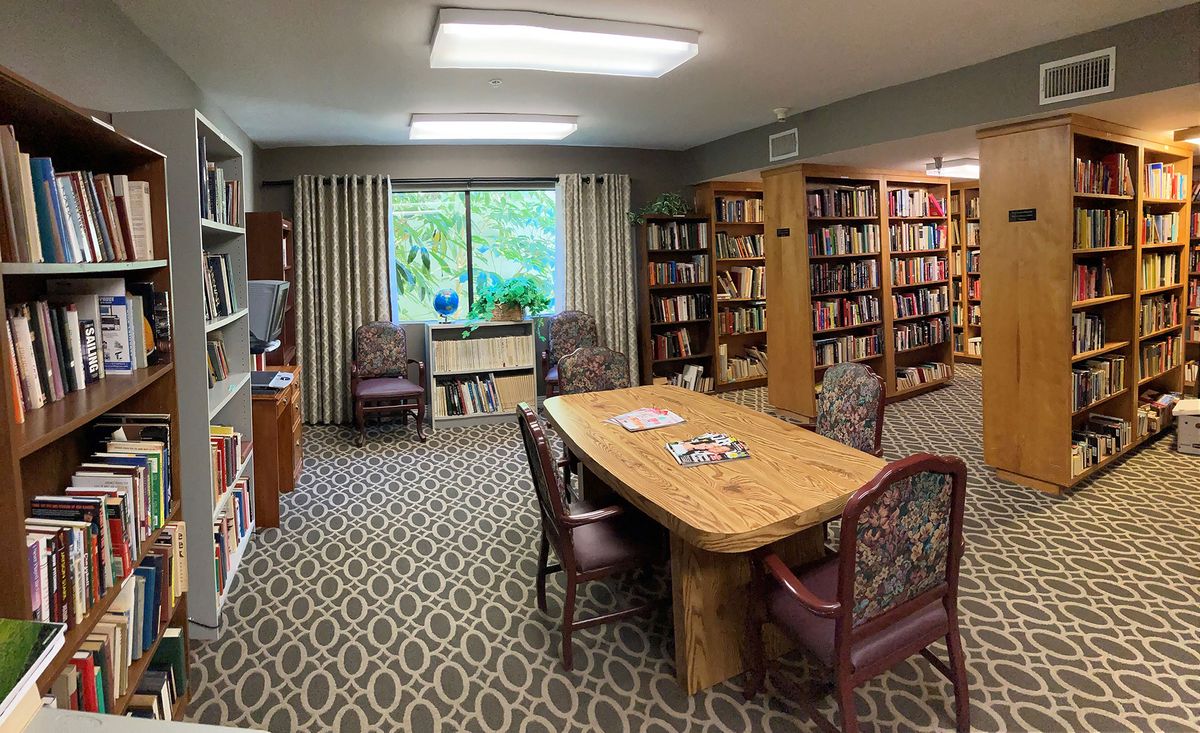
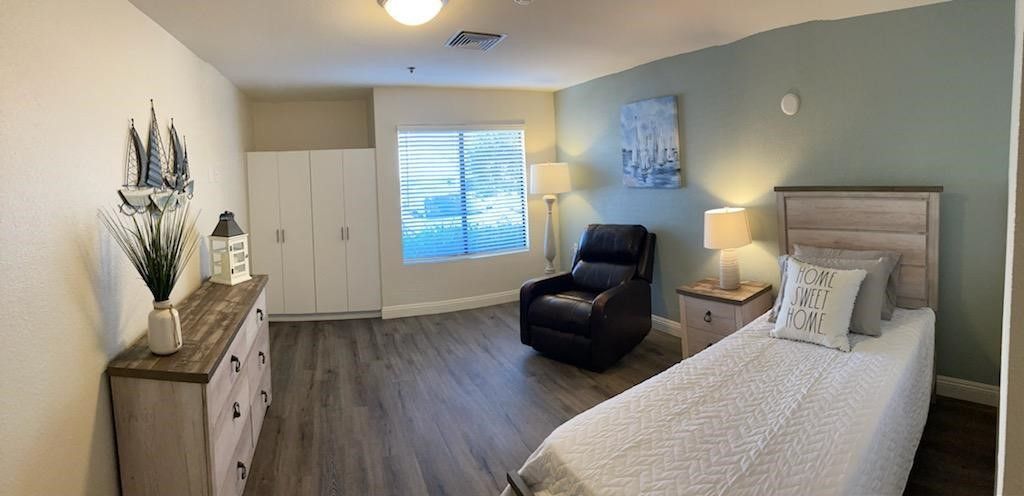
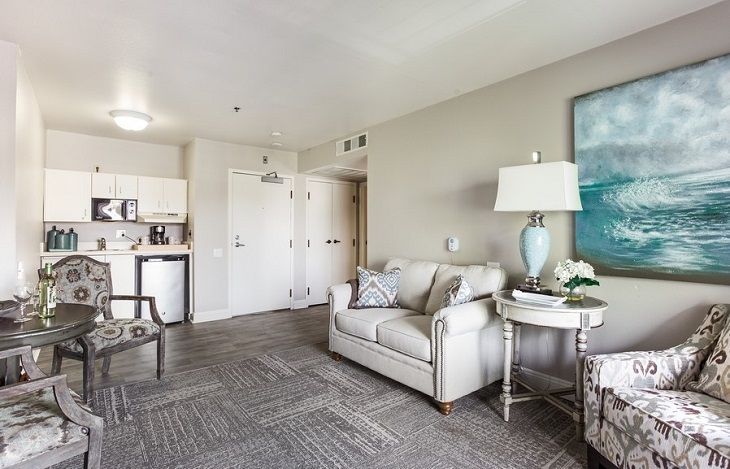
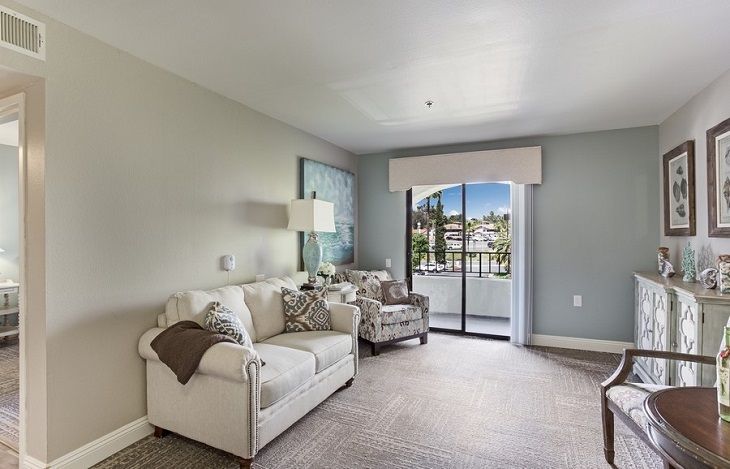
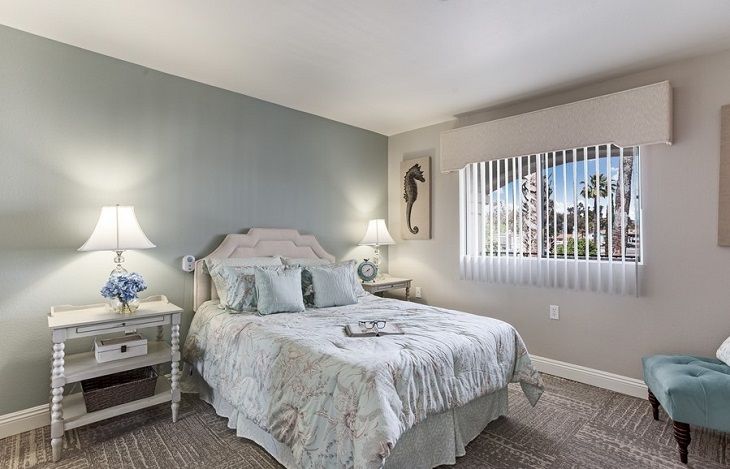
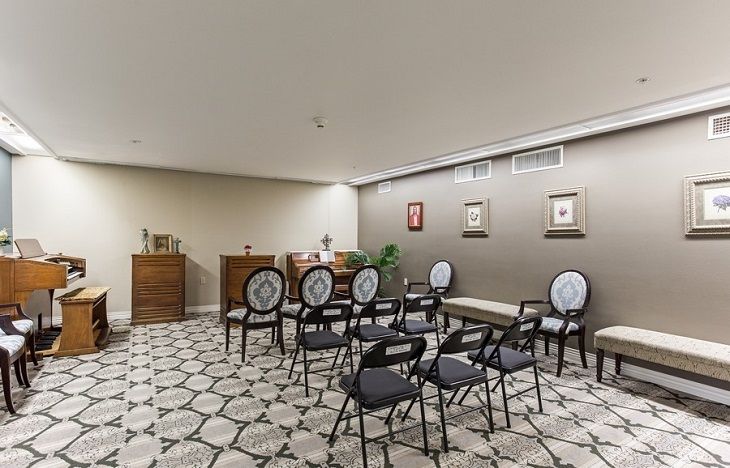
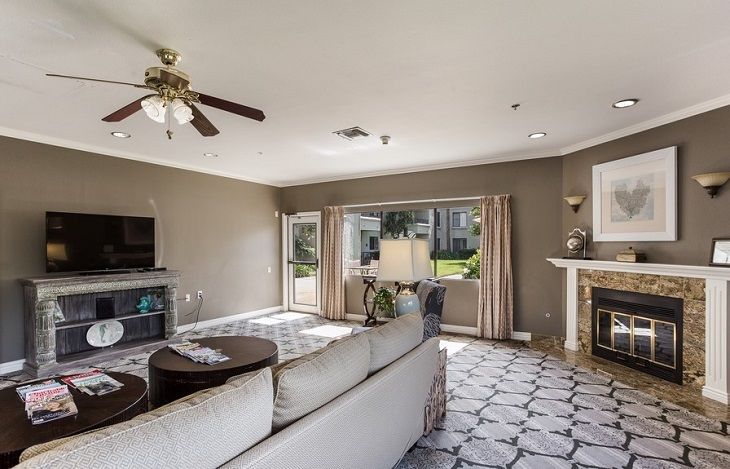
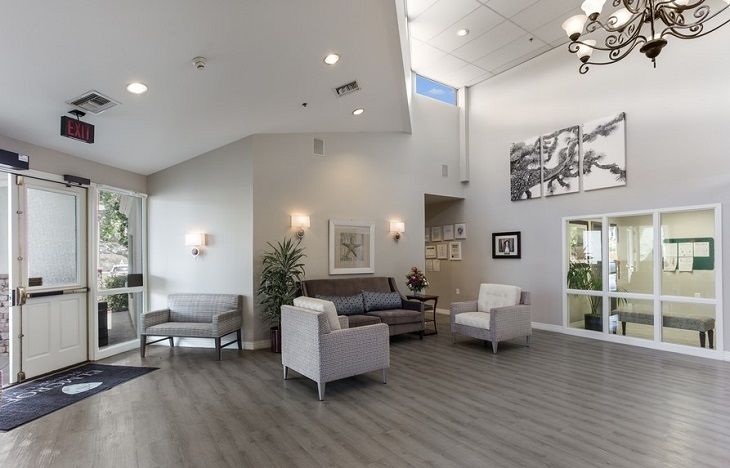
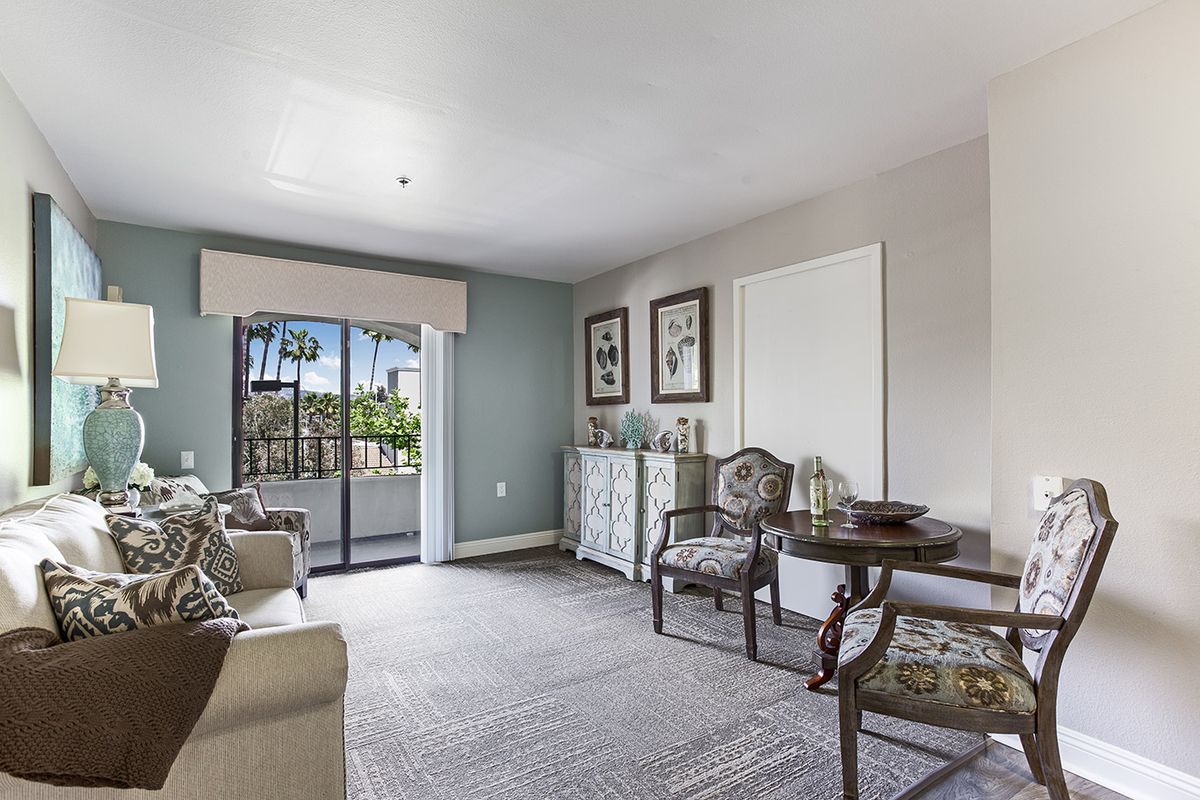
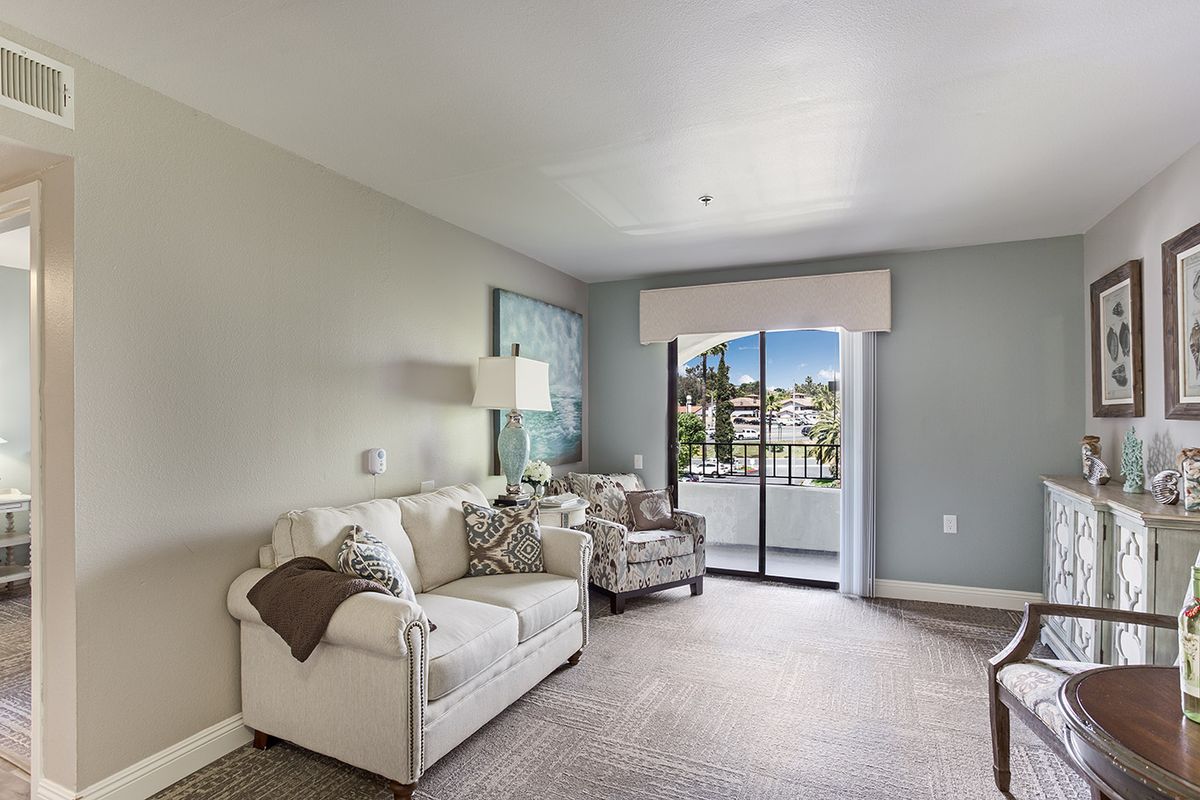
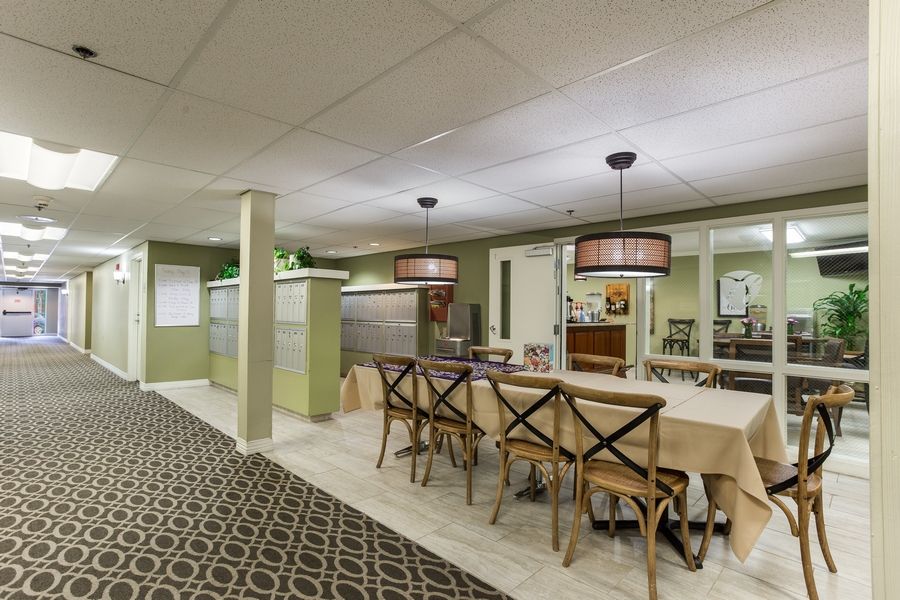
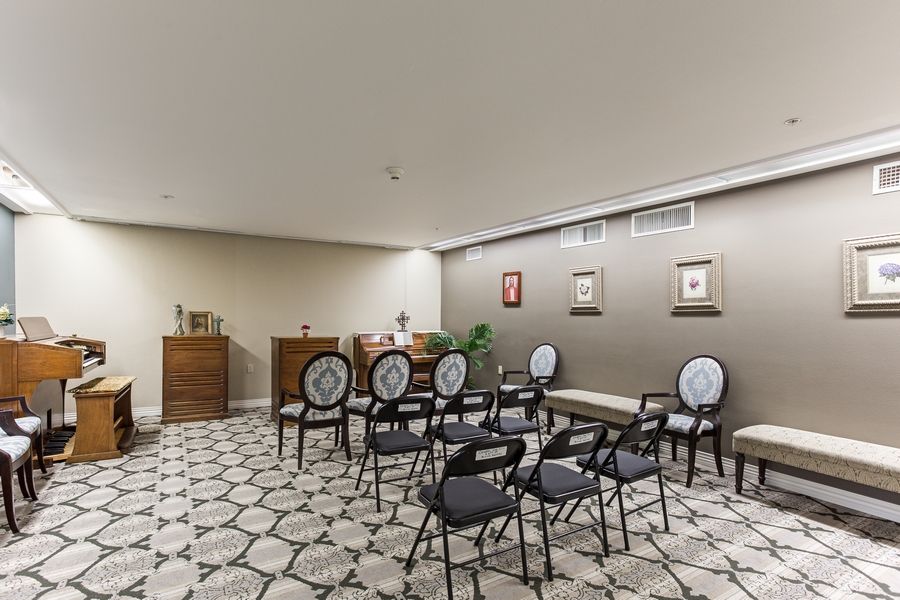
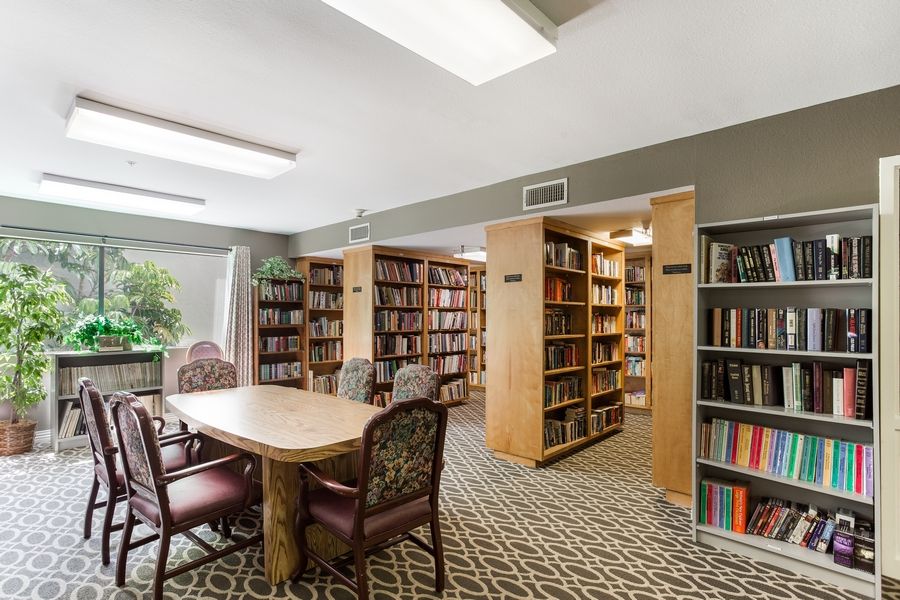
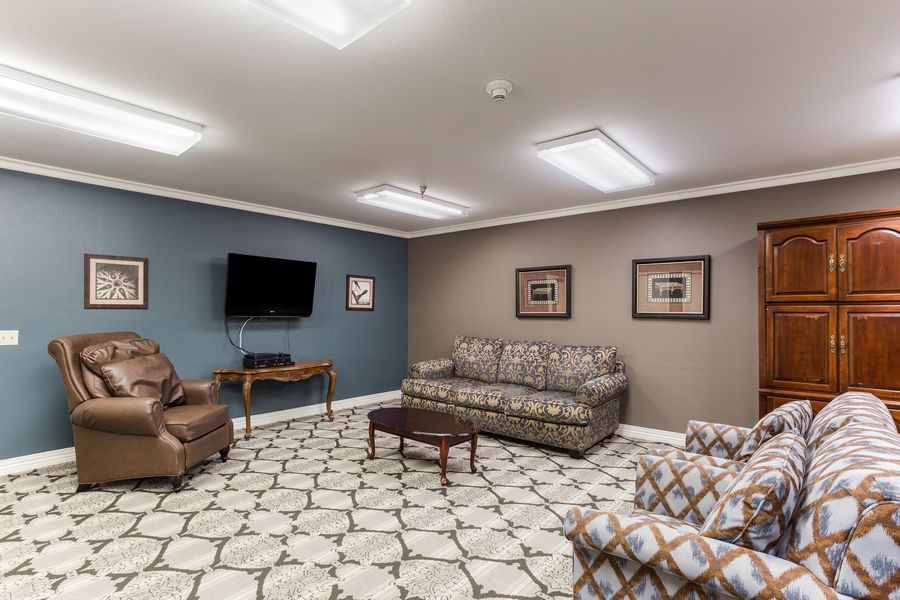
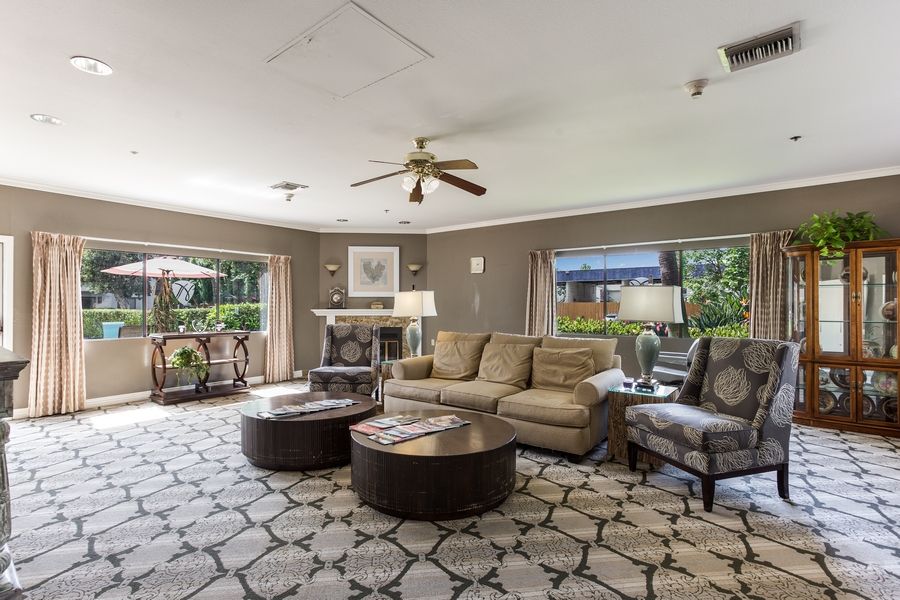
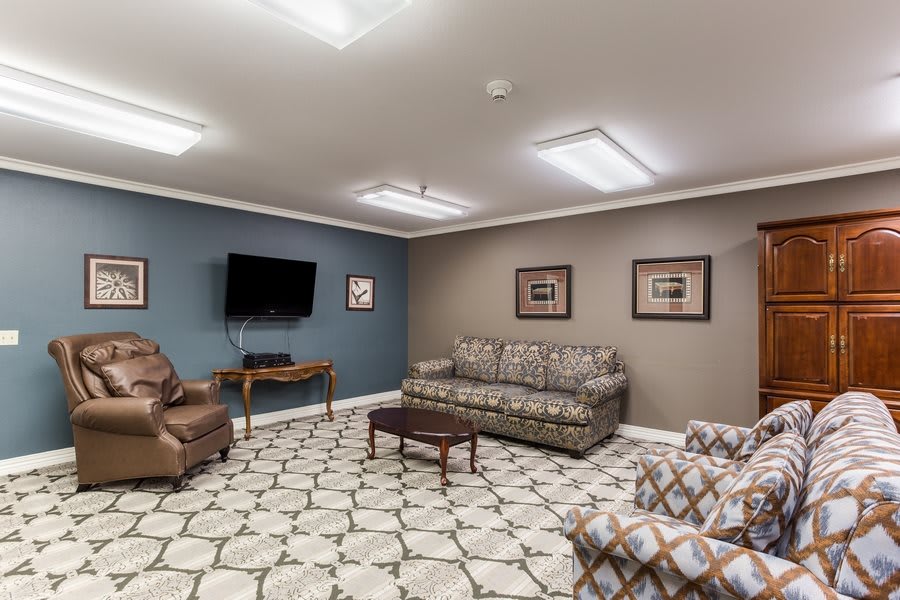
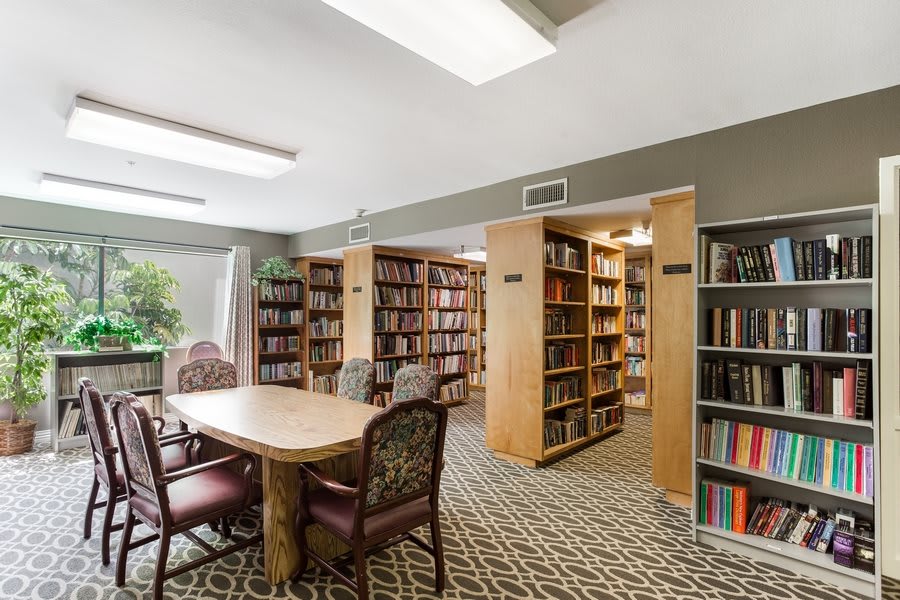
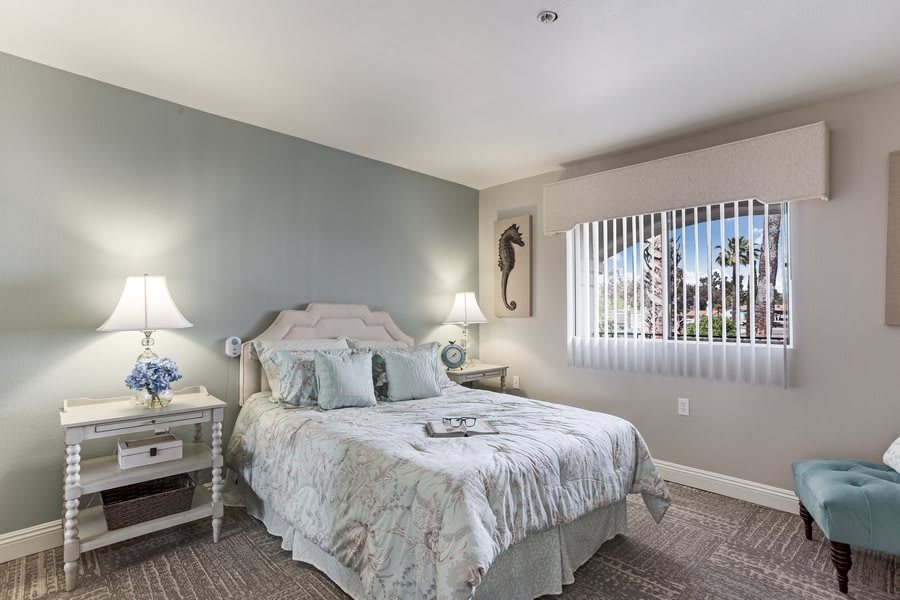
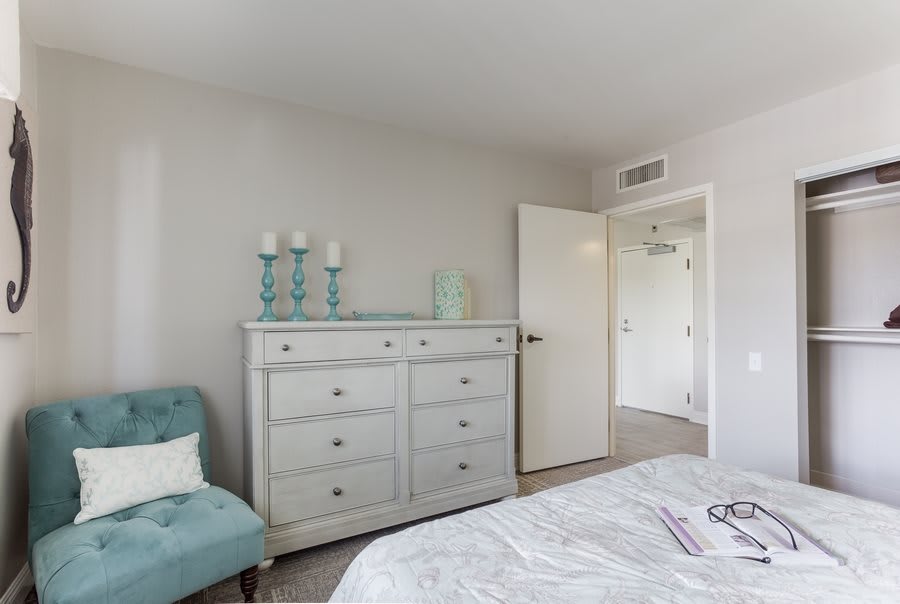
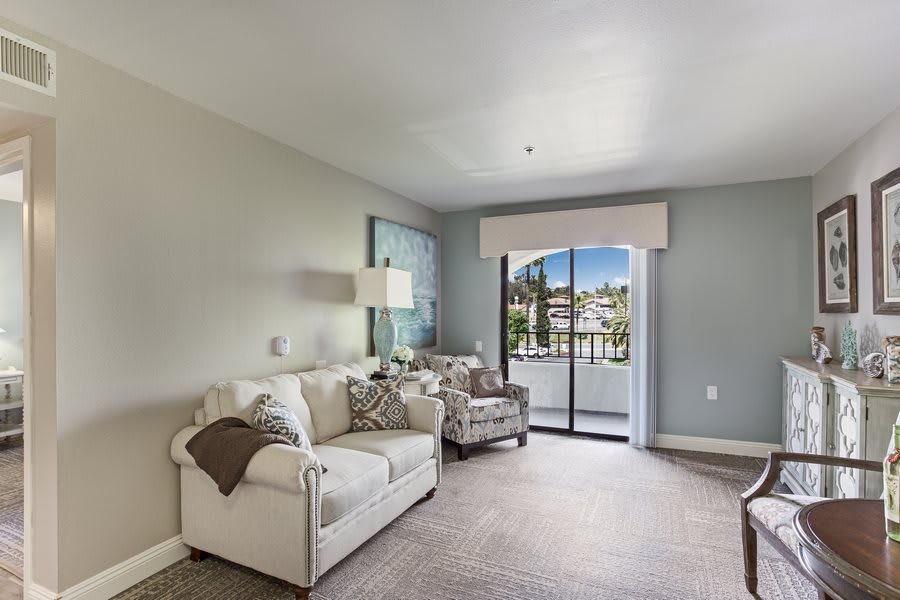
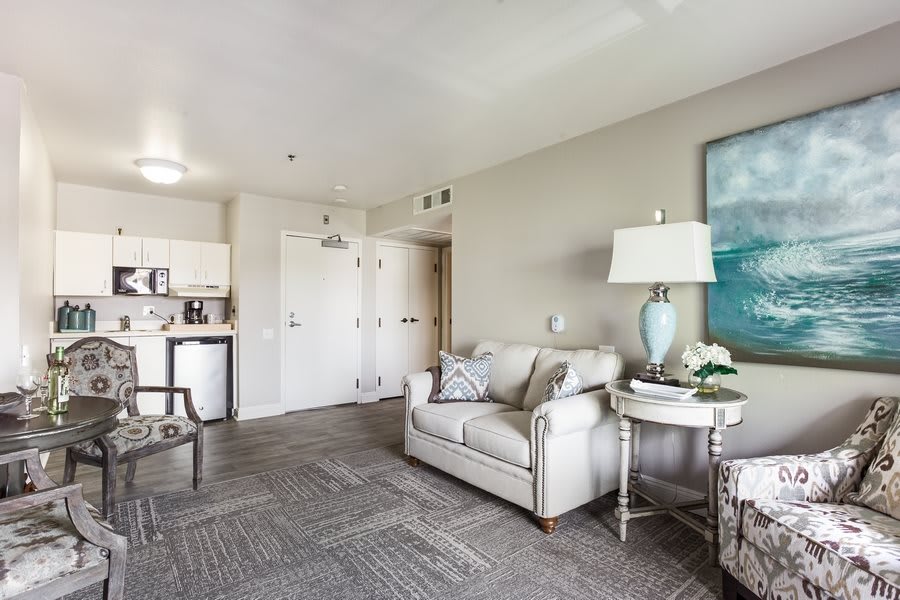
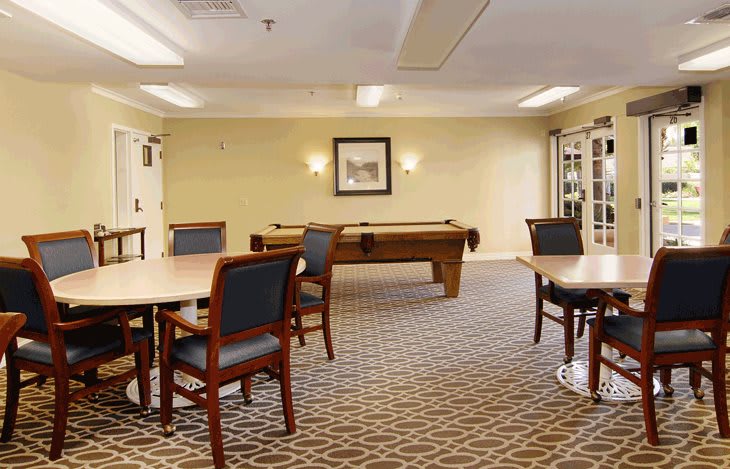
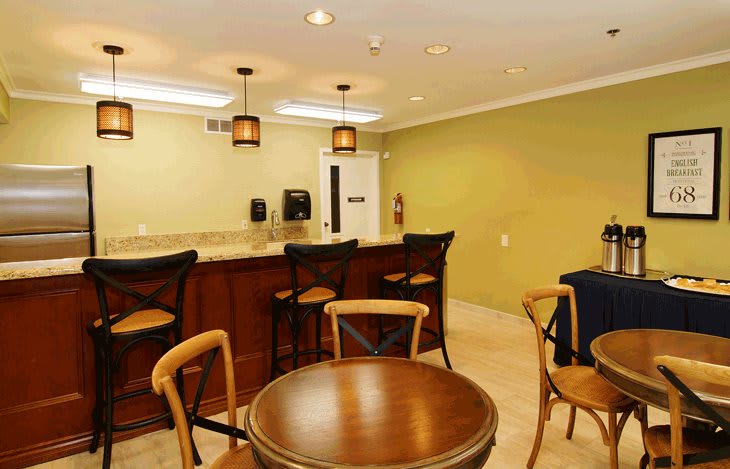
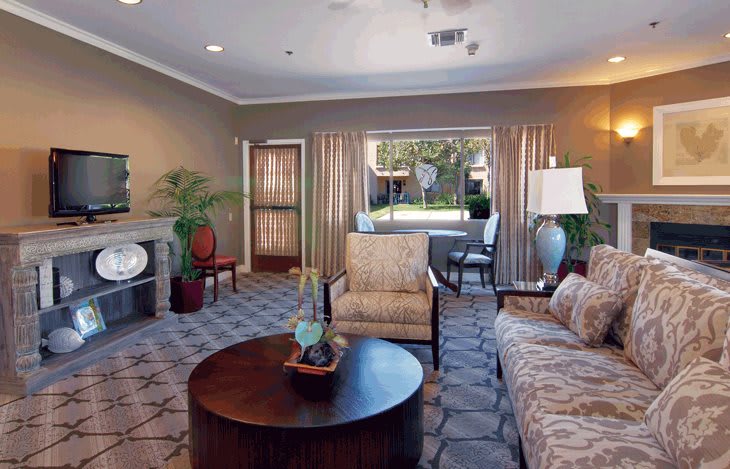
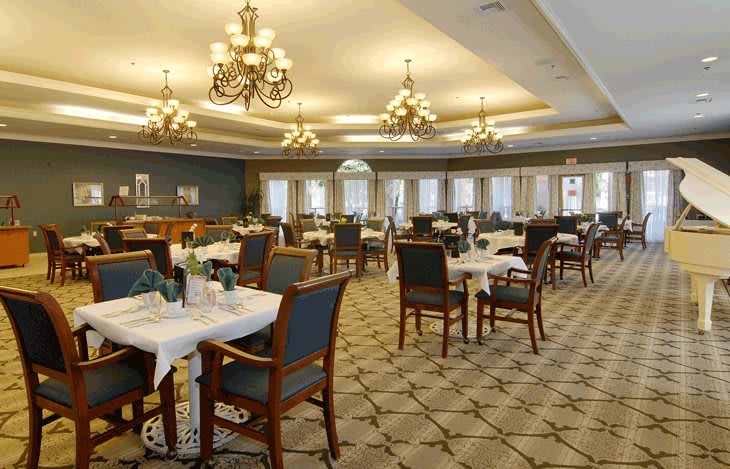
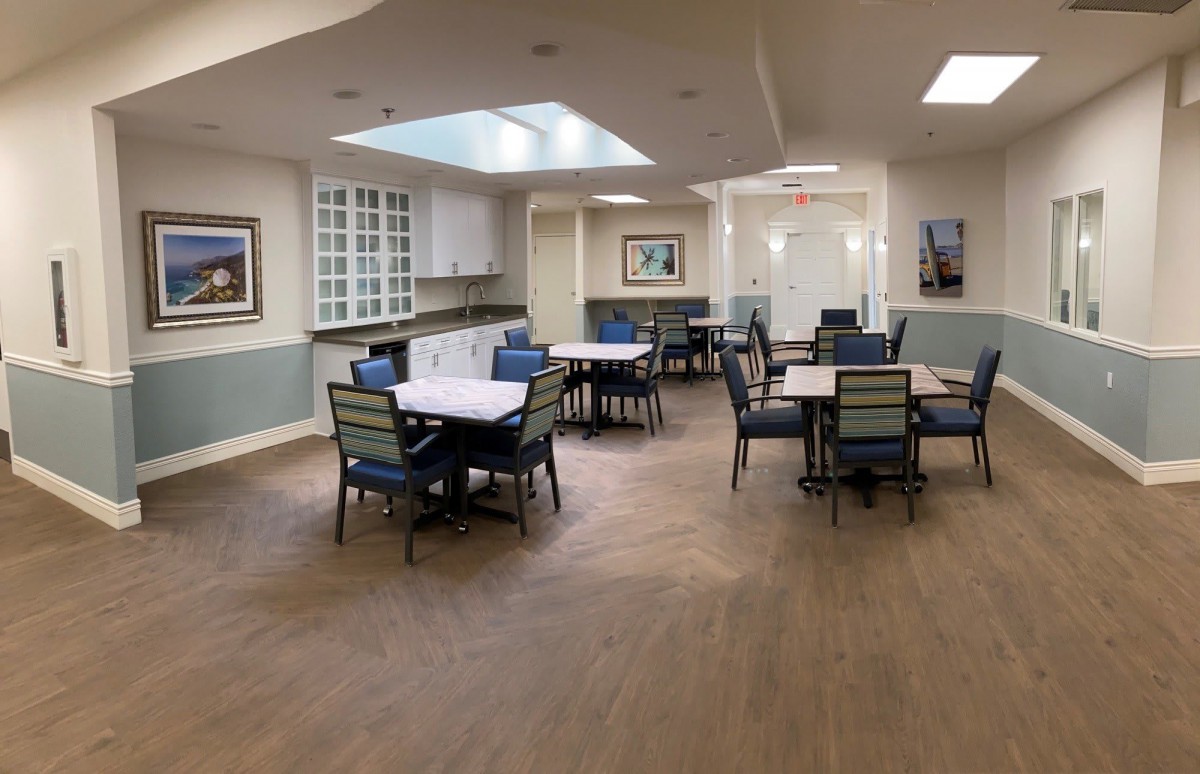
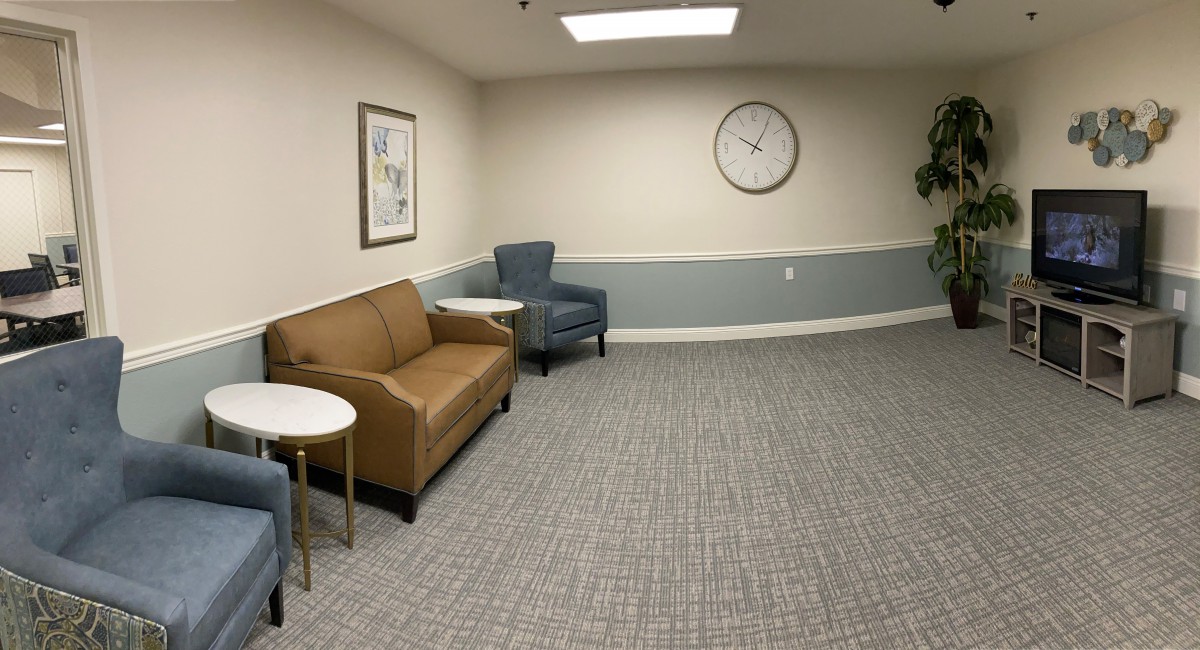
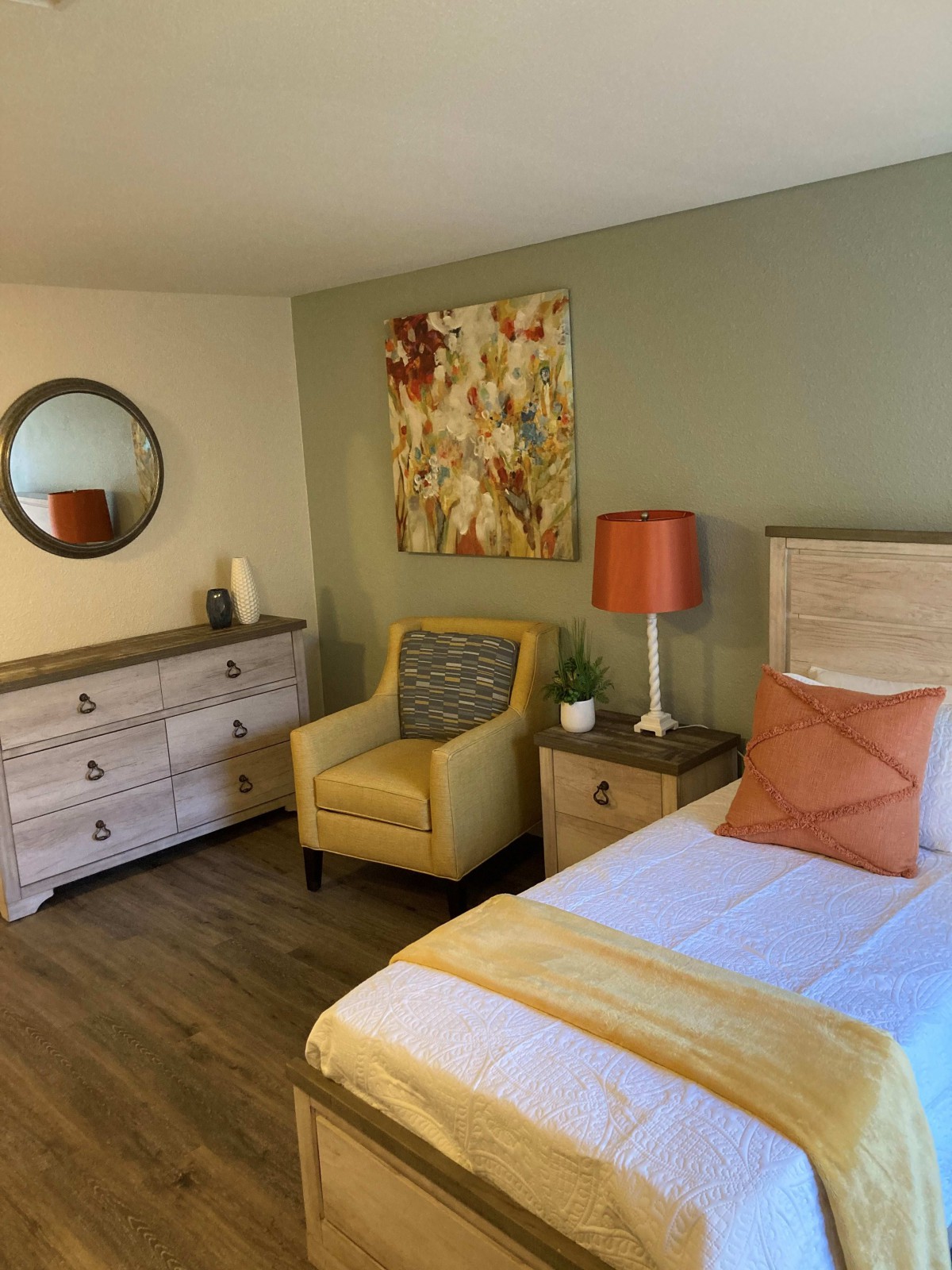
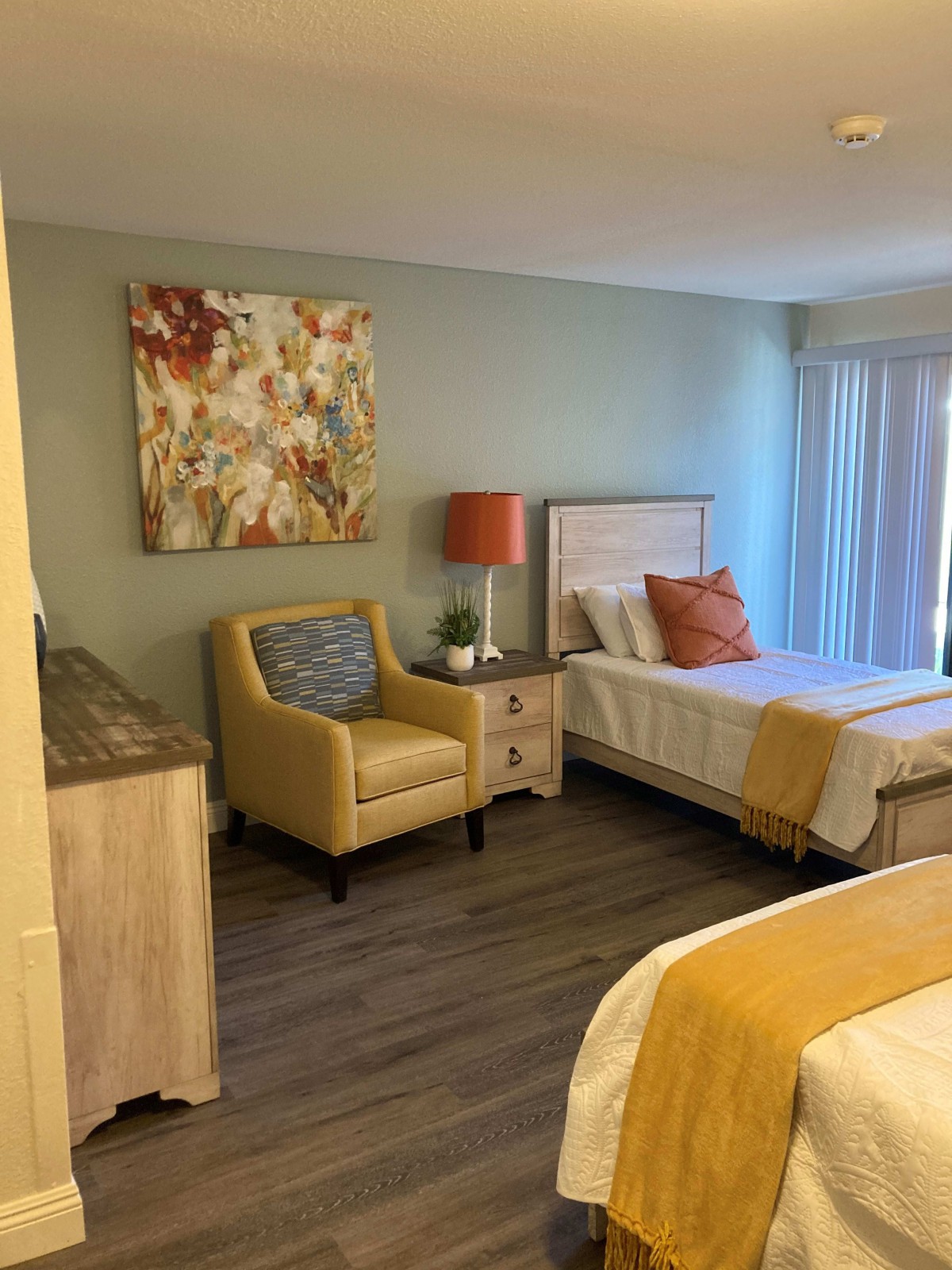
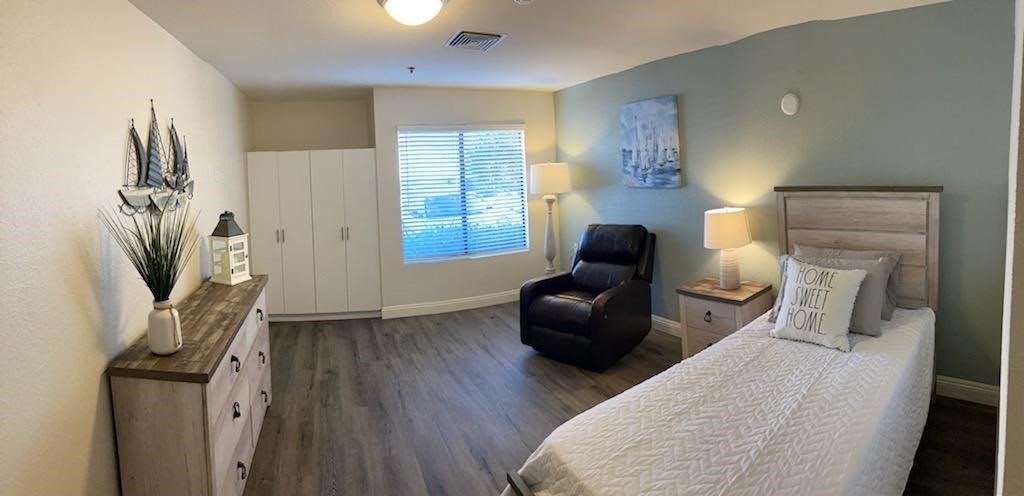
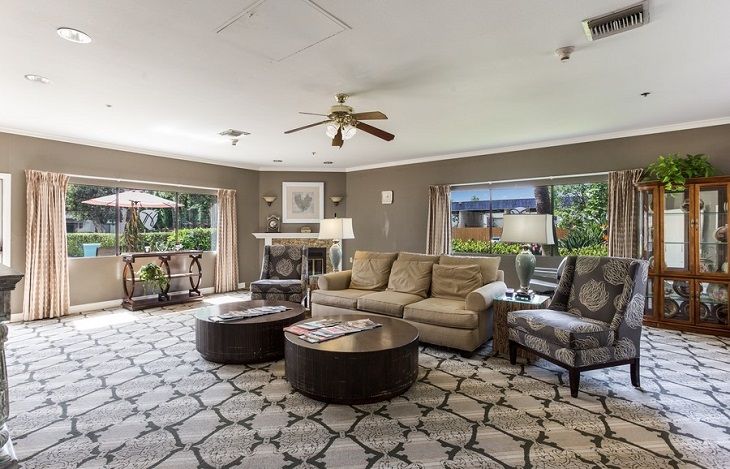
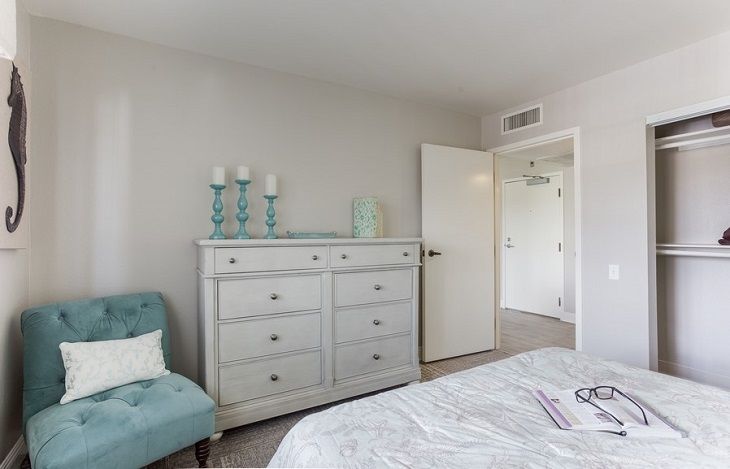
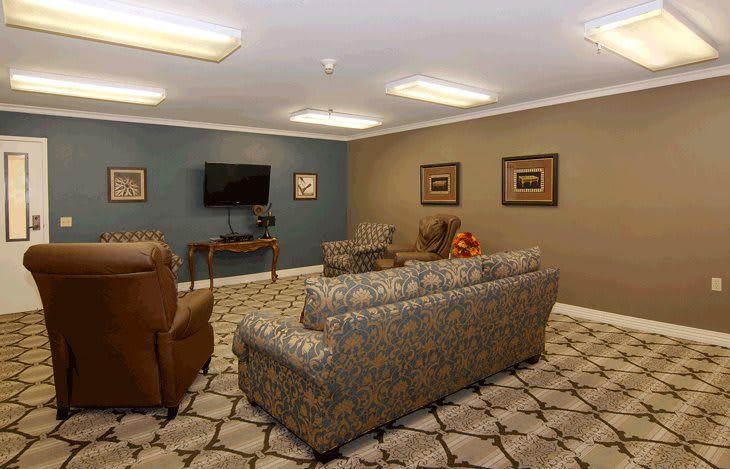
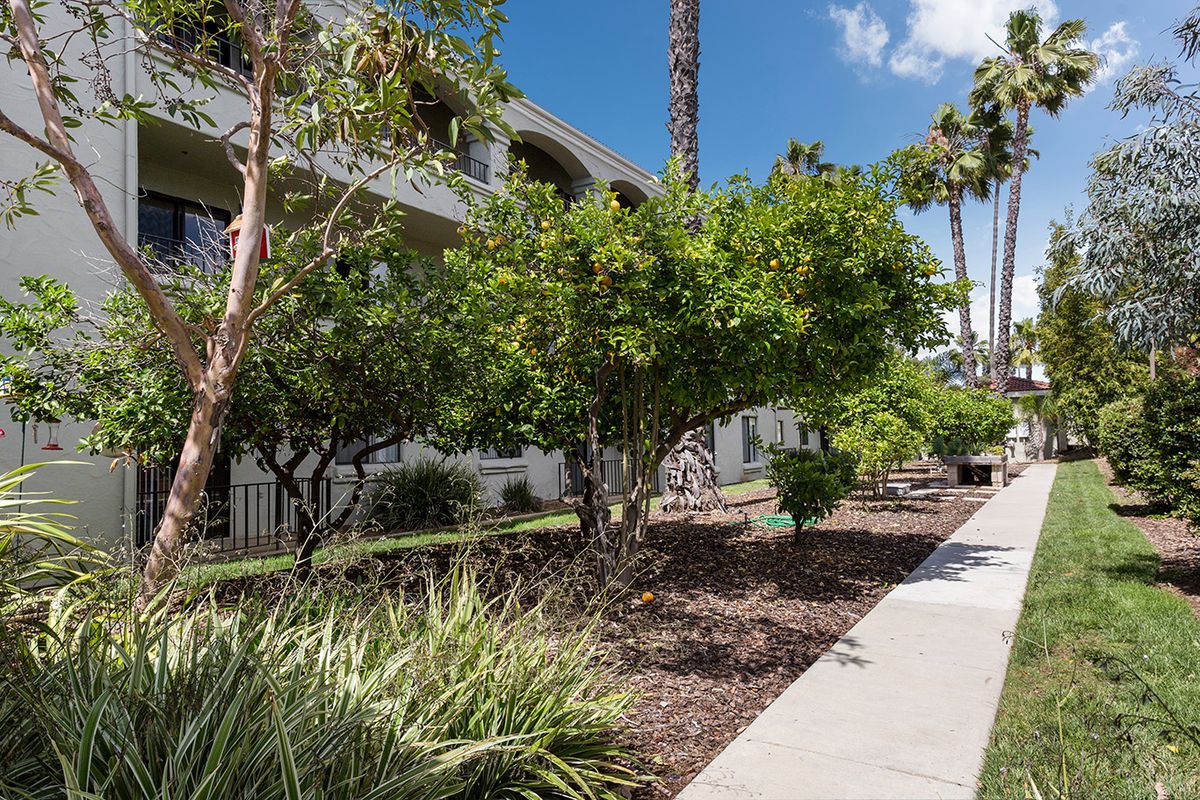
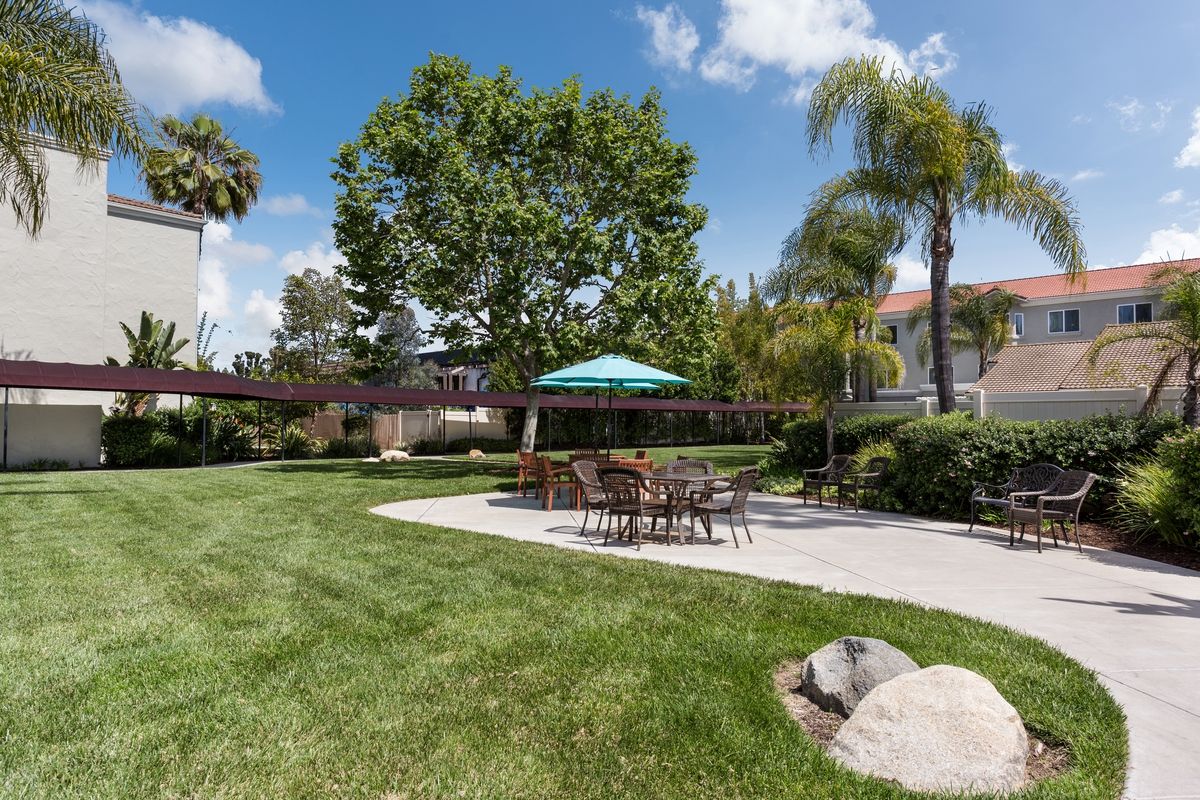
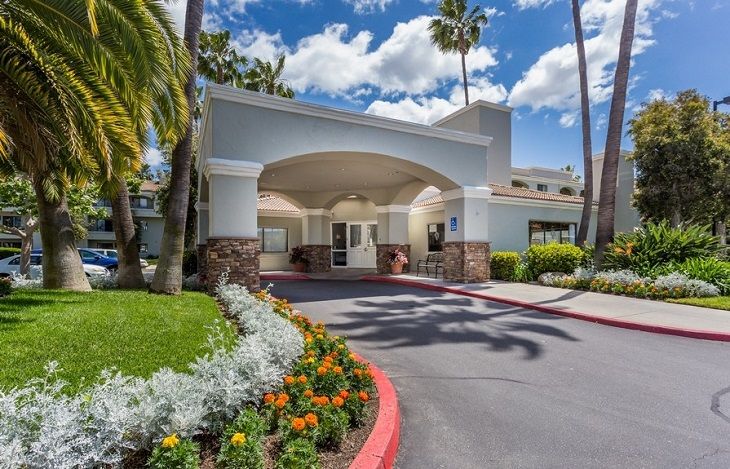
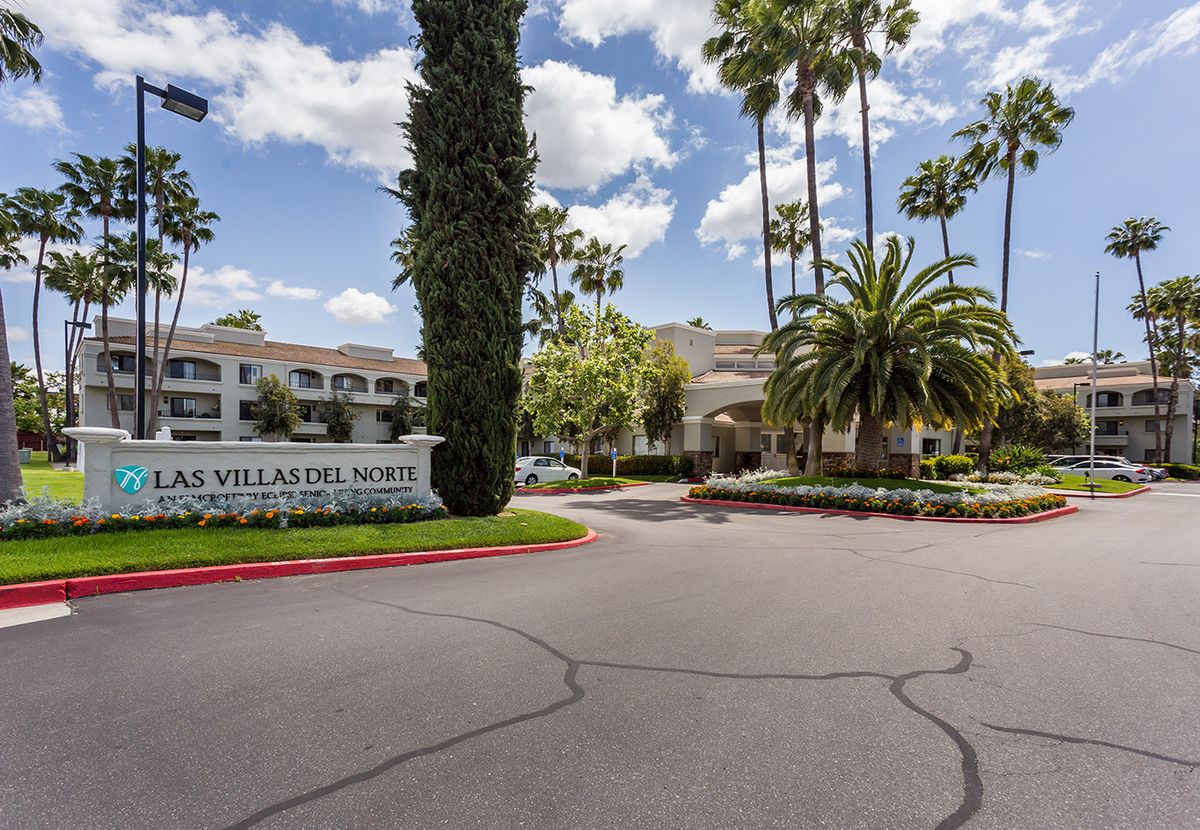
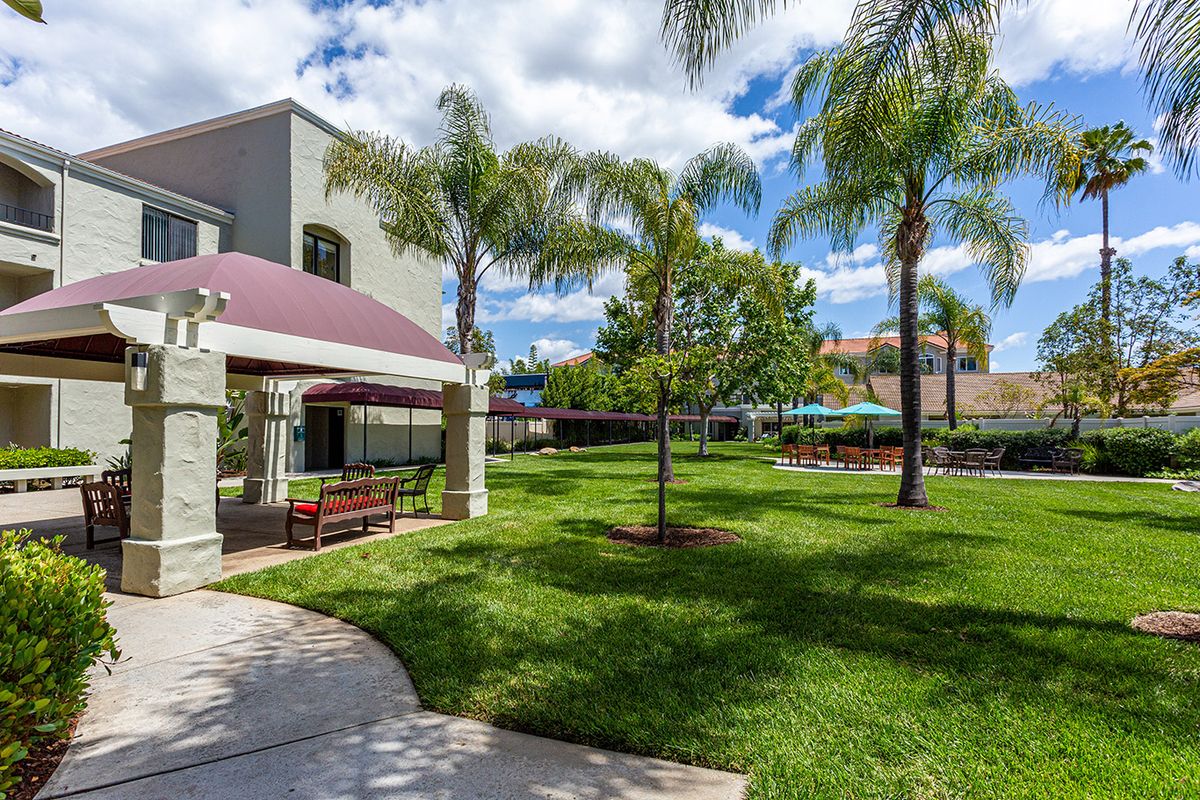
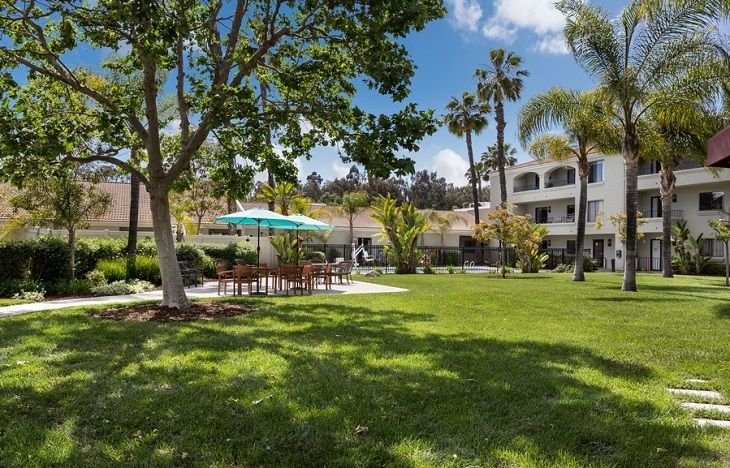
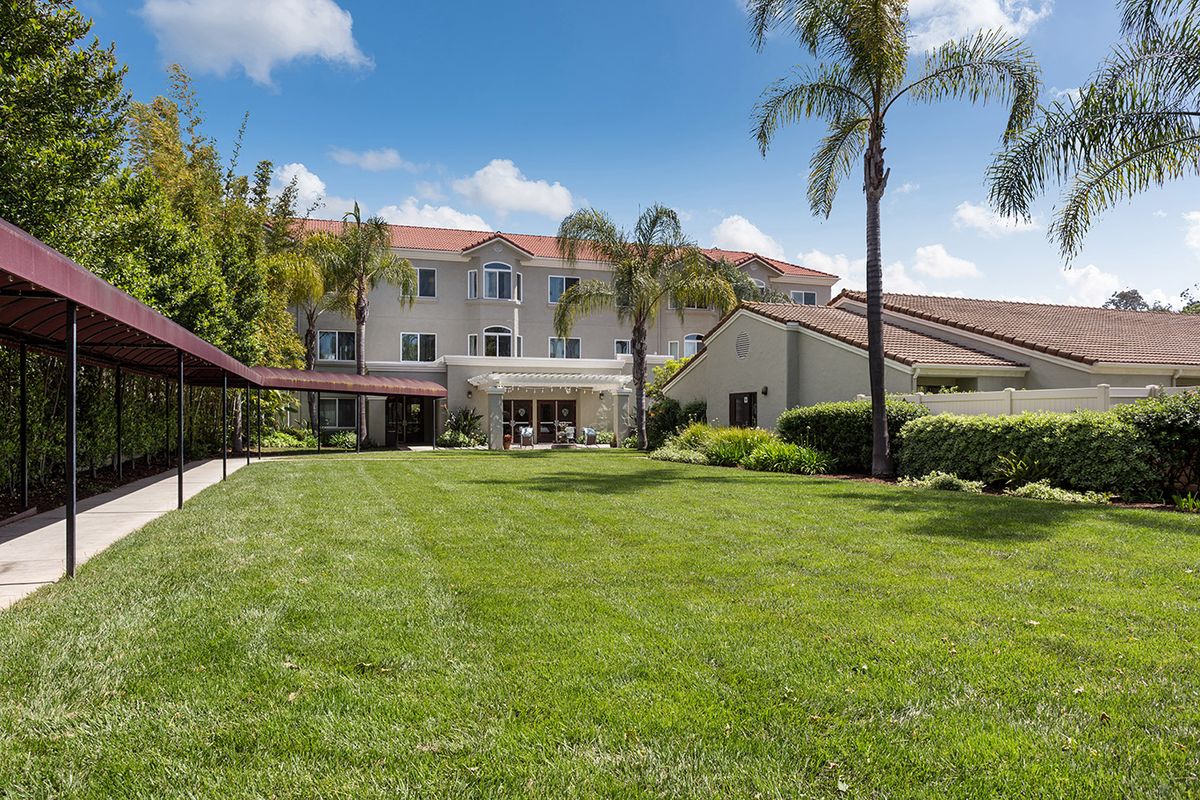
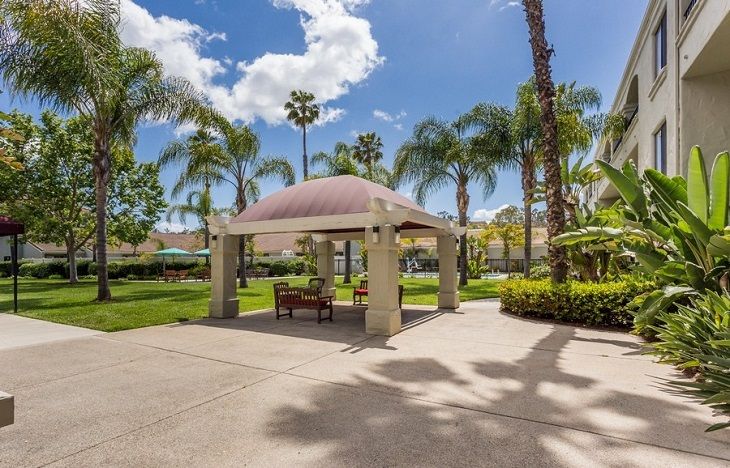
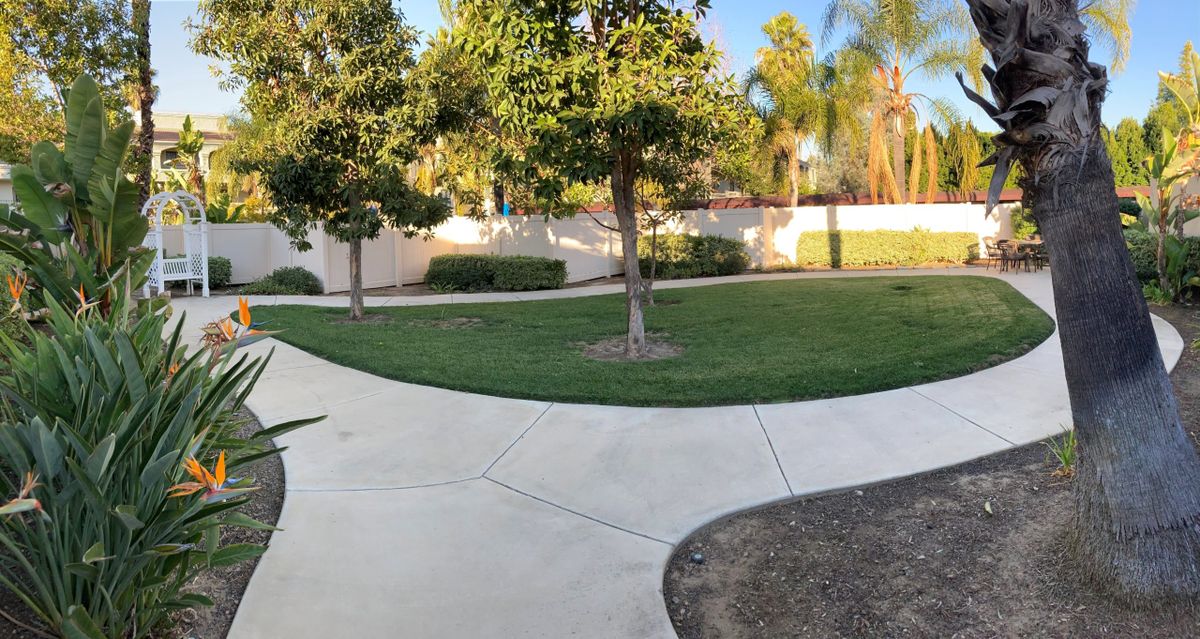
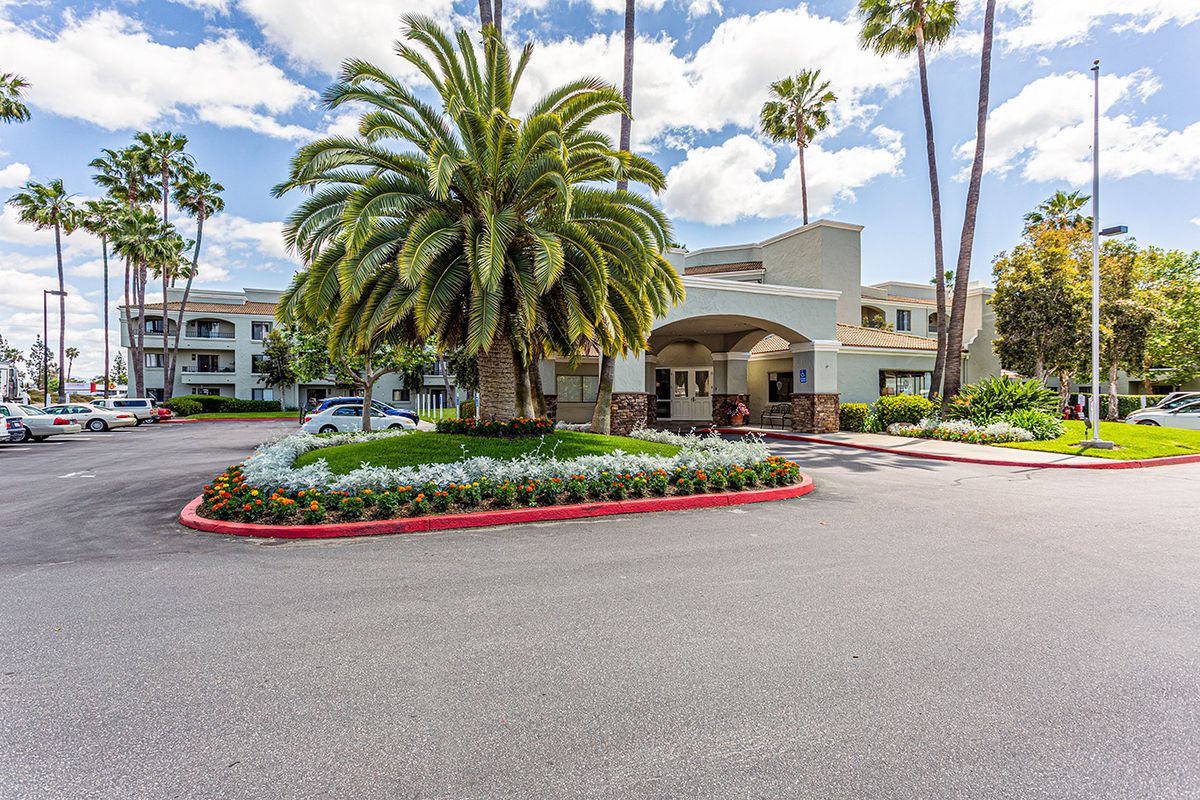
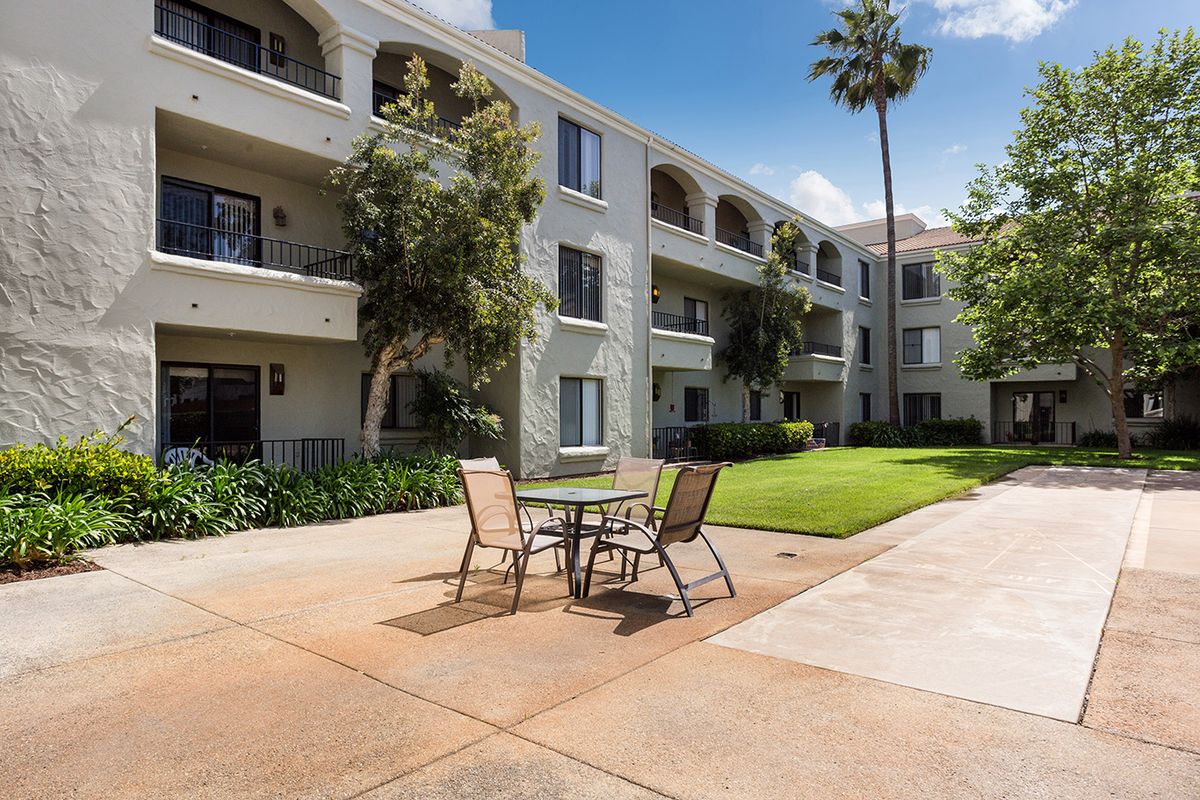
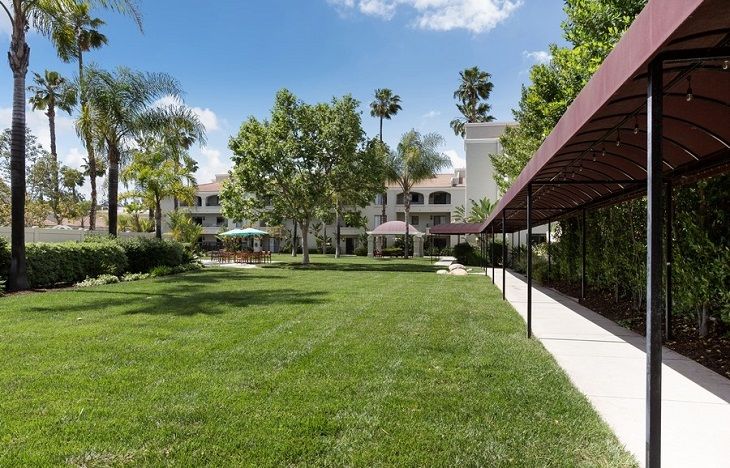
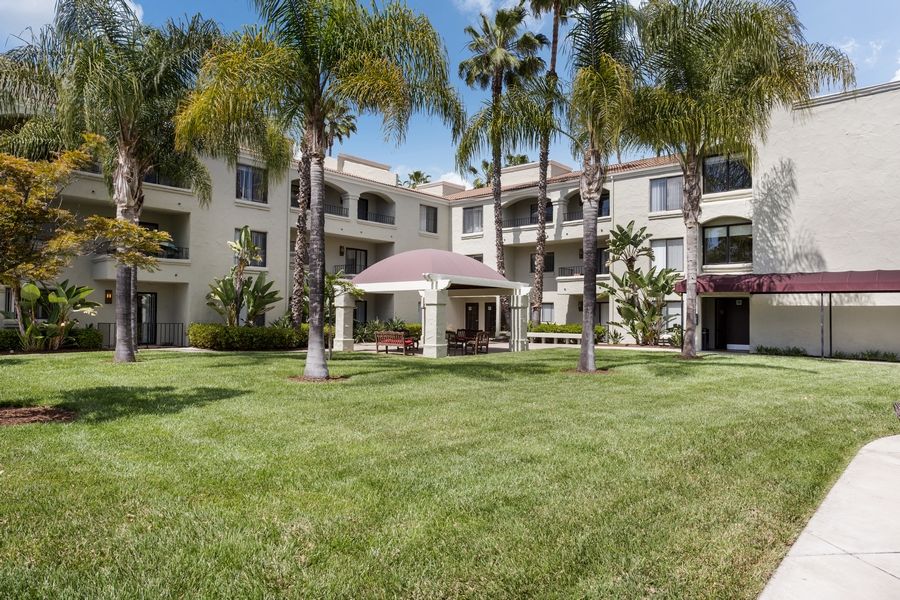
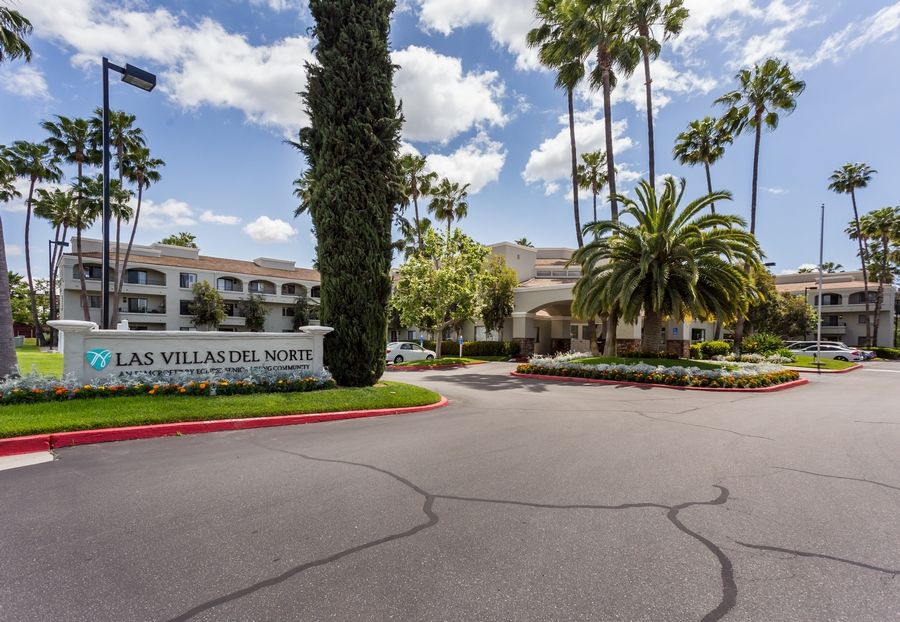
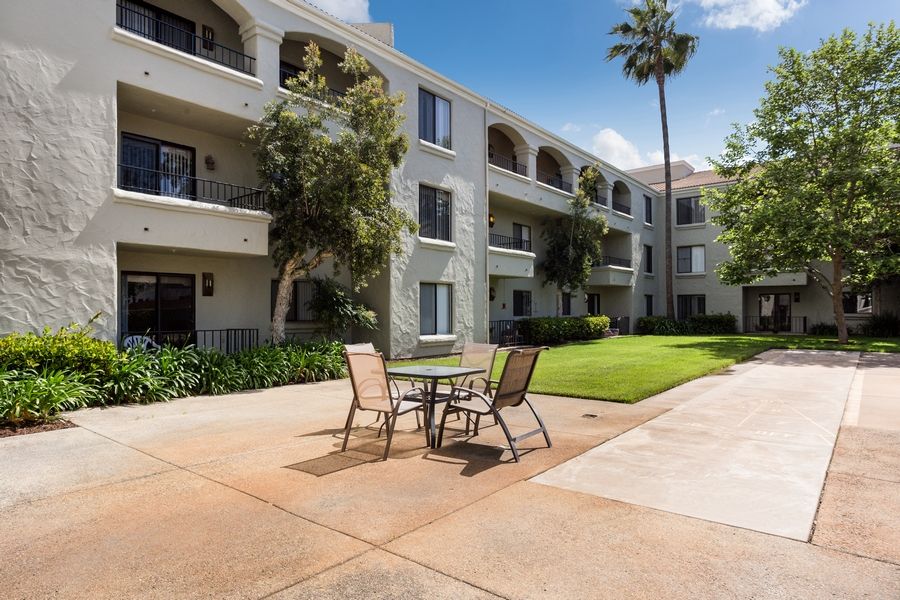
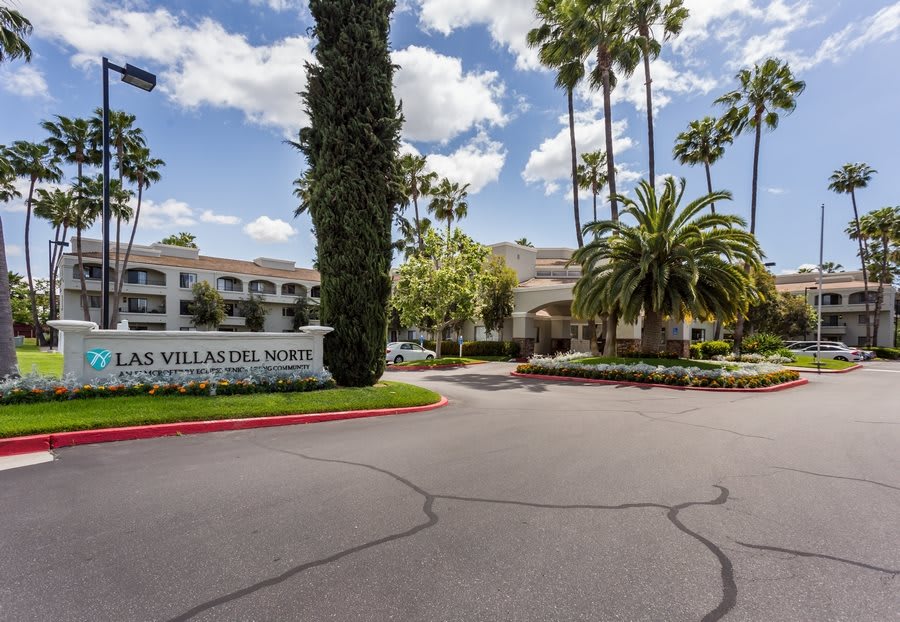
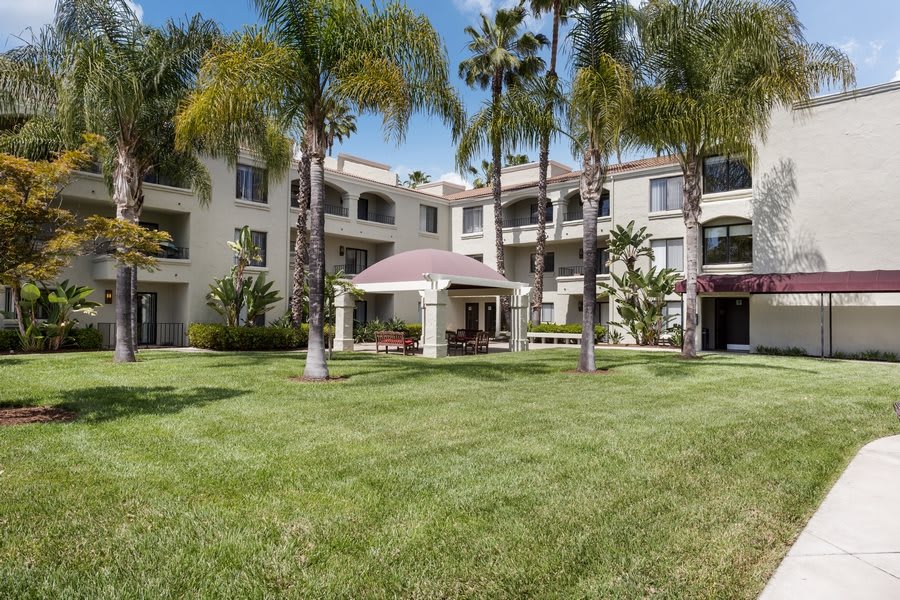
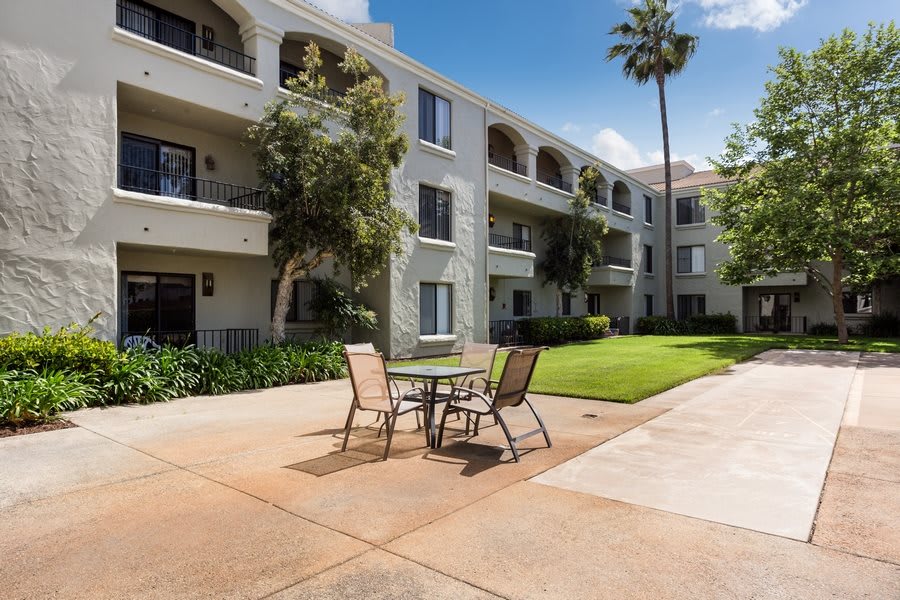
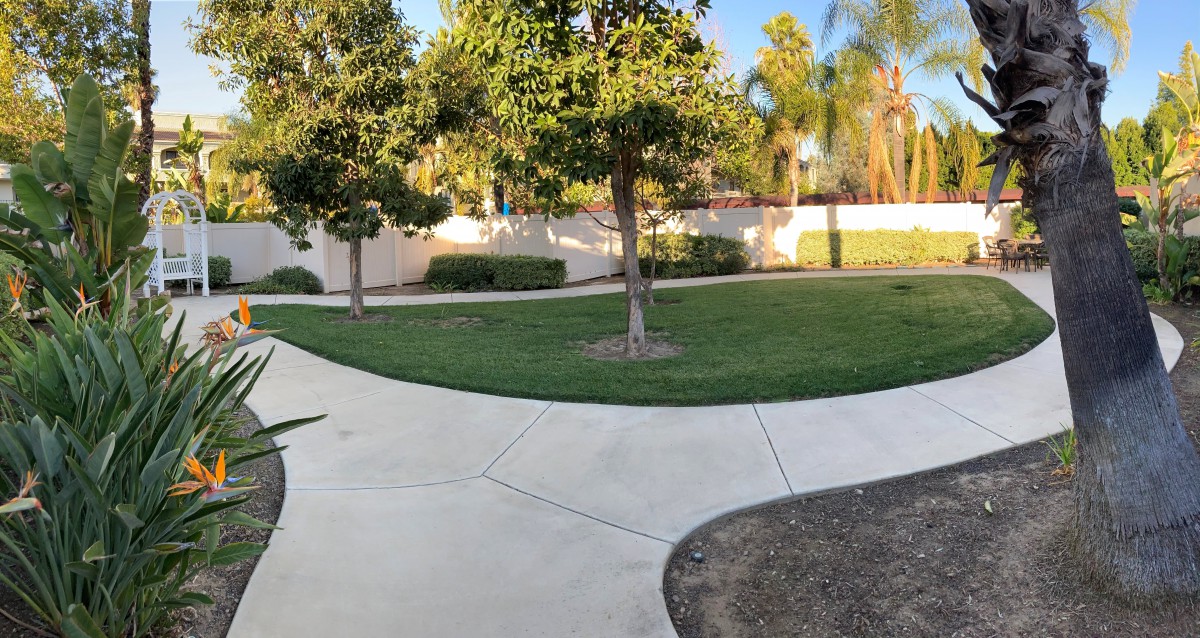
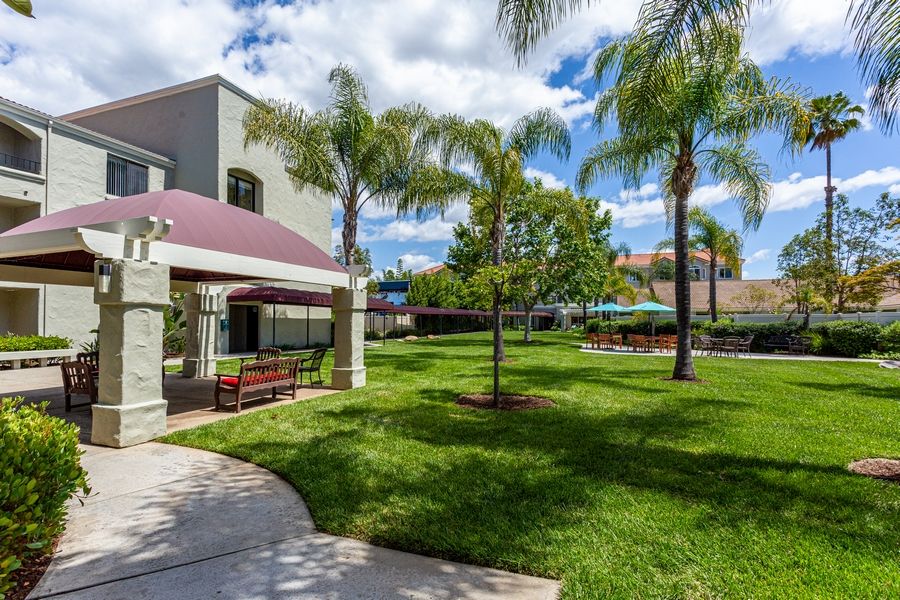
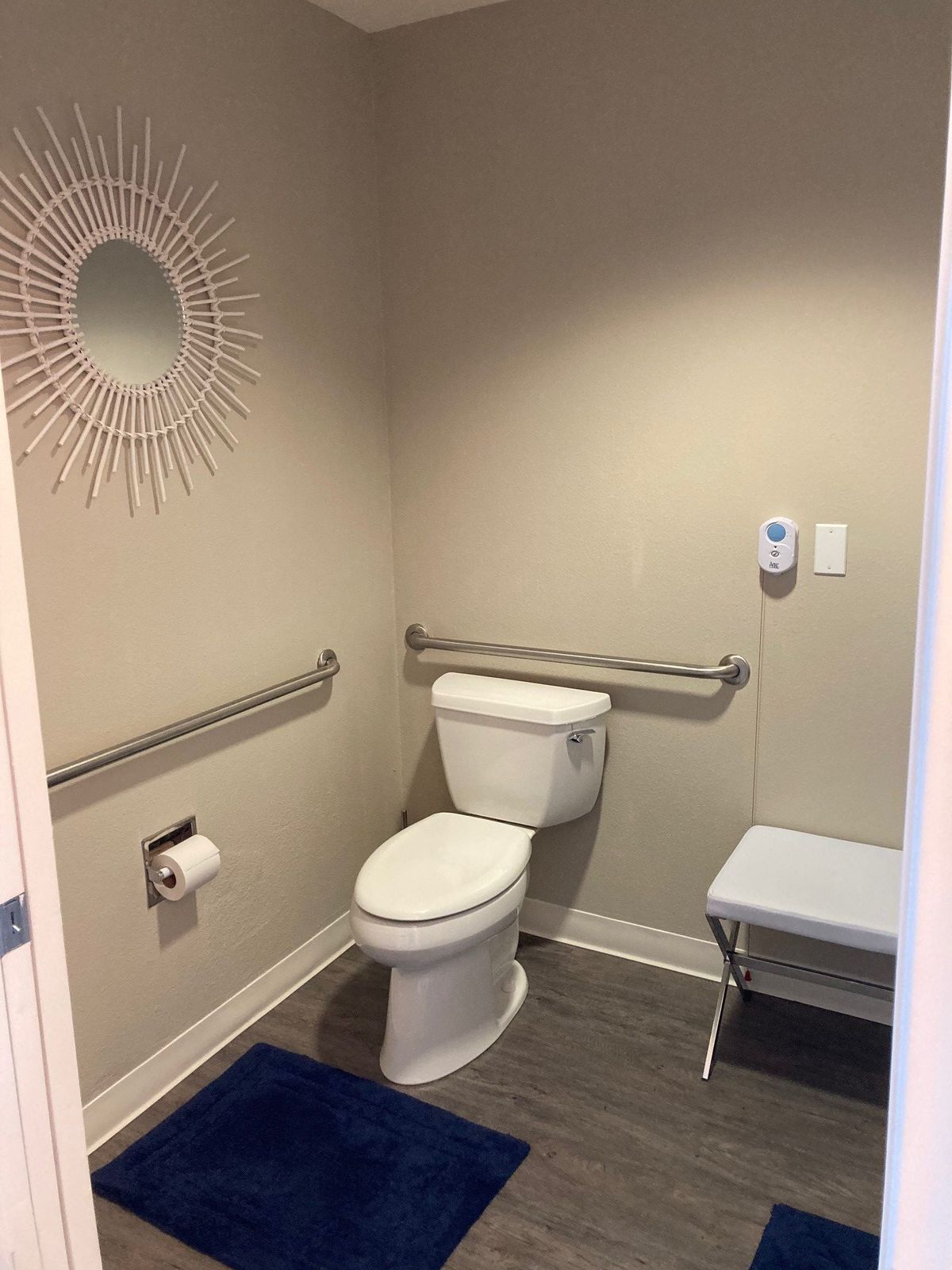
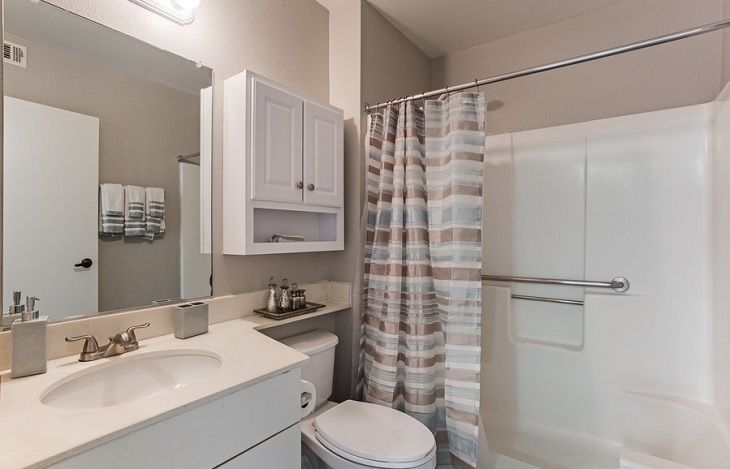
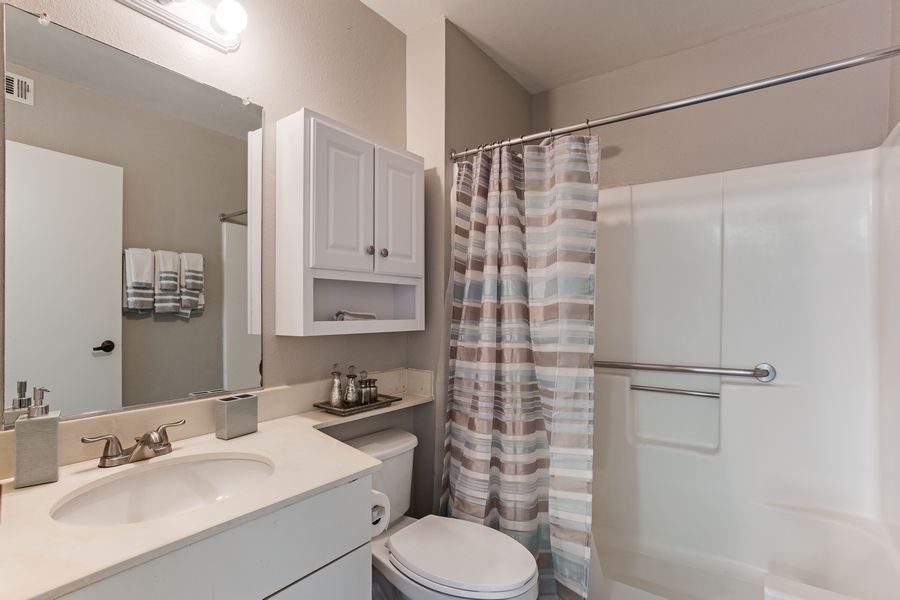
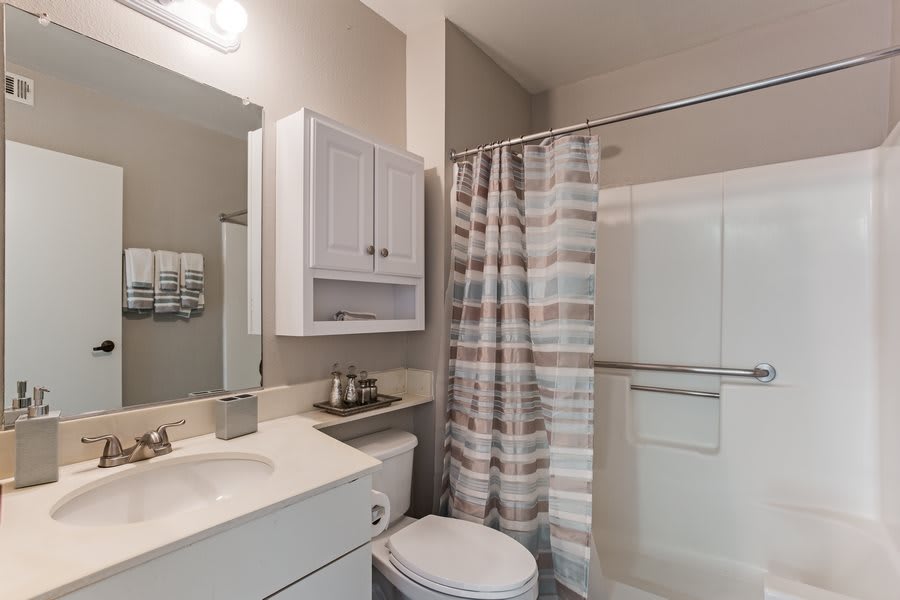
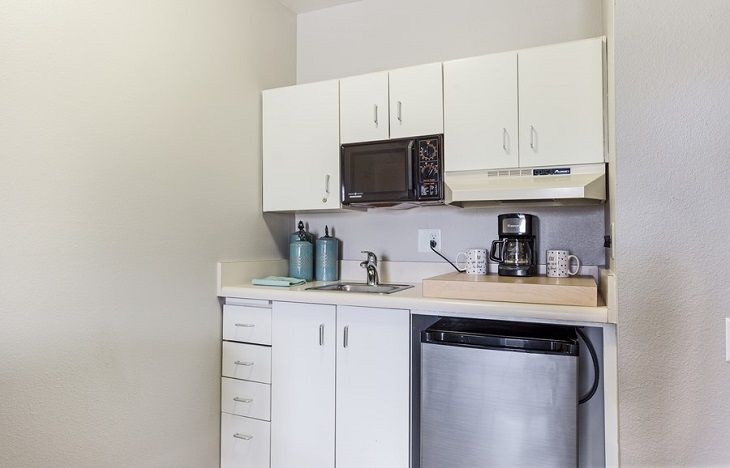
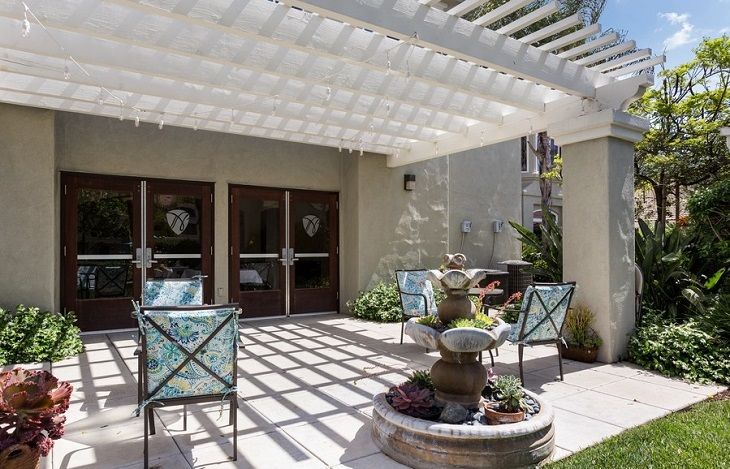
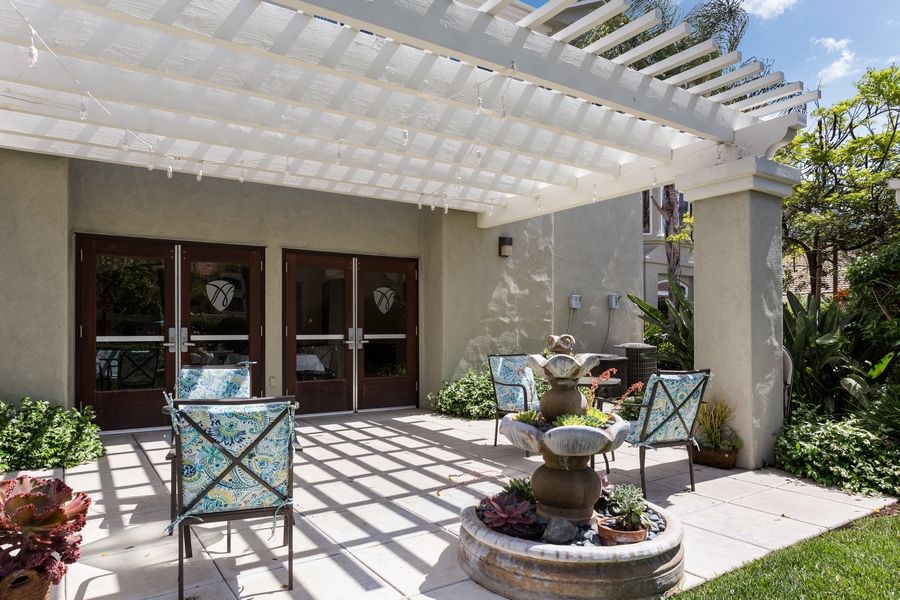
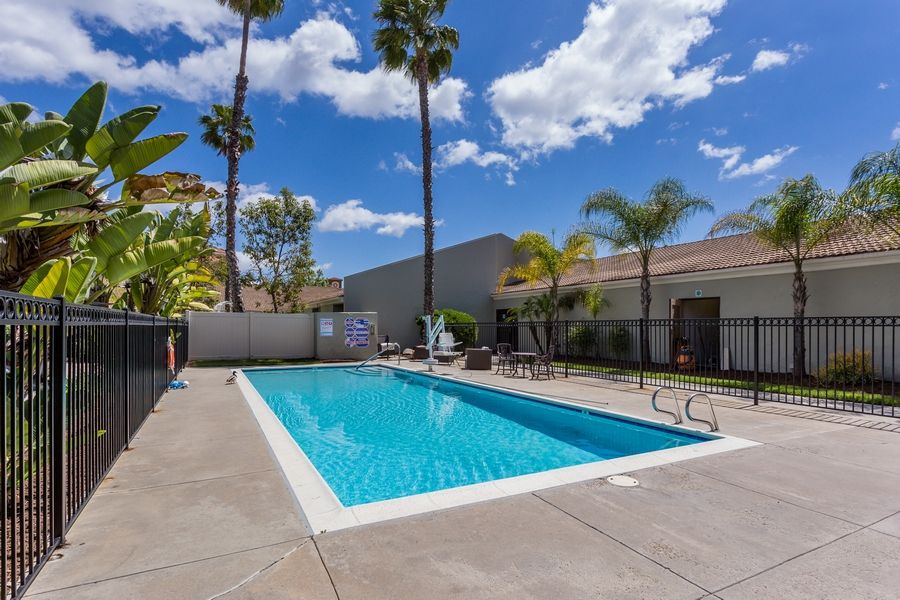
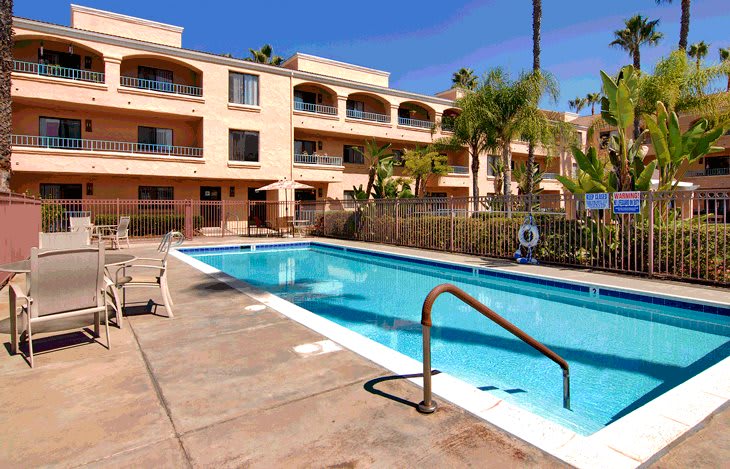
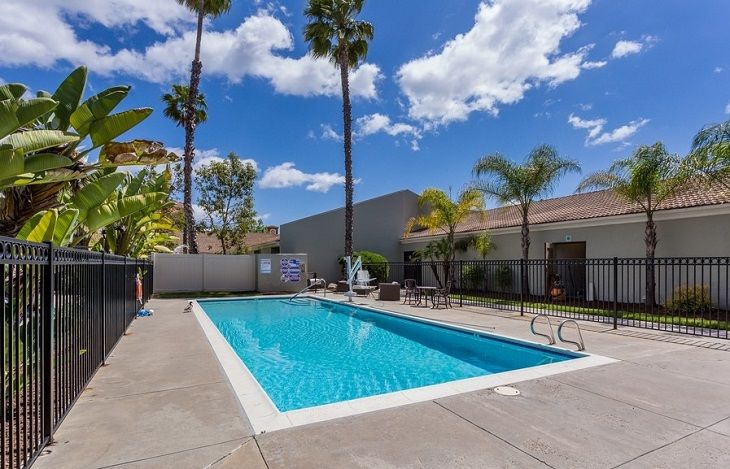
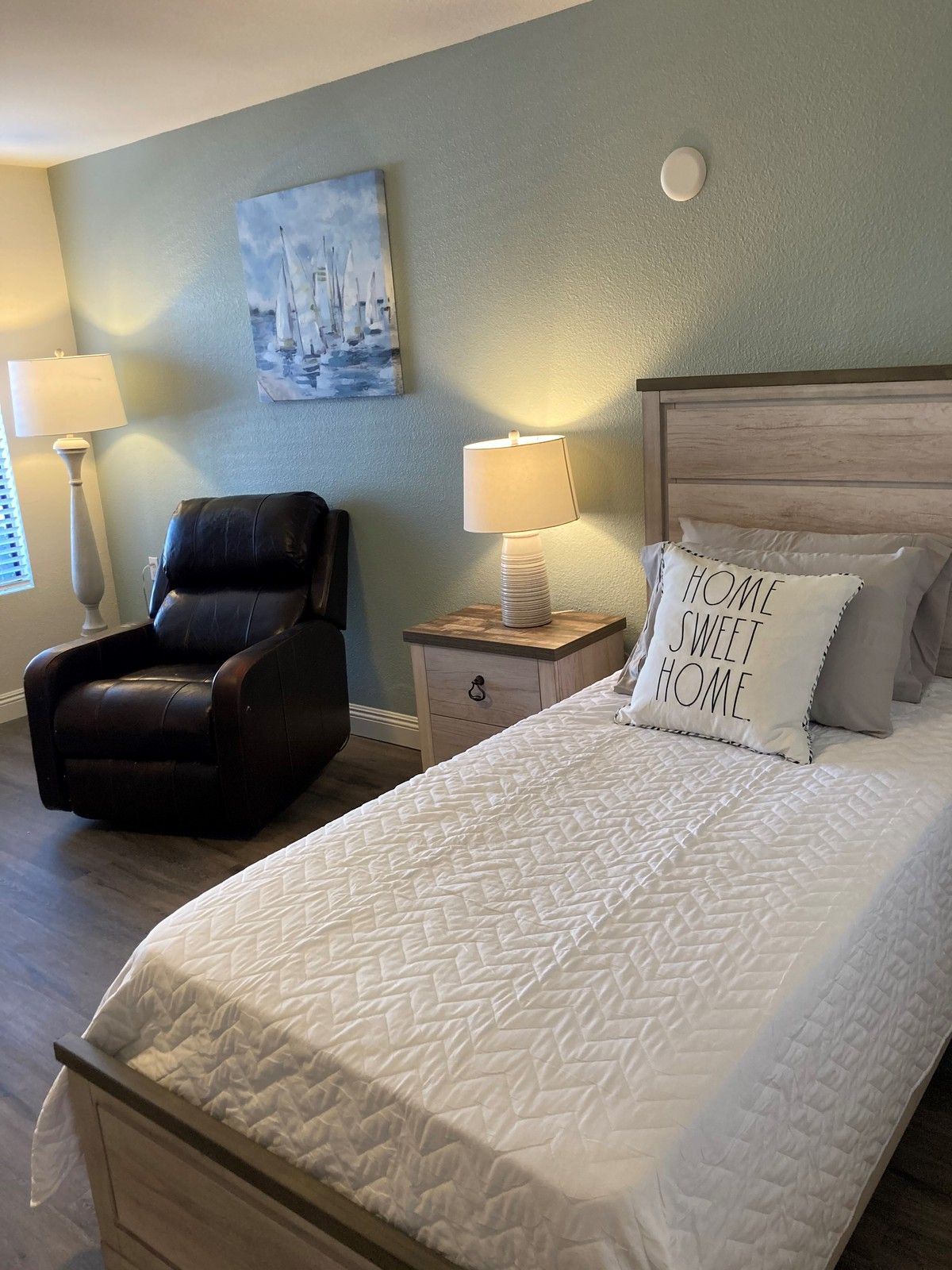
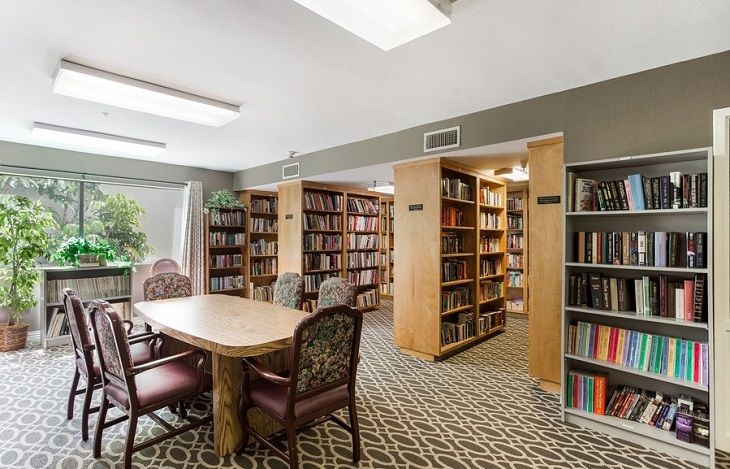
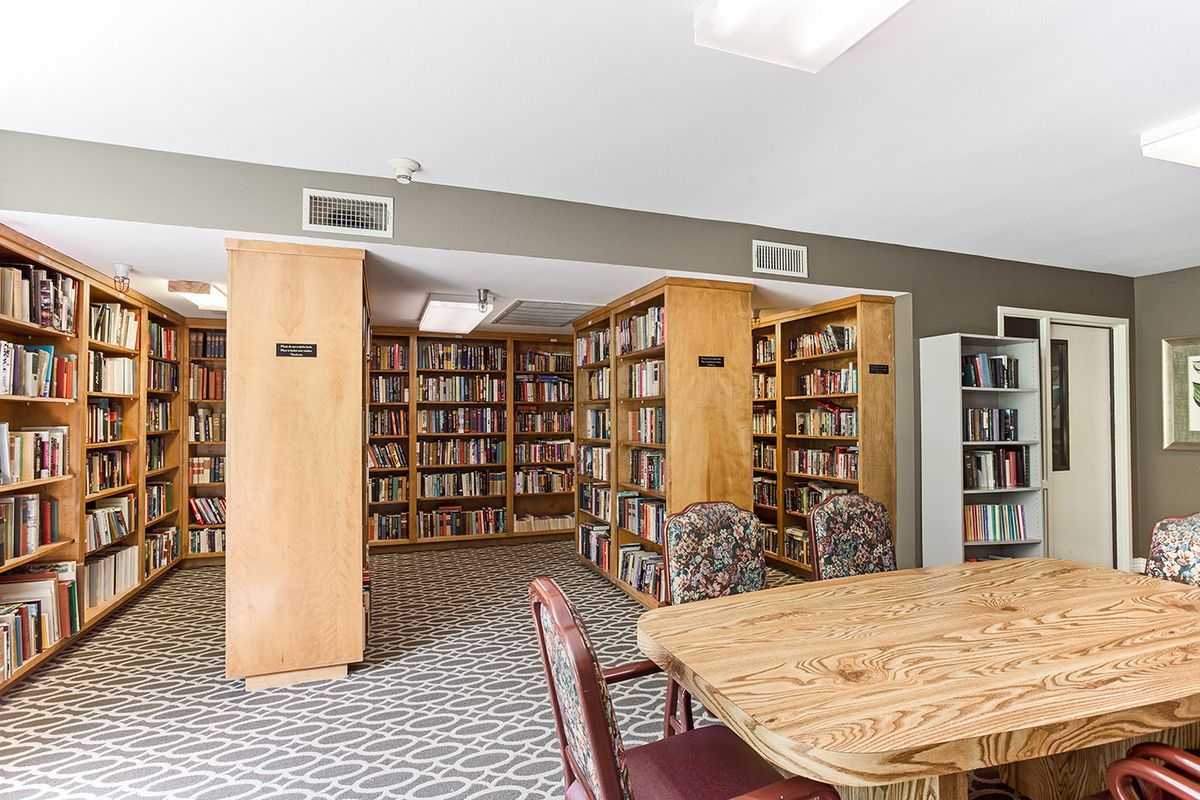
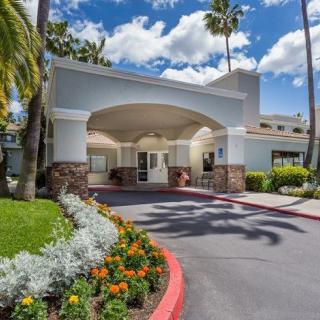
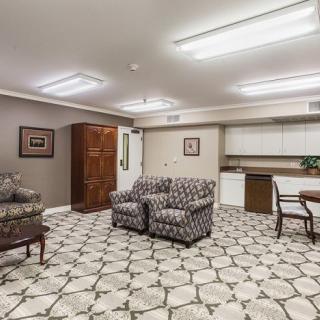
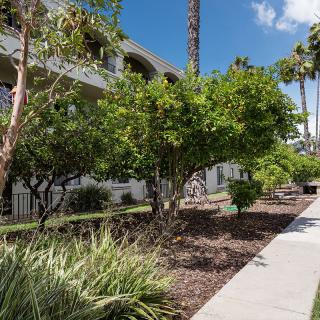
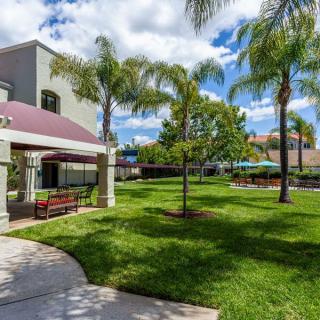
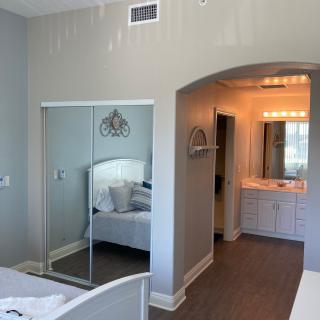
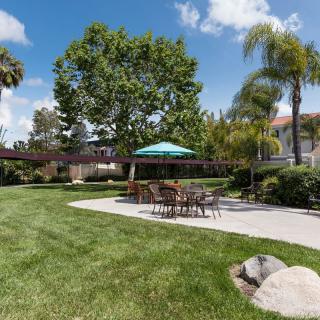
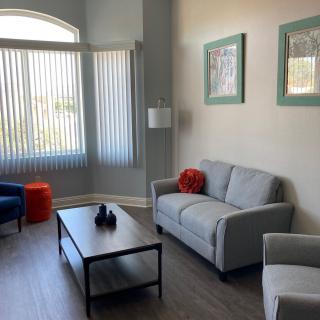
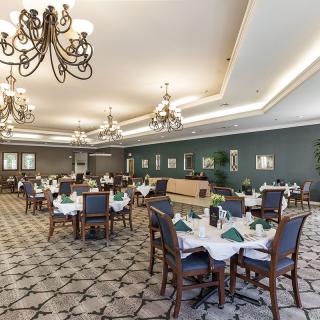
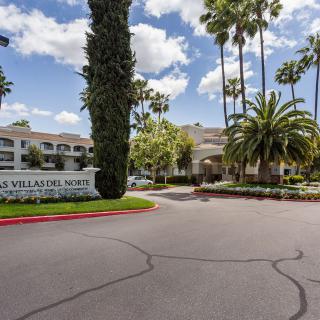
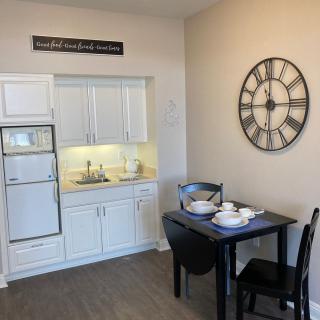
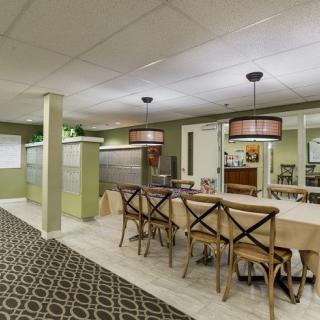
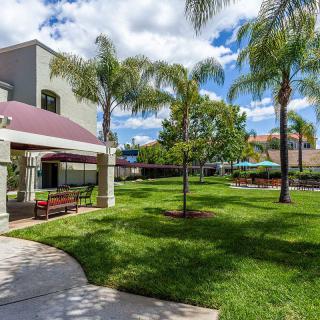
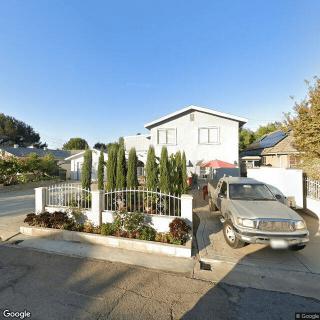
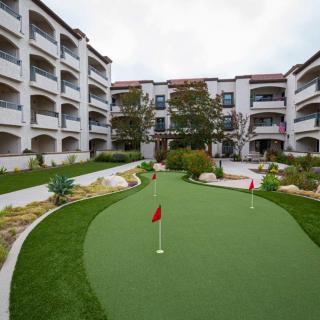
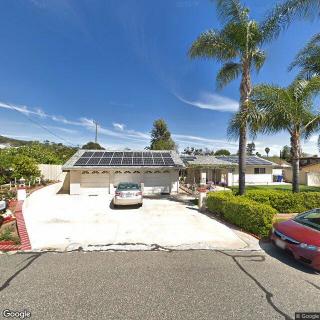
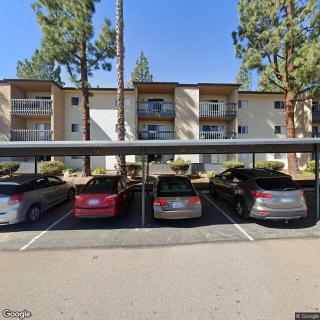
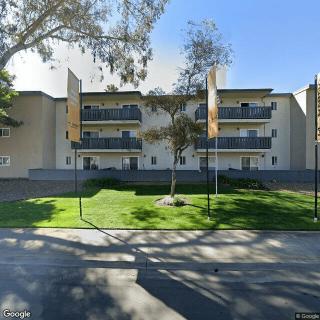
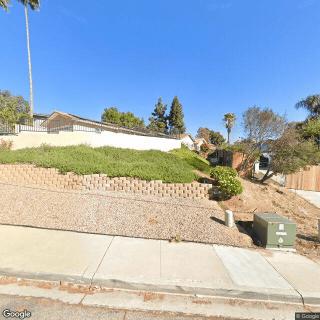
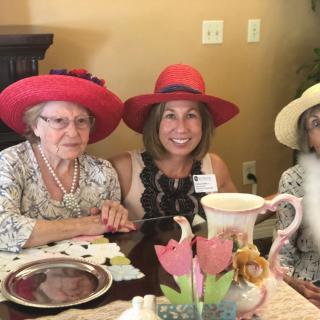
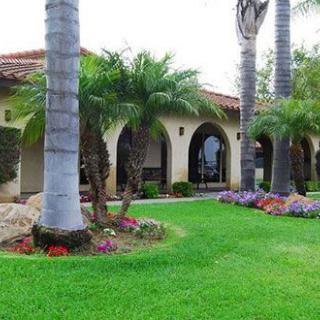
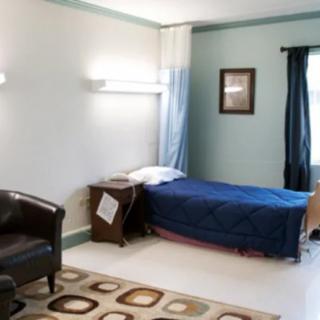
Las Villas Del Norte on seniors.fyi includes 90 photos including images showing interior, decor, palm trees, landscaping, bedroom, dining, living room, building, and more.
Nearby Communities
Gardens at Escondido
Escondido, CA
4.5 from 95 reviews
$2,900 to $3,300 / month
Warm, attentive staff; clean facilities; engaging activities and affordable pricing.
Cypress Court
Escondido, CA
4.9 from 64 reviews
$2,900 to $4,400 / month
Resort-like senior community with friendly staff, engaging activities, and convenient all-in-one living.
Terrace Gardens
Escondido, CA
4.1 from 85 reviews
$810 to $1,025 / month
Helpful staff and pleasant first impression with solid on-site amenities (library, gym, pool).
Morning View Terrace
Escondido, CA
3.7 from 6 reviews
$750 to $1,050 / month
Responsive management and maintenance with prompt issue resolution.
Avocado Creek
Escondido, CA
4.7 from 20 reviews
$4,000 to $5,000 / month
Caring, attentive staff in a clean, home-like setting with homemade meals.
Silverado Senior Living - Escondido
Escondido, CA
4.5 from 95 reviews
$7,650 to $10,500 / month
Compassionate, attentive staff with strong memory-care expertise and engaging activities.
Silverado Escondido
Escondido, CA
4.6 from 65 reviews
Caring, personalized dementia care in a clean, welcoming setting with good dining.
Escondido Post Acute Rehab
Escondido, CA
3.6 from 71 reviews
Dedicated staff in parts of the facility; clean rooms and good dining.
Felicita Vida
Escondido, CA
4.4 from 68 reviews
Luxurious, well-maintained campus with robust activities and memory-care focus.
VA nursing homes, or Community Living Centers (CLCs), offer tailored long-term care for veterans, featuring medical attention and rehabilitation in a supportive environment. The guide covers facility types, eligibility criteria, financial assistance options, quality of care standards, and alternatives to full-time nursing home placement.
At-home dementia care expenses vary widely based on care levels, location, and caregiver expertise, with monthly costs for home health aides exceeding $4,500 and specialized care potentially surpassing $100,000 annually. While families favor in-home care for its comfort and personalized attention, they must consider financial planning and the challenges of caregiver fatigue.
The article discusses the late stages of dementia, detailing the progression from mild to severe impairment and highlighting key characteristics such as profound cognitive decline and dependency in daily activities. It emphasizes care strategies focused on comfort and dignity, the importance of advance directives, and the emotional support needed for family caregivers facing this challenging journey.
Get PricingAsk A QuestionSchedule A TourContact Senior Advisor
By clicking submit, you agree to our Partner's Terms of Use. You
also consent to receive calls and texts, which may be autodialed, from our Partner. Your consent is not a condition to
using our Partner's service. Please visit our Partner's Privacy Policy for information about their privacy practices.





 236 resident community capacity
 1-bedroom apartments
 Assisted Living
 Independent Living
 Memory Care
 Cats allowed
 Dogs allowed
 Activities off-site
 Air-conditioning
 Beautician on-site
 Cable or satellite TV
 Cafe
Cafe Computer center
 Devotional services off-site
 Dining room
 Fitness room
 Fully furnished
 Gaming room
 Garden
 Ground floor units
 Handicap accessible
 Housekeeping services
 Indoor common areas
 Kitchenette
 Laundry
 Located close to restaurants
 Located close to shopping centers
 Move-in coordination
 Outdoor common areas
 Outdoor patio
 Party space
 Private bathrooms
 Resident parking
 Respite or short term stays offered
 Restaurant-style dining
 Small library
 Spa
Spa Swimming pool
 Telephone
 VA Benefits Consultation
 Wheelchair accessible showers
 Wi-Fi/high-speed internet available
 MC Clellan-Palomar Airport (11 miles away)
 Community operated transportation
 12-16 hour nursing
 24-hour call system
 Assistance with bathing
 Assistance with dressing
 Assistance with transfers
 Diabetes diet
 Diabetic care
 High acuity care
 Hospice care
 Incontinence care
 Medication management
 Mental wellness program
 Special dietary restrictions
 Transportation arrangement (medical)
 Art classes
 Catholic services
 Concierge services
 Day trips and outings
 Educational speakers / life long learning
 Happy hour
 Karaoke
 Live musical performances
 Wine tasting
 English
 Warm, attentive staff; clean facilities; engaging activities and affordable pricing.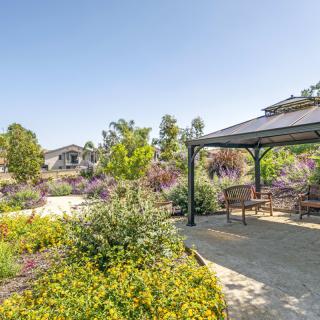

 Comprehensive Guide to VA Nursing Homes: A Crucial Long-Term Care Resource for Veterans
 Estimating the Expenses of At-Home Dementia Care: A Detailed Exploration
 Comprehensive Insights on the Late Stages of Dementia: What to Expect and How to Provide Care