
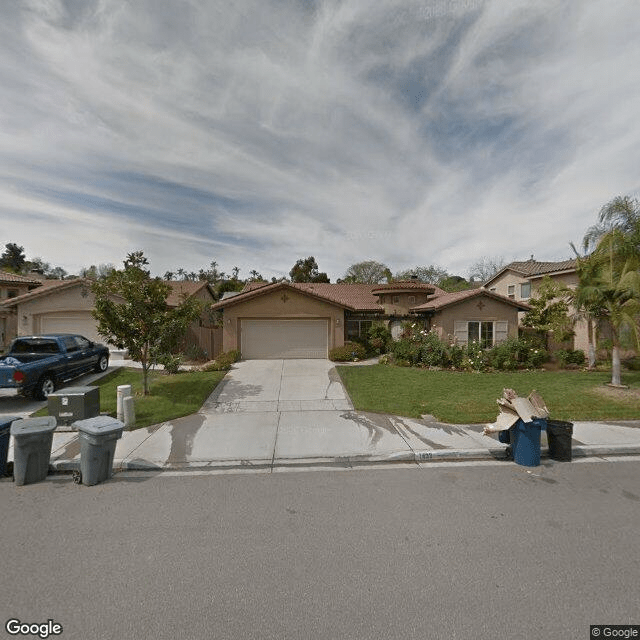
1433 Ferrara Court, Escondido, CA 92025
For more information about senior living options: (866) 208-4318
Elite Manor Residential Care Costs & Pricing
At Elite Manor Residential Care, the monthly costs for accommodation are competitive when compared to the broader market in both San Diego County and California as a whole. The facility offers semi-private rooms at a rate of $3,000, which is notably lower than the county average of $3,518 and also less than the state average of $3,333. For those seeking more privacy, private rooms are available at $4,000 per month, aligning directly with the county's average but significantly higher than similar offerings across California. Overall, Elite Manor provides appealing pricing for residents looking for quality care while still being mindful of their budgetary considerations.
| Floor plans | Elite Manor Residential Care | San Diego County | California |
|---|---|---|---|
| Semi-Private | $3,000 | $3,518 | $3,333 |
| Private | $4,000 | $3,939 | $3,939 |
Memory care communities with a similar price nearby
-
from +$200 / mo
Wellspring Assisted Living
$3,200 to $4,000 / month21.8 miles away -
from +$500 / mo
Ramona Senior Lodge Assisted Living
$3,500 to $5,500 / month11.6 miles away -
from -$500 / mo
Golden Retreat - Senior Residential Care
$2,500 to $3,000 / month10.5 miles away -
from +$250 / mo
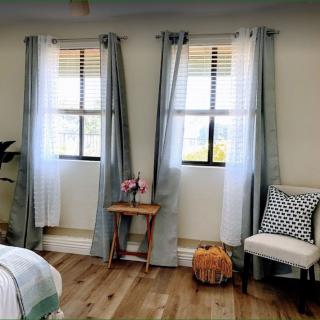
Mountain View Manor
$3,250 / month13.4 miles away -
from +$200 / mo
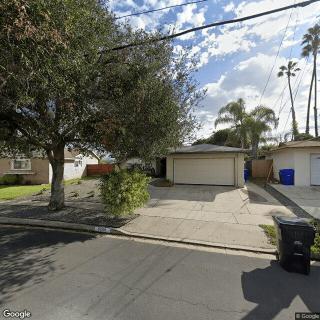
Baron's Residential Care Inc. - Lodi Gardens
$3,200 to $4,000 / month19.3 miles away
Overall Review of Elite Manor Residential Care
Pros
 The staff are described as very kind and attentive.
- Elite Manor is described as the absolute best place for similar care.
- The caregivers are excellent and very supportive.
- The Lee Family and their staff are incredibly caring and feel like extended family to residents.
- The home is spotless, clean, and comfortable.
- Residents are treated with warmth, respect, and personalized care.
- The setting feels like home rather than a facility.
Cons
 The manager is tactless, unserious, and disrespectful.
- The manager hung up on the caller at the start of the conversation.
- The reviewer doubts the attentiveness of the management and fears how other employees are treated.
- The facility feels like a business and lacks a comforting aura.
- There was only a private room available, disappointing those seeking a shared room for their loved one.
Review
Elite Manor Residential Care in Escondido is best suited for families seeking a small, deeply personal setting where memory care and end-of-life care are the focal point, delivered with clear warmth and hands-on attention. It excels when residents require individualized routines, constant staff presence, and a home-like atmosphere that treats daily care as a partnership with family. Those facing advanced dementia, hospice involvement, or long-term supportive needs will find a level of attentive care and relational continuity that is hard to match in larger, more impersonal facilities. It is not the right fit for budget-conscious families or anyone seeking a large, highly standardized operation with abundant vacancy and a more clinical vibe.
The strongest, repeatedly affirmed pro is the staff’s genuine kindness and reliability. Families describe caregivers as patient, respectful, and genuinely affectionate toward residents, continuity that helps residents feel secure even as health needs evolve. The environment is consistently characterized as spotless and well maintained, with clean rooms and a homey feel that reinforces comfort for residents and reassurance for families. The Lee family’s leadership is a recurring theme, with testimonials highlighting deep personal investment, flexible scheduling around family needs, and proactive engagement with medical teams and hospice when required. In practice, this combination often translates into warmth that families felt was truly “like home.”
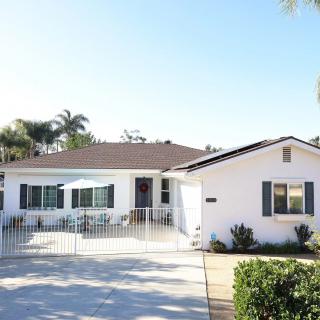
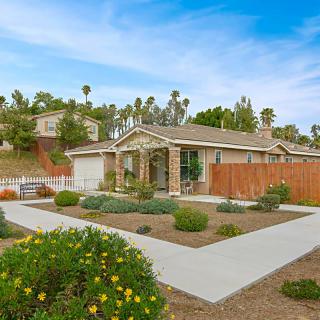
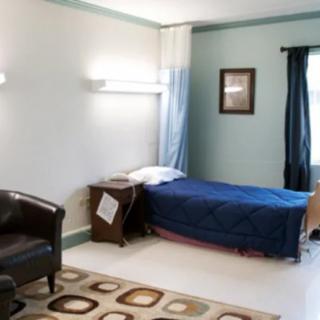
Careful, individualized care is another core strength. Residents frequently receive tailored attention, dietary preferences, mood-supportive activities, and timely responses to changing care needs, alongside a structure that families can rely on for daily routines. The setting supports meaningful engagement, quiet privacy in a well-organized home, and a perceived partnership with extended family and friends. The facility presents as aesthetically appealing, wood floors, granite counters, thoughtful communal spaces, and a safe, navigable layout, elements that enhance daily living and reduce stress for both residents and visiting family members.
Yet certain cons temper the otherwise strong portrait. A notable concern is the management dynamic in some family perceptions, including perceived bluntness or insensitivity in initial communications, which can color first impressions and ongoing satisfaction. Capacity constraints emerge as a practical hurdle: front-desk scripts often note limited rooms, with private accommodations sometimes the only option, leaving families who prefer shared living situations without viable choices. Price is another factor; while many families view the care as well worth the cost, the premium position means it may be out of reach for some budgets, particularly when vacancy windows close quickly.
Despite these caveats, the pros reliably offset the cons for families prioritizing intimate, high-touch care. The care model’s strength lies in its relational depth: staff become trusted partners, care plans feel personalized, and the home environment reinforces dignity and comfort during challenging health journeys. For families navigating memory care or hospice scenarios, Elite Manor’s responsiveness to physician directives, willingness to accommodate special requests, and emphasis on a nurturing atmosphere frequently yield outcomes that justify the investment. The tight-knit setting also means families remain actively engaged, with the staff facilitating communication and involvement rather than presenting care as a monolithic service.
Decision-makers should steer toward Elite Manor if the goal is a compassionate, family-centered residence where memory-support and end-of-life needs are prioritized, and where a strong, relationship-driven team sustains daily life. Alternatives may be worth exploring for those who must secure a spot immediately, require lower-cost options, or favor a larger, more impersonal campus with greater vacancy certainty. Prospective residents with flexible timelines and the means to invest in premium care will likely find Elite Manor’s value proposition compelling, particularly when a sense of “home” and highly attentive caregiving are non-negotiable. For families considering a tour, prepare to assess current room availability, inquire about specific memory-care capabilities, and speak with staff and visiting families to gauge whether the balance of warmth, transparency, and capacity aligns with the resident’s needs.
 6 resident community capacity
 Assisted Living
 Board and Care Home
 Memory Care
 Activities off-site
 Bath tubs
 Beautician on-site
 Cable or satellite TV
 Devotional services off-site
 Dining room
 Fully furnished
 Garden
 Housekeeping services
 Indoor common areas
 Move-in coordination
 Outdoor common areas
 Private
 Private bathrooms
 Respite or short term stays offered
 Telephone
 Wheelchair accessible showers
 Wi-Fi/high-speed internet available
 MC Clellan-Palomar Airport (11 miles away)
 24-hour supervision
 Ambulatory care
 Assistance with bathing
 Assistance with dressing
 Assistance with transfers
 Diabetes diet
 Incontinence care
 Meal preparation and service
 Medication management
 Special dietary restrictions
 Transportation arrangement (medical)
 Transportation to doctors appointments
 Buddhist services
 Christian services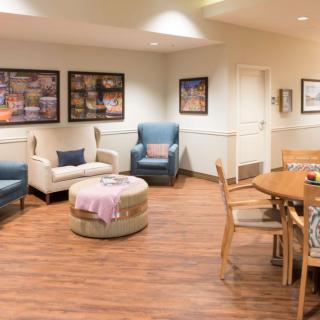


 Dementia-Related Hallucinations: Causes, Experiences, and Practical Approaches
 Illuminating Insights About Alzheimer's Disease: Ten Crucial Realities
 A Thorough Discussion of Medications Potentially Linked to Dementia Risk