
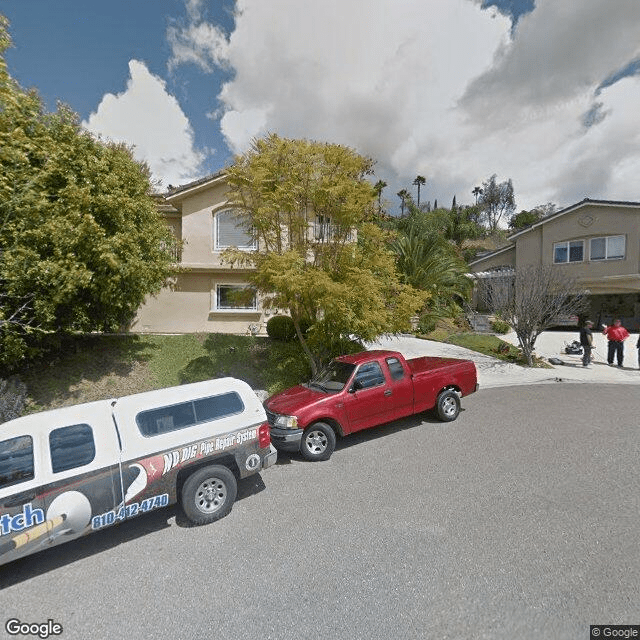
2100 Zachary Glen Lane, Escondido, CA 92027
For more information about senior living options: (866) 208-4318
Eagles Nest Retirement Ranch Costs & Pricing
Eagles Nest Retirement Ranch offers competitive pricing for its residents, with semi-private rooms priced at $3,500 per month, slightly below the San Diego County average of $3,518 and just above the California statewide average of $3,333. In contrast, their private rooms are available for $4,500 per month, which is notably higher than both the San Diego County and California averages of $3,939. This pricing structure suggests that while Eagles Nest provides an appealing value for semi-private accommodations within a regional context, potential residents should consider the premium associated with private room options when evaluating overall affordability and care quality in this vibrant retirement community.
| Floor plans | Eagles Nest Retirement Ranch | San Diego County | California |
|---|---|---|---|
| Semi-Private | $3,500 | $3,518 | $3,333 |
| Private | $4,500 | $3,939 | $3,939 |
Assisted Living communities with a similar price nearby
-
About the same

Ramona Senior Lodge Assisted Living
$3,500 to $5,500 / month13.1 miles away -
from -$250 / mo

Mountain View Manor
$3,250 / month11.9 miles away -
from -$500 / mo
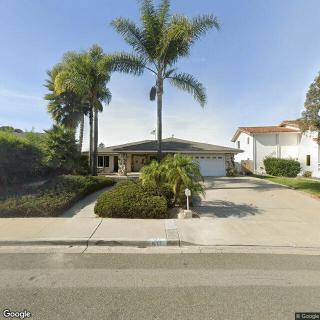
North La Costa Assisted Living
$3,000 / month11.9 miles away -
from -$500 / mo
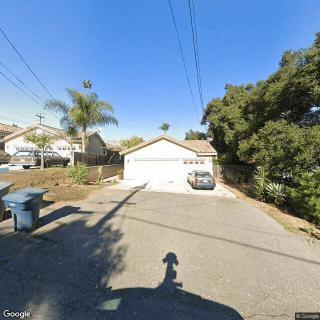
White Orchid Guest Home
$3,000 to $3,500 / month3.4 miles away -
from +$500 / mo
Blue Skies of Oceanside
$4,000 to $5,000 / month16.2 miles away
Overall Review of Eagles Nest Retirement Ranch
Pros
 Eagles Nest offers care that feels like a wonderful home, with meals prepared fresh and a welcoming atmosphere.
- The staff consistently treats residents as important and goes above and beyond with personal touches, such as painting nails and applying lipstick.
- Residents enjoy time outdoors on porches, take in views and wildlife, and engage in crafts like painting birdhouses.
- Hospice care is accommodated in the final months, ensuring comfort and support.
- The facility is clean, well-organized, and described as beautiful and well taken care of.
- Maria and her care team are highly attentive and hands-on, earning high praise for elderly care.
Review
Eagles Nest Retirement Ranch is best suited for families seeking a warm, home-like setting where seniors receive highly personalized, hands-on care from a small, closely connected team led by Maria. This community shines for residents who benefit from one-on-one attention, daily interaction with attentive staff, and a living environment that emphasizes porch time, natural light, and meaningful, home-style routines. It is especially appealing to families who value consistency, long-tenured caregiving relationships, and activities that feel restorative rather than institutional. For seniors who thrive on intimate surroundings, social engagement, and a sense of “being cared for” rather than merely being housed, this is a standout option in Escondido.
Those who may want to consider alternatives are families prioritizing extensive medical supervision, highly structured clinical programming, or a larger campus with a broad array of on-site amenities. If 24/7 nursing with a wide spectrum of specialized services, robust rehab programs, or highly regimented daily schedules are non-negotiable, a bigger or more clinically oriented community could be a more dependable fit. Pricing transparency and predictability, or a setting with a more formalized corporate operating model, can also be decisive factors for some buyers. In short, this is not the choice for those seeking a large, impersonal campus or an ultra-intensive medical environment.
The strongest positives center on personal attention and a home atmosphere that supports well-being. Residents are treated as individuals, with staff who go above and beyond to acknowledge small preferences, former residents noted nail care, lipstick touches, and other thoughtful details that communicate real regard. Fresh, home-style meals reinforce a domestic feel, while abundant porch time and outdoor view experiences, watching birds, engaging in crafts, and simple, enjoyable activities, help residents stay connected to the world outside the walls. The atmosphere during events, such as holiday gatherings, tends toward warmth and communal care, underscoring a culture of respect and belonging. Hospice care is described as integrated when needed, reflecting a capacity to adapt to changing care needs without fragmenting the resident’s routine.
Even with a few lower-rated voices in the mix, the core draw remains unchanged: a hands-on leadership style and deeply attentive staff who can tailor care to individual expectations. The owner’s active involvement and the consistency of caregiving over time translate into meaningful continuity for families during difficult life stages. The environment is consistently clean, organized, and welcoming, with a sense that care decisions are guided by relationships rather than by rote protocol. For families weighing comfort, dignity, and a sense of home against the desire for clinical “parity,” these factors carry substantial weight. The ability to adjust to evolving needs without upheaval is a notable offset to the downsides typical of smaller operations.
The potential drawbacks hinge on the same intimate footprint that delivers the benefits. A smaller operation can mean fewer specialized services on-site, and staff availability may hinge on the day-to-day scheduling of a close-knit team. While this model often yields exceptional responsiveness, it may not suit every resident who requires complex medical oversight or rapid access to a broad spectrum of therapies. Families should verify the specifics of what is included in pricing, how respite or short-term care is handled, and whether any gaps in service could emerge as needs evolve. These are practical considerations that determine long-term suitability for particular health trajectories.
In practice, Eagles Nest Retirement Ranch delivers a compelling value for families prioritizing connection, dignity, and a true home feel. The offset between intimate care and the potential limits of a smaller repertoire of services favors residents who value relationship-based caregiving and flexible, person-centered routines. Prospective movers should schedule a firsthand visit to observe staff interactions, sample meals, and gauge how routines align with current needs. Engage with Maria directly about care plans, hospice integration, and how the team adapts to changing conditions. For households where emotional warmth, consistent attention, and a genteel living environment trump the bells and whistles of larger communities, Eagles Nest stands out as a thoughtful, well-grounded choice.
 6 resident community capacity
 Assisted Living
 Board and Care Home
 Respite Care
 Cable or satellite TV
 Dining room
 Fully furnished
 Garden
 Housekeeping services
 Move-in coordination
 Outdoor space
 Private
 Telephone
 Wheelchair accessible showers
 Wi-Fi/high-speed internet available
 MC Clellan-Palomar Airport (13 miles away)
 24-hour supervision
 Activities of daily living assistance
 Assistance with bathing
 Assistance with dressing
 Assistance with transfers
 Diabetes diet
 Diabetic care
 High acuity care
 Incontinence care
 Meal preparation and service
 Medication management
 Special dietary restrictions
 Transportation arrangement (medical)
 Transportation to doctors appointments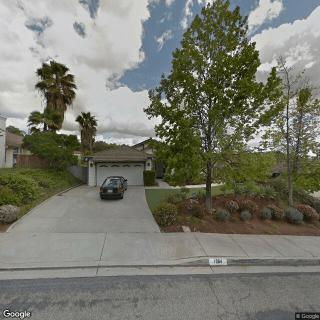





 Vibrant Senior Living: A Comprehensive Guide for Active Older Adults
 When to Transition from Assisted Living to Memory Care: Key Indicators, Steps, and Finding the Right Community
 Assisted Living and Memory Care: Understanding Their Core Differences