
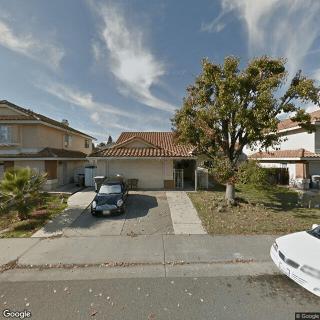
5231 Olivehurst Way, Elk Grove, CA 95758
For more information about senior living options: (866) 208-4318
Overall Review of St. Christopher Manor II
Pros
 Carlton Senior Living is a beautiful community with wonderful staff and service.
- The care provided to residents is consistently impressive, with staff who truly care about them.
- The community offers a wide range of engaging activities, including field trips, crafts, movie nights, and cooking demonstrations.
- The meals are great, with on-site dining that residents enjoy.
- Caregivers are dedicated and often go the extra mile to support residents and their families.
- On-site catering is excellent, with generous portions and attractive presentation.
- The facility is clean and well maintained, with professional housekeeping and maintenance staff.
- Families note that the staff are cheerful, attentive, and responsive to residents’ needs.
Cons
 The facility is beautiful on the outside, but the service for residents is terrible.
- The workers are paid very little for the hard work required.
- Some staff were let go for being honest.
- The monthly cost is about $3,000–$10,000.
- The author feels bad for the residents in memory care.
- The food is not good.
Review
This Elk Grove community is best suited for seniors who want a polished, socially vibrant environment with established memory-care support and a staff-driven culture. It appeals to residents who embrace regular group outings, crafts, movie nights, cooking demonstrations, and a dining program that locals describe as high quality. The campus atmosphere feels well maintained, with clean rooms and common areas, and there is a evident emphasis on caregivers knowing residents by name and anticipating needs. For families planning for the long arc of aging, initial independence that can progress to memory care, the option offers a familiar, structured routine and clear attention to health and safety.
Those who may want to consider alternatives include families operating under tighter budgets, since the price point is a major consideration. Some relatives prefer a more home-like, quieter setting with fewer structured activities or a lighter programming load. While the staff are repeatedly praised for caring, there are anecdotes about occasional delays in assistance and questions about turnover or pay; for residents with the highest need for immediate transfers or one-to-one support, this can translate into gaps in responsiveness that matter in daily living.
The strengths are tangible and meaningful. The care team’s dedication and visible engagement with residents stand out, driving consistently warm interactions and a sense that needs are addressed with care and immediacy. A robust activity calendar and opportunities for meaningful engagement, field trips, crafts, events, help residents stay socially connected and mentally stimulated. The availability of memory-care services on site, with around-the-clock health monitoring, directly supports families seeking continuity of care without disrupting familiar routines. The meals are frequently highlighted as a standout, contributing to overall satisfaction, and the environment remains clean, up-to-date, and inviting.
On the flip side, the primary drawbacks center on cost and variability in day-to-day experiences. The price tag can be prohibitive for some families, which makes it essential to weigh value against financial realities and long-term needs. Dining quality, while praised in many reviews, is not universally consistent, with occasional critiques that cannot be ignored during a full family evaluation. Reports of staffing constraints that slow responses to transfer requests and concerns about morale tied to pay or turnover also surface, reminding potential residents to scrutinize staffing stability and transfer protocols before committing.
Yet these pros tend to offset the cons when priorities align. For families valuing comprehensive memory-care readiness, lively programming, dependable monitoring, and a warm, safe environment, the benefits translate into meaningful peace of mind. The ability to grow within the same community, from independent living to memory care, offers a smoother transition path, preserving familiar routines and reducing the stress of relocating as needs evolve. The depth of staff engagement and the sense of community can soften the impact of higher costs by delivering consistent quality, safety, and social connection that families cannot easily replace elsewhere.
Prospective residents should approach evaluations with a disciplined checklist: tour with questions about staffing levels and turnover, request a detailed activity calendar, sample menus, and obtain pricing clarity, including what is bundled versus optional. Inquire about the resident-to-staff ratio, the exact process for transfers between levels of care, and how care plans are updated as needs shift. Review recent state licensing or inspection reports and seek references from other families to confirm consistency of experience. If memory care, social programming, and a reassuring safety net are the top priorities, this Elk Grove option stands out as a solid, confident choice. If budget constraints or a preference for a quieter, less program-driven setting dominate, it is prudent to explore alternatives to avoid compromising essential comfort and safety.
 6 resident community capacity
 Assisted Living
 Cable or satellite TV
 Dining room
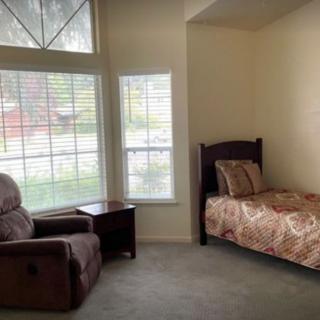
 Fully furnished
 Garden
 Housekeeping services
 Move-in coordination
 Outdoor space
 Telephone
 Wi-Fi/high-speed internet available
 Sacramento International (20 miles away)
 24-hour supervision
 Activities of daily living assistance
 Assistance with bathing
 Assistance with dressing
 Assistance with transfers
 Diabetes diet
 Meal preparation and service
 Medication management
 Special dietary restrictions
 Transportation arrangement (medical)
 Transportation to doctors appointments

 Exploring the Contrasts Between Assisted Living and Skilled Nursing
 8 Key Indicators That Suggest It May Be Time to Transition from Assisted Living to Skilled Nursing Care
 Vibrant Senior Living: A Comprehensive Guide for Active Older Adults