
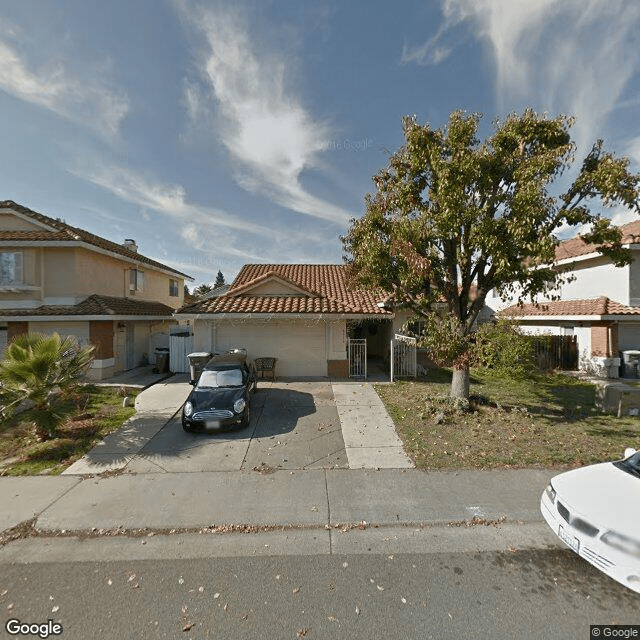
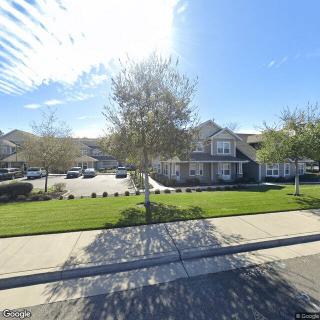
8956 Warmsprings St, Elk Grove, CA 95758
To contact a resident: (916) 428-6840
For more information about senior living options: (866) 208-4318
Overall Review of Shanti Residential Care Home
Pros
 The staff at Comforts of Home, including Maria and David, always took the best care of her mom.
- The facility provided a caring place for her final years.
- The caregivers were clearly concerned about her needs, and the house on Treasure Way was always clean and neat.
- Maria and David were quick to remedy any problems that arose.
- The care and attention to detail given to each client is amazing.
- They provided spot-on recommendations to improve her comfort and kept her informed about options with her doctor.
- They held the cup to keep her hydrated when she could not, and some care workers prayed with her at night, which she loved.
Review
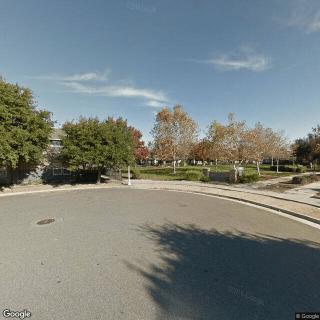
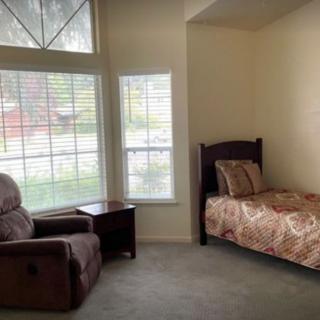
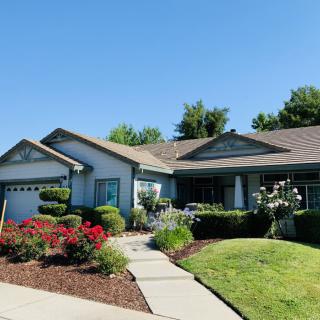
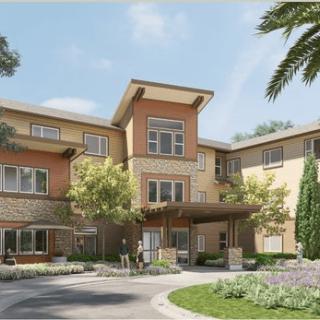
Shanti Residential Care Home in Elk Grove is best suited for families seeking an intimate, home-like setting where a small caregiving team provides deeply personalized, relationship-driven support. The accounts behind this community describe a tightly knit environment in which caregivers know residents well, respond quickly to needs, and partner with families to preserve dignity and quality of life even as dementia progresses. It is the kind of place where the daily routine feels predictable and comforting, and where staff turnover is low enough that residents and families form genuine bonds with the people delivering care.
Those considering alternatives should weigh options that offer more extensive medical staffing, larger social calendars, or memory-care programs designed around a bigger campus. If 24/7 skilled nursing, on-site physicians, or a broader array of specialized therapies are non-negotiable, a larger facility with formal medical departments may serve better. Families who want more structured activities, transportation networks, or a wider community for social engagement might find a bigger community a better fit. Shanti’s strength lies in personal attention, not in the scale or breadth of services.
The standout advantages center on staff dedication and proactive communication. Reviews repeatedly highlight caregivers who anticipate needs, monitor comfort, and provide practical guidance to families about medical options and daily decisions. This is not a setting that waits to be asked; it is proactive, with staff offering recommendations that can improve comfort and safety. The ability to address hydration, mobility challenges, and other daily health tasks with hands-on care, coupled with a practice of sharing updates and involving families in care planning, creates a level of trust that is rare in larger, impersonal facilities.
Another major strength is the sense of continuity and family-like culture. Caregivers are described as thoughtful, compassionate, and capable of delivering both practical care and spiritual support when wanted. The small, home-style environment supports a predictable daily rhythm, which many residents with dementia or end-of-life trajectories benefit from. Nutritious meals, fresh produce, and simple, comforting activities contribute to a high degree of comfort and dignity. Even when medical complexity is present, the emphasis remains on individualized, respectful care that honors personal preferences and rituals.
The main tradeoffs are intrinsic to the small-care-home model. A limited number of beds often means fewer on-site medical resources, fewer formal therapy programs, and a leaner activity calendar compared to larger communities. Families may find themselves coordinating some aspects of care more actively, and residents may benefit more from consistent routines than from a broad menu of social outings. These tradeoffs are largely offset by the strong relational care, the ability to quickly tailor daily life to evolving needs, and the reassurance that staff are culturally aligned with the resident’s values and preferences.
In decision terms, Shanti should be strongly considered by families prioritizing intimate attention, steady caregiver relationships, and a home-like atmosphere where staff know residents as individuals. It shines when dementia care and end-of-life considerations are present, thanks to a framework that emphasizes comfort, spiritual support if desired, and ongoing family involvement. For seniors needing robust medical staffing, expansive activity programming, or immediate access to a wide network of specialists, however, alternatives with larger footprints may deliver more comprehensive medical and social infrastructures. The right choice hinges on balancing the value placed on personal connection and daily comfort against the desire for scale and formal medical resources.
 Sacramento International (20 miles away)
 Fecal Incontinence in Older Adults: A Comprehensive Guide
 Recognizing the Journey: Understanding and Navigating Anticipatory Grief
 Encouraging Participation in Adult Day Care: A Guide to Supporting a Hesitant Parent