
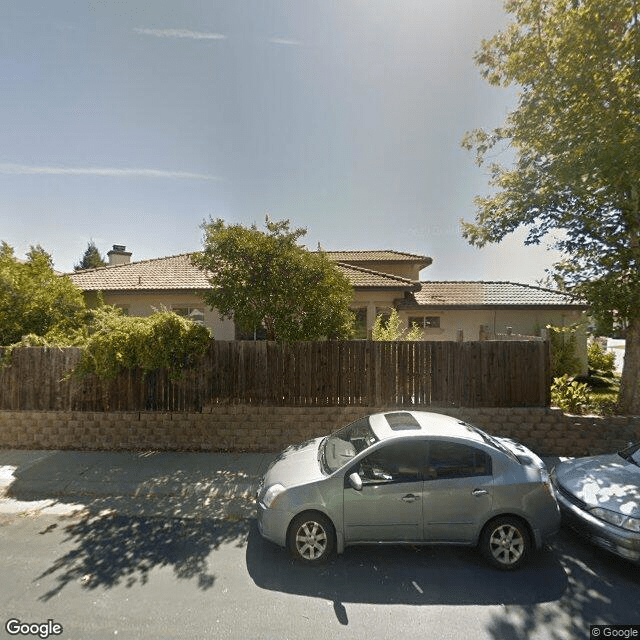
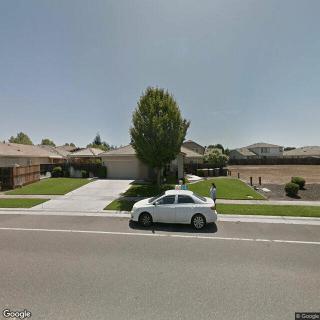
10051 Shana Way, Elk Grove, CA 95757
For more information about senior living options: (866) 208-4318
New Horizon Board And Care II Costs & Pricing
New Horizon Board and Care II offers a range of accommodation options that reflect competitive pricing in the context of Sacramento County and statewide averages. For semi-private rooms, residents will find a monthly rate of $3,500, which is higher than the county average of $3,106 but slightly lower than the California state average of $3,333. The private rooms at New Horizon are priced at $4,000 per month, placing them above both Sacramento County's rate of $3,686 and the state's average of $3,939. For those seeking more spacious living arrangements, the one-bedroom option is set at $5,500 per month - a figure that notably exceeds both local and state averages of $3,758 and $4,340 respectively. This pricing structure illustrates New Horizon Board and Care II's positioning within the market; while some costs may be higher than nearby alternatives, they reflect a commitment to quality care and personalized services for residents.
| Floor plans | New Horizon Board And Care II | Sacramento County | California |
|---|---|---|---|
| Semi-Private | $3,500 | $3,106 | $3,333 |
| Private | $4,000 | $3,686 | $3,939 |
| 1 Bedroom | $5,500 | $3,758 | $4,340 |
Memory care communities with a similar price nearby
-
from +$500 / mo
Sungarden Villa II
$4,000 / month23.0 miles away -
from -$500 / mo
Love & Care for Elder
$3,000 to $4,500 / month22.8 miles away -
from +$500 / mo

Ashley Villa
$4,000 / month18.4 miles away -
from +$500 / mo
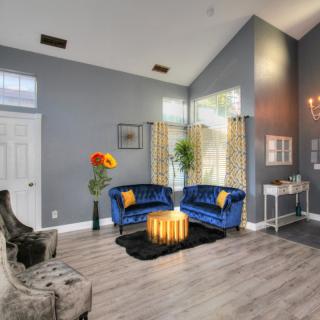
A Bright Future
$4,000 / month23.3 miles away -
from +$605 / mo
The Commons On Thornton
$4,105 to $7,000 / month23.8 miles away
Overall Review of New Horizon Board And Care II
Pros
 The caregivers and hospice team kept the family updated on her status.
- She was well fed and did not develop bedsores or skin breakdown.
- She was treated with love and respect by the caregivers.
- On her last day, the staff made every effort to contact the family promptly.
- The staff were attentive and treated residents as part of a caring family.
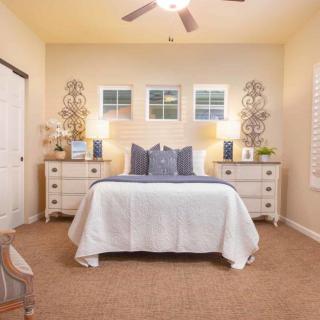
- The home was clean and well maintained, providing a comfortable environment.
- Hospice details were handled smoothly, easing the process for the family.
Cons
 The facility was not professional.
Review
New Horizon Board and Care II in Elk Grove is best suited for families seeking a warm, home-like environment where care comes from a tightly knit, hands-on team. It excels for seniors who need constant attention due to advanced age, dementia, or limited mobility and for families that want real-time communication and involvement from caregivers who feel more like an extended family than an institution. This is not a setting built on impersonal routines or large-scale programming; it is a small, intimate home where staff know residents well and respond with familiarity and pace that matches individual needs. Those prioritizing a clinical, high-traffic facility with formal programming may want to compare bigger operations.
The strongest draw here is the exceptional, personal caregiving. Families report caregivers who provide sustained, compassionate attention, with residents fed well, monitored for skin integrity, and treated with respect and warmth. A resident who was bed- or chair-bound and living with dementia benefited from attentive daily care, and family members consistently highlight the staff’s willingness to stay engaged, communicate regularly, and coordinate with hospice teams. The care team’s ability to keep families informed, despite distance or time differences, translates into real peace of mind for those who cannot supervise in person. Cleanliness and nutrition likewise emerge as reliable strengths that support comfort and dignity for residents.
Hospice involvement is presented as a seamless, value-added component. When end-of-life care becomes part of the journey, this community appears to manage the details thoughtfully, taking stress off families at a difficult time. The impressions shared by relatives suggest that hospice coordination was integrated smoothly, with staff guiding families through practical matters while preserving the resident’s dignity and comfort. The residents’ appearance and upkeep remained a priority, reinforcing the sense that the home treats these moments with humility and care rather than mere routine.
A defining asset is the family-centered culture. The owners and their extended family are described as creating an atmosphere where residents and their families feel included and valued as part of a larger family network. Stories speak of caregivers and leadership grieving with families, pivoting to meet emotional and practical needs, and maintaining a consistent, compassionate presence. This environment fosters trust and reduces the isolation commonly felt by families negotiating long-term care decisions. In short, the emotional climate reinforces physical care, making the home feel like a secure place to live out the final chapters with dignity.
However, one review raises a caution flag: “not professional.” That single critique cannot be ignored, even as it stands alongside overwhelmingly positive experiences. It signals the possibility of occasional inconsistencies in professionalism or administrative handling that could affect expectations if not addressed. To manage this risk, prospective families should probe upfront about staffing credentials, response times, and how care plans are documented and shared. If a commitment to consistent, professional operations accompanies the warm, family-driven care, the overall package remains compelling; if not, alternatives with more formal oversight may deserve consideration.
Ultimately, New Horizon Board and Care II offers a remarkably reassuring option for families seeking intimate, high-touch care at the end of life or for residents with dementia and mobility challenges. The combination of attentive caregiving, clean and comfortable surroundings, and a genuine sense of family ownership creates a sanctuary-like setting where residents are treated with respect and affection. The potential drawback, professionalism concerns highlighted by one reviewer, should not obscure the clear pattern of devotion and reliability described by other families. For those who prize a home atmosphere and deeply involved staff, this community is a strong, confident recommendation. For families prioritizing larger-scale programming or formal institutional branding, exploring alternatives with broader staff structures may be prudent.
 6 resident community capacity
 Assisted Living
 Board and Care Home
 Memory Care
 Cable or satellite TV
 Dining room
 Fully furnished
 Garden
 Housekeeping services
 Move-in coordination
 Outdoor space
 Private
 Telephone
 Wheelchair accessible showers
 Wi-Fi/high-speed internet available
 Sacramento International (23 miles away)
 24-hour supervision
 Activities of daily living assistance
 Ambulatory care
 Assistance with bathing
 Assistance with dressing
 Assistance with transfers
 Diabetes diet
 Diabetic care
 High acuity care
 Meal preparation and service
 Medication management
 Special dietary restrictions
 Transportation arrangement (medical)
 Transportation to doctors appointments
 BBQs or picnics
 Birthday parties
 Live dance or theater performances
 Live musical performances

 Understanding Medicaid Coverage for Assisted Living: A Comprehensive Guide
 How and When Medicaid May Cover Assisted Living Costs
 A Detailed Exploration of Assisted Living Medicaid Waivers Across the United States