
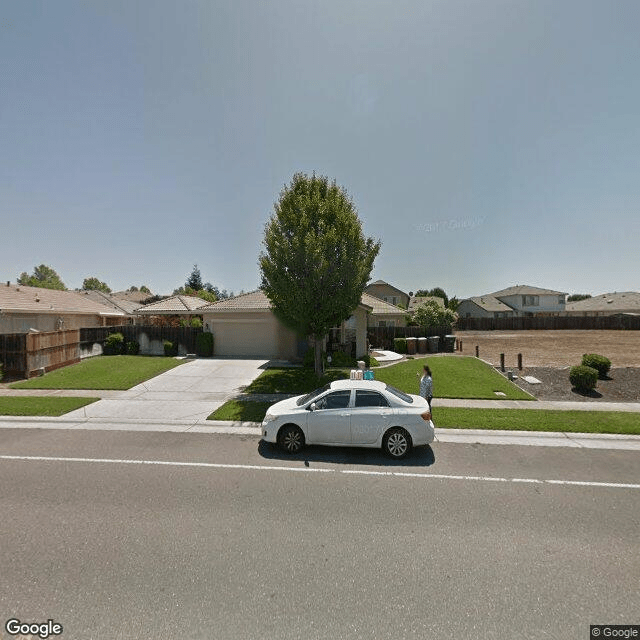
10143 Blossom Ridge Drive, Elk Grove, CA 95624
To contact a resident: (209) 636-4068
For more information about senior living options: (866) 208-4318
Blossom Ridge Care Home Health Hospice - Elk Grove Costs & Pricing
Blossom Ridge Care Home Health Hospice in Elk Grove offers a private room option at a monthly cost of $5,000. This rate is notably higher than the average costs in Sacramento County, which stands at approximately $3,686, and also exceeds the state average for California, recorded at about $3,939. While the pricing may reflect the premium services and personalized care provided by Blossom Ridge, it positions the facility as a more exclusive choice for individuals seeking compassionate hospice care in a comfortable setting. Prospective clients should weigh these costs against the quality of service and amenities available to ensure they find the best fit for their needs.
| Floor plans | Blossom Ridge Care Home Health Hospice - Elk Grove | Sacramento County | California |
|---|---|---|---|
| Private | $5,000 | $3,686 | $3,939 |
Senior living communities with a similar price nearby
-
About the same
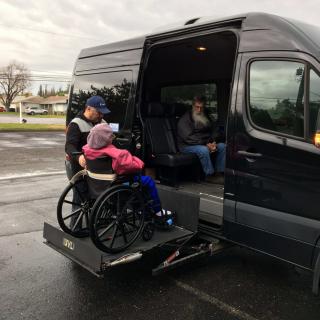
Bethesda Senior Care
$5,000 / month22.8 miles away -
About the same
Friendly Care Home II
$5,000 / month23.7 miles away -
from -$500 / mo
Sunriver Senior Care
$4,500 / month19.1 miles away -
About the same
The Oaks at Garfield
$5,000 / month17.6 miles away -
from -$410 / mo

Immaculate Care Home
$4,590 / month3.4 miles away
Overall Review of Blossom Ridge Care Home Health Hospice - Elk Grove
Pros
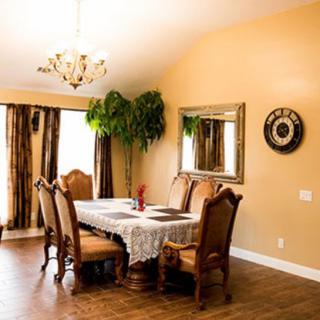
 The home is beautiful, warm, clean, and loving.
- All rooms open to a beautiful lawn and a lovely covered patio, where guests can enjoy the yard.
- Janet's place is beautiful and inviting.
- The staff are very nice, and the rooms offer a sliding glass window opening to the yard area.
- The community is loving, family-like, clean, fun, caring, and engaging—the best place to live.
- Residents, families, caretakers, and the owner feel like an extended family where everyone is welcome.
- Being there is like being home.
Review
Blossom Ridge Care Home Health Hospice in Elk Grove is best suited for families seeking a truly home-like senior residence where care feels like an extended family affair and hospice support is smoothly integrated. This community works well for residents who prioritize warmth, cleanliness, and a sense of belonging over a clinical, impersonal atmosphere. The setting is described as beautiful, warm, and welcoming, with every room opening to a lawn and covered patio that encourages outdoor time without leaving the home. A hospice-friendly orientation complements the intimate, neighborly feel, making the environment feel predictable and reassuring for those navigating end-of-life care with dignity and comfort.
Alternatives should be considered by families needing rapid placement, higher clinical acuity, or a more structured programming schedule. Availability appears tightly constrained, current discussions note no immediate openings, so families facing a time-sensitive move may encounter delays or a search that spans multiple options. For anyone prioritizing robust 24/7 skilled nursing, memory-care specialization, or a broad calendar of organized activities, a larger campus with dedicated wings may deliver more of the clinical or cognitive-support infrastructure some residents require. Cost considerations also matter: the listed rate of about $2,200 for a small private room is meaningful and could push families toward other placements if balance sheets demand tighter margins.
The strongest pros center on atmosphere and relationships. Residents, families, caregivers, and even the owner are described as part of an extended family, producing a warm, low-stress living environment. The home setting emphasizes cleanliness, safety, and personal connection, which translates into daily life that feels manageable and dignified. The architectural detail of doors from each room to the yard and a private, screened patio creates a sense of autonomy paired with easy outdoor access, an appealing blend for residents who cherish privacy yet want to remain connected to nature. The presence of a hospice waiver further strengthens the care model by aligning end-of-life services with the home’s nurturing philosophy.
Yet the model carries inherent limitations. Availability is a tangible constraint that can complicate planning for families in need of immediate placement. The price point for a small private room, while not extravagant by every market standard, represents a real consideration for those weighing ongoing care expenses, especially if additional services or higher levels of medical support are required. The compact, intimate footprint may limit on-site clinical resources and staffing flexibility when medical complexity escalates. In terms of program depth, the reviews provide little detail about memory-care protocols, structured activities, or therapy options, leaving questions about how the home handles higher-acuity needs or chronic conditions beyond general supportive care.
These strengths partly offset the drawbacks because the true value lies in trust, continuity, and resident-centered attention. A setting that feels like home can dramatically reduce stress for residents and families, supporting better emotional well-being and adherence to care plans. The hospice waiver is a practical asset, removing friction in coordinating end-of-life care and potentially easing financial and administrative burdens for families. The owner-driven, family-centric culture can yield faster responsiveness and more personalized adjustments to routines, preferences, and care plans than larger, more impersonal facilities, an arrangement that often yields better comfort and dignity for those who value familiar faces and predictable routines.
For families weighing Blossom Ridge, a disciplined, action-oriented next step is essential. Confirm current availability and obtain a precise, itemized price quote that clarifies what the $2,200 private-room rate includes and what might incur additional charges. Inquire about staffing ratios and whether 24/7 nursing supervision is guaranteed, plus how higher-acuity or memory-care needs would be managed within this intimate setting. Request a thorough tour and ask to review an example week’s activity calendar, meal options, transportation arrangements, and the process for coordinating hospice services with daily care. If the warmth, privacy, and family feel align with the resident’s priorities, arrange visits to observe daily life, meet the caregiving team, and verify that the home truly offers the trust and ease necessary for a dignified end-of-life transition.
 Board and Care Home
 Cats allowed
 Dogs allowed
 Activities off-site
 Bath tubs
 Indoor common areas
 Outdoor common areas
 Private
 Private bathrooms
 Wheelchair accessible showers
 Sacramento International (23 miles away)
 Ambulatory care
 Meals provided




 Understanding the Full Cost of 24/7 In-Home Care: A Detailed Overview
 Exploring the World of Home Health Nurses: Qualifications, Roles, and Hiring Tips
 Navigating Medicare Coverage for In-Home Care Services