
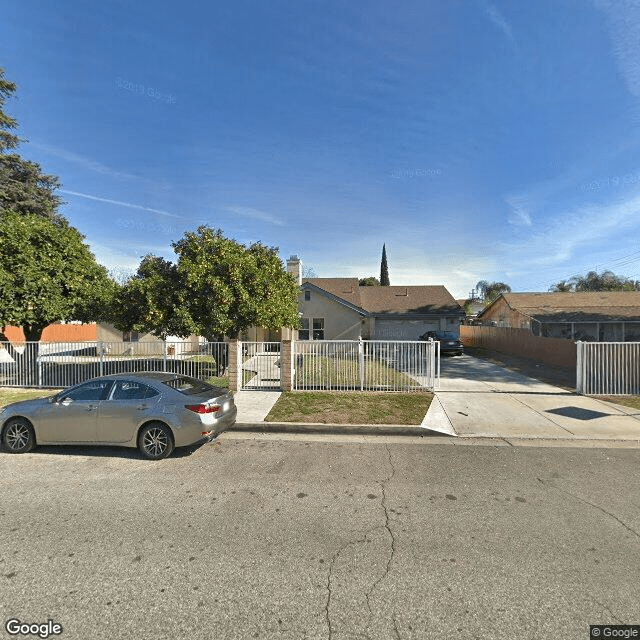
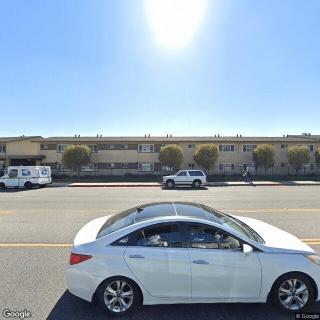
4942 Buffington Road, El Monte, CA 91732
For more information about senior living options: (866) 208-4318
St. Judes Homes For The Elderly III Costs & Pricing
St. Judes Homes For The Elderly III offers competitive pricing for its accommodations, particularly when compared to both Los Angeles County and the broader California market. The cost of a semi-private room at St. Judes is $3,000 per month, which is notably lower than the county average of $3,349 and the state average of $3,333. When it comes to studio apartments, St. Judes charges $4,500 monthly; this places it slightly above the county's average of $4,172 and the state's figure of $4,145. For private rooms, St. Judes' rate of $4,500 again exceeds both the county's average of $4,197 and California's average of $3,939. Overall, while certain room types align with or exceed regional averages, St. Judes remains a value-driven choice for those seeking elder care in an environment that prioritizes comfort and community.
| Floor plans | St. Judes Homes For The Elderly III | Los Angeles County | California |
|---|---|---|---|
| Semi-Private | $3,000 | $3,349 | $3,333 |
| Studio | $4,500 | $4,172 | $4,145 |
| Private | $4,500 | $4,197 | $3,939 |
Memory care communities with a similar price nearby
-
from +$500 / mo
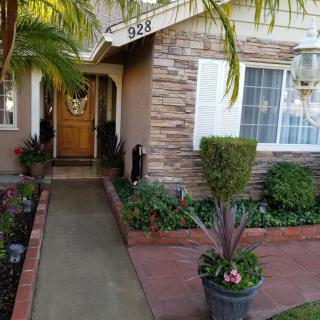
Comfort Keepers Home Care
$3,500 to $6,500 / month12.7 miles away -
from +$500 / mo
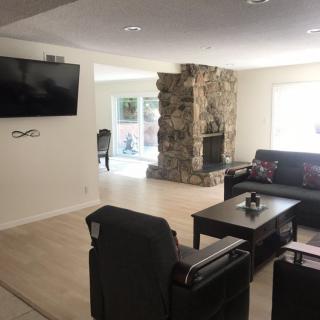
Hollywood Healthy Living
$3,500 to $5,000 / month21.0 miles away -
About the same
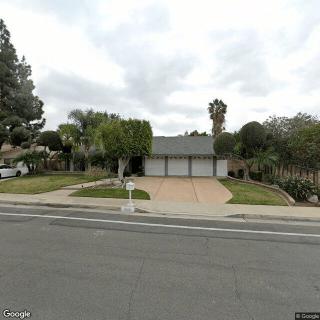
Best Elderly Care I
$3,000 to $3,500 / month22.4 miles away -
from -$500 / mo
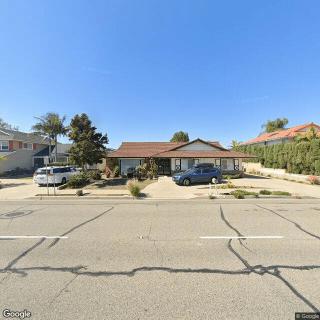
Madison Home Care 2
$2,500 to $2,800 / month24.2 miles away -
from +$500 / mo
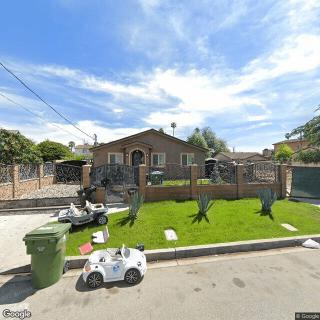
Sweet Home Senior Living #2
$3,500 to $5,000 / month24.7 miles away
Overall Review of St. Judes Homes For The Elderly III
Pros
 The staff are kind and the home is well run.
- The home is very clean and pleasant to be in.
- The residents seem to be happy there.
- The fees are very reasonable compared to assisted living, and the care is more personal.
- The family could not have chosen a more perfect home for Mom.
- She enjoyed her time in the home and greatly appreciated the care she received from the caregivers.
Review
St. Judes Homes For The Elderly III in El Monte is best suited for families seeking an intimate, home-like setting where staff know residents well and care feels personal, almost like a family-managed arrangement rather than a large institutional feel. The accounts from two families describe a well-run operation, a clean and pleasant environment, and residents who appear happy. Even more, the care is framed as personal, with fees noted as very reasonable relative to typical assisted living. For caregivers who value consistency, warmth, and a straightforward, unpretentious living arrangement, this community checks those boxes.
Those weighing alternatives should consider who may not be a fit here. Families facing high medical complexity, needs for extensive on-site memory-care programming, or the desire for a wide-ranging slate of activities and amenities might prefer a larger community with deeper clinical resources. Prospective residents who expect robust 24/7 nursing oversight, a broad activities calendar, or mainstream hospital partnerships may find a smaller home like this less aligned with those expectations. The positive reports nonetheless indicate a strong fit for residents who prioritize a calm, personalized atmosphere over scale and breadth of services.
The strongest pros center on the human touch: staff kindness and accessibility, a clean, pleasant living space, and residents who appear content. This creates daily life that feels stable and affirming, with care that is clearly individualized rather than procedural. The cited reasonableness of fees further strengthens the case for families who are balancing budget with heartfelt, attentive attention to daily needs. The long arc reflected in the mother’s seven-year residence underscores a recurring theme: stability and continuity in caregiving can translate into real peace of mind for families seeking dependable, ongoing support.
Yet the best-case picture rests on the premise of a small, intimate operation rather than a full-service campus. Potential drawbacks, though not highlighted as explicit faults in the available accounts, include a naturally narrower array of activities and fewer on-site medical resources. Prospective residents should verify how care plans are executed day to day, whether licensed nursing staff are on site around the clock, and how medication management is handled. In homes of this size, the depth of clinical support can vary, so aligning expectations with actual capabilities is essential before deciding.
Decision-making in this context should be practical and targeted. Families ought to visit with the specific resident in mind, observe how caregivers interact, and assess whether the daily routine supports meaningful engagement, meals, housekeeping, and safety. Ask direct questions about staff-to-resident ratios, turnover, and how care plans are reviewed and updated. Inquire about transportation options, meal quality, activity opportunities, and the means by which residents’ preferences are honored. The positive testimonies about staff warmth, cleanliness, and personal care provide a solid foundation to build a checklist against.
Bottom line: for families prioritizing a warm, personal, affordable home-like setting in El Monte, St. Judes Homes For The Elderly III stands out as a compelling option. The two caretaking narratives underscore a culture of kindness and continuity that can translate into meaningful quality of life for residents who thrive on predictability and close-knit attention. Those with higher needs for medical complexity, expansive programming, or large-scale amenities may want to compare alternatives that emphasize broader clinical resources. In the end, alignment of care goals, resident comfort, and budget will determine whether this intimate setting is the best long-term-match choice.
 6 resident community capacity
 Assisted Living
 Board and Care Home
 Memory Care
 Activities off-site
 Beautician on-site
 Cable or satellite TV
 Devotional services on-site
 Dining room
 Fully furnished
 Garden
 Housekeeping services
 Indoor common areas
 Move-in coordination
 Outdoor common areas
 Private
 Private bathrooms
 Telephone
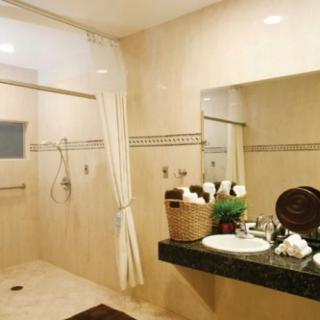
 Wheelchair accessible showers
 Wi-Fi/high-speed internet available
 Long Beach (Daugherty) (21 miles away)
 24-hour supervision
 Ambulatory care
 Assistance with bathing
 Assistance with dressing
 Assistance with transfers
 Diabetes diet
 Diabetic care
 High acuity care
 Incontinence care
 Meal preparation and service
 Medication management
 Special dietary restrictions
 Transportation arrangement (medical)
 Transportation to doctors appointments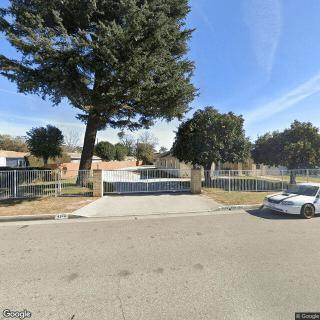

 Memory Care Pathways: A Holistic Guide to Dementia Support
 Comprehending Evening Confusion in Dementia: Causes, Manifestations, and Support
 Delirium and Dementia: Unraveling the Key Differences