
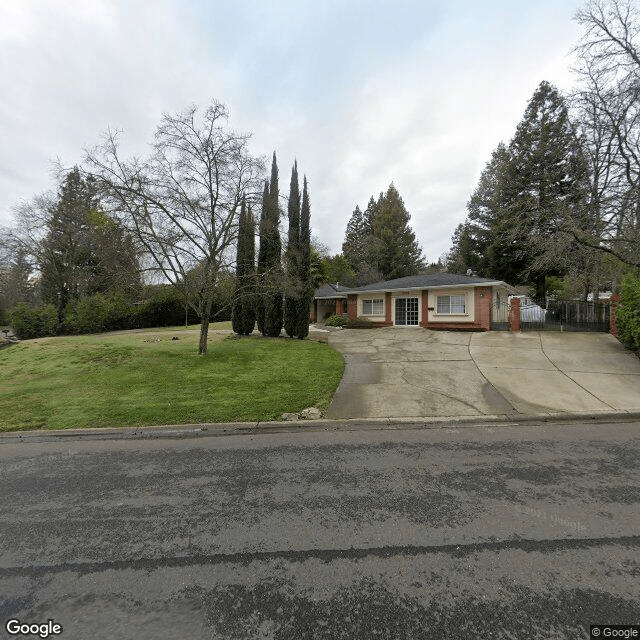
2961 Warren Lane, El Dorado Hills, CA 95762
For more information about senior living options: (866) 208-4318
Royal Garden Costs & Pricing
At Royal Garden, the monthly cost for a private room is set at $5,000, which positions it above both the county and state averages. In El Dorado County, the average cost for a similar accommodation is approximately $3,680, while California's statewide average stands at around $3,939. This premium pricing reflects Royal Garden's potential emphasis on quality services and amenities that may not be found in other facilities. Understanding these costs can help prospective residents or their families evaluate their options based on budget considerations and the value of care provided.
| Floor plans | Royal Garden | El Dorado County | California |
|---|---|---|---|
| Private | $5,000 | $3,680 | $3,939 |
Memory care communities with a similar price nearby
-
from -$500 / mo
Sunriver Senior Care
$4,500 / month10.8 miles away -
from -$850 / mo
Ferrari
$4,150 to $5,500 / month17.2 miles away -
from -$200 / mo
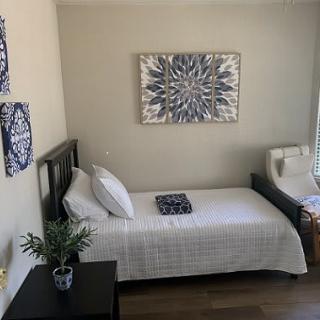
Mountain View Senior Care
$4,800 / month11.5 miles away -
About the same
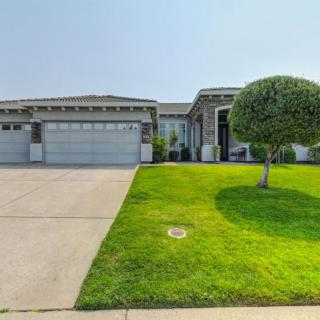
Placer Starcare
$4,999 to $6,000 / month9.4 miles away -
from -$155 / mo
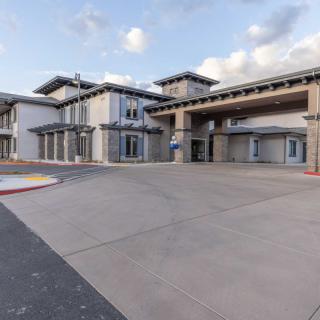
WellQuest of Granite Bay
$4,845 to $8,095 / month8.0 miles away
Overall Review of Royal Garden
Pros
 The staff treated the parents lovingly and with great attention to their individual needs.
- Juliette is kind and caring and keeps the family informed about residents' status and needs.
- Juliette is an excellent cook who goes out of her way to prepare residents' favorite foods.
- The facility feels like home and provides a true home environment, even for residents with dementia and hospice.
- Caregivers are described by residents as "their friends," indicating warm and close bonds.
- The owners genuinely care about tenants' well-being and go above and beyond for families and residents.
- The community is clean, well maintained, and offers a variety of menu options and activities for residents.
Cons
 There were no security measures in place, allowing a dementia patient to walk away from the facility.
- On-duty staff were said to sleep at night, leaving no one awake at all times there.
- The special rate was increased by about $400 after only five months.
- Rent increases were communicated with little notice, including an additional nearly $1,000.
- The wallet disappeared after the father's death, and management provided unclear or inconsistent answers.
- Activities were limited to cards and TV, with no outdoor areas for residents.
- One reviewer criticized the facility's sign as making no sense.
Review
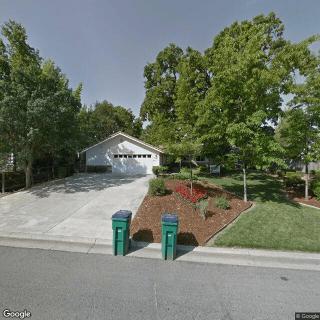
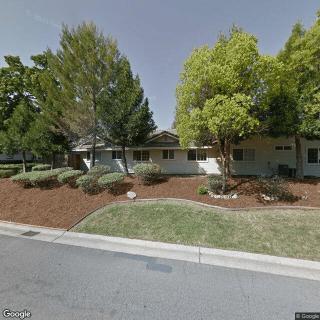
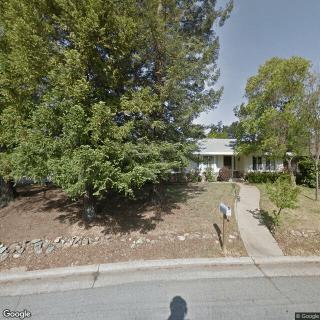
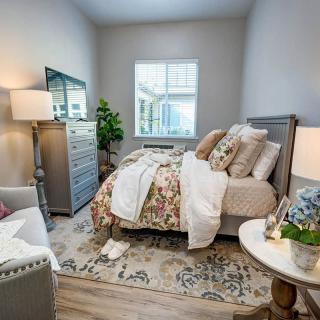
Royal Garden in El Dorado Hills is best suited for families seeking a warm, home-like atmosphere where care feels highly personalized and staff develop enduring relationships with residents. The setting is intimate, with a family-run ethos that prioritizes consistent, hands-on attention. The most persuasive notes come from caregivers who truly know residents and their preferences: a standout caregiver like Juliette, praised for her cooking and for keeping families informed, and a team that residents come to think of as friends. For families prioritizing emotional comfort, routine warmth, and the sense of a genuine home, Royal Garden delivers a compelling experience that often makes difficult transitions feel more manageable.
Those weighing alternatives should note that this community may not be the best fit for families with strict needs around security, 24/7 awake staffing, or broad activity programming. Several reviews reference security gaps and a wandering incident involving a dementia patient, followed by the installation of alarms and questions about night-time vigilance. The implication is clear: consistency in overnight monitoring may vary, and that reality matters for residents who require tight safety nets. Add in concerns about billing transparency, initial rates, subsequent increases, and reimbursement disputes, and some families may prefer communities with firmer, more predictable financial practices. Limited activities and the absence of outdoor spaces are also factors for consideration.
On balance, the pros at Royal Garden tend to offset several notable drawbacks when the care emphasis aligns with a home-like, person-centered approach. The atmosphere resonates as a true home for many residents, with staff who build rapport beyond routine tasks and who accommodate individual meal preferences, celebrations, and daily rhythms. Cleanliness and upkeep are consistently mentioned as strong, and the dining experience, paired with thoughtful, personalized menus, adds meaningful quality to daily life. The small-scale, family-run character reinforces a sense of belonging, where families feel invited into routines and residents appear to settle into familiar patterns that reduce anxiety and isolation.
Yet the main cons cannot be dismissed. For families where security, continuous awake staffing, and structured, varied programming are non-negotiables, the reported gaps pose legitimate concerns. The wandering episode and ensuing questions about around-the-clock coverage underscore a risk tolerance issue: some residents may thrive in a setting that feels like home, while others require more robust supervision and formal protocols. Financial dynamics also loom large, as rate changes and reimbursements can complicate long-range planning. And for residents who crave outdoor activity or more diverse engagement, the current program at times feels limited, which can dampen long-term engagement and mood.
Families evaluating Royal Garden should approach with a sharp, goal-aligned checklist. Insist on transparent safety protocols, a clear staffing schedule, and confirmation that an awake caregiver is available at all hours. Probe security measures before moving in, and request a straightforward, itemized fee structure with explicit policies on rate increases and refunds. Tour the dining area, sample the menu, and discuss dementia-appropriate activities and the availability of outdoor spaces or secured gardens. Seek references from other families and demand a candid read on how often residents participate in activities beyond cards and TV. The most reliable verdict comes from a thorough, detail-oriented tour paired with current resident references.
Bottom line: Royal Garden excels for families wanting a home-like, intimately run community where personalized attention and cooking quality stand out, and where residents often form genuine bonds with caregivers. It is a strong match for seniors who thrive on familiar routines, meaningful social contact, and celebratory moments that reinforce a sense of belonging. For those needing robust security, more expansive programming, or easy access to outdoor amenities, alternative communities are likely to deliver greater reassurance and a broader activity slate. A focused tour, with targeted questions about safety, staffing, and finances, will reveal whether the warmth and oversight balance aligns with care goals.
 6 resident community capacity
 Assisted Living
 Board and Care Home
 Memory Care
 Respite Care
 Activities off-site
 Cable or satellite TV
 Dining room
 Fully furnished
 Garden
 Housekeeping services
 Indoor common areas
 Move-in coordination
 Outdoor common areas
 Private
 Private bathrooms
 Telephone
 Wheelchair accessible showers
 Wi-Fi/high-speed internet available
 24-hour supervision
 Ambulatory care
 Assistance with bathing
 Assistance with dressing
 Assistance with transfers
 Diabetes diet
 Diabetic care
 High acuity care
 Incontinence care
 Meal preparation and service
 Medication management
 Special dietary restrictions
 Transportation arrangement (medical)
 Transportation to doctors appointments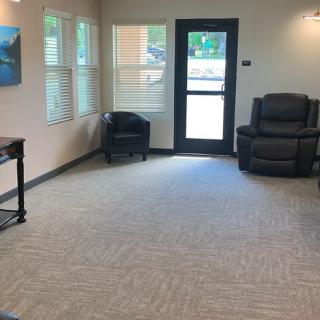

 A Thorough Discussion of Medications Potentially Linked to Dementia Risk
 Why Do Dementia Patients Sleep So Much? Understanding Oversleeping, Stages, and Care Approaches
 8 Key Indicators That Suggest It May Be Time to Transition from Assisted Living to Skilled Nursing Care