
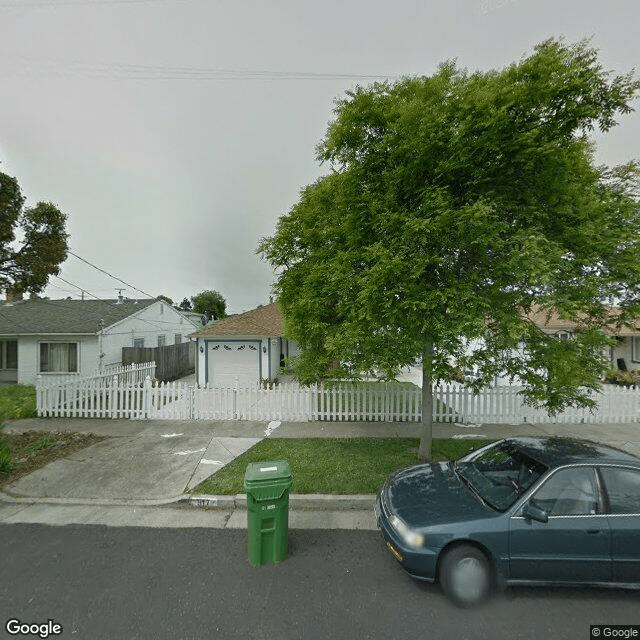
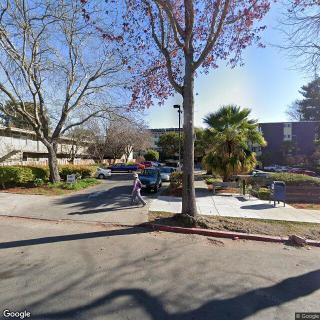
917 Elm St, El Cerrito, CA 94530
To contact a resident: (510) 325-8945
For more information about senior living options: (866) 208-4318
RN3 Loving Care Home I Costs & Pricing
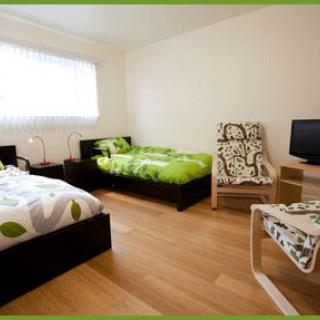
RN3 Loving Care Home I offers competitive pricing for its services, especially in comparison to the broader costs found within Contra Costa County and across California. For a semi-private room, residents can expect to pay $2,800 per month, which is significantly lower than the county average of $3,471 and the state average of $3,333. Meanwhile, the private room rate at RN3 Loving Care Home I is set at $3,000 per month, again favorably positioned against the county's average of $4,088 and California's average of $3,939. This suggests that RN3 Loving Care Home I not only provides quality care but also represents a more affordable option for individuals seeking residential care in a supportive environment.
| Floor plans | RN3 Loving Care Home I | Contra Costa County | California |
|---|---|---|---|
| Semi-Private | $2,800 | $3,471 | $3,333 |
| Private | $3,000 | $4,088 | $3,939 |
Senior living communities with a similar price nearby
-
from +$200 / mo
Golden Harmony Elderly Care
$3,000 / month19.2 miles away -
from +$200 / mo

Palm Garden Home Care
$3,000 to $4,000 / month17.6 miles away -
from +$395 / mo
Harbor Bay Assisted Living
$3,195 to $5,000 / month11.8 miles away -
from +$200 / mo

Eden Assisted Living
$3,000 / month18.1 miles away -
from -$300 / mo
Rose Arbor Senior Care
$2,500 to $4,620 / month3.4 miles away
Overall Review of RN3 Loving Care Home I
Pros
 The staff were very attentive to his safety and often complex needs.
- He was always in good, caring hands.
- The facility is small and intimate.
- The front garden is pleasant, and he enjoyed sitting in the sun there.
- The family is endlessly grateful for Andy, Jenny, and all of the staff.
- The overall care environment felt warm and welcoming for his final years.
Review
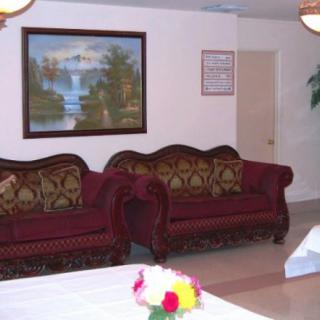
RN3 Loving Care Home I in El Cerrito is best suited for seniors who want a small, home-like setting with highly personalized, attentive care. The resident who spent the last five years there benefited from a team that prioritized safety and complex needs. The intimate footprint means caregivers know routines, preferences, and medical quirks, delivering steady, hands-on oversight. Families describe not just good care but trust that a loved one is in capable hands. A sunlit front garden adds to daily comfort, reinforcing a homelike mood rather than a clinical feel. For seniors in need of ongoing, individualized attention and a family-centered approach, this community offers a compelling match.
That said, this setting isn’t for everyone. Families seeking expansive medical services, a broad activity calendar, or robust rehabilitation may want alternatives. The strengths, personal attention, close relationships, quiet ambience, can imply limited coverage during staff absences and fewer formal resources than larger communities. Those requiring frequent access to specialists, a wide array of therapies, or large-group programming may find the footprint restrictive. In short, if scale, variety of services, and campus-wide amenities matter alongside safety, a larger, more resource-rich option could be the better fit.
The main advantages are powerful. The caregiving team’s steady presence supports consistent safety monitoring for residents with complex needs near end of life. The intimate setting fosters trust; staff learn cues quickly and integrate care into daily life, reducing anxiety for residents and families. A smaller environment also allows sun-drenched spaces and garden time to become meaningful parts of the day, aiding mood and engagement. These benefits often outweigh the absence of a bustling program, since peace of mind and individualized attention carry more weight when health needs are evolving and deeply personal.
Nevertheless, potential downsides exist by design. A small operation may run with lean staffing and limited redundancy, which can affect after-hours coverage, on-site specialists, and equipment options. The strength of attentiveness can become a constraint if rapid escalation or complex transitions are required. Prospective families should ask about shift coverage, staffing ratios, medication management, and after-hours protocols. Clarify how medical oversight is coordinated, whether regular visiting clinicians are integrated, and how emergencies are handled. Understanding these elements helps determine whether the care model remains robust as needs shift.
Turn-key evaluation should include a practical checklist. Observe interactions between staff and residents, the clarity of daily routines, and the quality of meals and meaningful engagement opportunities. Check privacy in rooms, family involvement in care planning, and the openness of communication about changes in health status. Assess accessibility and safety of common spaces, garden usability, and weather-related comfort. Confirm financial terms, contract specifics, and guarantees for continuity of care if needs intensify. This focused due diligence aligns the lived experience with anticipated health trajectories.
For families prioritizing a serene, deeply personal caregiving environment for a loved one’s later years, RN3 Loving Care Home I stands out as a strong option. The combination of a small footprint, dedicated staff, and a home-like atmosphere can deliver the consistent, compassionate care that matters most. When safety, trust, and daily quality of life drive the decision, this community delivers. If those are the priorities, a visit will validate fit. If a broader range of medical services, richer programming, or greater scale is essential, alternatives should be pursued with a similarly rigorous evaluation to ensure the choice matches evolving needs.
 Board and Care Home
 Private
 Metropolitan Oakland International (14 miles away)
 Ambulatory care
 Diabetic care
 High acuity care
 Christian services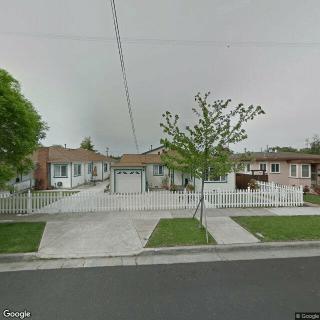
 A Closer Look at Private Pay Home Care
 Comprehensive Approaches for Arthritis: A Detailed Guide to Symptoms, Causes, and Care
 Comprehensive Insights and Practical Strategies to Help Older Adults Avoid Falls