
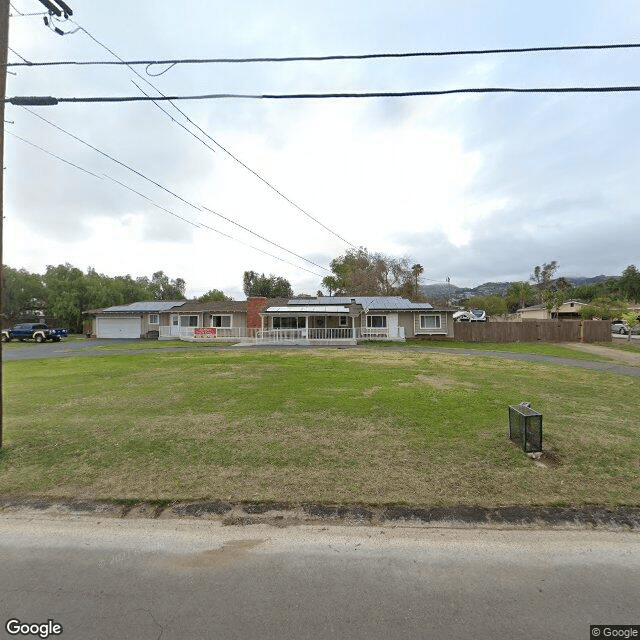
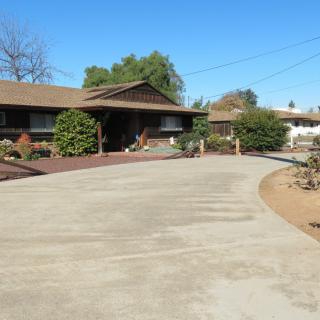
1882 Euclid Ave, El Cajon, CA 92019
To contact a resident: (619) 312-1136
For more information about senior living options: (866) 208-4318
The Granite Hills House Costs & Pricing
The Granite Hills House offers competitive pricing for its residents, particularly when compared to broader market rates in San Diego County and California as a whole. For semi-private accommodations, the cost is set at $2,500 per month, significantly lower than the average of $3,518 in San Diego County and $3,333 across the state. In terms of private rooms, residents of The Granite Hills House pay $3,000 per month, which is also more affordable than the county and state averages of $3,939. This positioning not only underscores the value provided by The Granite Hills House but also highlights its commitment to making quality living accessible to its residents.
| Floor plans | The Granite Hills House | San Diego County | California |
|---|---|---|---|
| Semi-Private | $2,500 | $3,518 | $3,333 |
| Private | $3,000 | $3,939 | $3,939 |
Senior living communities with a similar price nearby
-
About the same
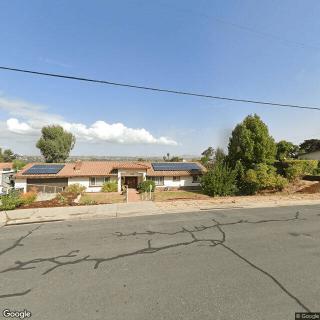
Bonita K Care
$2,500 to $3,000 / month11.4 miles away -
from +$350 / mo
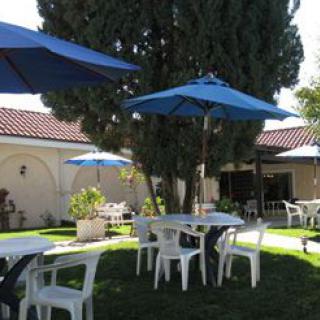
Alpine View Lodge
$2,850 to $3,550 / month7.4 miles away -
from +$300 / mo
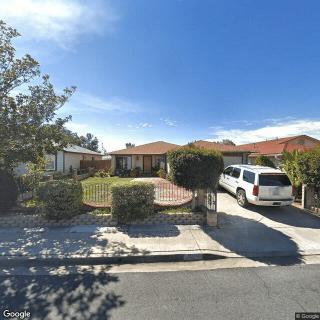
Carecenter at Home for Elderly
$2,800 to $3,500 / month10.4 miles away -
About the same
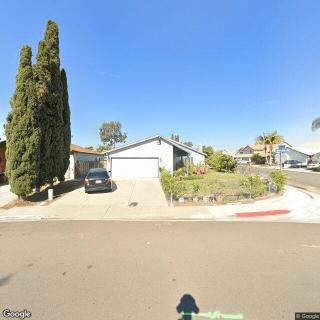
Alychris Senior Board and Care
$2,500 to $3,000 / month16.3 miles away -
from -$100 / mo
Sunland Home Care
$2,400 to $4,250 / month14.9 miles away
Overall Review of The Granite Hills House
Pros
 La Cruz Senior Care offers a small, intimate setting with few residents.
- It provides more one-on-one care than larger communities.
- The experience has been good so far.
- They serve home-cooked meals.
- The reviewer would recommend La Cruz Senior Care to others.
Review
The Granite Hills House in El Cajon is best suited for seniors who want a small, home-like setting where a loved one can count on substantial one-on-one attention and meals prepared in-house. In a group of roughly five other residents, the environment prioritizes intimate, individualized care over crowds and formal programming. This configuration works best for residents who value predictability, close relationships with caregivers, and the reassurance that someone is consistently monitoring daily needs. For families seeking a serene, controllable pace with highly personalized routines, this community offers a compelling fit.
Those who should consider alternatives are families whose loved ones benefit more from social vibrancy and structured activities, or from access to broader medical and therapeutic services on site. A bustling calendar, diverse peer interactions, and more extensive on-site care options can matter greatly for residents prone to loneliness or needing regular rehabilitation, memory-care programming, or advanced health management. If social immersion, varied entertainment, or tiered clinical support are non-negotiable, a larger assisted living campus or specialized unit may better align with expectations and long-term needs.
The primary advantages, exceptional one-on-one care and home-cooked meals, read as a powerful counterbalance to the potential downsides of a smaller setting. The ability to tailor daily routines, nutrition, and activity choices to a resident’s preferences translates into meaningful quality-of-life benefits. When caregivers know a resident’s history, preferences, and subtle health cues, responses are quicker and more precise. The testimonial praising the individualized attention and the consistent warmth of home-style meals reinforces that these strengths aren’t merely pleasant extras but core value drivers for families weighing comfort, dignity, and ongoing support.
A second strength flows from the intimate size: safer, more attentive oversight and easier communication with staff. In a community where caregiving teams are relatively small, changes in health status tend to be noticed sooner, and family members often experience clearer, faster updates. The sense of continuity, where caregivers become familiar with routines, preferences, and minor red flags, can reduce anxiety around daily care. That familiarity, paired with a proven track record of positive experiences, makes the home feel predictable in the best possible way: a place where relief comes from knowing someone truly knows the person being cared for.
Yet the trade-offs in a smaller setting are real and merit careful consideration. Social opportunities may be more limited than in larger communities, which can lead to quieter days or fewer peer-driven activities. If a resident’s emotional well-being hinges on a robust social calendar, or if family members rely on the center to deliver a broad range of therapies and medical services, this setting may fall short. Price sensitivity also matters; while personalized attention can feel worth the cost, it remains essential to verify what is included in the rate and whether there are additional charges for specialized care, transportation, or activities.
In the end, this community emerges as a solid option for families prioritizing individualized attention, predictable routines, and the warmth of a home-cooked meal program. It is less compelling for those who demand high-energy social life, extensive on-site medical services, or formal, structured activity schedules. Prospective residents should arrange a thorough visit to observe caregiver-resident interactions, review a typical day’s schedule, and meet the caregiving team. Confirm licensing, ask about staff-to-resident ratios, and request sample menus and activity plans. If those elements align with the senior’s preferences and care needs, Granite Hills House stands out as a practical, grounded choice in El Cajon.
 Board and Care Home
 Cats allowed
 Dogs allowed
 Indoor common areas
 Outdoor common areas
 Private
 Respite or short term stays offered
 Wheelchair accessible showers
 San Diego International-Lindbergh (17 miles away)
 High acuity care
 Incontinence care
 Meals provided


 6 Crucial Ways an Elder Law Attorney Assists Families
 Navigating the Tax Landscape of Caregiving: Credits, Deductions, and Beyond
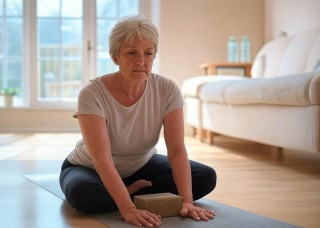 Highly Beneficial Low-Impact Exercises for Senior Living Residents