
505 Hills Lane Drive, El Cajon, CA 92020
For more information about senior living options: (866) 208-4318
Noble Living II Costs & Pricing
Noble Living II offers competitive pricing for its residents, particularly when compared to the broader market in both San Diego County and the state of California. For semi-private accommodations, monthly costs range from $4,200 to $4,300, which is noticeably higher than the county average of $3,518 and the state average of $3,333. Similarly, the cost for private rooms at Noble Living II stands at $4,700 - significantly exceeding both San Diego County's and California's consistent rate of $3,939. While these prices reflect a premium offering that may include enhanced services or amenities associated with Noble Living II, potential residents should carefully consider how these costs align with their needs and budget compared to other options in the region.
| Floor plans | Noble Living II | San Diego County | California |
|---|---|---|---|
| Semi-Private | $4,200 to $4,300 | $3,518 | $3,333 |
| Private | $4,700 | $3,939 | $3,939 |
Memory care communities with a similar price nearby
-
from +$350 / mo
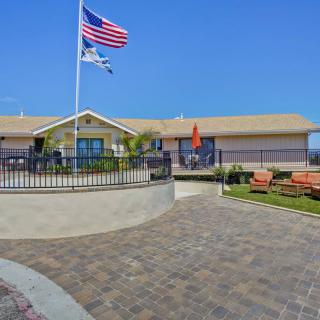
Champine Manor
$4,550 / month24.9 miles away -
from -$700 / mo

Ramona Senior Lodge Assisted Living
$3,500 to $5,500 / month14.5 miles away -
from -$400 / mo
The Rose of Poway
$3,800 to $4,200 / month12.8 miles away -
About the same
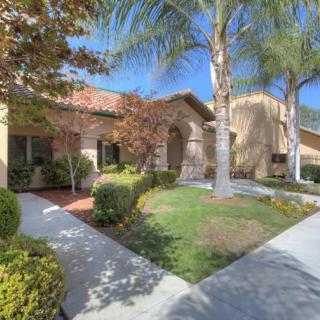
Summerfield of Encinitas Memory Care
$4,295 to $4,895 / month22.4 miles away -
from +$750 / mo

Stellar Care
$4,950 / month6.3 miles away
Overall Review of Noble Living II
Cons
 The place should be shut down.
- Nobody cares and nobody oversees the staff who work there.
- Some staff bully the patients.
- Water is withheld from patients to avoid changing diapers, and patients are treated differently when the family isn’t present.
- Patrons pay a lot for caregivers who are incompetent and for a greedy owner.
Review
This community is best suited for residents who are largely independent or for families who can provide constant, hands-on supervision. In practice, any elder who relies on staff for basic daily care, hydration, timely diaper changes, respectful interaction, will not be well served here. The reality described suggests that only a vigilant, on-site family presence can prevent ongoing neglect, manipulation, or mistreatment. For anyone without a dedicated advocate on site, the risk is substantial. The blunt takeaway is that Noble Living II rewards oversight and advocacy far more than it rewards residents’ well-being; without that ongoing monitoring, conditions deteriorate quickly.
The core drawbacks overwhelm any conceivable benefit. The reviewed experience paints a picture of neglect, bullying, and disregard for basic comfort and safety. Water can be withheld to avoid care tasks, and residents appear targets for mistreatment, with a leadership stance that prioritizes profit over people. This combination creates immediate safety concerns, dehydration, skin problems, unaddressed medical needs, and long-term trust issues that irreversibly undermine daily life. The absence of credible accountability means problems persist, escalate, and remain hidden until consequences manifest, turning what should be a calm home into a precarious environment.
Any potential positives fail to offset the principal failures. If there are any redeeming factors, such as a convenient location, familiar routines, or occasional orderly days, they are dwarfed by a culture of neglect and coercion. Paying a premium for care that is inconsistent at best and actively harmful at worst makes the overall value proposition unacceptable. The financial cost becomes a poor bargain when resident welfare is not reliably protected, and the sense of security families seek is absent. In short, there is no meaningful return on investment when care quality is episodic, or worse, hostile.
For families weighing options, this facility clearly signals alternatives should be pursued when a resident needs reliable, compassionate care. Look for communities with transparent staffing patterns, strong on-site supervision, and explicit safeguarding policies against mistreatment. During visits, assess how staff interact with residents, how quickly needs are addressed, and whether residents are clean, hydrated, and properly supervised. Review state inspection records and any independent quality metrics, and insist on meeting caregivers and the administrator. Demand clear care plans, real-time updates, and escalation procedures. If anything about the atmosphere feels evasive or punitive, move on.
Those most at risk are residents who cannot advocate for themselves or who depend on others to monitor quality. Anyone prioritizing dignity, respect, and dependable care should immediately prioritise alternatives with proven staffing stability and governance. The pattern described, neglect, intimidation, and profit-driven management, leaves little room for trust. Avoid relying on occasional good days or surface-level order; treat these as red flags indicating deeper, systemic problems. A community that permits water denial and bullying will erode health, autonomy, and peace of mind, making the safest choice clear: seek a setting with verifiable commitment to resident welfare.
Bottom-line guidance is decisive: Noble Living II does not meet the needs of most seniors requiring consistent, respectful care. The repeated reports of neglect and coercive behavior vastly outweigh any supposed convenience, and the risk to resident health and safety is unacceptable. For families, the prudent course is to pursue facilities with demonstrable safety records, transparent governance, and active resident advocacy. Build a shortlist around communities with strong staffing commitments, patient-centered cultures, and reliable oversight. If staying with this option is unavoidable, execute rigorous supervisory protocols, insist on immediate escalation for every concern, and document every care interaction meticulously. In practical terms, prioritize a setting that treats residents as people first, with clear boundaries, accountability, and unwavering protection of well-being.
 6 resident community capacity
 Assisted Living
 Board and Care Home
 Memory Care
 Activities on-site
 Cable or satellite TV
 Dining room
 Fully furnished
 Garden
 Housekeeping services
 Indoor common areas
 Move-in coordination
 Outdoor common areas
 Private
 Private bathrooms
 Respite or short term stays offered
 Swimming pool / hot tub
 Telephone
 Wi-Fi/high-speed internet available
 San Diego International-Lindbergh (13 miles away)
 24-hour supervision
 Ambulatory care
 Assistance with bathing
 Assistance with dressing
 Assistance with transfers
 Diabetes diet
 High acuity care
 Incontinence care
 Meal preparation and service
 Medication management
 Special dietary restrictions
 Transportation arrangement (medical)
 Transportation to doctors appointments
 BBQs or picnics
 Birthday parties
 Excellent access to nearby amenities and healthcare.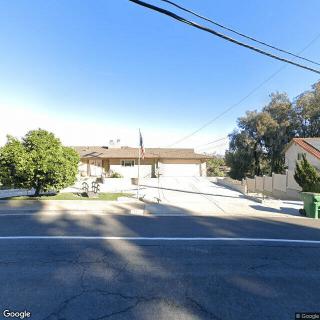



 22 Remarkable Caregiver Support Groups Available Online and In-Person
 Understanding Medicaid Coverage for Assisted Living: A Comprehensive Guide
 How and When Medicaid May Cover Assisted Living Costs