
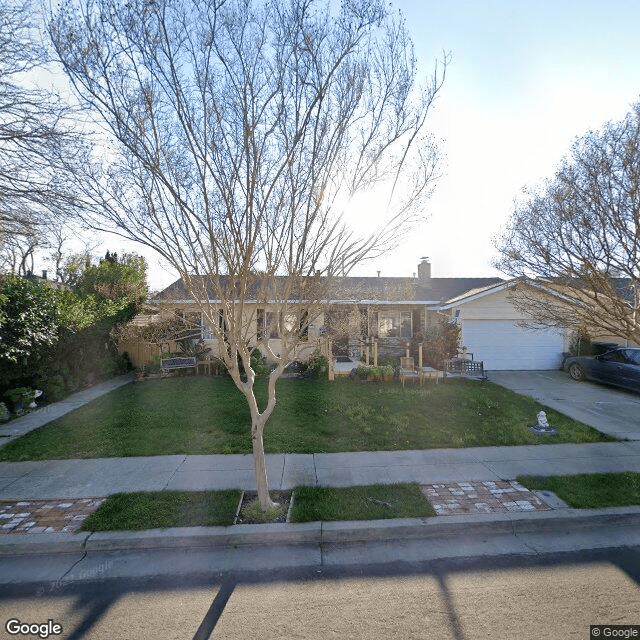
8552 Briarwood Lane, Dublin, CA 94568
For more information about senior living options: (866) 208-4318
Angels Ilie & Maria Golden Age Care Costs & Pricing
At Angels Ilie & Maria Golden Age Care, the monthly costs for accommodations reflect a commitment to quality care and comfort. For a semi-private room, residents can expect to pay $4,000, which is notably higher than both the Contra Costa County average of $3,471 and the statewide average of $3,333. Those opting for a private room will incur a monthly fee of $4,500; this rate exceeds the local and state averages of $4,088 and $3,939 respectively. While these costs may be above regional benchmarks, they are indicative of the personalized services and high standards that Angels Ilie & Maria Golden Age Care strive to provide for their residents.
| Floor plans | Angels Ilie & Maria Golden Age Care | Contra Costa County | California |
|---|---|---|---|
| Semi-Private | $4,000 | $3,471 | $3,333 |
| Private | $4,500 | $4,088 | $3,939 |
Assisted Living communities with a similar price nearby
-
About the same

Golden Age Of Channing Way
$4,000 to $5,000 / month17.4 miles away -
from +$500 / mo

Pleasanton Senior Care Villa
$4,500 / month4.3 miles away -
from -$600 / mo

An Oak Grove Manor
$3,400 to $3,800 / month14.5 miles away -
from -$500 / mo

Blossom Garden Senior Home
$3,500 to $4,800 / month9.8 miles away -
from +$600 / mo

Milan Villa Senior Living
$4,600 to $9,200 / month8.9 miles away
Overall Review of Angels Ilie & Maria Golden Age Care
Pros
 The worker with a heart of gold was an angel.
- Lilly keeps a very clean home and the food is great.
- The facility provides the brother with much higher care than the previous facility.
- The reviewer plans to move his brother into the facility, indicating positive expectations.
Cons
 The care at Angel's care was far from appropriate.
- The caregivers and their daughter were awful, difficult people to work with.
- Residents endure a daily combative environment.
- The reviewers hope that state authorities question the facility's business practices and care.
- The facility should be avoided; a better option exists for the price.
- The food quality was criticized as largely processed, with Campbell soup cans found in the pantry instead of homemade soup.
Review
Angels Ilie & Maria Golden Age Care in Dublin, California is best suited for families seeking a small, home-like environment where a single caregiver-leaning approach can deliver intimate, day-to-day attention. This community fits residents who prefer a cozy, neighborly setting over a large facility and who can function with steady, personalized oversight rather than highly structured, clinical programming. It works best for seniors who are relatively stable in their daily routines, who want direct access to a caregiver’s devotion, and who don’t demand intense medical or memory-care services on a 24/7 basis. In short, this is a place where warmth and attentiveness can shine if expectations stay aligned with a small-house model of care.
Those who may want to consider alternatives include families managing significant medical needs, mobility or behavior challenges, or a requirement for transparent, consistently executed governance. One reviewer described a daily environment that felt combative and difficult to navigate, with concerns about how care was managed and communicated. Prospective residents with complex care coordination needs, such as frequent nursing tasks, high fall risk, or dementia requiring structured protocols, may find a small home setting insufficient, especially if reliable leadership and open communication are not clearly demonstrated in visits and trial stays. If valuation of predictable processes, formal oversight, and easy access to multiple staff members is high, exploring larger, more transparent communities would be prudent.
The strongest positives cited are persuasive: a caregiver described as having a “heart of gold,” evidenced by dedicated attention to residents, and a facility that maintains a clean, orderly home environment. Food quality has also been highlighted as a notch above, with one resident’s comment pointing to good meals in a setting where cleanliness and a respectful attitude toward daily routines matter greatly. When these factors are present, they can meaningfully offset the drawbacks of limited scope of services by delivering daily comfort, dignity, and reliable, if modest, levels of interaction. A tour and deposit imply initial confidence that the setting can deliver enough companionship and supervision to make day-to-day living feasible.
However, the drawbacks cannot be dismissed. Reports of a tense, combative atmosphere, paired with claims of management or caregiving staff who are difficult to work with, raise red flags about consistency, safety, and long-term stability. In a setting this intimate, the demeanor and responsiveness of the owners and lead caregivers directly shape the resident’s quality of life and the family’s peace of mind. The mixed feedback about meals and overall care suggests that while some residents benefit from attention and cleanliness, others may encounter inconsistent routines or gaps in communication. The alignment between family expectations and day-to-day practice will be the deciding factor for success here.
To turn the odds in favor of a solid fit, families should pursue concrete, practical steps before deciding. Schedule extended, multi-day visits to observe interactions between staff and residents across mealtimes, activities, and routines. Request a transparent look at staffing patterns, training credentials, and how care plans are updated and communicated to families. Ask about how dietary preferences are accommodated, how medications are supervised, and what the escalation process looks like for concerns or incidents. Seek out current residents or family members to assess ongoing satisfaction and note how responsive the management team is to feedback. Establish a short-term trial if possible to verify that the caregiver-driven model can sustain reliability and safety.
Bottom line: Angels Ilie & Maria Golden Age Care offers genuine warmth, a clean, home-like setting, and attentive bedside care that can deliver meaningful daily quality of life. Those who can anchor trust in a small-team model and who value close, personalized attention will likely find this a workable option. Yet the warnings about a combative environment and difficult management practices cannot be ignored. For families prioritizing predictability, formal governance, and robust clinical oversight, alternatives with clearer staffing structures and more transparent operations should be on the short list. Careful due diligence will determine whether the positives can consistently outweigh the noted concerns, or if another option better aligns with the resident’s safety, routines, and long-term care goals.
 6 resident community capacity
 Assisted Living
 Board and Care Home
 Dogs allowed
 Activities off-site
 Air-conditioning
 Bath tubs
 Cable or satellite TV
 Devotional services off-site
 Dining room
 Fully furnished
 Garden
 Housekeeping services
 Indoor common areas
 Move-in coordination
 Outdoor common areas
 Private
 Private bathrooms
 Respite or short term stays offered
 Telephone
 Wheelchair accessible showers
 Wi-Fi/high-speed internet available
 Metropolitan Oakland International (16 miles away)
 24-hour supervision
 Assistance with bathing
 Assistance with dressing
 Assistance with transfers
 Diabetes diet
 High acuity care
 Incontinence care
 Meal preparation and service
 Medication management
 Special dietary restrictions
 Transportation arrangement (medical)
 Transportation to doctors appointments
 Adventist services
 Art classes
 BBQs or picnics
 Birthday parties
 Buddhist services
 Day trips and outings
 Pet-focused programs
 Stretching classes







 Beyond the Bingo Hall: 50+ Enriching Activities for Seniors in Assisted Living
 Understanding the Distinctions: Assisted Living and Memory Care Explained
 Guiding Elderly Parents Who Refuse Assisted Living: 6 Practical Steps