
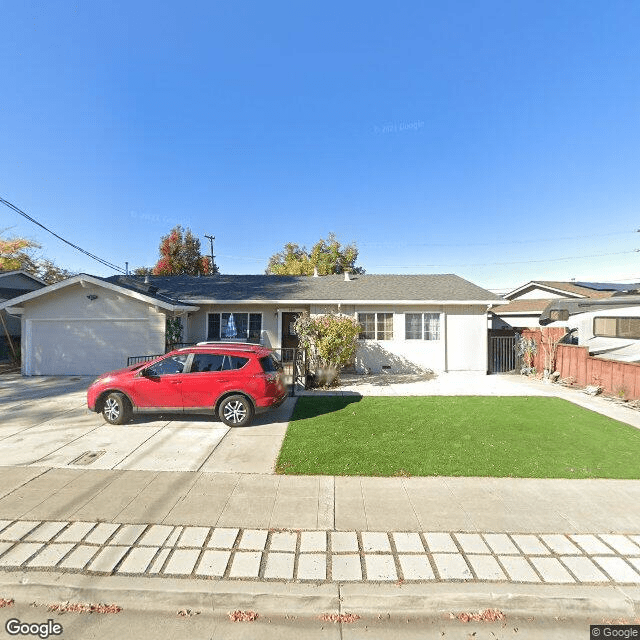
7875 Ironwood Drive, Dublin, CA 94568
For more information about senior living options: (866) 208-4318
Allstar Residence Costs & Pricing
At Allstar Residence, the monthly cost for a private room is $5,500, which is notably higher than the average rates in Contra Costa County and across California. In Contra Costa County, private room expenses typically amount to $4,088, while the statewide average is even lower at approximately $3,939. This pricing reflects Allstar Residence's commitment to delivering exceptional care and a premium living experience that may justify the higher costs compared to both local and state averages. Prospective residents can expect a range of personalized services and amenities that contribute to this investment in quality.
| Floor plans | Allstar Residence | Contra Costa County | California |
|---|---|---|---|
| Private | $5,500 | $4,088 | $3,939 |
Assisted Living communities with a similar price nearby
-
from +$1000 / mo

Khivi Care
$6,500 / month8.9 miles away -
from -$500 / mo

Blessing Home
$5,000 to $6,000 / month7.4 miles away -
from -$1000 / mo

Pleasanton Senior Care Villa
$4,500 / month3.9 miles away -
About the same

Bethel Care Home On Cottage
$5,400 / month14.2 miles away -
from -$500 / mo
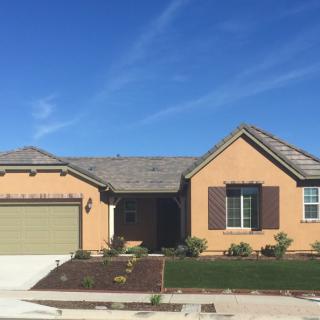
Harmony Care Home
$5,000 to $6,500 / month20.2 miles away
Overall Review of Allstar Residence
Pros
 The Allstar Residence is very good and very nice.
- The staff is really nice and helpful.
- There is a nice outdoor space where residents can sit.
- The cleanliness is a key positive feature of the residence.
Cons
 The staff were very unaccommodating.
Review
Allstar Residence in Dublin, CA is best suited for families seeking a clean, welcoming, low-friction transition into assisted living. The community fits seniors who want a bright, home-like atmosphere with accessible outdoor space and consistently courteous staff. It shines for residents moving from independent living or needing light to moderate support, where daily routines can be organized without a heavily medicalized program. Those who require extensive nursing oversight, specialized memory-care services, or dense clinical care will likely find this option less aligned with their needs. In short, it serves as a solid bridge for transitional care, not a one-stop solution for high-acuity or highly specialized requirements.
The standout strengths are environmental and relational. Cleanliness is repeatedly highlighted, with well-kept common areas and living spaces that convey pride and safety. The outdoor space offers a usable, enjoyable setting for residents to socialize or unwind, which matters for mood and community integration. The staff element emerges as the core positive, friendly, approachable, and prepared to help families navigate the move. Descriptions consistently praise the people who work there, emphasizing practical support and a willingness to assist during the transition. For families prioritizing a welcoming, low-stress onboarding and a pleasant living environment, these factors carry real weight.
On the flip side, one clearly negative note cannot be ignored: the comment that a particular party experienced “very un accommodating” service. That single data point signals the potential for misalignment between family expectations and staff policies in certain scenarios. Coupled with a hint of significant upfront costs, “$4000+ house setup” appearing in the reviews, the financial dimension becomes a meaningful consideration. While the bulk of feedback centers on warmth and practicality, these caveats suggest that care experiences and onboarding can vary, and upfront pricing may require careful review and upfront agreement to avoid surprises.
Despite the caveats, the positives tend to offset the drawbacks for many families. A clean, comfortable environment paired with a responsive, supportive staff can markedly reduce the stress of transition days, from move-in coordination to establishing daily routines. The ability to sit outside in a pleasant space and know that caregivers are approachable contributes to ongoing resident and family confidence. The key is ensuring clear communication about expectations, policies, and what the upfront costs cover, so that the perceived risk of an inconsistent encounter does not overshadow the overall sense of safety and care.
Families evaluating options should consider alternatives if budget constraints are tight or if specialized medical or memory-care services are non-negotiable. Communities with lower onboarding fees or all-inclusive monthly rates may provide a better fit for cost-sensitive plans. For those needing robust memory-care programs or 24/7 nursing oversight, direct comparisons with higher-acuity facilities are essential. Allstar Residence stands as a practical mid-market choice for transitional living, but it may fall short for residents requiring extensive clinical support or for families seeking flawless consistency across every staff interaction.
Bottom line: Allstar Residence delivers a practical, reliable option for families prioritizing cleanliness, pleasant surroundings, and real, hands-on staff support during a move into assisted living. It rewards those who value a warm, home-like vibe and predictable daily routines. It is not the best match for budget-constrained families or residents needing heavy medical oversight or specialized care. Prospective movers should tour with a clear checklist: confirm exactly what the upfront costs cover, understand move-in timelines, and ask how staff handle transitions for residents with evolving needs. When diligence is done, Allstar Residence can provide a stable, compassionate caregiving environment for the right resident.
 6 resident community capacity
 Assisted Living
 Board and Care Home
 Respite Care
 Activities on-site
 Cable or satellite TV
 Dining room
 Fully furnished
 Garden
 Housekeeping services
 Indoor common areas
 Move-in coordination
 Outdoor common areas
 Private
 Telephone
 Wheelchair accessible showers
 Wi-Fi/high-speed internet available
 Metropolitan Oakland International (16 miles away)
 24-hour supervision
 Ambulatory care
 Assistance with bathing
 Assistance with dressing
 Assistance with transfers
 Diabetes diet
 Diabetic care
 Meal preparation and service
 Medication management
 Special dietary restrictions
 Transportation arrangement (medical)
 Transportation to doctors appointments







 When to Transition from Assisted Living to Memory Care: Key Indicators, Steps, and Finding the Right Community
 Assisted Living and Memory Care: Understanding Their Core Differences
 Beyond the Bingo Hall: 50+ Enriching Activities for Seniors in Assisted Living